

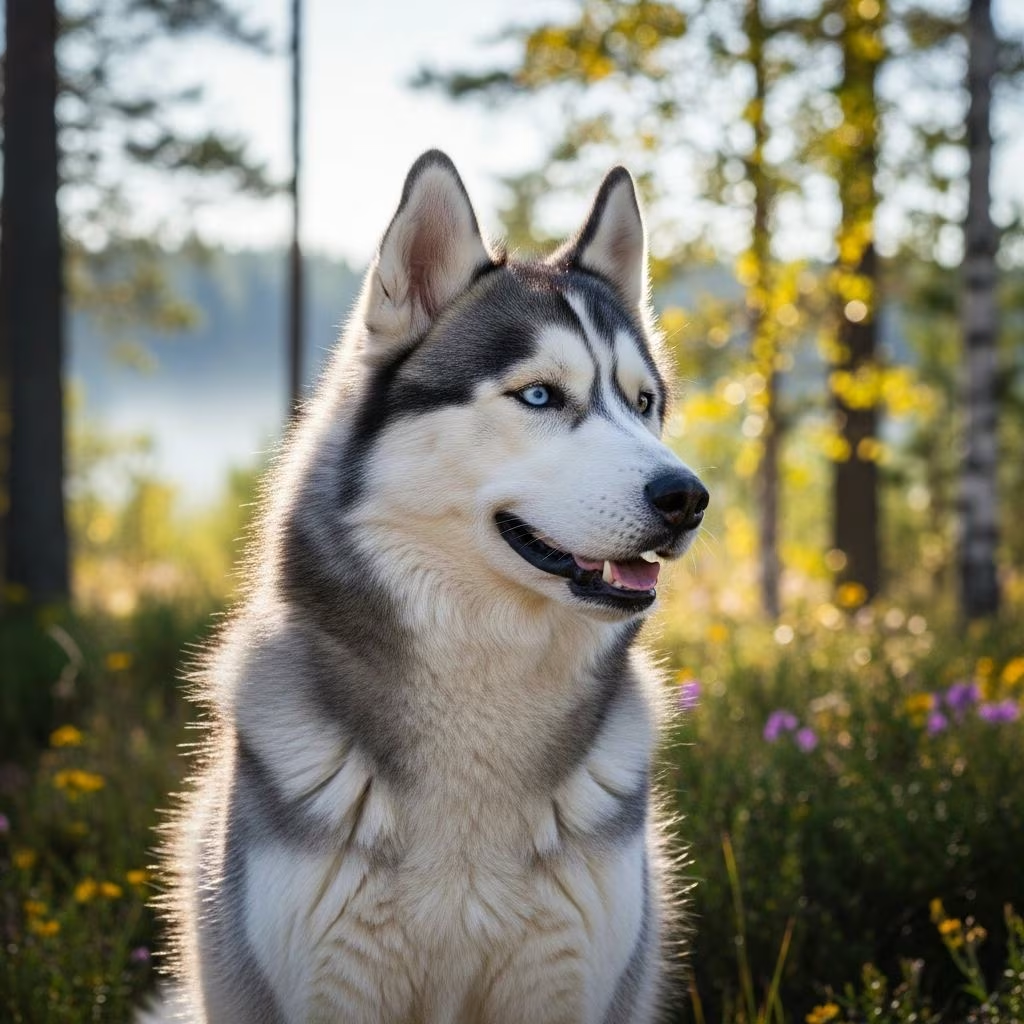
Siberian Huskies are renowned for their striking appearance, boundless energy, and loyal temperament. However, like all dog breeds, these magnificent animals have specific health vulnerabilities that responsible owners should understand. While Huskies are generally hardy dogs with good longevity, they are genetically predisposed to certain medical conditions that can significantly impact their quality of life. Understanding these health challenges enables owners to implement preventive measures, recognize early warning signs, and seek timely veterinary intervention when necessary.
Joint and Skeletal Health Challenges in Huskies
One of the most prevalent orthopedic concerns affecting Siberian Huskies is hip dysplasia, a condition where the hip joint develops abnormally. During this degenerative process, the soft tissues that normally stabilize the hip joint become loose, causing misalignment of the ball-and-socket joint. This structural problem typically emerges early in life but may not manifest clinically until the dog reaches middle age or advances further.
Hip dysplasia creates a cascading series of complications, including progressive cartilage damage that evolves into arthritis over time. Affected dogs often display lameness, difficulty rising from a resting position, reluctance to climb stairs, and a bunny-hopping gait when running. The condition causes pain and mobility impairment that worsens as the dog ages.
Several factors exacerbate hip dysplasia development in young Huskies. Obesity during puppyhood significantly accelerates the progression of joint laxity, while excessive exercise during the growth phase can compound structural damage. Prevention strategies should emphasize maintaining optimal body weight throughout the developmental period, providing age-appropriate exercise, and ensuring adequate joint-supporting nutrition.
Beyond hip dysplasia, senior Huskies commonly develop degenerative myelopathy, a progressive neurological condition affecting spinal cord function. This condition gradually impairs hind limb coordination and mobility, eventually leading to paralysis if left unmanaged.
Ocular Health and Vision Preservation
Eye problems represent a significant health concern in Siberian Huskies, with multiple conditions affecting this breed. Progressive retinal atrophy (PRA) stands as one of the most serious ocular conditions, causing gradual degeneration of the retina and ultimately leading to blindness. Unlike some conditions that present with obvious symptoms, PRA progresses silently in early stages, making regular veterinary screening essential for early detection.
Cataracts constitute another frequent eye problem in Huskies, particularly affecting juvenile dogs. These lens opacities cloud vision and can progress rapidly, potentially causing complete vision loss if untreated. Cataracts may develop in one or both eyes and require surgical intervention for vision preservation.
Corneal dystrophy affects the corneal surface, creating crystalline deposits that can compromise vision clarity without typically causing pain. While this condition may progress slowly in some dogs, it warrants monitoring through regular eye examinations.
Additional ocular conditions affecting Huskies include glaucoma, characterized by elevated intraocular pressure that causes pain and vision loss, and uveodermatologic syndrome, a rare autoimmune disease affecting both ocular and dermal tissues. This autoimmune condition can result in pigment loss, serious vision impairment, and requires aggressive treatment to prevent blindness.
Early detection of eye conditions significantly improves outcomes, making regular professional eye examinations essential. Diagnosis typically involves specialized equipment, blood tests, and sometimes genetic screening to identify carriers of inherited eye disease.
Metabolic and Endocrine Dysfunction
Hypothyroidism emerges as one of the most prevalent health problems in middle-aged and senior Huskies. This endocrine condition occurs when the thyroid gland fails to produce adequate thyroid hormone, resulting in metabolic slowdown. The symptoms of hypothyroidism develop insidiously, often appearing over months or even years, which can delay diagnosis in many cases.
The clinical presentation of canine hypothyroidism includes multiple nonspecific signs: unexplained weight gain despite normal or reduced appetite, alopecia or hair loss, fatigue and decreased activity levels, intolerance to cold temperatures, and development of skin and ear infections. Some affected dogs exhibit behavioral changes, displaying a characteristic “sad” expression and demonstrating heat-seeking behaviors. Chronic skin and ear infections should prompt thyroid testing, as these conditions frequently coexist with hypothyroidism.
Fortunately, hypothyroidism responds well to treatment with thyroid replacement hormone administered as a daily supplement. Veterinarians initiate therapy with a standard dose based on body weight, then adjust the dosage as needed based on response and bloodwork. Regular blood testing every six months helps monitor therapeutic efficacy and hormone levels, allowing for dose optimization.
Zinc-responsive dermatosis represents another metabolic concern specific to Huskies, who have genetic difficulty absorbing zinc from their diet. This deficiency manifests as skin lesions, hair loss, dull fur, and dermatological problems that respond to dietary zinc supplementation.
Dermatological Issues and Skin Health
Despite their thick double coats, Siberian Huskies are prone to various skin conditions that can significantly impact their comfort and quality of life. Dermatitis and hot spots occur frequently, particularly in humid climates where moisture becomes trapped in the dense coat. These inflamed skin areas become painful, itchy, and vulnerable to secondary bacterial infections if not promptly addressed.
Regular grooming practices serve as the primary defense against skin problems, removing dead hair, reducing moisture accumulation, and allowing early identification of skin abnormalities. Consistent flea and parasite prevention further reduces the risk of skin infections, as parasites trigger allergic reactions and skin irritation in many dogs.
Huskies with chronic skin conditions should undergo thyroid testing, as hypothyroidism frequently precipitates or exacerbates dermatological problems. Additionally, some Huskies develop allergic skin disease, manifesting as persistent itching, dry patches, hair loss, and recurrent ear infections. Identifying and eliminating allergens—whether environmental or dietary—forms the foundation of allergy management.
Gastrointestinal Sensitivities and Digestive Concerns
Some Husky puppies exhibit sensitive digestive systems that struggle with certain food ingredients or rapid dietary changes. Introducing new foods gradually and selecting high-quality, protein-rich diets minimize gastrointestinal upset. Persistent vomiting, chronic diarrhea, or unexplained weight loss warrant veterinary evaluation to rule out underlying conditions.
Gastric torsion or bloat represents a life-threatening emergency condition that can affect large, deep-chested breeds like Huskies. This condition occurs when the stomach dilates and twists, cutting off blood supply and causing tissue death if not immediately treated surgically. Feeding practices significantly influence bloat risk; owners should avoid providing large meals immediately before or after vigorous exercise. Feeding smaller portions multiple times daily may reduce bloat risk compared to single large meals.
Cardiac and Respiratory Considerations
As Huskies enter their senior years, heart disease becomes an increasingly significant health concern. Age-related cardiac conditions can manifest as coughing, difficulty breathing, exercise intolerance, or excessive fatigue. Early detection through regular veterinary examinations enables timely intervention and management of heart disease before clinical signs progress.
Laryngeal paralysis affects some Huskies, causing paralyzed vocal cords that obstruct the airway during breathing. Affected dogs display loud, strident breathing sounds and may experience respiratory difficulty or even collapse during exertion. While medication can provide symptomatic relief, surgery remains the only definitive treatment; however, no cure currently exists for this condition.
Hypertension, or elevated blood pressure, can develop in senior Huskies and may cause various clinical signs ranging from eye problems to neurological symptoms. Dogs with hypertension may display sudden blindness, intraocular bleeding, constantly dilated pupils, seizures, head tilting, balance problems, depression, heart murmurs, or blood in urine. Any unusual behavioral or physical changes in aging Huskies warrant veterinary evaluation.
Dental Disease Prevention and Management
Dental disease represents an often-overlooked health concern in Huskies that can escalate into serious problems if neglected. Tartar accumulation on tooth surfaces creates an environment for bacterial growth, leading to gum infections, bone loss, and eventual tooth loss. Beyond causing pain and eating difficulty, advanced dental disease contributes to systemic infection affecting heart, kidney, and liver function.
Maintaining rigorous dental care routines significantly prevents progression of dental disease. Regular tooth brushing remains the gold standard for plaque and tartar control, ideally performed daily or at minimum several times weekly. Professional dental cleanings performed under anesthesia by veterinarians become necessary when tartar accumulation exceeds what home care can manage. Dental disease can be largely preventable through consistent attention to oral hygiene from puppyhood onward.
Neoplastic Disease and Cancer Risk
Senior Huskies face increased cancer risk as they age, reflecting the general principle that cancer development requires time for abnormal cell growth to accumulate. Common cancers in aging dogs include hemangiosarcoma, lymphoma, mast cell tumors, and osteosarcoma, though Huskies may develop any type of cancer. Owners should monitor their aging Huskies carefully for unusual lumps, bumps, behavior changes, appetite loss, or energy level alterations that might suggest malignancy.
Early cancer detection significantly improves treatment options and prognosis, making regular physical examinations crucial for senior dogs. Many cancers are more treatable when identified in early stages before metastatic spread occurs.
Age-Specific Health Considerations
Puppyhood and Early Development
Young Huskies require special attention to prevent developmental orthopedic disease. Hip dysplasia risk increases with excessive exercise and obesity during the growth phase. Puppies should receive age-appropriate exercise that allows bone and joint development without overload. Large-breed puppy diets formulated with appropriate calcium and phosphorus ratios support healthy skeletal development.
Young Adult and Prime Years
During the young adult phase, obesity prevention becomes critically important, as excess weight strains joints and accelerates arthritis development. Maintaining ideal body condition through appropriate diet and exercise, combined with regular preventive veterinary care, establishes the foundation for healthy aging.
Senior Years
Senior Huskies benefit from semi-annual veterinary examinations rather than annual visits, enabling earlier detection of age-related conditions. Increased monitoring frequency allows veterinarians to identify developing problems before they progress to advanced stages, when treatment becomes more difficult and outcomes less favorable.
Warning Signs and When to Seek Veterinary Care
Vigilant owners should recognize potential health warning signs that warrant prompt veterinary evaluation. These indicators include:
- Difficulty walking, stiffness, reluctance to move, or inability to rise from resting position
- Cloudy eyes, excessive tearing, vision changes, or eye discharge
- Unexplained weight gain, lethargy, or decreased activity levels
- Persistent itching, dry skin, hair loss, or skin lesions
- Vomiting, diarrhea, reduced appetite, or changes in water consumption
- Coughing, difficulty breathing, or respiratory abnormalities
- Behavioral changes including fearfulness, aggression, or unusual aggression
- Limping, lameness, or difficulty with normal movement
- Lumps, bumps, or moles that appear or change
- Incontinence or straining to urinate
Preventive Health Strategies
Implementing comprehensive preventive care significantly reduces the burden of age-related disease in Huskies. Maintaining ideal body weight through appropriate nutrition and exercise protects joints and reduces obesity-related complications. A high-quality diet containing adequate protein supports muscle mass and metabolic function throughout life.
Regular veterinary examinations enable early detection of developing health problems. The combination of semi-annual physical examinations, baseline bloodwork in adult dogs, and more frequent monitoring in senior years creates a safety net for identifying and addressing conditions before they progress to advanced stages.
Joint-supporting supplementation with glucosamine and chondroitin may provide benefit for dogs with existing joint disease or those at high risk for hip dysplasia. These supplements support cartilage integrity and reduce inflammation in affected joints.
Consistent parasite prevention, vaccination protocols, dental care, and careful exercise management represent fundamental components of husky health maintenance across all life stages.
Frequently Asked Questions
At what age do Husky health problems typically appear?
Health condition timing varies by disease. Hip dysplasia and eye problems may be present from puppyhood but may not cause clinical signs until middle age. Hypothyroidism typically emerges in middle-aged to senior dogs. Cancer risk increases substantially in senior years. Regular preventive veterinary care throughout life enables early detection regardless of condition onset.
Can hip dysplasia be prevented in Huskies?
While genetic predisposition to hip dysplasia cannot be eliminated, preventive measures can reduce severity and delay onset. Maintaining optimal body weight during puppyhood, avoiding excessive exercise during growth phases, and providing joint-supportive nutrition minimize dysplasia development.
How often should Huskies undergo veterinary examinations?
Adult Huskies should receive annual examinations, while senior Huskies (aged 7 years and older) benefit from semi-annual examinations to enable earlier detection of age-related conditions.
Is hypothyroidism curable in Huskies?
Hypothyroidism cannot be cured but is effectively managed with lifelong thyroid replacement hormone therapy. With appropriate treatment, most dogs maintain active, happy lifestyles.
References
- Husky Breed: The Complete Care Guide for Husky Parents — Vetic. 2024. https://vetic.in/blog/breed/the-husky-breed-comprehensive-care-nutrition-training-and-vaccine-guide-for-huskies/
- Common Health Concerns with Huskies — JustFoodForDogs Blog. 2024. https://blog.justfoodfordogs.com/common-health-concerns-with-huskies.html
- Caring for your Siberian Husky — Winter Park Veterinary Hospital. 2024. https://wpvet.com/pdfs/dogbreedinfo/winterparkveterinaryhospitalsiberianhusky.pdf
- Siberian Husky Health: Common Concerns and Care Guidelines — DogBizness. 2024. https://www.dogbizness.com.au/post/title-siberian-husky-health-common-concerns-and-care-guidelines
- Siberian Husky: The 9 Most Common Health Problems — Vetericyn. 2024. https://vetericyn.com/blogs/vetericyn/husky-health-problems
- Siberian Husky Health Problems — YuMOVE. 2024. https://yumove.co.uk/pages/dog-breeds/siberian-husky
- Siberian Husky Dog Breed Health and Care — PetMD. 2024. https://www.petmd.com/dog/breeds/siberian-husky
- Common health problems with Siberian Huskies — ManyPets. 2024. https://manypets.com/us/blog/common-health-problems-siberian-huskies/



