

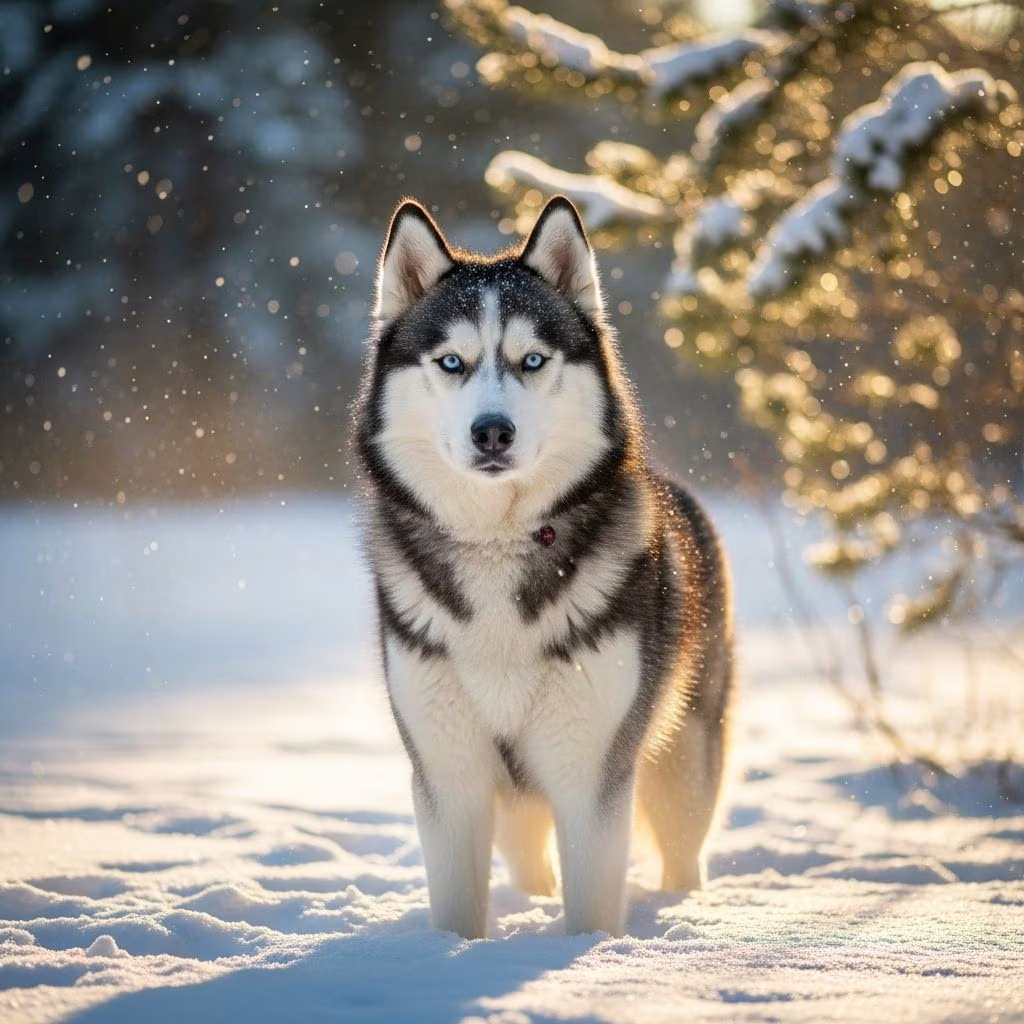
The Siberian Husky stands out as a captivating breed, renowned for its endurance, striking appearance, and spirited personality. Originating from the icy expanses of Siberia, these medium-sized working dogs have captivated hearts worldwide with their wolf-like allure and playful demeanor. Whether you’re considering adding one to your family or simply curious, this guide delves into their background, physical traits, behavior, care requirements, and more to help you understand what makes Huskies unique.
Origins and Historical Role
Siberian Huskies trace their roots to the Chukchi people of northeastern Siberia, who developed them around 3,000 years ago as efficient sled dogs for hauling light loads across vast frozen terrains. These dogs were bred for speed, stamina, and the ability to thrive on minimal food in extreme cold, often pulling sleds at moderate speeds over long distances in packs. Their compact build and thick double coat made them ideal for Arctic conditions, where temperatures could plummet to -50°C or lower.
In the early 20th century, Huskies gained fame in North America through grueling sled dog races and expeditions, including the famous 1925 serum run to Nome, Alaska, which solidified their reputation as heroic endurance athletes. Today, they compete in events like sledding and ski-joring while serving as beloved companions.
Physical Characteristics and Appearance
Siberian Huskies are medium-sized dogs, typically standing 20 to 23.5 inches tall at the shoulder and weighing 35 to 60 pounds, with males slightly larger than females. Their bodies are slightly longer than tall, featuring a level topline, straight neck, and a bushy tail carried in a sickle shape when alert or low when relaxed.
One of their most distinctive features is the dense double coat: a soft, insulating undercoat and a longer, straight guard hair outer coat that repels water and reflects heat. Coat colors vary widely from black and white to red, gray, or solid white, often with striking facial masks, spectacles, or saddle patterns. Eyes can be blue, brown, or heterochromatic (one of each), adding to their mesmerizing look. Erect triangular ears and a heavily furred tail, which they curl over their nose for warmth (known as the “Siberian swirl”), complete their Arctic-adapted physique.
| Trait | Males | Females |
|---|---|---|
| Height | 21-23.5 inches | 20-22 inches |
| Weight | 45-60 lbs | 35-50 lbs |
| Coat | Double, medium-length | Double, medium-length |
| Life Expectancy | 12-14 years | 12-14 years |
Temperament and Behavioral Traits
Huskies are outgoing, friendly, and gentle, often described as social butterflies who thrive on human interaction. They are affectionate with family, tolerant of children, and generally good with other dogs, especially those raised alongside them. However, their independent streak and high prey drive mean they may chase smaller animals like cats or rabbits if not properly socialized.
- Energetic and Adventurous: Bred to run, Huskies have boundless stamina and love outdoor activities like hiking or jogging.
- Mischievous Independent: Intelligent yet stubborn, they think for themselves and may test boundaries.
- Vocal but Not Barky: Famous for howling, mimicking sirens, or “talking,” rather than excessive barking.
- Escape Artists: Prone to digging, jumping fences, or chewing to explore.
Without sufficient exercise and mental stimulation, they can become destructive diggers, chewers, or howlers. They lack strong guarding instincts, making them poor watchdogs but excellent family pets for active households.
Training and Socialization Essentials
Early, consistent training is crucial for Huskies due to their smarts (ranked 77th in working/obedience intelligence by Stanley Coren) and willful nature. Positive reinforcement works best—use treats, praise, and short sessions to harness their eagerness to please while curbing independence.
Start socialization as puppies to expose them to people, dogs, and environments, reducing prey drive and boosting confidence. Leash training is vital to prevent bolting. They excel in agility, obedience, or canine sports but require firm, patient leadership.
- Puppy classes for foundational obedience.
- Daily mental challenges like puzzle toys.
- Crate training to combat separation anxiety.
- Secure fencing (at least 6 feet high, buried base) to contain their escape tendencies.
Grooming and Daily Care Routine
Their double coat sheds heavily twice a year (“blowing coat”) and moderately year-round, requiring weekly brushing with a pin brush or undercoat rake to manage fur and prevent matting. Bathe only when dirty, as their coat self-cleans. Check ears weekly, trim nails monthly, and brush teeth regularly.
In warm climates, provide shade, cool water, and avoid midday heat—their coat insulates but they dig cool dens instinctively. Daily exercise (1-2 hours) is non-negotiable: runs, hikes, or play to channel energy.
Nutrition and Feeding Guidelines
Feed high-quality, protein-rich food suited for active working breeds (25-30% protein). Puppies need three meals daily until 6 months, then twice daily for adults. Portion based on weight/activity: 2-3 cups/day for a 50-lb Husky. Monitor for obesity, as they can gain weight if under-exercised.
- Fresh water always available.
- Avoid table scraps to prevent picky eating.
- Consult vets for breed-specific formulas.
Health Considerations and Common Issues
Huskies are generally hardy, with a lifespan of 12-14 years, but watch for genetic conditions. Regular vet check-ups, vaccinations, and parasite prevention are key.
| Common Health Issue | Symptoms | Prevention/Management |
|---|---|---|
| Hip Dysplasia | Limping, reluctance to exercise | X-rays, weight control, joint supplements |
| Cataracts | Cloudy eyes, vision loss | Early screening, antioxidant-rich diet |
| Hypothyroidism | Weight gain, lethargy | Blood tests, hormone therapy |
| Zinc Deficiency | Skin lesions, hair loss | Supplemented diet |
Annual eye/hip certifications from breeders reduce risks. Their cold tolerance is exceptional, but heat sensitivity demands caution.
Living Environment and Lifestyle Fit
Huskies suit active owners with yards or access to trails—not apartments, due to high energy. They love company and dislike isolation, potentially leading to vocal protests. Cold climates are ideal, but with care, they adapt elsewhere.
Ideal for runners, hikers, or families with older kids; less so for sedate homes or small pet households.
Frequently Asked Questions (FAQs)
Are Siberian Huskies good with kids?
Yes, their gentle, playful nature makes them excellent with children, though supervise due to high energy.
Do Huskies shed a lot?
Expect heavy seasonal shedding; regular brushing helps manage it.
Can Huskies live in hot climates?
They tolerate moderate warmth better than expected but need cooling strategies and avoid peak heat.
How much exercise do they need?
At least 60-120 minutes daily of vigorous activity.
Are they easy to train?
Intelligent but independent; consistency and positivity yield best results.
Choosing a Siberian Husky Puppy
Select from reputable breeders who health-test parents (OFA hips/eyes). Puppies should be socialized, vet-checked, and from lines free of merle patterns (linked to defects). Consider rescues for adults. Budget for food, grooming, training, and pet insurance.
References
- Siberian Husky Breed Guide: Characteristics, History & Care — Pawlicy Advisor. 2023-05-15. https://www.pawlicy.com/blog/siberian-husky-dog-breed/
- Siberian Husky Breed Guide | Characteristics & Care Information — HP Animal Hospital. 2024-02-10. https://www.hpanimalhospital.com/services/dogs/breeds/siberian-husky
- Siberian Husky Dog Breed – Hill’s Pet Nutrition — Hill’s Pet Nutrition. 2025-01-12. https://www.hillspet.com/dog-care/dog-breeds/siberian-husky
- Siberian Husky – Wikipedia — Wikipedia contributors. 2026-01-20. https://en.wikipedia.org/wiki/Siberian_Husky
- Siberian Husky Dog Breed Information – American Kennel Club — American Kennel Club. 2025-11-05. https://www.akc.org/dog-breeds/siberian-husky/
- Husky: Temperament, Lifespan, Grooming, Training | Petplan — Petplan. 2024-08-22. https://www.petplan.co.uk/dog-insurance/dog-breeds/husky.html



