

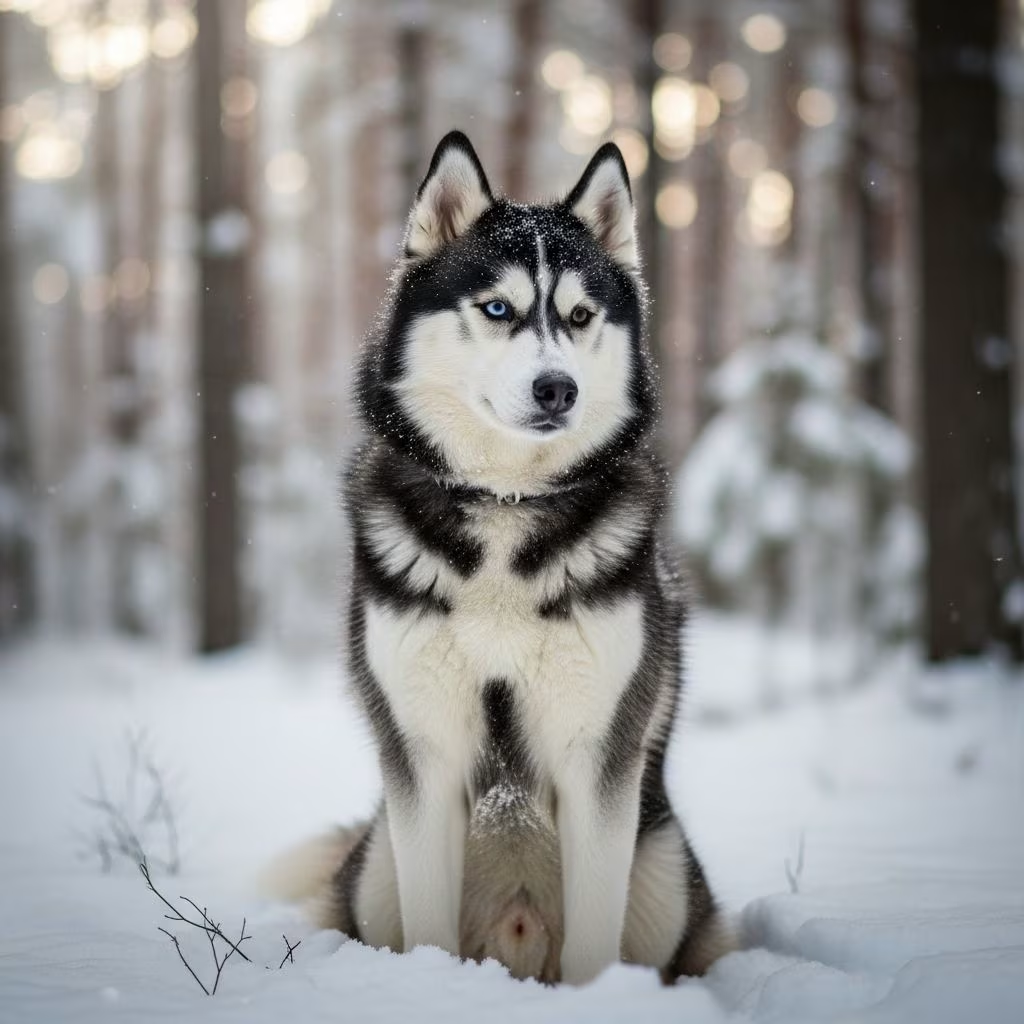
The Siberian Husky stands out as a captivating breed, renowned for its striking appearance, boundless energy, and deep-rooted history as an Arctic working dog. Originating from the harsh landscapes of Siberia, these medium-sized canines were bred for endurance and speed, making them ideal sled pullers for nomadic tribes. Today, they transition seamlessly into family roles, provided their high activity levels are met. This guide delves into their background, physical attributes, behavior patterns, maintenance requirements, wellness concerns, and practical advice for prospective owners.
Ancient Roots in the Frozen North
Siberian Huskies trace their lineage to the Chukchi people of northeastern Siberia, a semi-nomadic group who depended on these dogs for survival in extreme cold. Developing over thousands of years, the breed emerged as a primitive type, optimized for pulling light sleds across vast icy terrains while conserving energy in sub-zero conditions. Genetic studies link modern Huskies to ancient East Siberian dogs, with lineages exceeding 9,500 years, highlighting their status as one of the oldest working breeds.
These dogs facilitated hunting, fishing, and trade expeditions, enabling the Chukchi to traverse treacherous landscapes efficiently. Unlike bulkier breeds, Huskies prioritized speed and stamina over raw power, allowing teams to cover long distances daily. Russian expansion into Alaska in the early 1900s introduced them to North America, where their prowess shone during the Alaskan Gold Rush and pivotal events like the 1925 Serum Run to Nome. In this life-saving relay, dogs led by mushers such as Leonhard Seppala delivered antitoxin serum through blizzards, with Togo covering the longest stretch of 261 miles, cementing the breed’s heroic legacy.
By 1930, the American Kennel Club (AKC) officially recognized the Siberian Husky, distinguishing it from larger relatives like the Alaskan Malamute. The Siberian Husky Club of America formed in 1938, further standardizing the breed for racing and companionship. Their adaptability propelled them from utilitarian tools to celebrated racers in events like the Yukon Quest, where enthusiasts like George Cook tested their limits in minus-60-degree conditions.
Distinctive Physical Features
Siberian Huskies embody Arctic efficiency with a compact, athletic build suited for endurance. Males typically stand 21 inches at the shoulder and weigh 45-60 pounds, while females measure 20 inches and 35-50 pounds. Their well-muscled frames feature a level topline, straight legs, and oval paws designed for snow traction, often described as ‘snowshoe’ feet.
The hallmark double coat consists of a dense, insulating undercoat and a straight, smooth outer guard hair that repels moisture. Colors vary widely—black and white, red, sable, or silver—often with distinctive facial masks, including spectacles around piercing almond-shaped eyes in blue, brown, or heterochromia (one of each color). Erect triangular ears enhance their alert expression, and bushy tails curl over the back when at rest. This coat sheds heavily twice yearly in ‘coat blows,’ requiring diligent grooming to manage.
| Trait | Male | Female |
|---|---|---|
| Height | 21 inches | 20 inches |
| Weight | 45-60 lbs | 35-50 lbs |
| Coat | Double, medium length | Double, medium length |
| Eye Color | Blue, brown, bi-eyed | Blue, brown, bi-eyed |
This table summarizes key size metrics, underscoring their medium stature compared to heftier northern breeds.
Personality and Behavioral Traits
Siberian Huskies exude a friendly, outgoing demeanor, often gentle with strangers and other animals, lacking the guarding instincts of many breeds. Their intelligence shines in problem-solving, but Stanley Coren’s rankings place them 77th in working/obedience intelligence due to independence, which can mimic stubbornness during training. High energy demands stem from their heritage; without outlets, they may vocalize (howl rather than bark), dig, or escape enclosures.
- Mischievous and Engaging: Known for playful antics and strong pack bonds, thriving in multi-dog homes.
- Affectionate Yet Independent: Forms deep family ties but retains a free-spirited nature.
- Active and Resilient: Excels in cold but tolerates moderate warmth with care.
- Social: Poorly suited for isolation; separation anxiety can emerge.
Genetic studies note associations with impulsivity and high activity, reinforcing the need for structured environments. They integrate well with children and seniors if exercise needs are fulfilled, displaying patience during play.
Grooming and Everyday Maintenance
Maintaining a Husky’s coat requires weekly brushing with a pin brush or undercoat rake, intensifying during shedding seasons to prevent matting and reduce loose fur. Bathe sparingly—every 4-6 weeks with dog-specific shampoo—to preserve natural oils. Check ears weekly for wax buildup, trim nails monthly, and brush teeth several times weekly to avert dental issues.
Secure fencing is crucial; Huskies are adept escape artists, often scaling 6-foot barriers or digging under. Provide puzzle toys and long walks to channel their curiosity. Nutrition favors high-protein kibble supporting active lifestyles, portioned to 2-3 cups daily split into meals, adjusted for age and activity.
Exercise Demands for Optimal Health
These endurance athletes need 1-2 hours of vigorous daily exercise—running, hiking, or bikejoring—to prevent boredom-induced behaviors. Mental stimulation via agility, obedience classes, or scent work complements physical outlets. In hot climates, opt for early mornings or cooled indoor activities, as their coat impairs heat dissipation.
Puppy socialization from 8-16 weeks builds confidence, introducing varied environments gradually. Avoid intense exercise until growth plates close around 18 months to safeguard joints.
Health Considerations and Lifespan
Siberian Huskies boast a lifespan of 12-15 years, with fewer genetic predispositions than many breeds. Common concerns include:
- Hip Dysplasia: Screen via OFA or PennHIP evaluations.
- Eye Conditions: Progressive Retinal Atrophy (PRA) and cataracts; annual vet checks advised.
- Hypothyroidism: Monitored through bloodwork.
- Zinc-Responsive Dermatosis: Dietary management resolves skin issues.
Regular veterinary visits, vaccinations, flea/tick preventives, and spay/neuter discussions ensure longevity. Reputable breeders provide health clearances.
Training Strategies for Success
Positive reinforcement—treats, praise, toys—yields best results, as Huskies respond poorly to harsh corrections. Begin with basic cues like sit, stay, and recall in distraction-free settings, progressing to real-world scenarios. Consistency across family members prevents confusion. Harness training for walks curbs pulling instincts honed from sled work.
Addressing howling or digging involves redirection to acceptable outlets, like designated dig pits. Crate training aids housebreaking and alone-time acclimation.
Finding the Right Family Dynamic
Huskies flourish in active households with space for running—suburban yards or rural settings ideal. They suit families with experienced owners who commit to exercise routines. Multi-pet homes work if introductions are supervised; their prey drive warrants caution around small animals.
Apartments pose challenges unless owners provide ample off-leash time. Children benefit from teaching gentle handling, given the breed’s playful exuberance. Adopting from rescues like Siberian Husky Club affiliates connects owners with vetted dogs.
Frequently Asked Questions
Are Siberian Huskies good for first-time owners?
No, their high energy and independence demand experienced handling to avoid behavioral issues.
Do Huskies shed a lot?
Yes, expect substantial shedding twice yearly; regular brushing minimizes indoor fur.
Can Huskies tolerate hot weather?
Limited; provide shade, water, and avoid midday heat to prevent overheating.
How much exercise does a Husky need?
At least 60-120 minutes daily of intense activity to maintain physical and mental health.
Are Huskies aggressive?
Rarely; they are friendly but require socialization to ensure balanced interactions.
References
- Siberian Husky History: From Arctic Protector to Active Companion — American Kennel Club. 2023. https://www.akc.org/expert-advice/dog-breeds/siberian-husky-history/
- Siberian Husky — Wikipedia. 2026-01-28. https://en.wikipedia.org/wiki/Siberian_Husky
- Siberian Husky History — Siberian Husky Club of America, Inc. 2023. https://www.shca.org/siberian-husky-history
- Siberian Husky Breed Guide: History, Traits, Personality & Lifespan — Independence Veterinary Clinic. 2024. https://independenceveterinaryclinic.com/siberian-husky-breed-overview/
- Siberian Husky Facts – Dog Breeds — Wisdom Panel. 2024. https://www.wisdompanel.com/en-us/dog-breeds/siberian-husky



