

Siberian Husky: A Complete Breed Guide
The Siberian Husky is one of the most distinctive and recognizable dog breeds in the world. Originally bred as sled dogs in Siberia, these magnificent animals have captured the hearts of dog enthusiasts worldwide. With their striking appearance, energetic personality, and loyal nature, Siberian Huskies make wonderful companions for active families and experienced dog owners. However, they require specific care, training, and understanding to thrive in a home environment.
Breed History and Origin
The Siberian Husky traces its roots back to northeastern Siberia, where the Chukchi people bred these dogs for thousands of years. These hardy animals were developed to pull sleds across vast frozen landscapes while enduring extreme cold and harsh weather conditions. The breed’s exceptional endurance, strength, and pack mentality made them invaluable working dogs. In the early 20th century, Siberian Huskies gained international recognition when they were imported to Alaska for sled dog racing. The breed was officially recognized by the American Kennel Club in 1930 as a member of the working group and has since become one of the most popular dog breeds globally.
Physical Characteristics and Appearance
Siberian Huskies are medium-sized dogs with a graceful and athletic build. They typically stand between 20 to 23.5 inches tall and weigh between 35 to 60 pounds, making them considerably smaller than their close relatives, the Alaskan Malamutes. These dogs are slightly longer than they are tall, creating a well-proportioned silhouette.
Distinctive Features
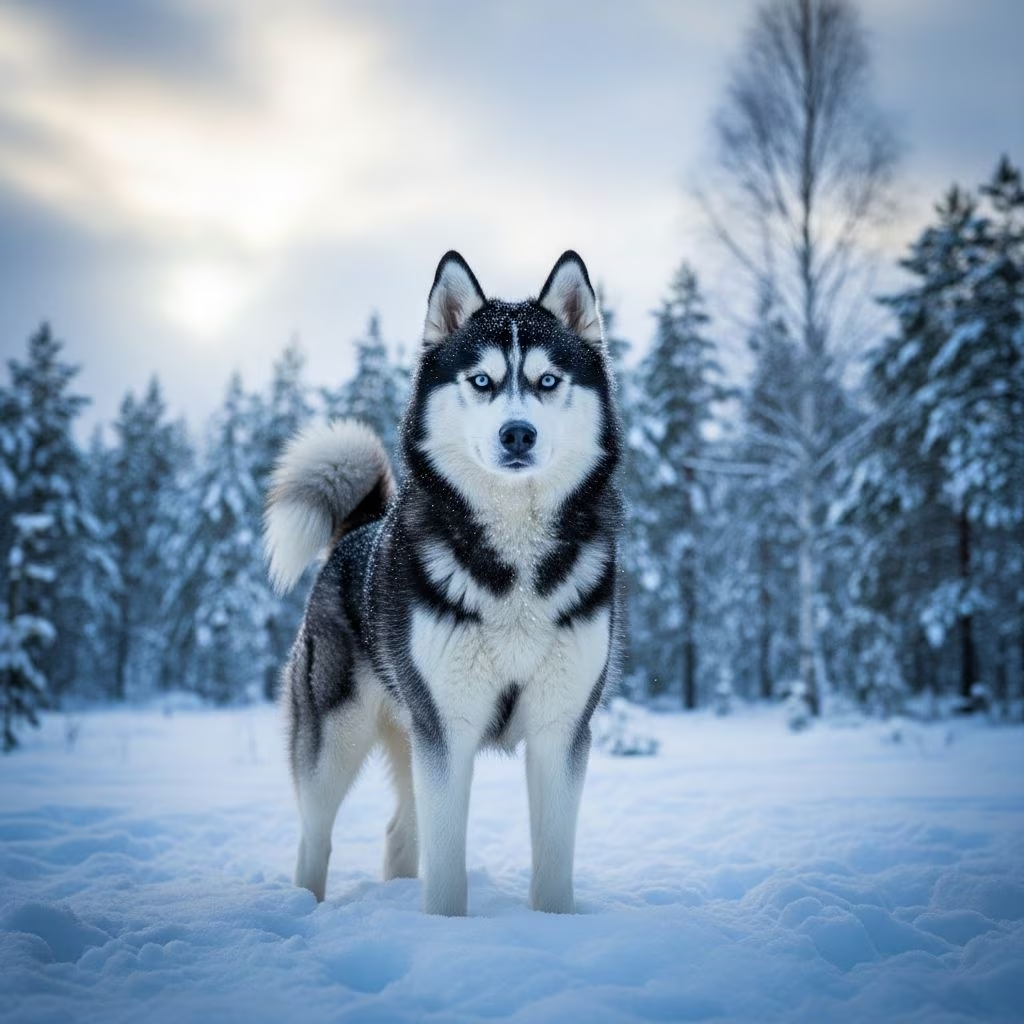
One of the most striking aspects of the Siberian Husky is their facial structure. They possess erect, triangular ears that stand alert atop their head, and almond-shaped eyes that can be brown, blue, or even one of each color—a phenomenon called heterochromia that adds to their captivating appearance. Their nose varies in color depending on their coat: black in gray dogs, tan in black dogs, liver in copper-colored dogs, and possibly light tan in white dogs. Some Huskies exhibit what is known as “snow nose” or “winter nose,” a condition called hypopigmentation that occurs during winter months and is completely normal.
The Siberian Husky’s coat is one of its most recognizable features. They possess a thickly furred double coat that is dense and plush, with plenty of undercoat. The coat can range from black to white and everything in between, with most dogs displaying white markings, particularly on the chest and legs. The breed often displays head markings that resemble a cap, mask, or spectacles, adding to their distinctive appearance. A small ruff is typically found around the neck, but fringes on the legs or tail are minimal.
The tail is heavily furred and carried in a sickle shape when the dog is excited or interested. Interestingly, Siberian Huskies often curl up with their tails over their faces and noses when sleeping to provide additional warmth, a behavior frequently referred to as the “Siberian Swirl.”
Temperament and Personality
Understanding the Siberian Husky’s temperament is crucial for anyone considering this breed as a pet. These dogs are known for their friendly, intelligent, and sometimes independent nature. They are social butterflies filled with cheer and an outgoing disposition, making them excellent companions for families and active individuals.
Key Personality Traits
Siberian Huskies are incredibly good-natured, gentle, and sensitive dogs. They thrive on human company and are eager to please their owners, though they maintain a strong independent streak. The breed is playful and mischievous, always ready for adventure and exploration. They possess a keen eye for adventure and are enthusiastic travel companions on hiking trips or leisurely walks in the park.
These dogs get along fairly well with other dogs and pets, especially if they are raised together from a young age. They tend to be friendly toward people of all ages, including children, and are known for their outgoing nature toward strangers. However, because of their friendly and trusting nature, Siberian Huskies do not make good guard dogs. They are more likely to invite strangers into your home with open paws and enthusiastic greetings than to warn you of potential dangers.
Vocalization and Communication
While Siberian Huskies do not tend to bark much as a rule, they are far from quiet dogs. They are known for their distinctive howling and will emit a wide variety of “woos,” chirps, and howls. They can mimic high-frequency noises such as ambulance sirens and even human speech. This vocalization tendency means that Huskies left alone too much may give their neighbors a “lovely howling concert.”
Exercise and Activity Requirements
One of the most important aspects of Husky ownership is understanding their extraordinary exercise needs. These are dogs bred to run, and their love of running may overcome their love for their guardians at times. Without proper exercise and mental stimulation, Siberian Huskies can become bored, anxious, and destructive.
Daily Exercise Needs
Siberian Huskies require substantial daily exercise to keep them happy and healthy. A minimum of 1.5 hours of vigorous daily walks is recommended, along with running, jumping, and play sessions. These athletic dogs have a strong zest for life and are frequently on the go. They enjoy playing chasing games and are always ready to explore new environments. Many Huskies excel at activities such as sledding, ski-joring, and agility competitions.
Without adequate exercise, Siberian Huskies can become diggers and chewers, destructive in your home, and generally anxious. They are known for their ability to escape from insecure areas and will attempt to dig under, chew through, or even jump over fences if they are not properly contained and exercised.
Training and Socialization
Training a Siberian Husky requires patience, consistency, and understanding of their independent nature. While these dogs are intelligent and clever, they are not always easy to train. They possess a wonderful independent spirit and should not be shocked, choked, or physically dominated into submission.
Positive Training Methods
Early positive training and socialization are important for the Siberian Husky to focus on people. These dogs respond well to reward-based training methods and are highly motivated by positive reinforcement. Huskies are never hand-shy and love being with people when trained with kindness and consistency. Bite inhibition training is particularly important, as these dogs can get impatient about food and may become overzealous when taking food from your hand.
Siberian Huskies are eager to please but possess a free spirit that requires firm, gentle leadership. They need consistent boundaries and early socialization to bring out their best traits. Without proper training and leadership, their independent thinking can lead to behavioral challenges.
Prey Drive and Behavioral Considerations
Siberian Huskies have a very high prey drive, which is an important consideration for potential owners. They possess a strong instinct to chase and hunt, meaning they may not be suitable for homes with cats or small dogs. This high prey drive also means that Huskies are very athletic and can cover large distances in a fairly short amount of time, making secure fencing and careful supervision essential.
These dogs also have a tendency to dig, particularly in warm weather, as they like to create cool places to lie down. They may attempt to escape if given the opportunity and require secure, well-maintained fencing or enclosures.
Grooming and Coat Maintenance
The Siberian Husky’s beautiful double coat requires regular grooming to keep it healthy and manage shedding. These dogs are naturally fastidious and take pride in their appearance. Regular brushing helps remove loose undercoat and prevents matting. During shedding season, which typically occurs twice a year, grooming sessions become even more important.
Siberian Huskies are generally healthy dogs with relatively few grooming demands beyond regular brushing. Their coat naturally repels dirt and odors, reducing the need for frequent bathing. Nail trimming, ear cleaning, and dental care should be incorporated into a regular grooming routine.
Health and Lifespan
Siberian Huskies are generally healthy dogs with good genetic diversity. The breed typically lives between 12 to 15 years, which is a respectable lifespan for a medium-sized dog. Like all breeds, they can be prone to certain health conditions, including hip dysplasia and eye problems. Regular veterinary check-ups, a balanced diet, and adequate exercise contribute to maintaining optimal health throughout their lifetime.
Suitability as Family Pets
Siberian Huskies can make wonderful family pets for the right owners. They are naturally accommodating and enjoy the energy that children bring. However, because of their size and strength, they are too independent and strong to be ideal walking companions for young children or seniors. Constant supervision is recommended when Huskies interact with small children.
These dogs require owners who understand their needs for exercise, mental stimulation, and consistent training. They are not suitable for sedentary lifestyles or apartment living without significant outdoor access. Siberian Huskies thrive in active households where they can participate in family activities and adventures.
Is a Siberian Husky Right for You?
Siberian Huskies are a significant commitment. They require dedicated owners who can provide substantial exercise, consistent training, and genuine companionship. These dogs are not suitable for everyone, but for active families and individuals who understand and appreciate their unique characteristics, they can be loyal, loving, and endlessly entertaining companions. Their combination of intelligence, beauty, and spirited personality makes them one of the most rewarding dog breeds to own—for those prepared to meet their considerable needs.
Frequently Asked Questions (FAQs)
Q: How much exercise does a Siberian Husky need daily?
A: Siberian Huskies require at least 1.5 hours of vigorous daily exercise, including walks, runs, and play sessions. These energetic dogs need substantial activity to stay happy and prevent destructive behavior.
Q: Are Siberian Huskies good with children?
A: Yes, Siberian Huskies are naturally accommodating with children and enjoy the energy kids bring. However, due to their size and strength, they are not suitable as companions for very young children or seniors without supervision.
Q: Do Siberian Huskies make good guard dogs?
A: No, Siberian Huskies do not make good guard dogs. Their friendly and trusting nature means they are more likely to greet strangers warmly than alert their owners to danger.
Q: Why do Siberian Huskies howl?
A: Siberian Huskies are vocal dogs that howl instead of bark. They can mimic high-frequency noises and human speech, making them naturally talkative companions.
Q: Can Siberian Huskies live in apartments?
A: Siberian Huskies are not well-suited to apartment living without significant outdoor access. They require substantial exercise and space to run and explore.
Q: How long do Siberian Huskies live?
A: Siberian Huskies typically live between 12 to 15 years with proper care, nutrition, and regular veterinary attention.
Q: What is “snow nose” in Siberian Huskies?
A: “Snow nose” or “winter nose” is a condition called hypopigmentation where the nose becomes lighter in color during winter months. This is completely normal and acceptable in the show ring.
Q: Are Siberian Huskies good with other pets?
A: Siberian Huskies generally get along well with other dogs, especially those they are raised with. However, their high prey drive means they may chase cats and smaller animals.
References
- Siberian Husky — Encyclopædia Britannica. Accessed November 2025. https://www.britannica.com/animal/Siberian-husky
- Siberian Husky Dog Breed Information — American Kennel Club. Accessed November 2025. https://www.akc.org/dog-breeds/siberian-husky/
- Siberian Husky Dog Breed — Hill’s Pet Nutrition. Accessed November 2025. https://www.hillspet.com/dog-care/dog-breeds/siberian-husky
- Siberian Husky — Wikipedia. Last updated November 2025. https://en.wikipedia.org/wiki/Siberian_Husky
- Siberian Huskies Breed Guide: Characteristics & Care Information — Countryside Veterinary Clinic. Accessed November 2025. https://www.countrysideveterinaryclinic.org/services/dogs/breeds/siberian-husky



