

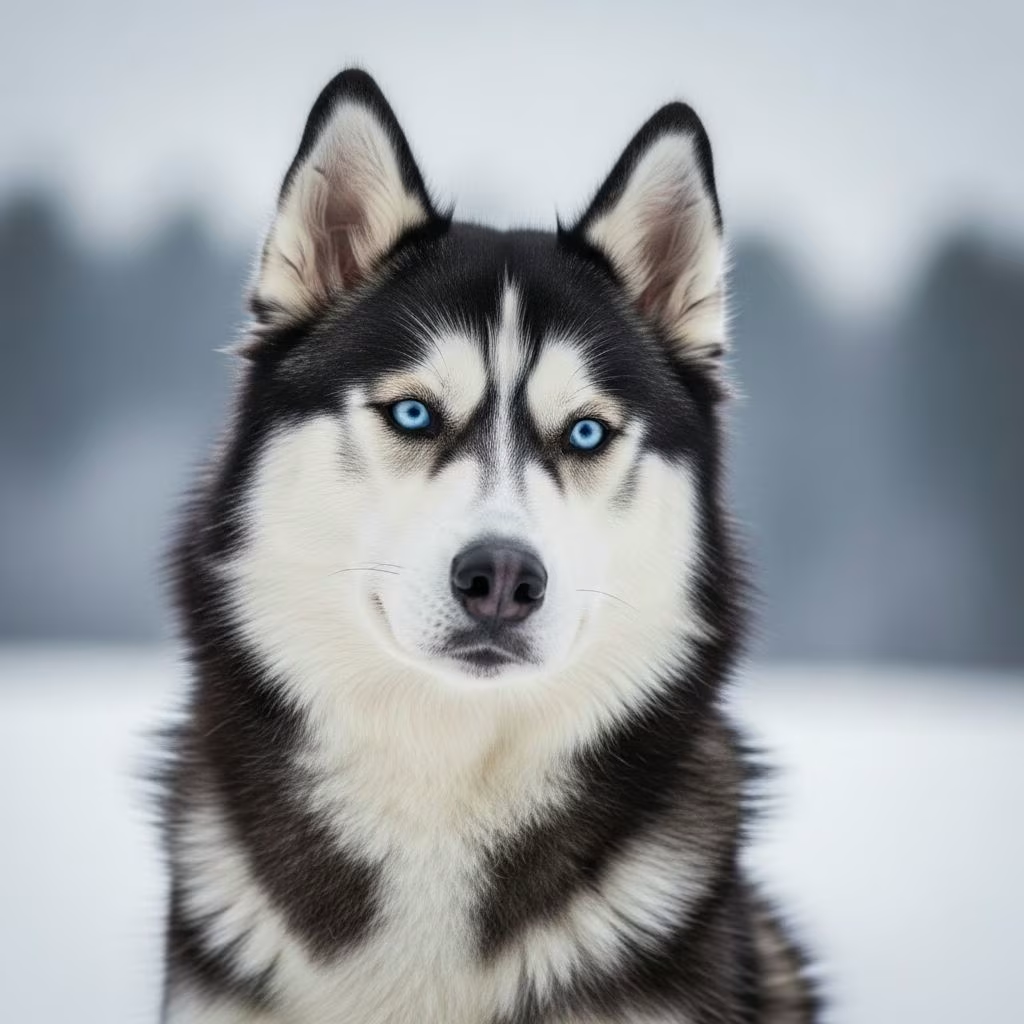
Siberian Husky Breed Overview
The Siberian Husky is a thickly coated, compact sled dog of medium size and great endurance that was originally developed to work in packs, pulling light loads at moderate speeds over vast frozen expanses. This northern breed is recognizable by its distinctive appearance, friendly demeanor, and energetic personality. Standing 20 to 23.5 inches tall and weighing 35 to 60 pounds, the Siberian Husky is a beautiful and athletic dog that has captured the hearts of dog enthusiasts worldwide. These dogs possess a remarkable combination of strength, intelligence, and affection, making them fascinating companions for the right households.
Physical Characteristics and Appearance
The Siberian Husky is instantly recognizable by several distinctive physical features that set it apart from other dog breeds. The breed exhibits a thickly furred double coat with plenty of undercoat, providing excellent insulation in cold climates. Their most striking features include erect triangular ears, distinctive eye markings, and a heavily furred tail that is often carried in a sickle shape when the dog is excited or interested.
One unique characteristic of the Siberian Husky is their remarkable eye coloration. These dogs can have brown eyes, blue eyes, or even one eye of each color, making each husky visually distinctive. Their nose coloring varies depending on their coat color: black in gray dogs, tan in black dogs, liver in copper-colored dogs, and light tan in white dogs. Some huskies exhibit what is known as “snow nose” or “winter nose,” a condition called hypopigmentation that is considered acceptable in show rings.
The Siberian Husky’s tail serves an important purpose beyond aesthetics. These dogs often curl up with their tails over their faces and noses to provide additional warmth during sleep, a behavior referred to as the “Siberian Swirl.” The tail is heavily furred and expressive, held low when the dog is relaxed and curved upward in a sickle shape when excited.
Temperament and Personality
The Siberian Husky is renowned for its friendly, gentle, and good-natured disposition. These dogs are social butterflies with outgoing personalities that make them excellent companions for active families. They possess an incredible affinity for people and genuinely enjoy human company, thriving on interaction and attention from their owners.
However, the Siberian Husky’s personality is not one-dimensional. While these dogs are eager to please, they also possess a notable independent streak and free spirit. This independence, though charming, means that huskies require consistent leadership and early socialization to bring out their best traits. They are intelligent dogs that respond well to reward-based training methods, but they will not tolerate harsh corrections or physical domination.
One distinguishing characteristic of huskies is their tendency to howl rather than bark. These vocal dogs are known to mimic high-frequency noises such as ambulance sirens and even human speech, providing their owners with endless entertainment. When left alone too much, they can be prone to giving neighbors “a lovely howling concert.”
The American Kennel Club classifies the breed as good with children, and huskies are naturally accommodating and enjoy the energy that kids bring to their lives. Their playful nature and sense of humor make them wonderful family companions when properly trained and socialized.
Energy Levels and Exercise Requirements
Siberian Huskies are undeniably athletic dogs with a strong zest for life. These dogs were bred to run, and their love of running may overcome their love for their guardians at times, making them notorious escape artists that can dig under, chew through, or even jump over fences. They require extensive daily exercise to maintain their physical and mental well-being.
A typical husky owner should expect to provide at least 1.5 hours of daily walks and vigorous exercise sessions. Without adequate physical activity, these dogs can become bored, anxious, and destructive, engaging in excessive digging and chewing. They thrive on having a job to do, whether it is jogging with their owners, participating in sledding, or engaging in interactive play sessions.
Huskies enjoy various outdoor activities and are enthusiastic travel companions for hiking trips, leisurely walks in the park, and other adventures. Their keen eye for adventure and boundless energy make them ideal companions for active individuals and families who can commit to providing substantial daily exercise and mental stimulation.
Prey Drive and Compatibility with Other Animals
One of the most important considerations for potential husky owners is the breed’s very high prey drive. Siberian Huskies are very athletic and can cover large distances in a fairly short amount of time, which combined with their strong hunting instinct creates a significant challenge when it comes to living with smaller animals.
High prey drive means that a husky will have a strong instinct to chase and hunt cats, small dogs, and other small pets. While most Siberian Huskies are good with other dogs, especially ones they are raised with, their tendency to chase smaller animals can be problematic in multi-pet households. Careful supervision and early socialization are essential if you plan to keep a husky with cats or small dogs.
These dogs are not recommended to be trusted off-leash in unsecured areas, as their prey drive and desire to explore may override training and recall commands. Owners must provide secure, fenced yards and consistent oversight when huskies are interacting with smaller animals.
Training and Socialization
Early positive training and socialization are critically important for Siberian Huskies to develop into well-behaved companions. These intelligent dogs respond best to reward-based training methods and consistency, rather than harsh corrections or physical domination, which they naturally resist due to their independent spirit.
While huskies are clever and capable learners, they ranked only 77th out of 138 compared breeds for intelligence according to canine psychologist Stanley Coren, though it should be noted that this ranking focused specifically on “Working and Obedience Intelligence” and trainability rather than overall intelligence. Their independent nature means they may seem stubborn or unmotivated if handlers do not understand their learning style.
Reward-based training methods are consistently effective with huskies, as they are motivated by positive reinforcement and enjoy working for their food and treats. Many experienced husky owners recommend having their dogs work for all of their food through obedience exercises, grooming sessions, play sessions, or interactive food toys. Bite inhibition training is also a must for this breed, as they can get impatient about food and may get slightly overzealous when taking food from your hand.
Grooming and Coat Maintenance
The Siberian Husky’s beautiful double coat requires regular maintenance to keep it healthy and manageable. These dogs have a very dense, plush coat with plenty of undercoat, and a small ruff is found around the neck, but there are no long fringes on the legs or tail. Their coat color ranges from black to white and everything in-between, with most dogs displaying white markings, particularly on the chest and legs.
Regular brushing is essential to manage shedding and prevent matting. The breed is known to shed considerably, especially during seasonal coat blows when they shed their undercoat. Owners should be prepared for regular grooming sessions and significant amounts of loose hair during these periods.
Living Conditions and Behavioral Challenges
Siberian Huskies are a big-time commitment that requires substantial dedication from their owners. These very energetic and affectionate dogs like being with people and need something to do at all times. Otherwise, they will get bored and get into multiple kinds of trouble. When bored, huskies may chew, dig, and escape to look for adventure elsewhere.
These dogs are prone to digging, particularly in warm weather because they like to create cool places to lie in. Owners should expect damage to their yards if proper outlets for digging are not provided. Some huskies will attempt to roam or escape if given the chance, displaying their characteristic independence and desire for adventure.
Importantly, Siberian Huskies are not effective guard dogs despite their wolf-like appearance. In truth, a husky is more likely to invite strangers into your home with open paws and give them many licks. While they may sometimes make a fuss when people are at the door, it is out of excitement rather than a warning cry. These naturally trusting dogs will happily follow anyone home as long as they have some food to offer.
Suitability for Different Households
Siberian Huskies can be great family dogs if properly trained and their needs are met. They are naturally accommodating and enjoy the energy that children bring, making them suitable companions for active families with older children. Their playful nature and sense of humor make them wonderful household members for people who understand the breed’s requirements.
However, the breed is not suitable for all households. Owners must have the time, energy, and resources to provide extensive daily exercise, mental stimulation, and consistent training. Apartment dwellers and sedentary individuals may find the breed’s energy levels and exercise requirements challenging to manage.
The trusting nature of Siberian Huskies makes it relatively easy to find caretakers for them when owners get busy or need to leave on emergencies or vacations, as the dogs generally welcome new people and adapt well to temporary changes in their routine.
Health and Lifespan
While specific health information varies by individual dog, Siberian Huskies are generally considered a relatively healthy breed. Regular veterinary care, proper nutrition, and adequate exercise contribute to their overall well-being and longevity. Potential owners should work with reputable breeders who conduct appropriate health screenings on their breeding stock to minimize the risk of hereditary health conditions.
Frequently Asked Questions
Q: How much exercise does a Siberian Husky need?
A: Siberian Huskies require a minimum of 1.5 hours of daily vigorous exercise, including long walks, runs, and mental stimulation through interactive play and training sessions. Without adequate exercise, they can become bored, anxious, and destructive.
Q: Are Siberian Huskies good family dogs?
A: Yes, Siberian Huskies can be excellent family dogs when properly trained and socialized. They are naturally gentle, good-natured, and enjoy the energy that children bring. However, they require committed owners who can provide substantial daily exercise and attention.
Q: Can Siberian Huskies live with cats and small dogs?
A: Siberian Huskies have very high prey drive and may chase cats and small dogs. While they are generally good with other dogs they are raised with, careful supervision and early socialization are essential if living with smaller animals.
Q: Do Siberian Huskies bark a lot?
A: Siberian Huskies do not tend to bark as a rule, but they do howl frequently and are known to mimic high-frequency noises such as ambulance sirens. They may also give a “howling concert” if left alone too much.
Q: Are Siberian Huskies good guard dogs?
A: No, Siberian Huskies are not suitable guard dogs. Despite their wolf-like appearance, they are naturally trusting and friendly with strangers, making them more likely to invite unfamiliar people into your home rather than protect it.
Q: What training methods work best for Siberian Huskies?
A: Siberian Huskies respond best to reward-based training methods and consistency. They will not tolerate harsh corrections or physical domination due to their independent spirit. Positive reinforcement through treats and praise is highly effective.
Q: How much grooming do Siberian Huskies require?
A: Siberian Huskies have a dense double coat that sheds considerably, especially during seasonal coat blows. Regular brushing is essential to manage shedding and maintain coat health. Owners should be prepared for significant grooming maintenance and loose hair throughout the year.
Q: Are Siberian Huskies prone to escaping?
A: Yes, Siberian Huskies are known as escape artists and may dig under, chew through, or jump over fences. They require secure, fenced yards and should not be trusted off-leash in unsecured areas.
References
- The Siberian Husky Breed – Good and Bad — Shiba Shake. https://shibashake.com/dog/the-siberian-husky-breed-good-bad/
- Siberian Husky Dog Breed — Hill’s Pet Nutrition. https://www.hillspet.com/dog-care/dog-breeds/siberian-husky
- Siberian Husky — Wikipedia. https://en.wikipedia.org/wiki/Siberian_Husky
- Siberian Husky Breed Guide: Characteristics & Care Information — Countryside Veterinary Clinic. https://www.countrysideveterinaryclinic.org/services/dogs/breeds/siberian-husky
- Siberian Husky Dog Breed Information — American Kennel Club. https://www.akc.org/dog-breeds/siberian-husky/



