

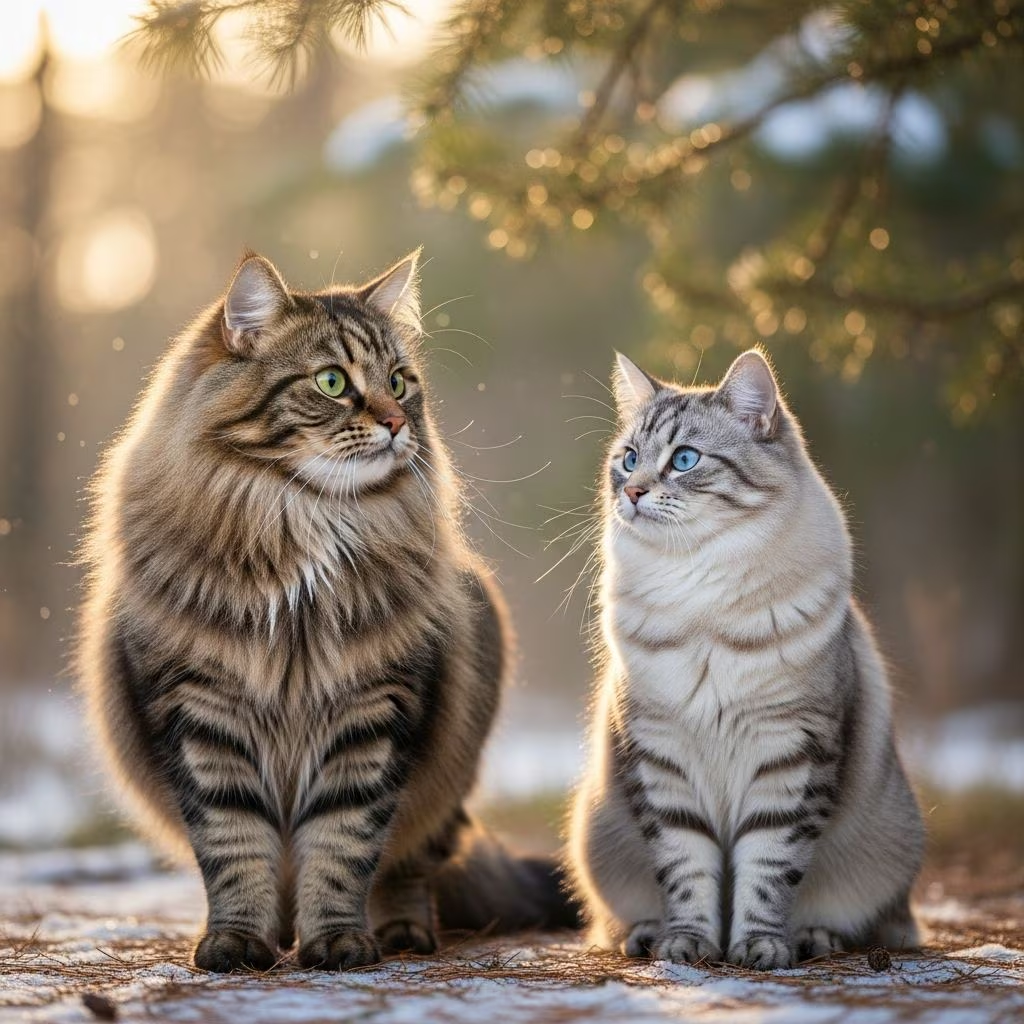
The Siberian cat, often celebrated for its majestic appearance and adaptable nature, showcases intriguing variations between males and females. These natural differences influence everything from physical presence to daily interactions, helping prospective owners make informed choices.
Origins and Breed Characteristics
Siberian cats trace their roots to the rugged forests of Russia, evolving as a landrace breed through natural adaptation to harsh climates. Their triple-layered coat—featuring water-repellent guard hairs, wavy awn hairs, and a dense undercoat—provides exceptional protection against cold and moisture. This semi-longhair breed typically reaches full maturity around five years, with males generally larger and more robust than females.
Males often weigh between 15-25 pounds, displaying a stocky, muscular frame ideal for their hunter heritage, while females range from 12-20 pounds, maintaining a slightly more delicate yet powerful build. Both genders exhibit rounded heads, large expressive eyes in shades of green or gold, and tufted ears, but males’ broader skulls and thicker necks accentuate their imposing stature.
Physical Build and Size Variations
One of the most noticeable disparities lies in physique. Male Siberians boast substantial bone structure and powerful hindquarters, enabling exceptional jumping ability and agility despite their size. Their barrel-shaped torsos and slightly longer hind legs create a distinctive arched posture, reminiscent of athletic prowess.
| Attribute | Male Siberian | Female Siberian |
|---|---|---|
| Weight Range | 15-25 lbs | 12-20 lbs |
| Body Type | Broad, muscular, heavy-boned | Stocky but more refined |
| Height at Shoulder | 11-12 inches | 10-11 inches |
| Tail Length | Medium, bushy | Medium, proportionally bushy |
Females, while sharing the breed’s athleticism, tend toward a more compact form, which can make them appear nimbler in tight spaces. Both have large, rounded paws with desirable toe tufts, aiding in snow traversal—a nod to their forest origins.
Temperament Contrasts
Siberians are renowned for dog-like loyalty and sociability, eagerly greeting owners and thriving in family settings. Males often display bolder curiosity, actively investigating surroundings and engaging in playful chases or fetch games well into adulthood. Their confident demeanor makes them excellent companions for active households with children or dogs.
- Males: More assertive explorers, vocal in expressing needs, and protective of their territory.
- Females: Gentler nurturers, selectively affectionate, preferring quiet bonding moments.
Females exhibit a calmer poise, often mediating household dynamics with subtle grace. They remain playful but prioritize lap time, making them ideal for calmer environments. Both genders learn commands quickly, understanding boundaries while testing limits with charming persistence.
Grooming Needs by Gender
The Siberian’s luxurious coat demands regular maintenance to prevent matting, but gender influences shedding intensity. Males’ thicker ruffs and britches shed more profusely during seasonal changes, requiring weekly brushing sessions of 15-20 minutes. Females have slightly less dense undercoats, easing grooming to bi-weekly routines.
Bathing is rare due to self-cleaning efficiency and water-resistant fur, though both enjoy water play. Males may track more debris from adventures, necessitating frequent paw checks.
Health Considerations for Males and Females
Siberians benefit from robust genetics, with hypertrophic cardiomyopathy (HCM) screening recommended for breeding stock. Males face marginally higher risks for urinary issues due to anatomy, benefiting from wet food diets and ample water sources. Females require monitoring during heat cycles if not spayed, potentially leading to mood shifts or vocalization.
Spaying/neutering mitigates many gender-specific health concerns, promoting longevity up to 15-18 years for both. Regular veterinary check-ups, dental care, and obesity prevention through portion control are essential, as males’ larger appetites can lead to weight gain.
Training and Activity Levels
Males channel high energy into structured play, excelling in puzzle toys and agility courses that mimic hunting. Females prefer interactive sessions with wand toys, fostering mental stimulation without overwhelming exertion. Both respond to positive reinforcement, mastering litter training and leash walking effortlessly.
Provide vertical spaces like cat trees for males’ climbing urges and cozy perches for females’ observation habits. Daily play of 20-30 minutes prevents boredom-related behaviors.
Family Compatibility
Males integrate seamlessly into multi-pet homes, often leading playgroups with gentle authority. Their size suits families with toddlers, offering sturdy cuddle partners. Females shine in solo or small-family setups, providing devoted companionship without demanding constant attention.
Both adore children, tolerating enthusiastic handling due to their patient nature.
Choosing Between Male or Female Siberian
Opt for a male if seeking a bold, adventurous partner for an energetic lifestyle. Females suit those desiring a serene, intuitive friend. Consider adoption from reputable breeders emphasizing health testing, or rescues for adult insights into temperament.
Frequently Asked Questions
Are male Siberians more affectionate than females?
Males tend to be more overtly demonstrative, following owners room-to-room, while females show affection through subtle gestures like slow blinks and purring proximity.
Do female Siberians make better lap cats?
Yes, females often prefer lounging on laps for extended periods, contrasting males’ brief, enthusiastic greetings.
How does neutering affect male Siberian behavior?
It reduces roaming tendencies and marking, enhancing their already sociable traits without diminishing playfulness.
Which gender sheds more?
Males typically shed heavier due to denser coats, peaking twice yearly.
Are Siberians good with other pets?
Both genders coexist well, with males sometimes asserting dominance initially.
Daily Care Tips
- Brush coats 2-3 times weekly, more for males in shedding season.
- Offer high-protein diets tailored to size and activity.
- Enrich environments with scratching posts and window perches.
- Schedule annual vet visits for vaccinations and HCM checks.
References
- Facts About Siberian Cats — ASPCA Pet Health Insurance. 2023-05-15. https://www.aspcapetinsurance.com/resources/siberian-cat-facts/
- Siberian Breed Standard — The Cat Fanciers’ Association. 2024-01-10. https://cfa.org/breed/siberian/
- About Siberians — Royal Grace Siberians. 2023-11-20. https://www.royalgracesiberians.com/about-1
- Personality of a Siberian — Krypto Siberians. 2024-02-05. https://www.kryptosiberians.com/info/personality-of-a-siberian
- Siberian Forest Cat Breed Information — Purina UK. 2023-09-12. https://www.purina.co.uk/find-a-pet/cat-breeds/siberian-forest



