

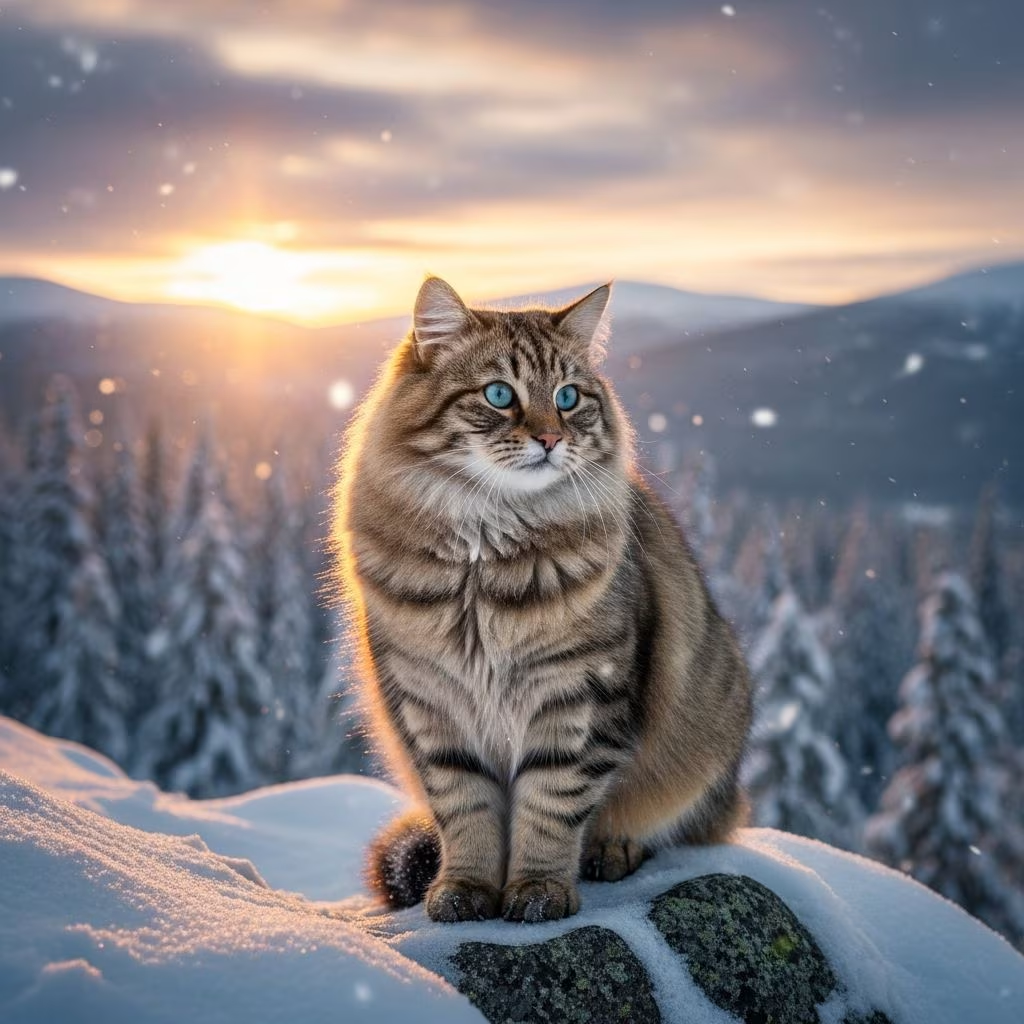
Siberian cats, known for their majestic triple coats and playful personalities, boast impressive lifespans often reaching 15 years or more with diligent care. However, like many purebred felines, they face specific genetic and lifestyle-related vulnerabilities that demand vigilant monitoring from owners.
Understanding Genetic Predispositions in Siberian Cats
Genetic factors play a pivotal role in the health profile of Siberian cats, stemming from selective breeding practices that prioritize aesthetics over certain disease resistances. While females tend to exhibit greater robustness, both genders require routine screenings to mitigate hereditary risks early. Key congenital concerns include cardiac abnormalities and renal disorders, which can remain subclinical for years before manifesting dramatically.
Cardiac Concerns: Hypertrophic Cardiomyopathy Explained
**Hypertrophic cardiomyopathy (HCM)** stands as the foremost genetic threat to Siberian cats, characterized by abnormal thickening of the heart muscle walls. This thickening impedes efficient blood pumping, elevating risks for thromboembolism, pulmonary edema, and sudden cardiac arrest—even in young kittens.
Symptoms often emerge subtly: lethargy, rapid breathing, diminished appetite, or fainting episodes signal advanced progression. Risk amplifies with age and male gender, though genetic screening via echocardiograms enables early intervention. Management hinges on beta-blockers, ACE inhibitors, and dietary sodium restriction to alleviate strain and forestall crises.
- Routine annual ultrasounds from kittenhood
- Low-sodium, taurine-rich diets
- Stress minimization through environmental enrichment
Renal Challenges: Polycystic Kidney Disease
Polycystic kidney disease (PKD) arises from a dominant genetic mutation, prompting fluid-filled cysts to proliferate within kidney tissue from birth. These cysts gradually impair filtration, culminating in chronic renal failure typically around age seven.
Owners should watch for polyuria, polydipsia, vomiting, and cachexia. Diagnosis combines ultrasound imaging, genetic tests, and serum creatinine assays. While incurable, progression slows via renal diets low in phosphorus, fluid therapy, and antihypertensives, potentially extending life by years. Breeding from PKD-negative lines via DNA testing curtails prevalence.
Dental and Oral Health Vulnerabilities
Siberian cats exhibit heightened susceptibility to **periodontal disease**, where plaque mineralizes into tartar, fostering bacterial invasion of gingival tissues. Untreated, this escalates to periodontitis, tooth resorption, and systemic dissemination affecting liver and kidneys. Breeds like Siberians, with dense fur and facial structures, face compounded risks from inadequate grooming.
Indicators include halitosis, gingival erythema, drooling, and masticatory reluctance. Prevention mandates daily toothbrushing with enzymatic pastes, dental diets, and biannual veterinary cleanings under anesthesia.
| Symptom | Action |
|---|---|
| Bad breath or drooling | Inspect gums; schedule vet exam |
| Red, bleeding gums | Initiate brushing routine |
| Appetite drop | X-rays for abscesses |
| Tooth loss | Extractions if needed |
Urinary System Disorders and Management
**Feline lower urinary tract disease (FLUTD)** plagues Siberians, encompassing idiopathic cystitis, urolithiasis, and crystalluria. Males suffer disproportionately due to narrower urethras, risking life-threatening obstructions.
Presenting signs: dysuria, hematuria, litter box avoidance, and vocalization. Triggers span stress, mineral-rich water, dry kibble dominance, and obesity. Mitigation strategies emphasize hydration promotion via fountains, wet food transitions, and urinary prescription formulas.
- Increase water intake: multiple bowls, flavored additives
- Diet: 70% moisture content minimum
- Stress reduction: pheromone diffusers, play therapy
Oncological Risks: Hereditary Cancer Insights
Hereditary cancers pose rarer yet notable threats, particularly in white Siberians tracing to lineages like Gesha Olenya Krasa, harboring oncogenes. These genetic markers heighten malignancy odds, though expression demands multifactorial triggers.
Vigilance centers on pedigree review and oncogene testing. Routine wellness exams detect lymph node enlargements or masses early. Supportive care includes nutrition optimized for immune function and chemotherapy for confirmed cases.
Lifestyle-Linked Conditions: Obesity and Beyond
Beyond genetics, sedentary indoor lifestyles precipitate **obesity**, intertwining with diabetes, osteoarthritis, and hepatic lipidosis. Siberians’ robust builds predispose overfeeding pitfalls, quadrupling diabetes susceptibility in overweight individuals.
Combating Obesity
Obese felines display rounded abdomens, spinal hollowing, and exercise aversion. Caloric control via measured portions, high-protein/low-carb feeds, and interactive toys counters this. Weekly weigh-ins track progress toward ideal body condition scores.
Diabetes Mellitus Prevention
Diabetes manifests via insulin dysregulation, yielding hyperglycemia. Predispositions: obesity, seniority, male sex, corticosteroid use. Hyperphagia juxtaposed with emaciation, polyuria, and polydipsia hallmark it.
Control demands insulin injections, glucometer monitoring, and carbohydrate-restricted diets. Prognosis brightens with prompt diagnosis.
| Condition | Risk Factors | Prevention |
|---|---|---|
| Obesity | Sedentary life, overfeeding | Portion control, play |
| Diabetes | Obesity, age, males | Lean weight, low-carb diet |
Allergies and Skin Conditions
Environmental or dietary allergens provoke pruritus, alopecia, and gastroenteritis in select Siberians. Hydrolyzed protein trials and hypoallergenic environs alleviate flares.
Proactive Wellness Strategies for Longevity
Holistic care fortifies resilience: species-appropriate raw or wet nutrition averts deficiencies fueling dental decay and urinary crystals. Annual bloodwork, cardiac ultrasounds, and urinalyses preempt crises.
- Nutrition: High-moisture, taurine-fortified, AAFCO-compliant
- Exercise: 30 minutes daily hunting simulations
- Vet Schedule: Kittens: quarterly; Adults: biannual
- Grooming: Weekly baths, daily brushing
Frequently Asked Questions (FAQs)
Are Siberian cats prone to heart problems?
Yes, HCM affects many, necessitating echocardiograms.
How do I prevent PKD in my Siberian?
Select breeders using genetic screening; test your cat early.
What causes urinary issues in Siberians?
Diet, stress, and genetics; prioritize hydration.
Can obesity lead to diabetes?
Absolutely—maintain ideal weight via diet control.
Is dental disease common?
Highly so; brush teeth daily.
References
- Common Siberian cat health issues and prevention methods — Untamed. 2023. https://untamed.com/blogs/cat-breeds/siberian-cat-health-issues
- Siberian Cat Health Problems: 5 Common Issues — Catster. 2024-01-15. https://www.catster.com/cat-health-care/siberian-cat-health-problems/
- Siberian Cat: Pet Profile — Dutch. 2023-11-20. https://www.dutch.com/blogs/cats/siberian
- Breed-related disease: Siberian cat — Bioguard Labs. 2024. https://www.bioguardlabs.com/breed-related-disease-siberian-cat/
- Siberian Cat Breed Health and Care — PetMD. 2025-05-10. https://www.petmd.com/cat/breeds/siberian
- Facts About Siberian Cats — ASPCA Pet Health Insurance. 2023. https://www.aspcapetinsurance.com/resources/siberian-cat-facts/
- The Vet’s Guide to Siberian Cats — Vets Love Pets. 2024-08-05. https://vetslovepets.com.au/blogs/cat/siberian-cats-breed-guide



