

Siberian Cat Breed: Complete Guide to Care and Characteristics
The Siberian cat is a majestic and powerful breed that has captured the hearts of cat enthusiasts around the world. Also known as the Siberian Forest cat or Moscow Longhair, this remarkable feline represents one of the oldest and most naturally developed cat breeds in existence. With roots tracing back to the harsh Russian wilderness, Siberians have evolved into a distinctive breed characterized by their impressive size, stunning triple-layered coat, and remarkably affectionate personality. These intelligent and playful cats combine strength with gentleness, making them exceptional companions for families and individuals alike. Understanding the unique characteristics, care requirements, and temperament of Siberian cats is essential for anyone considering bringing one of these magnificent animals into their home.
Physical Characteristics and Appearance
Siberian cats are distinctly recognizable by their powerful, muscular build and striking facial features. The breed is medium to large in size, with males typically weighing between 15 to 20 pounds, while females are considerably smaller. The overall impression of a Siberian’s body is one of circles and roundness rather than angular shapes, with a barrel-shaped torso and substantial, well-developed musculature. Their physique reflects their origins in a demanding natural environment, where strength and agility were essential for survival.
Head and Facial Structure
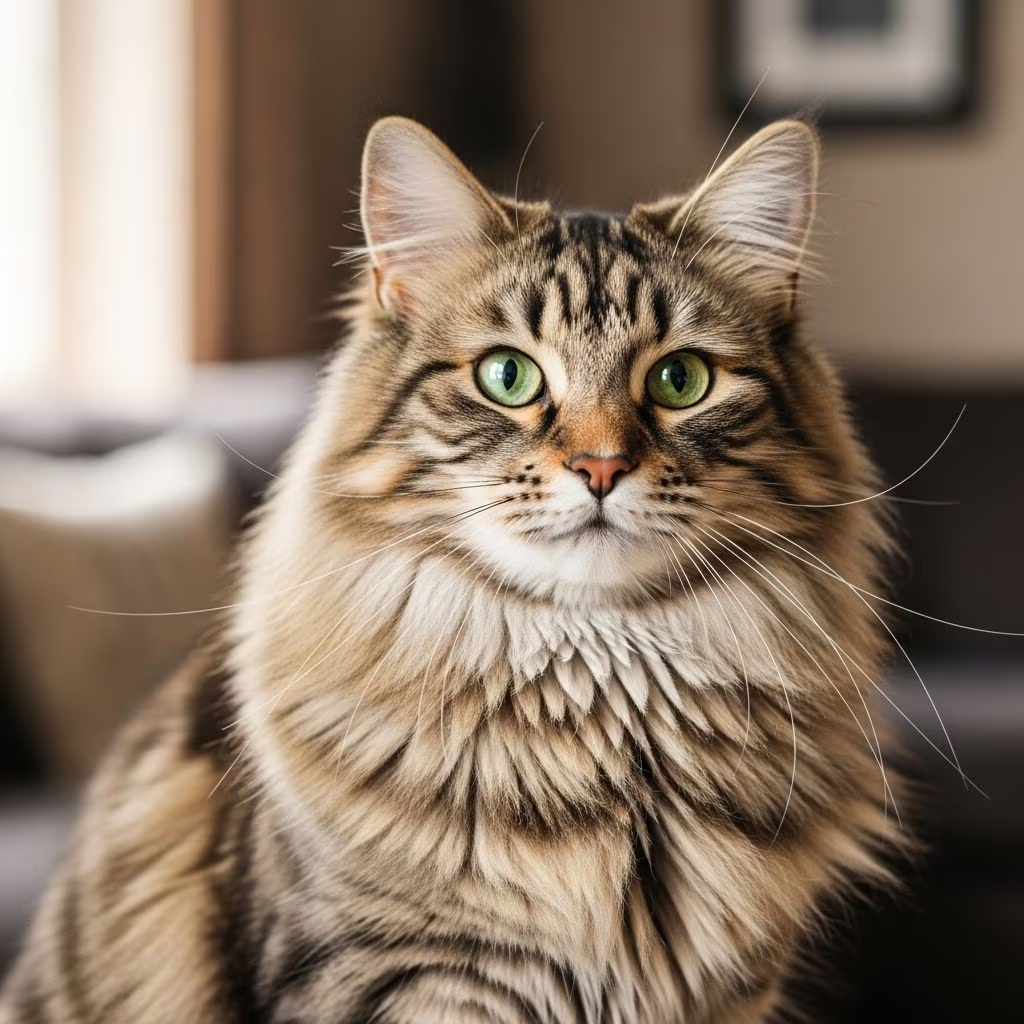
One of the most distinctive features of a Siberian cat is its modified wedge-shaped head with rounded contours. The head is broader at the top of the skull and narrows gradually to a full, rounded muzzle. Their large, round eyes typically display green or gold coloring and give them a perpetually sweet and curious expression. The cheekbones are neither prominently set nor high, contributing to their characteristic gentle appearance. Their medium-sized ears are broad at the base and rounded at the tips, often displaying the desirable lynx-tipping trait. This combination of facial features creates an overall appearance of intelligence and friendliness that belies their impressive hunting heritage.
Body Structure and Legs
The Siberian cat’s body is built for both power and agility. Their hind legs are slightly longer than their front legs, giving them exceptional jumping ability and the powerful lift needed to reach high places. Despite their heavy bone structure, Siberians are remarkably agile and athletic. Their legs are substantial and well-muscled, supporting their stocky yet athletic frame. The paws are exceptionally large and rounded, with toe tufts that enhance their distinctive appearance and provide practical advantages in navigating snowy terrain. Their medium-length tail is somewhat shorter than the length of their body and is beautifully bushy, contributing to their overall impressive presence.
Coat and Coloration
Perhaps the most remarkable feature of the Siberian cat is its distinctive triple-layered coat. This unique coat consists of three types of hair: coarse guard hairs that are water-repellent, thin and wavy awn hairs, and a wooly down undercoat. The result is a semi-long to long, dense, and textured coat that is simultaneously glossy and protective. This exceptional coat developed over centuries to protect the breed from extreme Russian weather conditions. The winter coat is distinctly thicker than the summer coat, with young Siberians requiring several years for their full coat potential to develop.
Siberians come in a remarkable variety of colors and patterns. Common colorations include solid colors, tabby patterns, tortoiseshell, and colorpoint varieties. The breed standard allows for numerous recognized patterns, including classic tabby, mackerel tabby, spotted tabby, and ticked patterns. As preferred minimum markings, Siberians should display white feet, legs, undersides, chest, and muzzle, with an inverted “V” blaze on the face considered desirable.
Temperament and Personality
Despite their imposing physical appearance, Siberian cats are known for their remarkably gentle and affectionate nature. The breed is described as lively yet highly affectionate, combining playfulness with a strong desire for family companionship. Siberians display what many owners describe as dog-like behavior, including exceptional loyalty and a preference for being involved in all household activities. These intelligent cats quickly learn the routines and rhythms of their family and enjoy participating in daily life.
Playfulness and Activity Level
Siberians remain playful throughout their entire lives, rarely losing their kitten-like enthusiasm even as they mature. They love chasing feather toys and engaging in interactive games with their family members. The breed exhibits high levels of activity and curiosity, with a particular fascination for water due to their water-repellent guard hairs, and they often do not mind getting wet. They are known for their ability to learn fetch, similar to dogs, and enjoy simulated hunting games and interactive play that provide mental and physical stimulation.
Sociability and Trainability
Siberian cats are extremely intelligent and naturally curious, traits inherited from their ancestry as skilled hunters. They take a keen interest in their surroundings and love to investigate cabinets, cupboards, and suitcases, though they are not intrusive or overactive. These sociable and easygoing cats quickly learn the meaning of “no,” though owners often joke that they interpret it as “okay to do when no one is looking.” Their intelligence and eagerness to please make them relatively easy to train, and they respond well to positive reinforcement and interactive engagement.
Growth and Maturation
One distinctive characteristic of the Siberian breed is its exceptionally slow maturation process. Siberians are one of the slowest-maturing cat breeds, typically taking up to 5 years to reach their full maturity and magnificence. While most cats reach their full size by three years of age, Siberians may continue developing their physical and coat characteristics well beyond this point. This extended development period means that young Siberians may appear somewhat gangly or underdeveloped compared to their fully mature counterparts. When judging kittens and young adults, breed standards specifically allow for considerations regarding coat development and physical structure, acknowledging their unique maturation timeline.
Grooming and Coat Maintenance
The Siberian cat’s spectacular triple-layered coat requires significant grooming attention to maintain its health and beauty. These cats require daily grooming to prevent matting and tangles, particularly during seasonal shedding periods. Their thick fur is textured and glossy but demands consistent care to remain in optimal condition.
Grooming Requirements
- Brush the coat daily to prevent matting and remove loose hair
- Use a high-quality slicker brush or undercoat rake designed for long-haired cats
- Pay special attention to areas prone to matting, such as behind the ears and under the armpits
- Increase grooming frequency during spring and fall shedding seasons
- Consider professional grooming services periodically
- Bathe occasionally to maintain coat health, though Siberians typically groom themselves well
Without proper grooming, the dense coat can become matted and uncomfortable, potentially leading to skin issues. Regular grooming also provides an opportunity to check for any health concerns and strengthens the bond between owner and cat.
Health Considerations
Siberian cats are generally robust and healthy, having developed naturally in a challenging environment that selected for hardiness and strength. However, like all cat breeds, they can be susceptible to certain health conditions that potential owners should be aware of.
Common Health Concerns
- Hypertrophic Cardiomyopathy (HCM): A heart condition that can affect some cat breeds, including Siberians. Responsible breeders screen for this condition through genetic testing.
- Polycystic Kidney Disease (PKD): A hereditary kidney condition that may occasionally appear in the breed. Genetic testing can identify affected cats.
- Obesity: Siberians can be prone to weight gain if not provided adequate exercise and proper diet.
- Dental Health: Regular dental care is important for maintaining overall health as cats age.
Prospective Siberian cat owners should work with reputable breeders who conduct health screenings and genetic testing to minimize the risk of hereditary conditions. Providing proper nutrition, regular veterinary care, and appropriate exercise helps ensure these cats enjoy long, healthy lives.
Living Environment and Space Requirements
Siberian cats are active and curious animals that benefit from substantial living space. These cats thrive in environments that provide extensive outdoor space or generous indoor room for exploration and play. They are not well-suited to small apartments with limited space, as their active nature and love of climbing require room to move and explore.
Environmental Enrichment
To keep Siberian cats mentally and physically stimulated, their environment should include:
- Tall cat trees and climbing structures to accommodate their exceptional jumping ability
- Window perches for bird watching and observation
- Interactive toys and puzzle feeders for mental stimulation
- Access to outdoor spaces (either safely enclosed patios or harness training)
- Regular interactive play sessions with family members
- Variety in toys and activities to prevent boredom
Despite their need for space and activity, Siberians can be left alone for extended periods during the day, as they are relatively independent and self-entertaining. However, they clearly prefer having family around and enjoy being involved in household activities when possible.
Suitability for Different Households
Siberian cats possess characteristics that make them excellent family pets and good choices for first-time cat owners. Their easygoing personalities and relatively low maintenance compared to other long-haired breeds make them adaptable to various household situations.
Ideal Living Situations
| Household Type | Suitability | Notes |
|---|---|---|
| Families with children | Excellent | Gentle nature and playfulness make them great companions for kids |
| Multi-pet households | Very Good | Social and easygoing with other animals when properly socialized |
| Active households | Excellent | Thrive in homes where family members engage in play and interaction |
| Relaxed homes | Good | Can adapt well if they have adequate space and enrichment |
| First-time cat owners | Very Good | Intelligent and responsive to training, easygoing nature |
| Small apartments | Fair | Need substantial space and may struggle in confined environments |
Nutrition and Diet
Providing appropriate nutrition is essential for maintaining the health and optimal body condition of a Siberian cat. These medium to large cats require high-quality cat food that supports their muscular build and active lifestyle.
Feeding Guidelines
- Provide high-quality commercial cat food or nutritionally balanced homemade diets
- Monitor food portions to prevent obesity, especially as cats age
- Ensure adequate protein to support muscle development and maintenance
- Provide fresh, clean water at all times
- Consider individual metabolism and activity level when determining appropriate portions
- Consult with a veterinarian for personalized nutritional recommendations
Because Siberians can be prone to weight gain, portion control and regular exercise are important factors in maintaining their health and preventing obesity-related conditions.
Frequently Asked Questions
Q: How long do Siberian cats typically live?
A: Siberian cats generally have a lifespan of 12 to 18 years when properly cared for, though some individuals may live into their early twenties with excellent health management and veterinary care.
Q: Are Siberian cats good with children?
A: Yes, Siberian cats are excellent with children due to their gentle, playful nature and easygoing temperament. They enjoy interactive play and are patient with kids, though supervision is recommended with very young children due to the cats’ large size.
Q: Do Siberian cats get along with other pets?
A: Siberian cats are typically very social and can coexist peacefully with other cats, dogs, and pets when properly socialized from a young age. Their friendly and curious nature makes them adaptable to multi-pet households.
Q: How much does a Siberian cat cost?
A: Siberian cats from reputable breeders typically cost between $600 to $1,200, depending on lineage, health certifications, and breeder reputation. Adoption through breed rescues may offer more affordable options.
Q: Are Siberian cats hypoallergenic?
A: While no cat breed is completely hypoallergenic, some people with mild allergies report better tolerance of Siberians. However, those with severe cat allergies may still experience reactions, and individual responses vary.
Q: How often should I groom my Siberian cat?
A: Daily grooming is recommended to prevent matting and maintain coat health. During seasonal shedding periods, you may need to groom even more frequently to manage the significant hair loss.
Q: Do Siberian cats require special training?
A: Siberian cats are highly intelligent and respond well to basic training. They can learn commands, enjoy interactive games, and are capable of learning to play fetch. Positive reinforcement works best with this responsive breed.
Q: What makes Siberian cats different from Maine Coons or Norwegian Forest Cats?
A: While these breeds share some similarities, Siberians are distinguished by their rounder heads, larger paws, and slightly different coat characteristics. Siberians also tend to be more vocally communicative than their counterparts and have a distinctly round body shape.
References
- Siberian Cat Breed Standard — The International Cat Association (TICA). 2025. https://tica.org/breed/siberian/
- Siberian Cat Breed Standard — The Cat Fanciers’ Association (CFA). 2025. https://cfa.org/breed/siberian/
- Siberian cat — Wikipedia. 2025. https://en.wikipedia.org/wiki/Siberian_cat
- Facts About Siberian Cats — ASPCA Pet Health Insurance. 2025. https://www.aspcapetinsurance.com/resources/siberian-cat-facts/
- Siberian Forest Cat Breed Information — Purina UK. 2025. https://www.purina.co.uk/find-a-pet/cat-breeds/siberian-forest



