

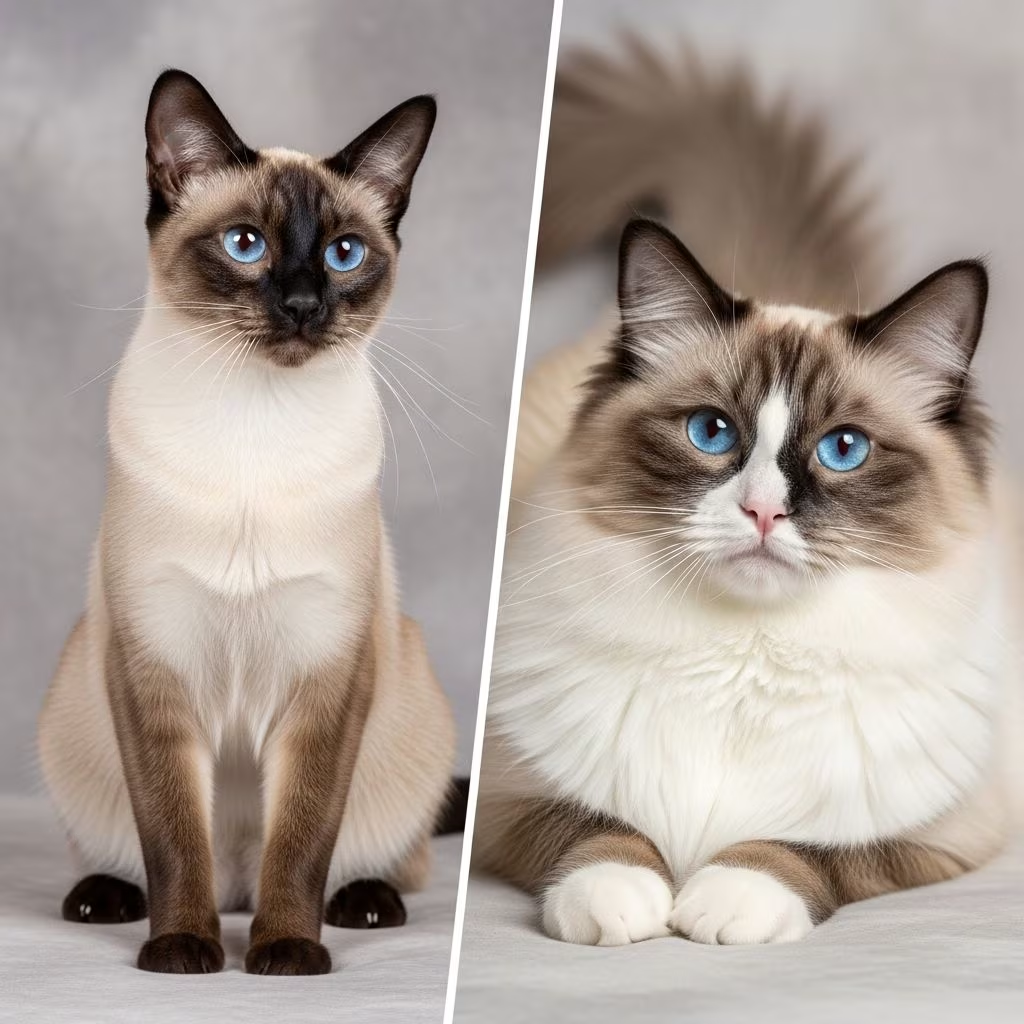
When exploring cat breeds, prospective pet owners frequently encounter confusion between Siamese and Ragdoll cats, particularly when encountering individuals with similar color patterns. While these two breeds may share aesthetic similarities such as blue eyes and color-pointed markings, their fundamental characteristics differ significantly. Understanding these distinctions is crucial for making an informed decision about which breed aligns with your lifestyle and household environment.
Physical Build and Body Structure
The most obvious difference between these two breeds lies in their physical dimensions and overall body composition. Siamese cats represent a striking study in elegance through minimalism, featuring long, slender frames that emphasize their grace and agility. The typical adult Siamese cat weighs between 5 and 12 pounds, with males generally being slightly heavier than females. Their lean musculature and elongated body structure contribute to their distinctive appearance.
Ragdolls present an entirely different physical profile. These cats are substantially larger, more robust, and noticeably fluffier than their Siamese relatives. An adult Ragdoll typically weighs between 10 and 20 pounds, with some individuals reaching the upper end of this range. Their stockier build and heavier frame make them feel more substantial when held or petted. This size difference becomes immediately apparent when comparing the two breeds side by side, with Ragdolls appearing almost oversized in comparison to their more petite Siamese counterparts.
Coat Characteristics and Grooming Requirements
Coat composition represents another fundamental distinction between these breeds, directly impacting grooming demands and maintenance schedules. Siamese cats possess short, silky fur that lies close to their bodies. This smooth coat requires minimal grooming intervention, making Siamese cats ideal for owners who prefer low-maintenance grooming routines. A brief weekly brush suffices to maintain their coat in optimal condition.
Ragdoll cats feature significantly longer hair with a silky texture often compared to rabbit fur. Importantly, Ragdolls lack undercoats, which paradoxically leads to more substantial shedding than many other long-haired breeds. Their coat requires brushing at least twice weekly to prevent matting, manage shedding, and maintain overall coat health. Additionally, bi-monthly baths help manage their grooming needs effectively. This higher maintenance commitment makes Ragdolls less suitable for individuals with allergies or those seeking minimal grooming responsibilities.
Color Patterns and Aesthetic Variations
While both breeds can display color-pointed patterns, the range and variety differ markedly. Siamese cats exclusively showcase color-pointed patterns in specific shade families including chocolate, lilac, and cream. Their coloration is uniform across all members of the breed, featuring darker masks, ears, tails, and paws contrasted against lighter body coloring.
Ragdolls offer substantially greater color diversity. Beyond traditional color-point patterns, Ragdolls can express bicolor, van, mitted, and tortoiseshell patterns. Their pointed colors include seal, blue, flame, chocolate, lilac, and cream variations. Many Ragdolls display tabby or tortie patterns within their color scheme, creating visually distinctive individuals. This broader palette provides more aesthetic options for potential owners seeking specific appearances.
Temperament and Personality Distinctions
The most striking differences between these breeds emerge in their fundamental temperamental characteristics. These personality contrasts should heavily influence breed selection, as they determine daily interactions and household dynamics.
The Social Butterfly: Siamese Temperament
Siamese cats embody extroverted personality traits. These cats crave attention and actively demand interaction from their owners. They are notably vocal, communicating through frequent meowing and vocalizations that clearly express their needs and emotions. A Siamese cat insists on being the focal point of household activity and becomes noticeably unhappy when neglected or left alone for extended periods.
Their high intelligence combines with strong personalities to create charismatic companions. Siamese cats are highly trainable, capable of learning tricks and even opening doors. They form intense bonds with their owners and view themselves as active family members requiring constant engagement and entertainment.
The Relaxed Companion: Ragdoll Temperament
Ragdolls present a contrasting temperamental profile. True to their name, these cats become limp and floppy when held, perfectly encapsulating their docile disposition. Rather than demanding constant attention, Ragdolls appreciate affection on their own terms. They enjoy lounging, napping, and relaxing, preferring an unhurried lifestyle.
While Ragdolls are intelligent, they demonstrate less motivation to engage in complex activities or learn tricks. They communicate through body language rather than vocalization, making them substantially quieter than Siamese cats. This quieter demeanor appeals to individuals seeking peaceful household environments. Despite their independent tendencies, Ragdolls develop close bonds with their owners, though they express affection differently than their more demanding Siamese cousins.
Behavioral Traits and Household Compatibility
Understanding how each breed integrates into household environments provides critical guidance for prospective owners. Energy levels, activity patterns, and social requirements differ substantially between these breeds.
Siamese cats are highly energetic and playful, actively seeking entertainment and interaction. They do well in dynamic households with children who match their activity levels. Their spunky nature allows them to coexist successfully with equally energetic dogs. However, leaving Siamese cats alone for extended periods can trigger depression and behavioral issues. They require engaged owners prepared to provide substantial daily attention and mental stimulation.
Ragdolls are laid-back and relaxed, spending considerable time lounging in favorite spots. They can adapt to various living situations, thriving equally in small apartments or spacious homes. While Ragdolls form attachments to their owners, they remain comfortable with periods of independence. Interestingly, despite their affectionate nature, Ragdolls may not integrate as seamlessly with dogs as Siamese cats do. They generally prefer being the sole pet in households, though they can coexist with appropriately matched animals.
Health, Lifespan, and Longevity
Both breeds demonstrate respectable lifespans when provided proper care. Siamese cats typically live 13 to 18 years, potentially extending into their early twenties with exceptional health and care. Ragdolls generally enjoy lifespans ranging from 12 to 17 years, though some individuals exceed these ranges significantly.
Both breeds can present specific health considerations. Siamese cats show predisposition to certain genetic conditions that prospective owners should discuss with reputable breeders. Ragdolls, despite their larger size, generally enjoy good health when sourced from ethical breeders who screen for genetic issues. Regular veterinary checkups help identify and address health concerns early.
Suitability for Different Living Situations
Choosing Siamese Cats
Siamese cats thrive in households with active owners capable of providing substantial daily engagement. They excel in environments where they receive consistent interaction, attention, and environmental enrichment. Families with children seeking playful, interactive companions find Siamese cats rewarding. Similarly, households with active dogs offer appropriate social environments for this energetic breed. Siamese cats are less suitable for individuals working long hours or preferring quiet household environments.
Choosing Ragdoll Cats
Ragdolls are ideal for individuals seeking independent, low-stress feline companions. They adapt well to various living situations and tolerate periods of solitude better than Siamese cats. Ragdolls suit people preferring quieter environments and minimal vocal communication. However, their grooming requirements and shedding tendencies make them problematic for allergy sufferers. They work best for owners prepared to commit to regular grooming maintenance.
Similarities Worth Recognizing
Despite substantial differences, these breeds share meaningful commonalities. Both display color-pointed patterns with darker facial masks, paws, and tails. Both breeds are highly intelligent, responsive, and capable of forming deep bonds with their owners. Interestingly, both are considered outspoken, though they express this trait differently—Siamese through vocalization and Ragdolls through body language. Both breeds are sensitive to their owners’ emotions and respond to changes in household dynamics. Additionally, both breeds can present blue eyes and may be considered somewhat hypoallergenic compared to other cat breeds, though neither is fully hypoallergenic.
Comparative Overview Table
| Characteristic | Siamese | Ragdoll |
|---|---|---|
| Average Weight | 5–12 pounds | 10–20 pounds |
| Coat Type | Short, silky | Long, silky |
| Grooming Frequency | Weekly brushing | 2x weekly brushing |
| Lifespan | 13–18 years | 12–17 years |
| Vocalization Level | Very high | Low |
| Energy Level | High | Low to moderate |
| Temperament | Extroverted, demanding | Independent, docile |
| Dog Compatibility | Excellent with active dogs | Better as sole pet |
| Color Pattern Variety | Color-point only | Multiple patterns available |
| Attention Requirements | Constant interaction needed | Periodic attention sufficient |
Making Your Decision: Which Breed Is Right for You?
Selecting between Siamese and Ragdoll cats requires honest assessment of your lifestyle, available time, and household environment. If you work long hours, prefer quiet surroundings, or seek an independent companion, a Ragdoll cat aligns better with your needs. Their relaxed disposition, lower maintenance requirements for attention, and adaptability suit individuals prioritizing peace and minimal interaction demands.
Conversely, if you thrive on interactive relationships, enjoy playful engagement, and prefer vocal, expressive companions, a Siamese cat delivers these qualities abundantly. Families with children or active households often discover Siamese cats provide entertaining, engaging companionship that matches their dynamic lifestyle. However, be prepared to commit substantial time to interaction and mental stimulation.
Frequently Asked Questions
Are Siamese and Ragdoll cats the same breed?
No, they are distinctly different breeds with separate histories, physical characteristics, and temperaments. While they share some aesthetic similarities, particularly color-pointing patterns, they are genetically and behaviorally distinct.
Which breed requires less grooming?
Siamese cats require significantly less grooming. Their short coat needs only weekly brushing, while Ragdolls require brushing twice weekly due to their longer coat and tendency to shed heavily.
Are both breeds suitable for allergy sufferers?
Both breeds produce less allergenic proteins than many other breeds, but neither is fully hypoallergenic. Siamese cats, with their shorter coats, may be somewhat better for allergy sufferers than Ragdolls, whose shedding is more substantial.
Which breed is better for families with children?
Siamese cats generally adapt better to family environments with children due to their playful, engaging nature. Ragdolls also work well, but their preference for calm environments may not match high-energy households.
Can Ragdoll and Siamese cats live together?
While possible, their different temperamental needs could create household stress. Siamese cats’ high activity and vocalization might overwhelm relaxed Ragdolls, potentially creating tension.
Which breed lives longer?
Both breeds have comparable lifespans, with Siamese averaging 13–18 years and Ragdolls 12–17 years. Individual health and care significantly influence longevity in both breeds.
References
- Ragdoll vs Siamese Cat: What’s the Difference? — Catster. 2024. https://www.catster.com/cat-breeds/ragdoll-vs-siamese-cat/
- Are Ragdoll and Siamese Cats the Same? — Floppycats. 2024. https://www.floppycats.com/are-ragdoll-and-siamese-cats-the-same.html
- Comparing Ragdolls to Other Cat Breeds — Awesome Paws. 2024. https://awesomepaws.net/blog/f/comparing-ragdolls-to-other-cat-breeds



