

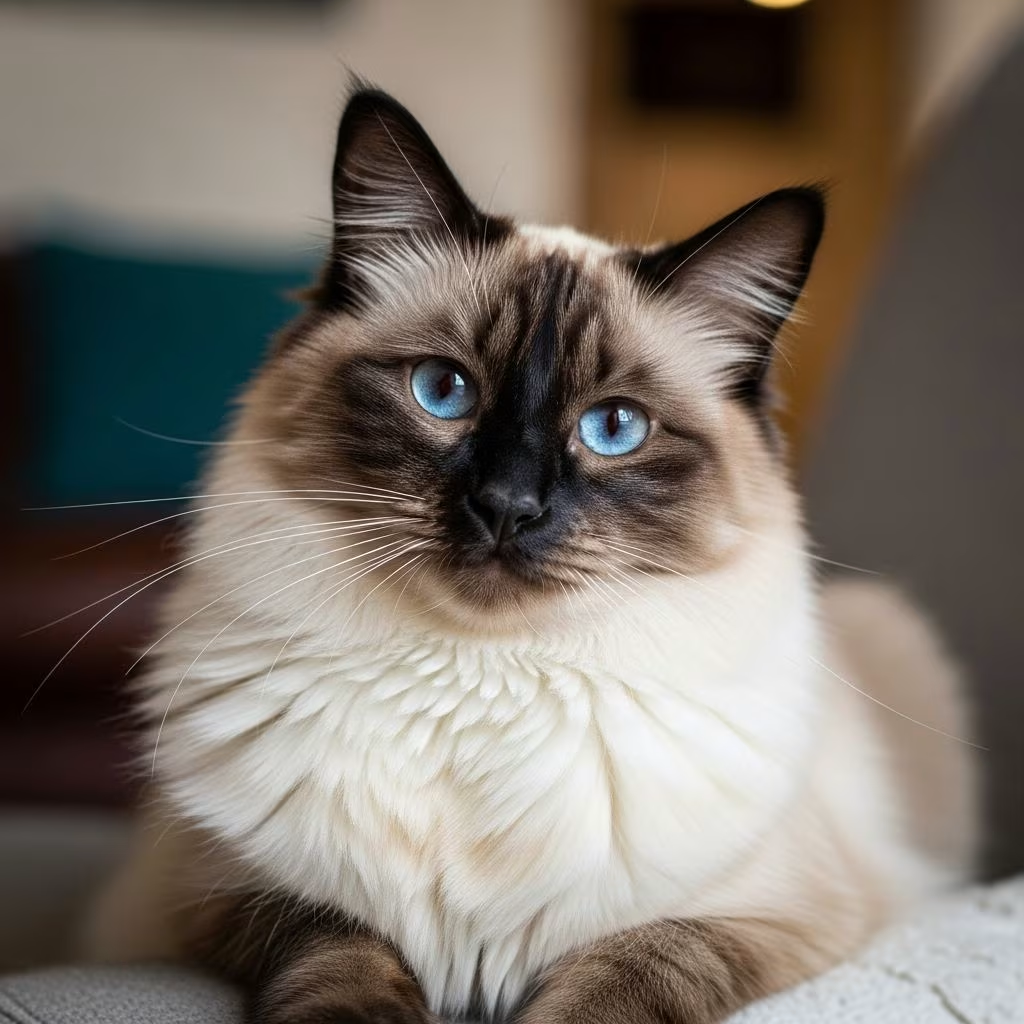
Understanding the Siamese Ragdoll Mix: The Ragamese Cat
A Siamese Ragdoll mix, commonly referred to as a “Ragamese,” represents a fascinating blend of two distinct and beloved cat breeds. This hybrid combines the sleek, shorthaired characteristics of the Siamese with the larger frame and longer coat of the Ragdoll breed. The result is a cat that inherits the best qualities from both parent breeds—a loving, inquisitive, playful companion with striking beauty. The Ragamese cat has become increasingly popular among cat enthusiasts who appreciate the unique combination of traits these mixed-breed felines possess.
Physical Characteristics and Appearance
Ragamese cats display a distinctive appearance that reflects their hybrid heritage. These cats typically feature semi-long, silky coats combined with the jewel-like blue eyes characteristic of both parent breeds. Understanding their physical traits helps potential owners know what to expect.
Size and Build
The physical dimensions of a Ragamese cat fall within moderate to large ranges:
- Height: 8–11 inches
- Weight: 10–20 pounds
- Lifespan: Approximately 15 years
These cats exhibit a build that is typically more slender than purebred Ragdolls while maintaining some of the breed’s substantial bone structure. This balanced physique makes them both elegant and sturdy family companions.
Coat and Color Patterns
The Ragamese coat combines the softness of the Ragdoll with textures influenced by the Siamese parent. Color patterns in these cats often display traditional colorpoint markings featuring darker coloration on the ears, face, tail, and legs, with lighter body colors. Common color variations include seal, chocolate, lilac, and blue points.
One fascinating characteristic of Ragamese kittens is that they are born completely white. Their distinctive point coloration only begins to emerge a few weeks after birth, with the coat continuing to darken gradually as the cat matures. This developmental process is entirely normal and expected in both Ragdoll and Siamese genetic lines.
Temperament and Personality Traits
The temperament of a Ragamese cat represents one of its most appealing qualities, drawing from the exceptional characteristics of both parent breeds.
Social and Affectionate Nature
Ragamese cats are typically playful, curious, affectionate, and outgoing felines that greatly enjoy human company. These traits stem directly from both the Siamese and Ragdoll lineages, which are renowned for their people-oriented dispositions. Like their Ragdoll ancestors, these cats often display a dog-like devotion, frequently following their owners from room to room and greeting visitors with calm curiosity.
The famous “Ragdoll flop” is a distinctive behavioral characteristic that frequently appears in Ragamese offspring. This involves the cat going completely limp and relaxed when picked up, almost like a child’s stuffed toy, draping themselves over your arms and seeming completely comfortable in various positions. This trait stems from the breed’s exceptionally trusting nature and reduced defensive instincts.
Vocalization Patterns
One important consideration for potential Ragamese owners involves vocalization. While some Ragamese cats inherit the Ragdoll’s soft, melodic communication style, others may demonstrate the Siamese tendency toward chattiness. The Siamese are famous for being “motormouths,” so prospective owners should be prepared for the possibility of many deep and meaningful conversations. However, these cats typically fall somewhere between their parent breeds—more vocal than purebred Ragdolls but usually not as intense as purebred Siamese cats.
Behavioral Variations
It’s important to recognize that Ragamese cats can vary personality-wise depending on which parent breed’s traits dominate. You might get a Ragamese more similar to the Siamese in temperament—outgoing, people-loving, and vocal—or one that’s more similar to a Ragdoll—laid-back, affectionate, and quiet. These variations make each Ragamese unique in their personality expression.
Family Compatibility and Social Dynamics
Are Ragamese Cats Good for Families?
Ragamese cats are often excellent choices for family environments, particularly those with children. They demonstrate exceptional patience and gentleness in their interactions, rarely using their claws during play and showing no aggressive responses to careful handling. These cats display remarkable social adaptability that makes them ideal family companions.
Living with Other Pets
As long as a Ragamese is introduced to a home with non-aggressive pets and is gradually socialized with them, they should coexist peacefully with other pets including dogs and other cats. Close supervision during initial introductions and during early acquaintance periods is essential to ensure smooth integration into multi-pet households.
Training and Intelligence
Both the Ragdoll and Siamese parent breeds are highly intelligent, which means Ragamese cats typically present few difficulties during training. Prospective owners can expect success in teaching their cats various behaviors and commands.
Trainable Behaviors
Ragamese cats excel in multiple training areas:
- Litter box training
- Learning to come when called
- Playing appropriately with toys
- Safe interactions with both people and pets
- Using scratch posts instead of furniture
- Becoming comfortable in carriers for veterinary visits and travel
- Accepting claw trimming and grooming
Their calm temperament and people-oriented nature mean these crossbreeds typically respond well to positive reinforcement training methods. Leash training works particularly well with Ragamese cats due to their relaxed nature and willingness to trust their owners. Their docile nature inherited from Ragdoll genetics also makes these mixed cats excellent therapy animals when properly socialized.
Health Considerations and Potential Conditions
Understanding potential health concerns is crucial for any cat owner. Both Siamese and Ragdoll parent breeds are generally healthy with long lifespans, but Ragamese cats may inherit some predispositions from their lineage.
Common Health Concerns
Potential health conditions that Ragamese cats may develop include:
- Mouth and gum disease
- Heart disease
- Pancreatitis
- Liver and kidney disease
- Obesity
- Gastrointestinal conditions
- Eye conditions
- Urinary tract infections
- Minor stomach upset
It’s important to note that your Ragamese may never experience any of these conditions. Regardless of breed, maintaining vigilance for any physical or behavioral changes and scheduling regular veterinary check-ups helps catch potential issues early.
Gender-Based Behavioral Differences
According to veterinary sources, male cats are generally more playful and clingy, whereas females tend to be more independent and maternal. However, individual variations always exist—you may encounter very clingy female cats and independent males. Additionally, unneutered male cats are prone to urine spraying, roaming, and territorial behavior, while unspayed females may become very vocal and excessively clingy when in heat.
Grooming and Coat Care
The semi-long, silky coat of a Ragamese requires consistent grooming attention to maintain its beauty and prevent matting. Regular brushing sessions help keep the coat in optimal condition and reduce shedding throughout the home. Establishing a grooming routine early in your cat’s life makes maintenance easier and helps your Ragamese become comfortable with the process.
Suitable Living Environments
Ragamese cats are suitable for any loving home, including those with children and other pets. Their adaptable, people-oriented nature means they thrive in various living situations as long as they receive proper care, attention, and socialization. These cats appreciate interactive play and mental stimulation, making them well-suited to active families who can provide engaging environments.
Finding a Ragamese Cat
While Ragamese cats make wonderful companions, they are not the most commonly bred mix, so finding one may present a challenge. Prospective owners might search through local animal shelters, rescue organizations specializing in mixed breeds, or responsible breeders who focus on these specific hybrid combinations. Adoption from shelters or rescues often provides a rewarding experience while giving a loving home to a deserving cat.
Frequently Asked Questions
Q: Are Ragamese cats good with children?
A: Yes, Ragamese cats typically excel with children when properly socialized. They’re patient, playful, and affectionate, making them excellent family pets. However, children should be taught proper handling techniques to respect the cat’s boundaries.
Q: How much do Ragamese cats cost?
A: Since Ragamese cats are not the most commonly bred mix, pricing can vary. Adoption from shelters or rescues is often the most affordable option, while responsible breeders may charge more. Always research breeders thoroughly before purchasing.
Q: Do Ragamese cats shed a lot?
A: Ragamese cats have semi-long coats that do shed, particularly during seasonal changes. Regular brushing helps manage shedding and keeps the coat healthy and beautiful.
Q: What is the Ragamese cat lifespan?
A: Ragamese cats typically live around 15 years with proper care, nutrition, and regular veterinary attention. Some individuals may live longer depending on genetics and lifestyle factors.
Q: Can Ragamese cats be trained to walk on a leash?
A: Yes, Ragamese cats can be successfully leash trained due to their relaxed nature and willingness to trust their owners. Starting training early and using positive reinforcement methods yields the best results.
Q: Do all Ragamese cats have blue eyes?
A: While blue eyes are characteristic of both parent breeds, individual Ragamese cats may have slight variations in eye color. Most, however, display the beautiful blue eyes that distinguish both Siamese and Ragdoll breeds.
Q: How vocal are Ragamese cats?
A: Vocalization varies by individual. Some Ragamese cats inherit the Ragdoll’s quieter nature, while others may be more chatty like Siamese cats. Prospective owners should be prepared for either possibility.
References
- Siamese Ragdoll Cat Mix Info: Pictures, Temperament & Traits — Hepper. 2025. https://articles.hepper.com/siamese-ragdoll-cat-mix/
- Spotting Ragdoll Cat Mix Traits in Your Cat — Purebred Kitties. https://purebredkitties.com/blogs/ragdoll-cat/is-your-cat-a-ragdoll-cat-mix-how-to-identify-mixed-breed-characteristics
- Ragdoll Siamese Mix: Complete Ragamese Cat Guide 2025 — Maine Coon Guides. 2025. https://mainecoonguides.com/ragdoll-siamese-mix/



