

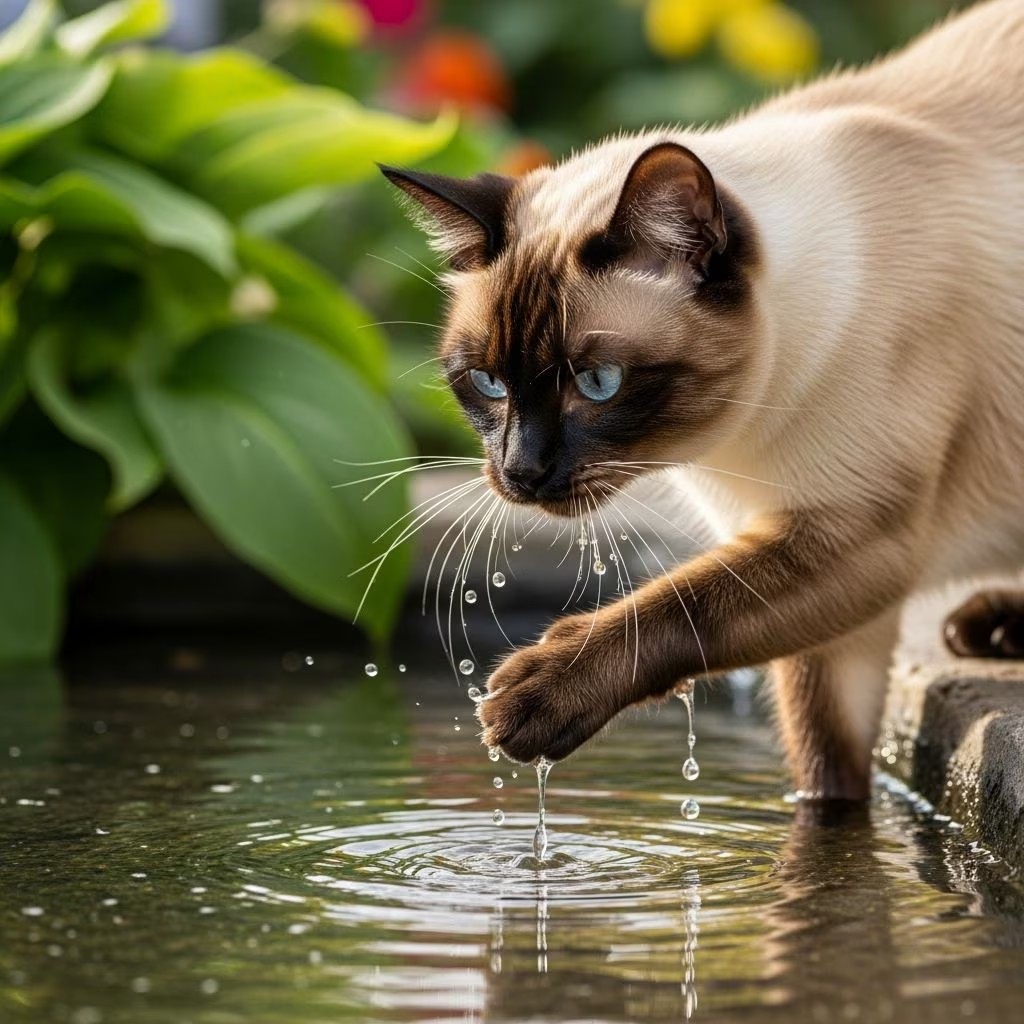
The Unique Relationship Siamese Cats Have With Water
Siamese cats possess distinctive characteristics that set them apart from other feline breeds, and their interaction with water is no exception. These highly intelligent and curious animals display fascinating behavioral patterns when it comes to aquatic environments and hydration. Understanding these patterns can provide valuable insights into your Siamese cat’s needs and help you provide optimal care. Unlike some cat breeds that instinctively avoid water, Siamese cats often demonstrate a more complex relationship with it, influenced by their genetics, personality, and individual preferences.
The breed’s natural curiosity and vocal nature mean that Siamese cats are more likely to investigate water sources and may even engage with water in ways that seem unusual to owners accustomed to other cat breeds. This investigation often reflects their intelligent and exploratory temperament rather than a simple aversion or attraction to water itself.
Behavioral Patterns: How Siamese Cats Interact With Water
Siamese cats frequently display behaviors around water that reveal their cognitive approach to their environment. One common behavior is paw-dipping, where the cat places its paw into the water bowl repeatedly before drinking. This action serves multiple purposes and reflects the cat’s intelligent problem-solving nature.
Paw-Dipping and Sensory Assessment
When your Siamese cat dips its paws into water, it is often attempting to gauge the depth and volume of liquid available. Cats possess far-sighted vision, meaning they struggle to see objects clearly at close range. This visual limitation means that a water bowl at ground level may not provide adequate visual feedback about water levels. By using their sensitive paws, Siamese cats can accurately determine whether sufficient water exists before committing to drinking.
This behavior becomes more pronounced when water bowls are not filled to consistent levels. Providing a water bowl with a visible design pattern on the bottom can help your Siamese cat better assess water availability, reducing unnecessary paw-dipping behavior.
Water Fountain Attraction
Many Siamese cats demonstrate a marked preference for moving water over still water. This instinctive preference reflects feline evolutionary biology—in nature, moving water sources are typically safer and less likely to harbor contaminants than stagnant water. A pet water fountain not only appeals to your Siamese cat’s natural instincts but also keeps water filtered, oxygenated, and fresher than water sitting in a static bowl.
If you notice your Siamese cat showing more interest in drinking from a running faucet than from their bowl, investing in a quality cat fountain may significantly improve their water intake and overall hydration status.
Hydration Requirements Specific to Siamese Cats
Siamese cats have particular hydration needs that differ somewhat from average domestic cats. Their unique physiology and genetic predispositions create specific requirements for water intake that owners should understand and actively support.
Baseline Water Consumption Guidelines
While all cats require adequate hydration, active breeds like Siamese typically need approximately 4.5 ounces of water per 5 pounds of body weight daily. This is slightly higher than the standard 4 ounces per 5 pounds recommended for less active feline breeds. The increased requirement reflects the Siamese breed’s naturally higher activity levels and metabolic rates.
Factors affecting individual water needs include age, activity level, diet composition, ambient temperature, and any medications your cat may be taking. A younger, highly active Siamese cat may require more water than an older, less active individual. Additionally, cats consuming primarily dry food will require more drinking water than those receiving wet food in their diet.
Body Temperature Regulation Through Hydration
Siamese cats possess a distinctive coat pattern featuring color points—darker coloring on the ears, face, paws, and tail—with a lighter body. This striking appearance results from a specific gene mutation that affects their natural thermoregulation abilities. Proper hydration plays a crucial role in helping Siamese cats maintain appropriate body temperature, particularly during warm weather or in heated indoor environments.
This thermoregulatory aspect of hydration becomes especially important in warmer climates or during summer months. Ensuring your Siamese cat has constant access to fresh water supports their body’s natural temperature management systems.
Urinary and Kidney System Health
Siamese cats show genetic predisposition toward certain urinary tract and kidney conditions. Adequate hydration plays a vital protective role by promoting proper kidney function and supporting urinary system health. Increased water consumption helps dilute urine, reducing mineral concentration and minimizing the risk of painful conditions such as feline lower urinary tract disease (FLUTD) or urinary crystals and stones.
Regular, consistent water intake essentially flushes toxins from your Siamese cat’s urinary system and supports optimal kidney function. This preventative approach through hydration can help avoid serious health complications later in life.
Environmental and Dietary Factors Affecting Water Intake
Food and Water Separation
Many cat owners place food and water bowls adjacent to each other for convenience, but this arrangement may actually discourage Siamese cats from drinking adequately. Cats possess remarkably sensitive noses and often prefer to keep their water source separate from their food area. When food particles fall into water bowls—a common occurrence with dual feeders—sensitive Siamese cats may avoid the contaminated water entirely.
Placing water bowls at some distance from feeding stations can significantly improve your cat’s willingness to drink. If your Siamese cat consumes both wet and dry food, consider spacing these bowls apart and positioning the water dish even farther away to encourage optimal hydration habits.
Water Quality and Freshness
Just as humans find stagnant water unappealing, cats experience the same dissatisfaction with water that has been sitting undisturbed for extended periods. Changing your cat’s water multiple times daily, using a cat fountain with filtration capabilities, or ensuring bowls are thoroughly cleaned before refilling can all contribute to better water intake.
Regular bowl cleaning prevents bacterial buildup and contaminants that might discourage your Siamese cat from drinking. This simple maintenance task directly supports your cat’s hydration and overall health.
Dietary Composition and Thirst
Cats consuming primarily wet food receive substantial moisture through their diet and typically require less additional water. However, if your Siamese cat transitions to a dry-food-only diet, you should expect to observe increased water consumption. This increase is normal and healthy—your cat is simply compensating for the reduced moisture in their food.
If you switch your Siamese cat to dry food, ensure they have multiple water sources available and monitor their increased water intake as a positive adaptation rather than a cause for concern.
Recognizing When Water Intake Becomes Concerning
Normal Versus Excessive Drinking
While active Siamese cats naturally require more water than some breeds, significant increases in drinking habits warrant attention. Distinguishing between normal breed-appropriate hydration and potentially problematic excessive drinking can be challenging but is essential for early health issue detection.
Monitor your cat’s litter box usage as a companion metric to water intake. Cats typically use litter boxes between 3-5 times daily for both urination and defecation. A sudden increase in litter box frequency combined with increased water consumption may indicate an underlying health concern rather than simple breed-appropriate behavior.
Health Conditions Associated With Increased Thirst
Several serious health conditions can manifest as increased water consumption in Siamese cats:
- Diabetes: Excessive thirst combined with increased urination, weight loss despite normal appetite, or lethargy may indicate feline diabetes, a manageable but serious condition requiring veterinary attention
- Kidney Disease: Siamese cats showing decreased appetite, increased urination, muscle or weight loss, or general lethargy alongside increased water intake may be developing kidney problems. These cats may benefit from early veterinary bloodwork and urine testing
- Hyperthyroidism: An overactive thyroid can cause increased thirst and may cause older Siamese cats to suddenly display kitten-like behavior and energy levels
- Urinary Tract Issues: Beyond simple FLUTD prevention through hydration, some cats develop infections or other urinary problems that trigger increased thirst as a symptom
When to Contact Your Veterinarian
If your Siamese cat exhibits increased water intake combined with any of the following symptoms, schedule a veterinary appointment promptly:
- Unexplained weight loss or muscle loss
- Significant changes in appetite
- Lethargy or decreased activity levels
- Behavioral changes or unusual vocalization patterns
- Changes in litter box habits or urine appearance
- Vomiting or digestive upset
Your veterinarian can perform appropriate diagnostic tests, including bloodwork and urinalysis, to rule out underlying conditions.
Practical Strategies to Support Healthy Hydration
Water Placement and Accessibility
Siamese cats benefit from having multiple water sources located throughout your home. This approach accommodates their natural roaming behaviors and provides convenient access regardless of their location. Consider placing water bowls in high-traffic areas, quiet corners, and near their favorite resting spots.
Water Fountain Investment
Installing a cat water fountain addresses multiple feline preferences simultaneously. The moving water appeals to natural instincts, the filtration system keeps water cleaner, and the circulation prevents the stagnant sensation that discourages many cats from drinking. Fountains particularly benefit Siamese cats, whose natural curiosity makes them more likely to investigate and enjoy the interactive element.
Dietary Moisture Optimization
Incorporating wet food into your Siamese cat’s diet increases overall moisture intake and supports hydration from multiple sources. Even cats primarily eating dry food benefit from occasional wet food inclusion or food toppers that add moisture content.
Monitoring and Documentation
Keep casual records of your Siamese cat’s water intake patterns and litter box frequency. This documentation helps you identify genuine changes in behavior and provides valuable information for your veterinarian if health concerns arise. Photography or video of your cat’s typical drinking habits can also help your vet assess whether changes represent genuine cause for concern.
Frequently Asked Questions About Siamese Cats and Water
Do all Siamese cats prefer moving water to still water?
While many Siamese cats show strong preference for moving water sources due to their natural instincts and curiosity, individual preferences vary. Some Siamese cats happily drink from traditional bowls, while others consistently gravitate toward running water. Observation of your individual cat’s behavior reveals their specific preferences, allowing you to optimize their water setup accordingly.
Is it normal for my Siamese cat to play in their water bowl?
Playful interaction with water reflects the breed’s natural curiosity and intelligence. Paw-dipping serves practical sensory functions beyond mere play, though these can overlap. If play-related splashing becomes excessive, ensuring adequate water bowl depth and possibly using a wider, stable bowl can contain the behavior while maintaining hydration access.
How can I tell if my Siamese cat is drinking enough water?
Adequate hydration typically manifests as normal litter box habits, good skin elasticity, alert behavior, and healthy energy levels. Your cat’s gums should appear pink and moist, and they should show interest in normal activities. If you suspect insufficient hydration, your veterinarian can assess hydration status through physical examination and diagnostic testing.
Should I be concerned if my Siamese cat suddenly drinks more water?
Sudden increases in water consumption warrant observation and potentially veterinary attention, as they can indicate environmental changes, dietary modifications, or underlying health conditions. However, not every increase represents a serious problem. Environmental factors like warmer weather or dietary changes to dry food explain many cases. Document the timing and severity of changes and contact your veterinarian if the behavior persists or other symptoms appear.
Can stress cause increased water intake in Siamese cats?
Stress can influence behavioral changes in pets, including alterations in eating and drinking patterns. However, medical causes should be ruled out first through veterinary evaluation. If stress seems to coincide with increased water intake, addressing environmental stressors while having your cat medically evaluated provides comprehensive care.
References
- My Siamese Cat Seems Healthy But Has Started Drinking a Lot More Water — Dial a Vet. Accessed 2026. https://www.dialavet.com/vet-answers/siamese-cat-drinking-more-water-148699
- Everything You Should Know About Siamese Cats — My Lovely Feline. Accessed 2026. https://mylovelyfeline.com/blogs/content/everything-you-should-know-about-siamese-cats
- Cat Behavior: Why They Play In The Water Bowl — Fully Feline. Accessed 2026. https://fullyfeline.com/cat-behavior-why-they-play-in-the-water-bowl/
- My Cat is Drinking A Lot of Water, Should I be Concerned? — VEG. Accessed 2026. https://www.veg.com/post/cat-is-drinking-a-lot-of-water
- All About Siamese Cats — Burgess Pet Care. Accessed 2026. https://www.burgesspetcare.com/blog/cat/all-about-siamese-cats/



