

Siamese Cat Genetics: How Genes Shape Behavior and Appearance
Siamese cats have long captivated cat enthusiasts with their striking appearance, distinctive vocalizations, and engaging personalities. Talkative, always wanting to be around you, and somewhat needy—these are all common traits and behaviors of the Siamese cat. But have you ever wondered why cat breeds act in different ways? The answer lies in genetics. While many commonalities exist among cat breeds, some, like the Siamese, are more vocal than others, while other breeds display different levels of cuddliness and social attachment. If you are the parent of a Siamese cat and have been wondering whether their genetics affect their behavior, the answer is yes—to some extent. Genetics affects all felines, including the Siamese, but which behaviors are truly caused by genetics in this breed?
Understanding the Siamese Coat: Temperature-Dependent Coloration
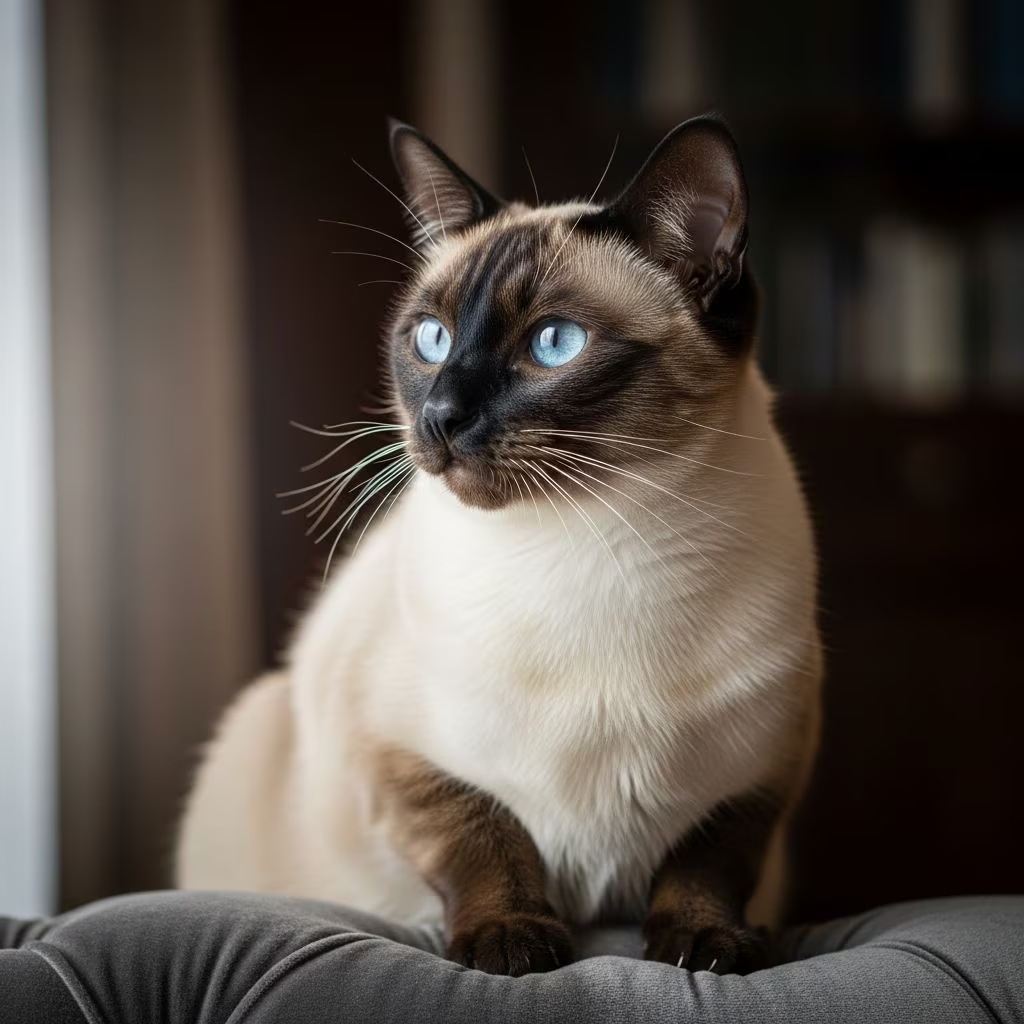
Before exploring the behavioral aspects of Siamese genetics, it is essential to understand the genetics behind the breed’s unique and mesmerizing coloring. Interestingly enough, the coloration of a Siamese cat is temperature-dependent. What does that mean? It means the cooler areas of the body are darker, while the warmer parts are lighter. This distinctive pattern is what makes this breed “color point,” as the coolest parts of the body—the face, ears, and extremities—tend to display the darkest coloring. But why is this feline’s coat coloring dependent on temperature?
It all comes down to a mutation in a specific protein called tyrosinase. This protein is involved in the production of melanin (the same kind humans produce), so the more melanin present, the darker the fur will be. However, this mutation causes the melanin in a Siamese to be produced more actively at temperatures around 77°F. Since a cat’s normal body temperature is around 101°F, and the extremities tend to be cooler than a cat’s core, darker colors appear on the legs, nose, ears, and tail while the rest of the body stays lighter. Kittens born to Siamese parents often arrive solid white or cream and slowly develop their darker face, legs, and tail as they mature.
The Visual Connection: How Coat Color Links to Vision
One hint that coat and eye color and vision may be linked is that some Siamese cats have noticeably misaligned eyes. This observable trait serves as a window into the deeper genetic connections affecting this breed. The distinctive blue eyes and color-point pattern of Siamese cats are produced by the same gene mutation that affects their visual systems, creating a fascinating relationship between appearance and function.
Genetics and Behavior of the Siamese Cat
What does the temperature-dependent coat coloring have to do with the behavior of the Siamese? The same genetic mutation that affects the color of the breed’s coat may impact their behavior because of how it also affects the brain. This is where the connection between physical appearance and personality traits becomes truly interesting.
Brain Organization and Visual Perception
One of the main impacts of this mutation on the brain is the way it causes an unusual organization of the visual nervous system, with nerves crossing to other sides of the brain that aren’t normally crossed in other breeds of cats. This neurological difference can result in less depth perception and potentially double vision, which can be a partial reason behind their crossed eyes. While Siamese cats play and hunt much like other cats, and usually nothing seems wrong with them, most observers would never suspect from their behavior that the mutated gene producing their attractive coat and eye color is also responsible for a grossly abnormal visual system.
Dopamine Levels and Behavioral Impact
Another significant way the tyrosinase mutation affects the brain of the Siamese relates to dopamine production. Tyrosinase is important in the production of dopamine, and when dopamine is in an imbalance, it can affect behavior significantly. For Siamese cats, the tyrosinase mutation means that it doesn’t work in warm areas such as the brain, so dopamine levels may be lower. This could lead to anxiety and compulsive disorders that distinguish this breed from others.
Wool-Sucking and Compulsive Behaviors
One such compulsive disorder that’s fairly common in this breed is wool-sucking. Wool-sucking is when a cat routinely and repetitively searches out non-food items to suckle, chew, and even ingest. This could be anything from sweaters to socks to even pipe cleaners. While this behavior isn’t always serious, it has the potential to be unhealthy or dangerous if not monitored. Understanding that this behavior may have a genetic basis can help owners provide appropriate interventions and environmental enrichment to manage the condition.
Hyperesthesia Syndrome in Siamese Cats
Another issue found in the Siamese breed is hyperesthesia syndrome. If you have a Siamese and have noticed their skin is sensitive to touch or ever seen them have running fits, excessively lick or bite at themselves, or sit for long minutes staring into space before taking off in a mad dash, this might be why. While the exact cause of this disorder isn’t known, it seems to be caused by something impacting brain activity and is prevalent in the Siamese and other related breeds. This genetic predisposition means that owners should be aware of these potential behaviors and work with veterinarians to manage them effectively.
Inherited Personality Traits in Siamese Cats
Beyond the neurological effects of the tyrosinase mutation, there are also inherited traits that make the Siamese distinctly Siamese. Studies that have looked at the behaviors of several feline breeds have found that the Siamese are more likely to have certain traits than other cat breeds, such as sociability and excessive grooming. So, some aspects of the Siamese’s personality are also affected by genetics.
Vocalization and Communication
Siamese cats are notoriously vocal and love to communicate with their owners. They are known for their loud, distinctive meows and often follow their owners around the house, chatting away. The Siamese is often considered the most intelligent of cats and is unsurpassed by any other breed in its ability to communicate with humans. They are experts at making their desires known, via body language or through their large repertoire of vocalizations. This communication ability is not merely a learned behavior but appears to have strong genetic underpinnings.
Social Attachment and Companionship
The Siamese cat’s personality is typically sociable and friendly. These long, slim, athletic cats love people of all ages including kids, as well as other cats and cat-friendly dogs. They’re usually playful and love lap snuggling. Siamese cats form deep bonds with their owners and don’t do well if left alone for extended periods. They don’t just love you because you’re theirs; they love you because you are warm! Your Siamese will gravitate to the warmest spot in the house, which may be a spot of sunshine on the floor but is most likely to be your lap.
Curiosity and Intelligence
Many owners of Siamese cats describe their felines as full of personality. The typical Siamese cat is very curious and also fond of nature. Siamese cats kept indoors can become bored and neurotic if they don’t have enough to entertain them, so highly engaging cat furniture such as scratchers and cat trees are crucial to keeping them out of trouble. The intelligence of the Siamese breed makes proper enrichment and mental stimulation essential components of care.
Independence Within Connection
Although Siamese cats have a sociable and generally outgoing nature, their possessive bond with their owners may sometimes make them aloof and shy with strangers. This apparent contradiction—being both highly social with family yet reserved with unfamiliar people—reflects the complex genetic and environmental factors shaping their behavior. Generally speaking, the Siamese cat personality can easily be described as outgoing, leaning towards melodramatic, so it shouldn’t come to anyone’s surprise that these cats can be very talkative and they crave attention.
Physical Characteristics Associated with Genetics
Beyond behavior, the Siamese breed exhibits distinctive physical characteristics that are genetically determined. The breed has a distinct body type with particularly sleek, muscular bodies and long, slender legs that are likely to be part of their genetic makeup. These physical traits, combined with their striking color-point pattern, make the Siamese instantly recognizable and highly valued among cat enthusiasts.
Health Considerations Linked to Siamese Genetics
Understanding Siamese genetics is also important for recognizing potential health concerns common to the breed. If your cat is part Siamese, there are some health issues you should be aware of. Siamese cats are more prone to sinus and respiratory issues given the angular shape of their faces, as well as an increased frequency of dental problems.
Eye Conditions
Siamese cats are also more likely to develop eye conditions, namely crossed-eyes, as well as the more harmful effects of Progressive Retinal Atrophy (PRA), a genetic condition that can cause blindness. Progressive retinal atrophy is a recessive gene, detectable via genetic testing; carriers can be removed from the gene pool or bred only to non-carriers. Most Siamese are healthy, and breeders are working to address these key issues.
Amyloidosis and Liver Health
Amyloidosis, which causes liver problems, is another concern in the Siamese breed. This condition is more problematic since research is still ongoing to determine the responsible genes. Breeders have been proactive about policing their lines for relatives of cats that have developed this disease, but it’s best to inquire if there is any history of it in your kitten’s lines.
Frequently Asked Questions About Siamese Cat Genetics
Q: Why are Siamese cats so vocal?
A: The vocalization tendency in Siamese cats appears to be both genetically influenced and part of their inherent intelligence. Their genetic predisposition toward communication, combined with their high intelligence and desire for interaction, makes them naturally talkative and expressive with their owners.
Q: What causes the color-point pattern in Siamese cats?
A: The color-point pattern is caused by a temperature-sensitive mutation in the tyrosinase protein, which regulates melanin production. Cooler areas of the body produce more melanin, resulting in darker coloring on the extremities, face, and ears.
Q: Are wool-sucking behaviors genetic in Siamese cats?
A: Wool-sucking appears to be influenced by the same tyrosinase mutation that affects dopamine levels in the brain, potentially making Siamese cats more predisposed to this compulsive behavior than other breeds.
Q: Why do some Siamese cats have crossed eyes?
A: The tyrosinase mutation causes abnormal organization of the visual nervous system, with nerves crossing to unusual areas of the brain. This neurological difference results in the characteristic crossed eyes sometimes seen in Siamese cats and can contribute to reduced depth perception.
Q: How can I prevent behavioral issues in my Siamese cat?
A: Providing adequate mental stimulation, engagement, and companionship is crucial for Siamese cats. They require interactive play, climbing structures, and consistent human interaction to prevent boredom, anxiety, and the development of compulsive behaviors.
Q: Should I get a second cat if I have a Siamese?
A: Yes, if you’re away during the day, getting two Siamese cats is a good idea. They crave social interaction and companionship, and having another cat can help prevent loneliness, anxiety, and the behavioral issues that arise from being alone for extended periods.
Q: What health tests should I ask about before getting a Siamese kitten?
A: Ask breeders about genetic testing for Progressive Retinal Atrophy (PRA) and inquire about any history of amyloidosis in the kitten’s lineage. Responsible breeders test for these conditions to ensure healthier offspring.
Final Thoughts on Siamese Genetics and Behavior
Genetics absolutely have some effect on the behavior of a feline, including the Siamese. The Siamese is possibly affected more than other breeds due to the gene mutation that causes the unique coloration of their coat, as this mutation also affects the brain in various ways. This genetic foundation explains many of the breed’s characteristic traits—from their exceptional vocalization and intelligence to their potential behavioral challenges like wool-sucking and hyperesthesia syndrome.
Despite the many common traits each Siamese cat will have, though, every feline is an individual, so your cat is likely to have some personality quirks all their own. The genetic predispositions that define the Siamese breed provide a framework, but environmental factors, early socialization, and individual experiences also play crucial roles in shaping each cat’s final personality and behavior. Regardless of those quirks, Siamese cats still make wonderful companions for those willing to provide the attention, engagement, and understanding these genetically unique felines deserve.
References
- Siamese Cat Genetics: Does It Affect Siamese Behavior — Catster. 2024. https://www.catster.com/cat-behavior/siamese-cat-genetics/
- The Discovery That Genes for Coat and Eye Pigment Affect the Brain — Oxford University Press (ILAR Journal). 2007. https://academic.oup.com/ilarjournal/article/46/4/357/656824
- Siamese Traits in Mixed-Breed Cats — Armarkat Online Store. 2024. https://www.armarkat.com/blog/siamese-traits-in-mixedbreed-cats/
- Siamese Cat Breed: Facts, Temperament & Care Info — Chewy. 2024. https://www.chewy.com/education/cat/general/siamese-cat-breed-facts-temperament-care-info
- Siamese — The Cat Fanciers’ Association. 2024. https://cfa.org/breed/siamese/
- Siamese Cat Facts — ASPCA Pet Health Insurance. 2024. https://www.aspcapetinsurance.com/resources/siamese-cat-facts/
- Siamese Cats – Elegant, Intelligent, and Full of Personality — Cottage Veterinary Services. 2024. https://www.cottagevet.co.za/siamese-cats/



