

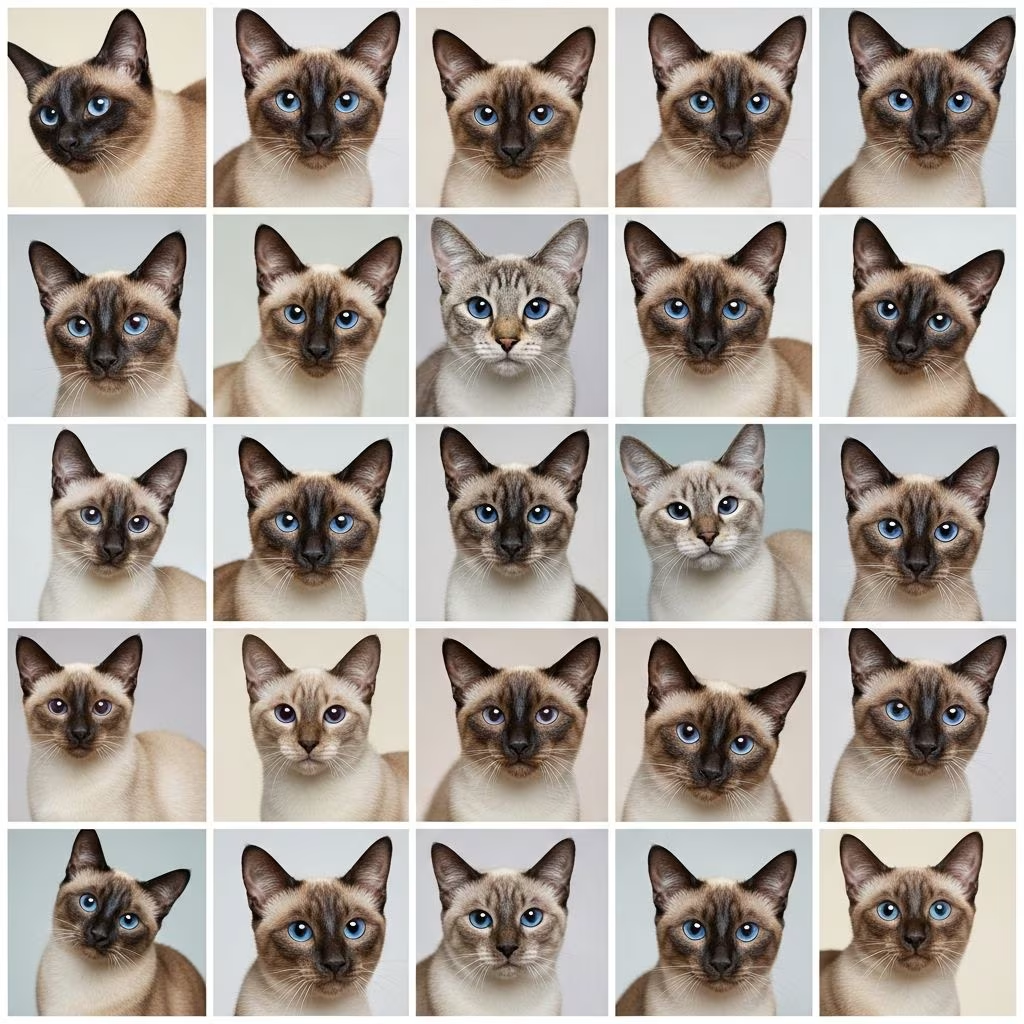
33 Striking Siamese Cat Colors (With Pictures)
Siamese cats are renowned for their striking appearance and distinctive color patterns. While many people associate Siamese cats with a single classic look, the breed actually displays a remarkable variety of colors and patterns. From the traditional seal point to rare and exotic color combinations, Siamese cats offer something for every feline enthusiast. This comprehensive guide explores all 33 recognized Siamese cat colors and patterns, helping you understand the differences between these beautiful variations.
Understanding Siamese Cat Coloring
Siamese cats are born almost entirely white, with their distinctive color developing as they mature. This temperature-sensitive coloration pattern, known as colorpoint, occurs because the genes responsible for darker pigmentation are only activated in the cooler parts of the body. The ears, face, paws, and tail develop darker shades, creating the characteristic contrast that defines the breed. Understanding this genetic trait helps explain why Siamese cats display such diverse color variations.
Standard Siamese Cat Colors
The Cat Fanciers’ Association and other major cat registries recognize four primary Siamese cat colors as the official breed standard. These traditional colors remain the most popular and widely accepted among breeders and show judges.
1. Seal Point
The seal point is the classic Siamese color that most people recognize instantly. This was historically the only accepted color for the breed until other variations were introduced. Seal point Siamese cats feature rich, dark chocolate-colored points that border on black, creating dramatic contrast against their cream-colored bodies. The nose leather and paw pads are a deep brown color. Among all Siamese color variations, seal points typically develop the darkest body coloration as they age, making them instantly recognizable and timelessly elegant.
2. Chocolate Point
Chocolate point Siamese cats display noticeably lighter points compared to their seal point cousins. Rather than the deep brown-black of seal points, chocolate points feature a warm milk chocolate shade. The body color is ivory white, which creates striking contrast with the chocolate-colored extremities. The nose leather and paw pads are pale brown with hints of pink. This color variation brings sophistication and warmth to the Siamese breed, offering a slightly gentler appearance than the bold seal point.
3. Blue Point
Blue point Siamese cats are adorable and sweet-looking, with their bright blue eyes and fair coat color. The majority of the body is white with a subtle bluish tint, creating a cool-toned appearance that distinguishes them from warmer-colored Siamese varieties. The points display a slate-colored or grey appearance, and the nose leather and paw pads are slate gray. Blue point kittens are extremely light-colored at birth and gradually develop more pigment as they mature. This color is technically a dilution of the original seal point coloration.
4. Lilac Point
The lilac point, sometimes called the frost point, is a warm gray color with pink undertones running through the points. These cats have the lightest-colored bodies of all Siamese color varieties, with pale white coats that remain light even as the cat ages. The nose leather and paw pads are a soft pink color. Unlike most Siamese cats that develop additional pigment with age, lilac points maintain their pale, delicate appearance throughout their lives. This color variation is technically a diluted version of the chocolate point.
Additional Standard Colors
5. Red Point
Also known as flame point or orange point, red point Siamese cats feature distinctive chestnut red or orange-colored points. Their noses and paw pads are pale pink. The red point coloring is not universally accepted by all cat associations and registries. To achieve this color, Siamese cats were crossed with tortoiseshell and red tabby breeds, introducing new genetic material to the traditional Siamese line.
6. Cinnamon Point
Cinnamon point Siamese cats display beautiful warm cinnamon shading across their points. These cats have less distinct facial markings compared to darker varieties, with the cinnamon color concentrated primarily on the nasal area and muzzle. The body features warm ivory coloring, while the nose leather and paw pads range from pink to pale brown. This color variation creates a warm, inviting appearance that differs distinctly from cooler-toned Siamese cats.
7. Caramel Point
Caramel point Siamese cats display warm gray-brown tones across their extremities. The coloration can vary in depth but typically does not extend across the entire face and instead concentrates on the nose and muzzle area. The nose leather and paw pads are soft gray with subtle pink undertones. These cats may appear more solid in color than other point varieties due to less distinct facial markings, creating a unique and sophisticated appearance.
8. Cream Point
Cream point Siamese cats are very light-colored with little to no contrast between their body and point coloring. These cats feature pale, creamy coats with minimal differentiation. Cream points are less universally accepted because they were developed through crossbreeding with Abyssinian and red Domestic Shorthair cats. Despite their controversial origins, cream points remain a beautiful and delicate color variation within the Siamese breed.
9. Fawn Point
Fawn point Siamese cats have soft grey and cream-colored points that visually resemble seal, chocolate, and blue point varieties but with noticeably less color depth. This lighter, more subtle coloration makes fawn points distinctly different from their darker cousins. The fawn coloring creates a gentle, muted appearance that appeals to those seeking a less dramatic color variation.
10. Apricot Point
Apricot point Siamese cats are nearly identical to cream points but feature a distinct orange tint throughout their coat. These cats display very little contrast between their body and point coloring, creating a soft, unified appearance. The apricot variation offers a warm, peachy tone that distinguishes it from the more neutral cream point coloration.
Tabby Point Siamese Cats
Tabby point Siamese cats combine the distinctive colorpoint pattern with tabby markings, creating striking combinations. All standard point colors come in tabby variations, identified by characteristic “M” markings on the forehead and striped patterns throughout the points.
- Seal Tabby Point
- Chocolate Tabby Point
- Blue Tabby Point
- Lilac Tabby Point
- Red Tabby Point
- Cinnamon Tabby Point
- Cream Tabby Point
- Caramel Tabby Point
- Apricot Tabby Point
- Fawn Tabby Point
Tortoiseshell Point Siamese Cats
Tortoiseshell point Siamese cats were created through selective crossbreeding with other breeds to introduce tortoiseshell coloring. These cats display unique multi-colored point patterns that create distinctive and eye-catching appearances. Tortie points combine the warmth and complexity of tortoiseshell patterns with the classic Siamese colorpoint structure.
- Seal Tortie Point
- Chocolate Tortie Point
- Blue Tortie Point
- Lilac Tortie Point
- Cinnamon Tortie Point
- Fawn Tortie Point
- Caramel Tortie Point
- Apricot Tortie Point
Tortoiseshell Tabby Point Siamese Cats
Tortoiseshell tabby point Siamese cats represent the most complex color combinations, blending tortoiseshell coloring with tabby markings. These cats feature the characteristic “M” on the forehead along with mottled tortoiseshell patterns in their points, creating truly unique and striking appearances.
- Seal Tortie Tabby Point
- Chocolate Tortie Tabby Point
- Blue Tortie Tabby Point
- Lilac Tortie Tabby Point
- Cinnamon Tortie Tabby Point
- Fawn Tortie Tabby Point
- Caramel Tortie Tabby Point
Notable Tortie Tabby Variations
The blue tortie tabby point Siamese displays a random genetic mutation creating a mottled appearance across the points in blue, chocolate, lilac, seal, caramel, cinnamon, and fawn tones. This stunning variation showcases nature’s complexity in color genetics. Chocolate tortie tabby points feature primarily chocolate coloring with tortoiseshell point patterns and the distinctive “M” forehead marking. Fawn tortie tabby points combine warm gray coloring with tortie tabby patterns, while lilac tortie tabby points offer the rarity of lilac coloration combined with tortie tabby markings—a true collector’s variety for Siamese enthusiasts.
The Foreign White Siamese
The Foreign White represents the 33rd recognized Siamese color variety, though it remains controversial in the cat fancy world. This striking all-white Siamese cat is created by crossing a traditional Siamese with a white British Shorthair. While not officially accepted by most cat show associations, the Foreign White is recognized by some registries and is often considered its own distinct breed. These cats maintain the characteristic blue eyes and body structure of Siamese cats while displaying a pristine white coat.
Color Development and Age Changes
One fascinating aspect of Siamese cat coloring is how colors develop and change throughout the cat’s life. Siamese kittens are born predominantly white, with color gradually developing as they mature. Different color varieties develop at different rates—some kittens show visible points within weeks, while others take months to fully color in. Cooler environments can intensify point coloration, which is why Siamese cats in colder climates often develop darker, more contrasted colors. Additionally, some Siamese cats, particularly blue and lilac points, become noticeably darker as they age, while others like lilac points maintain their light coloration throughout their lives.
Breed Standard Recognition
While 33 distinct color varieties exist within the Siamese breed, most major cat registries recognize only four colors as meeting the official breed standard: seal point, chocolate point, blue point, and lilac point. Over the years, the number of officially recognized colors has actually decreased from approximately 30 varieties to just these four. However, breeders and enthusiasts continue developing and recognizing other colors and patterns, contributing to the remarkable diversity within the breed.
Selecting Your Siamese Cat Color
When choosing a Siamese cat, consider which color appeals to you aesthetically and aligns with your goals. If you plan to show your cat, select one of the four standard colors recognized by major registries. If you’re seeking a pet companion, any of the 33 varieties offers beautiful and affectionate companionship. Consider your home’s environment and climate, as temperature influences color development. Also think about the level of contrast you prefer—dramatic seal points offer bold contrast, while cream and lilac points provide softer, more subtle appearances.
Frequently Asked Questions
Q: Are all Siamese cats born white?
A: Yes, all Siamese kittens are born almost entirely white. Their distinctive point coloring develops gradually as they mature due to a temperature-sensitive gene that activates darker pigmentation in cooler areas of the body.
Q: Why do some Siamese cats’ colors change as they age?
A: Siamese cats develop additional pigment as they mature, causing colors to darken. This process varies by color variety—some cats like seal points develop noticeably darker coats, while others like lilac points remain relatively pale throughout their lives.
Q: Which Siamese colors are officially accepted by breed standards?
A: The four official breed standard colors recognized by major cat associations are seal point, chocolate point, blue point, and lilac point. Other colors exist but aren’t universally accepted for show purposes.
Q: What causes the different Siamese color variations?
A: Different colors result from selective breeding and genetic variations. Some colors like red point and cream point were developed through crossbreeding Siamese cats with other breeds like tortoiseshells and red tabbies.
Q: Can environmental temperature affect Siamese cat coloring?
A: Yes, cooler environments can intensify point coloration in Siamese cats. Cats living in colder climates often develop darker, more contrasted colors compared to those in warmer environments.
Q: Is the Foreign White Siamese accepted by cat associations?
A: The Foreign White is not officially accepted by most cat show associations, though some registries recognize it. It’s often considered a separate breed rather than a Siamese color variety.
Q: How do tabby point and tortoiseshell point patterns differ?
A: Tabby points feature striped patterns and the characteristic “M” marking on the forehead, while tortoiseshell points display multi-colored patches throughout the points without distinct stripes.
References
- 33 Striking Siamese Cat Colors (With Pictures) — Catster. 2024. https://www.catster.com/lifestyle/siamese-cat-colors/
- What Colors Can Siamese Cats Be? — Litter-Robot. 2024. https://www.litter-robot.com/blog/siamese-colors/
- Cat coat: Siamese, point coloration, and albino cats — The Little Carnivore. 2024. https://thelittlecarnivore.com/en/blog/cat-coat-siamese-point-coloration-and-albinos
- 12 Siamese Cat Types and How to Tell Them Apart — Cats.com. 2024. https://cats.com/siamese-cat-types
- Breed Color Point Varieties Page — Tresor Siamese Cats. 2024. http://tresorsiamesecats.com/siamesebalinesecolorpoints.html



