

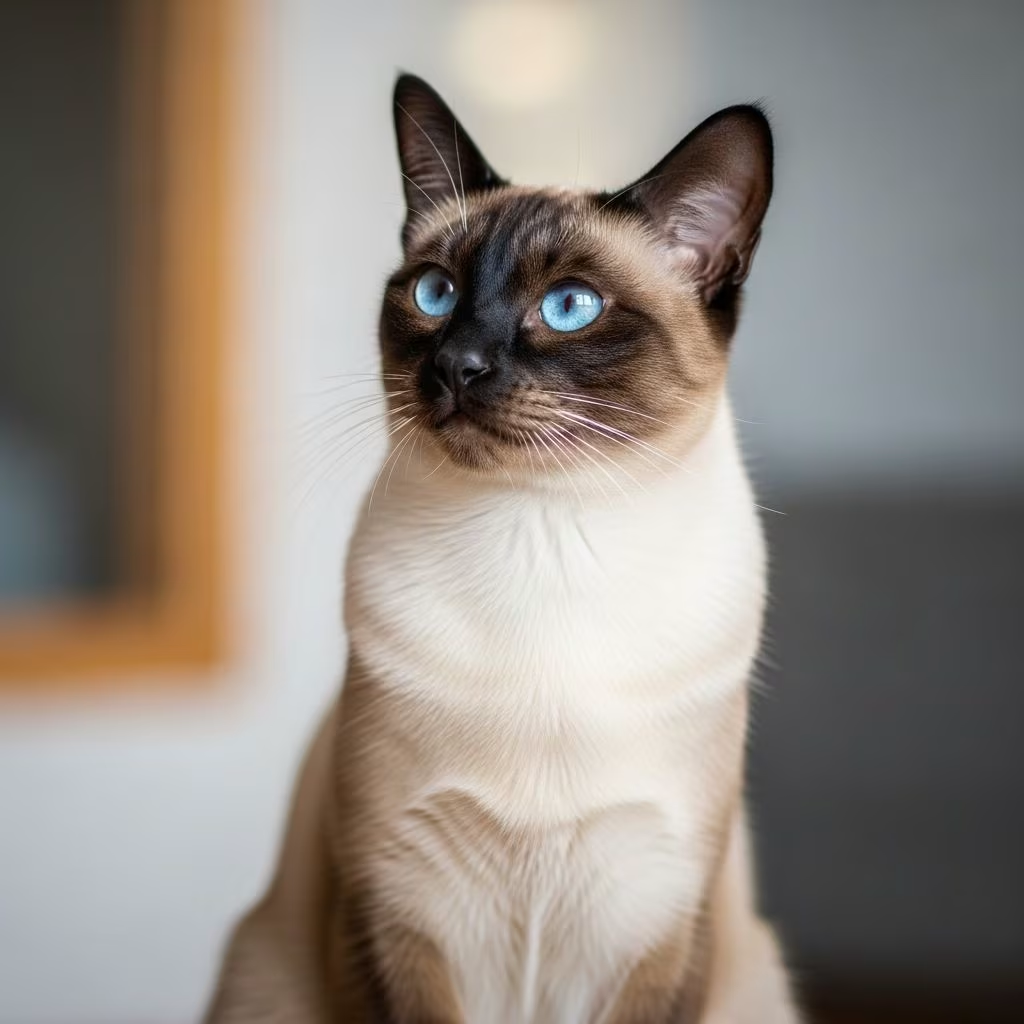
Siamese cats have captured the hearts of pet lovers for centuries with their stunning appearance and distinctive personalities. Once reserved for royalty in Thailand, these elegant felines have become beloved companions in households around the world. Their striking blue eyes, sleek bodies, and vocal nature make them instantly recognizable and utterly captivating. Whether you’re considering adopting a Siamese cat or already have one as a family member, understanding their unique needs and characteristics is essential for providing the best possible care.
History and Royal Origins of the Siamese Cat
The Siamese cat breed boasts a rich and fascinating history dating back centuries. According to historical records, Siamese cats originated in present-day Thailand, formerly known as Siam. These magnificent creatures were so prized that ownership was once restricted to royalty and nobility. The breed’s legendary status is intertwined with tales of temple guardianship, where Siamese cats were believed to protect the souls of high-ranking individuals who had passed away.
Documented in the ancient “Tamra Maew” poetry book from the Ayutthaya period (14th-18th centuries), Siamese cats were immortalized as white cats with distinctive dark points on their legs, ears, and tails. This historical documentation confirms that the breed’s distinctive color pattern has remained consistent throughout the centuries. The breed’s journey from Thai temples to international prominence accelerated in the late 1800s when these captivating cats began to be exported to Western countries, gradually gaining popularity among cat enthusiasts worldwide.
Distinctive Physical Characteristics
Siamese cats are often referred to as the supermodels of the cat world, and their physical appearance certainly justifies this comparison. These felines possess an unmistakably elegant and refined look that sets them apart from other cat breeds.
Body Structure and Build
Siamese cats are characterized by their long, lean, and lithe bodies. They typically weigh between 5 to 12 pounds, with males generally being larger than females. Their body length ranges from 12 to 14 inches, though their long legs and tail make them appear taller and more elongated than their actual weight would suggest. The breed features slim, graceful limbs and an equally long slender tail that completes their svelte silhouette.
Facial Features and Eyes
The Siamese face is distinctly angular and wedge-shaped, topped by large, pointed triangular ears that are proportionally larger than those of most other cat breeds. These prominent ears contribute significantly to their alert and intelligent expression. However, the most striking feature of any Siamese cat is undoubtedly their eyes. Siamese cats possess vivid, sapphire blue eyes that are almond-shaped and deeply expressive. These stunning eyes are one of the breed’s most captivating features and have contributed to their legendary status.
Coat and Color Patterns
Siamese cats have short, sleek coats that lie close to their bodies. Interestingly, all Siamese kittens are born with completely white or cream-colored fur. As they mature, darker coloration gradually develops on their face, ears, paws, and tail—a phenomenon known as “pointing.” This color development process typically begins when kittens are just a few weeks old.
The four traditional Siamese color patterns are:
- Seal Point: Cream or fawn body with rich dark brown points
- Chocolate Point: Ivory body with warm brown points
- Blue Point: Glacial white body with grayish-blue points
- Lilac Point: White or pinkish body with pinkish-gray points
Modern breeding has introduced additional color variations including Lynx Point (tabby-coated), Red Point, Cream Point, and Smoke Point, expanding the palette of available color patterns.
Siamese Personality and Temperament
Beyond their physical beauty, Siamese cats are renowned for their vibrant and engaging personalities. These cats are highly intelligent, social, and remarkably affectionate, making them exceptional companions for the right household.
Social and Affectionate Nature
Siamese cats are famously sociable and thrive on human interaction. They form deep bonds with their caregivers and often become shadow-like companions, following their owners from room to room throughout the day. Unlike more independent cat breeds, Siamese cats actively seek out attention and love nothing more than receiving cuddles and affection from their humans. They typically form a special connection with one primary caregiver but will happily cuddle up on the lap of anyone willing to offer attention.
Vocal and Communicative Behavior
Siamese cats are famous for their distinctive and sometimes loud meow. These vocal felines have opinions they eagerly share and will engage in meow-conversations with their owners, seemingly always wanting the last word. They are talkative by nature and will vocalize their needs, desires, and observations throughout the day. This characteristic makes them excellent for owners who enjoy interactive communication with their pets.
Playful and Intelligent Nature
Siamese cats are exceptionally intelligent and playful. Their curious and mischievous antics require daily mental enrichment and interactive play to prevent behavioral issues. Without adequate stimulation, their clever minds may lead them into trouble. These active cats take their need for play as seriously as their need for affection, thriving on interactive games, puzzle toys, and engaging activities.
Siamese Cats as Family Pets
Siamese cats can make wonderful additions to households of various compositions when properly introduced and socialized.
Compatibility with Children
Siamese cats are generally excellent with children. Their gentle, patient, and playful nature makes them ideal family pets. However, as with any cat, introductions should be done slowly and carefully, and children should be taught to handle the cats gently and respectfully.
Compatibility with Other Pets
Siamese cats tend to get along well with other cats and cat-friendly dogs. Their sociable temperament extends beyond human relationships, and they typically enjoy the companionship of other animals. Proper introductions are essential to ensure harmonious relationships between pets.
Caring for Your Siamese Cat
Adopting a Siamese cat means making a commitment to providing daily engagement and enrichment activities. These demanding felines require more than basic care to thrive.
Daily Enrichment and Interaction
Siamese cats need substantial daily interaction and mental stimulation. Interactive play sessions, training exercises, and engaging toys are essential components of their care routine. Dedicating time for one-on-one bonding through interactive play and training is crucial for maintaining their mental health and behavioral well-being. If Siamese cats feel they’re not receiving the attention they deserve, they will make their displeasure known through vocal complaints.
Training and Behavioral Enrichment
Siamese cats are highly trainable and can learn to fetch, walk on a leash, and participate in agility courses. Some enjoy fetching games and running agility exercises, providing excellent mental and physical stimulation. Their intelligence makes them responsive to training techniques and positive reinforcement.
Siamese Cat Grooming Guide
Despite their royal heritage, Siamese cats don’t require elaborate grooming routines. Their care needs are surprisingly straightforward and manageable.
Skin and Coat Care
Siamese cats don’t require special bathing or skin care due to their short, sleek coats. Regular brushing can help maintain their coat’s shine and reduce shedding, though it’s not necessary for health purposes. If you notice your cat is overgrooming, itching, or experiencing skin irritation, consult your veterinarian promptly.
Dental Care
Given that Siamese cats are prone to dental problems due to their angular facial structure, regular dental care is particularly important. Learning how to properly brush your Siamese cat’s teeth and scheduling regular dental check-ups with your veterinarian can help prevent dental issues and maintain oral health.
Eye Care
While Siamese cats don’t require special eye care beyond regular observation, monitor their eyes for any signs of irritation or discharge, and report any concerns to your veterinarian.
Nutrition and Feeding Guidelines
Proper nutrition is fundamental to maintaining your Siamese cat’s health and well-being. A high-quality commercial diet approved by the Association of American Feed Control Officials (AAFCO) will provide your Siamese cat with all the essential nutrients and vitamins needed for their specific life stage.
Diet selection depends on various factors including age, activity level, and any underlying health conditions. It’s always best to consult your cat’s veterinarian to make informed decisions about the most appropriate diet for your individual Siamese cat. Your veterinarian can provide personalized recommendations based on your cat’s specific needs and health profile.
Health Considerations and Genetic Concerns
While Siamese cats are generally healthy and can live long lives, the breed is prone to certain health conditions that potential owners should understand.
Respiratory and Sinus Issues
One of the most common health concerns in Siamese cats relates to their distinctive facial structure. The angular shape of their faces makes them more prone to sinus and respiratory issues. Their facial conformation can predispose them to breathing difficulties and chronic sinus problems. Regular veterinary check-ups can help identify and manage these conditions early.
Dental Problems
Siamese cats have an increased frequency of dental problems, also linked to their facial structure. Regular dental care, including tooth brushing and professional dental cleanings, is important for maintaining oral health and preventing tooth decay and gum disease.
Hereditary Retinal Degeneration
While more frequently reported in Abyssinian and Somali cats, Siamese cats may be prone to hereditary retinal degeneration, a genetic condition affecting the eyes. Symptoms typically begin appearing in young cats around 1 to 2 years of age, initially presenting as night blindness and potentially progressing to total loss of vision. While this condition cannot be cured, cats without vision can live full, happy lives with special accommodations and adjustments to their environment.
Responsible Siamese breeders can and should genetically test parents for the genes associated with this condition to reduce its prevalence in the breed. If you’re purchasing a Siamese kitten from a breeder, inquire about genetic testing and health guarantees.
Siamese Cat Lifespan
One of the advantages of choosing a Siamese cat is their impressive longevity. Indoor Siamese cats have an average lifespan of 15 to 20 years, with some individuals living considerably longer. The breed has one of the longest lifespans among domestic cat breeds. In 2016, a Siamese named Scooter was crowned the oldest living cat in the world by Guinness World Records at an astounding age of 30 years old.
Choosing a Healthy Siamese Cat
When selecting a Siamese cat, whether from a breeder or rescue organization, understanding the family health history is crucial. Interview breeders thoroughly and request detailed health history information on the family line. Consider adopting Siamese cats that don’t have the extreme angular “show look” if you want a kitty more likely to be free of health problems. If you’re adopting from a rescue organization, ask for as much health history information as available.
Frequently Asked Questions About Siamese Cats
Q: Are Siamese cats good pets?
A: Yes, Siamese cats make great pets for those seeking an affectionate feline with a vibrant personality. They’re gentle and known to get along well with both children and dogs when properly socialized.
Q: Are Siamese cats cuddly?
A: Absolutely. Siamese cats love receiving love and attention from their humans. They often form special bonds with one caregiver but will cuddle up on the lap of anyone willing to offer affection and attention.
Q: How long do Siamese cats live?
A: Indoor Siamese cats have an average lifespan of 15 to 20 years, with some living well into their 20s and beyond with proper care.
Q: What colors do Siamese cats come in?
A: The four traditional Siamese colors are seal, chocolate, lilac, and blue point. Modern variations also include Lynx Point, Red Point, Cream Point, and Smoke Point.
Q: Do Siamese cats require special grooming?
A: No, despite their royal origins, Siamese cats don’t require special grooming. Their short coats need minimal maintenance, though regular brushing can help reduce shedding.
Q: How much playtime do Siamese cats need?
A: Siamese cats require substantial daily interactive play and mental stimulation. Without adequate enrichment, their curious and intelligent nature may lead to behavioral issues.
References
- Siamese Cat Breed Health and Care — PetMD. Accessed November 2025. https://www.petmd.com/cat/breeds/siamese
- Siamese Cat Breed: Facts, Temperament & Care Info — Chewy. https://www.chewy.com/education/cat/general/siamese-cat-breed-facts-temperament-care-info
- Siamese | Personality, Coloration & Origin — Britannica. https://www.britannica.com/animal/Siamese-breed-of-cat
- How Long Do Siamese Cats Live? — AvoDerm. https://avodermnatural.com/blog/how-long-do-siamese-cats-live/
- National Siamese Cat Day Facts — NC State University College of Veterinary Medicine. https://news.cvm.ncsu.edu/national-siamese-cat-day-facts/



