

Siamese Cat Breed: Complete Guide to Characteristics and Care
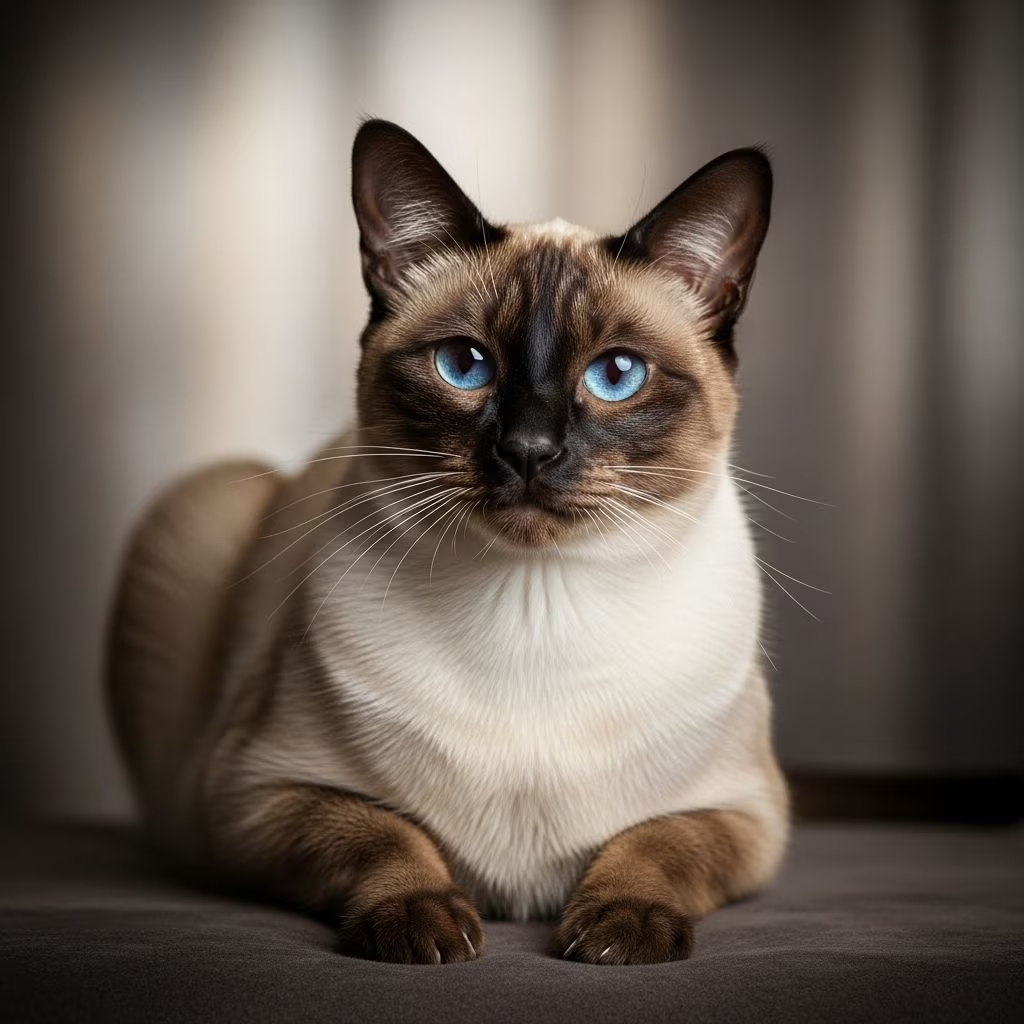
The Siamese cat breed represents one of the most recognizable and distinctive feline breeds in the world. Known for their striking appearance, exceptional intelligence, and remarkably vocal nature, Siamese cats have captivated cat enthusiasts for centuries. These elegant cats are medium-sized yet muscular, combining grace with athleticism in a way that sets them apart from other breeds. Their distinctive pointed coloration, combined with their brilliant blue eyes, creates an unmistakable silhouette that cat lovers worldwide immediately recognize.
Distinctive Physical Characteristics
Siamese cats possess a unique body structure that defines the breed standard. The body is long, lithe, and tubular with a sleek, muscular composition that belies their actual weight. These cats typically weigh between 5 to 12 pounds, with males generally being larger than females, yet they carry their weight in a way that makes them appear lighter and more delicate than they actually are.
Head and Facial Features
The head of a Siamese cat forms a distinctive long triangle when viewed from the front. This triangular shape extends from the tip of the nose to each ear tip, creating the characteristic wedge profile. The nose is notably long and straight, forming a seamless continuation of the forehead with no break or bump. The muzzle is fine and pointed, leading to a strong, well-defined chin that aligns vertically with the tip of the nose.
Perhaps the most striking facial feature of the Siamese breed is their ears. These large ears are set high on the head, positioned to follow the lines of the wedge-shaped head, and feature a wide base that tapers to a point. The ears are proportionally larger than those of many other cat breeds, contributing to their distinctive appearance and enhancing their exceptional hearing capabilities.
Eyes and Vision
Siamese cats are renowned for their mesmerizing almond-shaped eyes that slant slightly toward the nose. These eyes are a deep, brilliant blue—a signature feature of the breed. The eye shape and positioning are not merely aesthetic; they contribute to the breed’s characteristic expression and are a critical component of the breed standard. The intense blue eye color typically intensifies as kittens mature, developing into the vivid sapphire tone characteristic of adult Siamese cats.
Body Structure and Legs
The Siamese body is distinctly tubular and elongated, with long, slender legs that appear almost impossibly thin given the cat’s muscular nature. The hind legs are positioned higher than the front legs, contributing to the breed’s athletic stance. The paws are small, dainty, and oval-shaped, with five toes on the front paws and four on the back.
The tail is another defining characteristic, being long, thin, and tapering to a fine point. The tail should be free from kinks and maintain a graceful curve. The neck is notably long and slender, adding to the overall elongated appearance of the breed. The overall body structure creates an impression of elegance and refinement, with perfect balance among all anatomical features.
Coat and Coloration
The Siamese coat is short, fine-textured, and glossy, lying close to the body without an undercoat. This short coat requires minimal grooming compared to long-haired breeds, though many Siamese cats enjoy being groomed as they associate the activity with affection and attention from their owners.
The breed’s most distinctive feature is its pointed coloration pattern, where the face (mask), ears, limbs, and tail display darker coloring while the main body remains lighter. Siamese kittens are born nearly white or cream-colored and gradually develop their darker points as they mature. The breed recognizes four primary color variations:
- Seal Point: Cream or fawn body with deep seal brown points
- Chocolate Point: Ivory body with milk-chocolate colored points
- Blue Point: Bluish-white body with deep blue points
- Lilac Point: Glacial white body with frosty grey points with a pinkish tone
Personality and Temperament
The Vocal and Social Nature
Siamese cats are probably as well-known for their loud, distinctive vocal personality as they are for their classic appearance. These cats are highly communicative and will engage in extended meow conversations with their owners, seemingly determined to have the last word in every discussion. Their vocalizations are often described as strident and demanding, as they use their voice to express opinions, request attention, and participate actively in household activities.
Beyond their vocal nature, Siamese cats are outgoing extroverts that demand attention and insist on being part of the family dynamic. They are not background cats content to observe from a distance; instead, they prefer active engagement with their human family members. This social nature means that Siamese cats are generally excellent with people of all ages, including children, and typically get along well with other cats and cat-friendly dogs.
Intelligence and Problem-Solving
Siamese cats are renowned for their exceptional intelligence and are often considered the most intelligent of all cat breeds. They demonstrate remarkable problem-solving abilities and are expert communicators who excel at making their desires known through both body language and vocalization. This intelligence means they respond well to interactive play, puzzle toys, and mental stimulation.
Affection and Attachment
Siamese cats are deeply affectionate and often bond strongly with a single person, though they typically show love and attention to all family members. They have earned the reputation of being “clingy” cats, not in a neurotic sense, but because they genuinely enjoy close contact with their humans. They will follow their owners from room to room and seek out the warmest spot in the house—which is frequently their owner’s lap. This desire for closeness and warmth is a defining characteristic of the breed and should be considered when evaluating whether a Siamese cat is the right fit for your household.
Activity Level and Exercise Needs
Siamese cats are highly active and inquisitive, requiring substantial physical and mental enrichment to maintain their well-being. These athletic cats are exceptional jumpers and naturally gravitate toward heights, making cat trees and elevated perches essential components of the home environment. They love to play and appreciate interactive toys that stimulate their hunting instincts and problem-solving abilities.
The breed benefits from simulated hunting games and interactive play sessions with their owners. Without adequate enrichment and activity, Siamese cats may become destructive or display behavioral issues. They thrive in environments where they receive regular attention, play opportunities, and mental challenges. This makes them particularly well-suited for owners who can dedicate time to interactive engagement.
Care and Grooming Requirements
Coat Maintenance
The Siamese short coat requires minimal grooming compared to long-haired breeds. Weekly brushing is generally sufficient to maintain coat health and appearance. However, many Siamese cats actively enjoy grooming sessions and associate brushing with affection, often seeking out their owners specifically for grooming time. Regular brushing helps remove loose hair and keeps the coat in optimal condition.
Nail and Dental Care
Regular nail trimming is important for maintaining the Siamese cat’s health and preventing scratching-related damage to furniture and household items. Dental care is equally important, as cats are prone to dental disease. Regular tooth brushing and professional dental cleanings contribute to overall health and longevity.
Nutritional Considerations
Siamese cats require carefully controlled nutrition due to their lean body structure. Weight gain is immediately apparent in Siamese cats, as their long, slim legs are not designed to support excess body weight. Even a single day of overeating can result in a noticeable pot belly. High-quality, portion-controlled diet is essential for maintaining ideal body weight and preventing obesity-related health issues. Consultation with a veterinarian regarding appropriate portion sizes and feeding schedules is recommended.
Health Considerations
Siamese cats are generally healthy when obtained from reputable breeders who conduct appropriate health screening. However, the breed is predisposed to certain genetic conditions that prospective owners should be aware of. These may include:
- Progressive retinal atrophy, which can lead to vision problems
- Hypertrophic cardiomyopathy, a form of heart disease
- Asthma and respiratory sensitivities
- Amyloidosis, a condition affecting multiple organs
Regular veterinary examinations, appropriate health screening before breeding, and prompt attention to any health concerns contribute to a long and healthy life. Most Siamese cats live between 11 and 20 years, with an average lifespan of approximately 15 years.
Environmental Needs and Space Requirements
Siamese cats benefit from living environments that provide adequate space and enrichment opportunities. They require extensive access to both indoor and outdoor space for climbing, exploring, and engaging in natural behaviors. Window perches allow them to observe the outside world, which provides mental stimulation and entertainment.
The breed thrives in calm, structured environments where they receive consistent attention and interaction. They do not adapt well to chaotic households with excessive noise or constant disruption. Additionally, Siamese cats do not tolerate extended periods of solitude well, making them unsuitable for individuals who work full-time outside the home unless multiple cats are present to provide companionship.
Suitability for Different Households
Ideal Owners
Siamese cats are best suited for experienced cat owners who understand the breed’s unique characteristics and requirements. They thrive in homes where they receive significant attention, interactive play, and mental stimulation. Owners should be prepared for a vocal, opinionated companion that demands engagement and affection. The breed is ideal for individuals or families willing to provide the interactive companionship these cats crave.
Considerations for Family Homes
While Siamese cats can be wonderful family companions, they are not universally ideal for all family situations. Families with very young children should consider that Siamese cats may become overwhelmed by excessive noise or chaotic activity. However, families with older children who can engage in interactive play and provide appropriate handling often find Siamese cats to be delightful companions.
Multi-Cat Households
Siamese cats that cannot receive adequate attention from owners may benefit from having another cat as a companion. The presence of another cat can prevent separation anxiety and provide entertainment and social interaction. However, careful introduction and consideration of the other cat’s personality is essential, as not all cats are compatible.
Frequently Asked Questions
Q: Are Siamese cats good with children?
A: Yes, Siamese cats are typically good with children, especially older children who can handle them gently and engage in interactive play. Their social and playful nature makes them excellent family companions, though supervision is recommended with very young children.
Q: How much do Siamese cats cost?
A: Siamese cats from reputable breeders typically cost between $600 and $1,200, depending on the breeder’s reputation, the cat’s lineage, and whether it is show-quality. Rescue organizations may have Siamese cats available at lower costs.
Q: Do Siamese cats require outdoor access?
A: While Siamese cats benefit from outdoor access or enriched indoor environments, they can adapt to indoor-only living if provided with adequate stimulation, climbing structures, and interactive play opportunities.
Q: Why are Siamese cats so vocal?
A: Siamese cats are naturally vocal communicators that use their voice to express opinions, request attention, and engage with their owners. This vocalization is a defining characteristic of the breed and part of their interactive, social nature.
Q: How long do Siamese cats typically live?
A: Siamese cats typically live between 11 and 20 years, with an average lifespan of approximately 15 years. Proper care, nutrition, and regular veterinary attention contribute to longevity.
Q: Can Siamese cats be left alone?
A: Siamese cats do not tolerate extended periods of solitude well and can develop separation anxiety. They are best suited for homes where they receive regular attention or where multiple cats provide companionship.
References
- Siamese Cat Breed Standard — The Cat Fanciers’ Association. 2024. https://cfa.org/breed/siamese/
- Siamese Breed Information — Governing Council of the Cat Fancy. 2024. https://www.gccfcats.org/getting-a-cat/choosing/cat-breeds/siamese/
- Siamese Cat: Characteristics, Personality & Care — Purina UK. 2024. https://www.purina.co.uk/find-a-pet/cat-breeds/siamese
- Feline Hypertrophic Cardiomyopathy: Genetic Basis and Screening — Journal of Feline Medicine and Surgery. 2023. https://doi.org/10.1177/1098612X23
- Progressive Retinal Atrophy in Cats — Cornell University College of Veterinary Medicine. 2024. https://www.vet.cornell.edu/



