

Siamese Cat Breed: Facts, Temperament & Care Guide
The Siamese cat stands as one of the most distinctive and recognizable feline breeds in the world. Known for their striking appearance, vocal nature, and affectionate personalities, Siamese cats have captivated cat enthusiasts for centuries. These elegant creatures combine sophisticated aesthetics with dynamic personalities, making them a popular choice for families and individual pet owners alike. Understanding the unique characteristics, care requirements, and temperament of Siamese cats is essential for anyone considering bringing one of these remarkable animals into their home.
What Does a Siamese Cat Look Like?
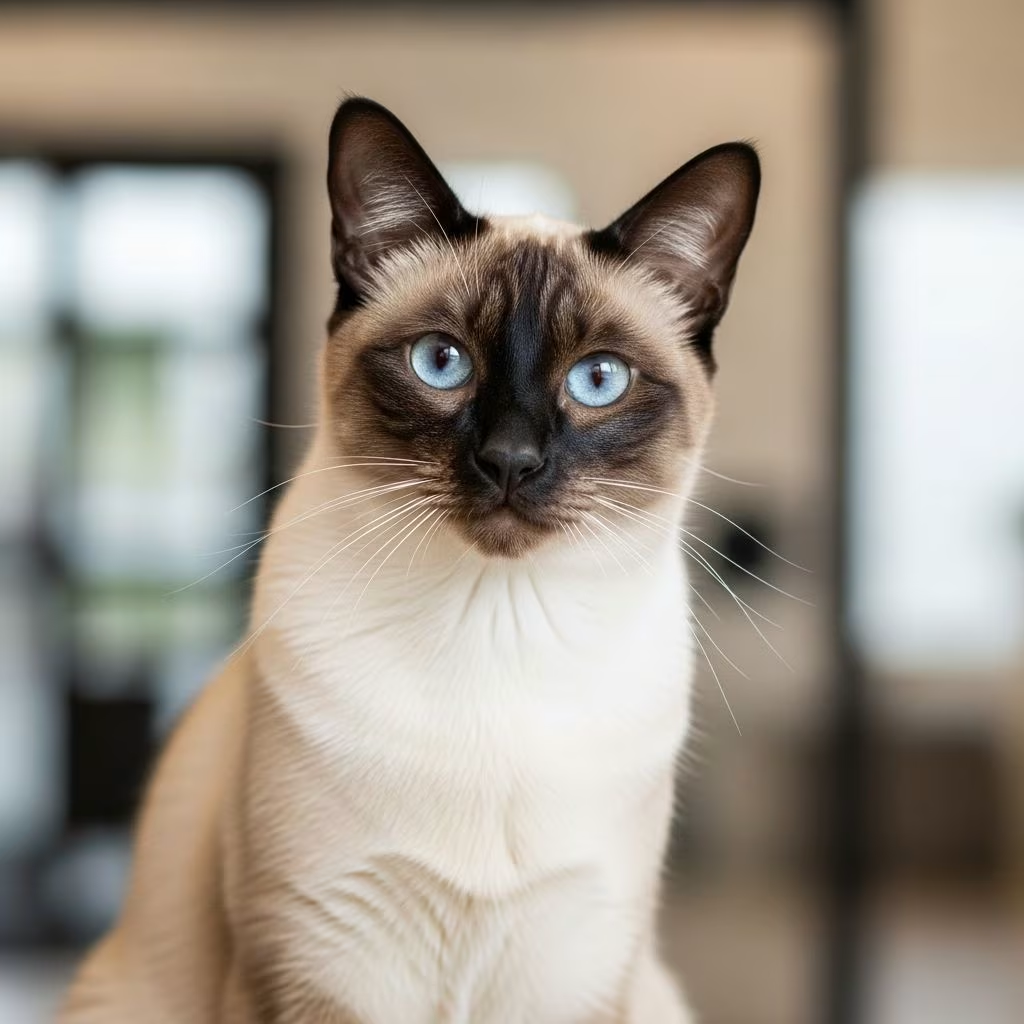
Siamese cats are often described as the supermodels of the feline world, and their appearance certainly justifies this comparison. These cats possess a distinctly elegant and elongated body structure that sets them apart from other breeds. Their physical presence commands attention, from their slender frame to their expressive facial features.
The modern Siamese cat exhibits several defining physical characteristics. Their body is long, lean, and athletic, supported by long, thin legs and an equally slender, tapering tail. The head forms a distinctive triangle shape, extending from the tip of the nose to each ear tip. This triangular formation is a hallmark of the breed standard. Large, pointed ears sit prominently on the head, positioned to create a continuation of the head’s triangular shape, giving Siamese cats an alert and intelligent expression.
The eyes are perhaps the most captivating feature of the Siamese cat. They are almond-shaped and display a vivid, brilliant blue color that is instantly recognizable. These striking blue eyes, combined with their angular features, contribute to the breed’s sophisticated appearance. The nose is long and straight, perfectly proportioned to the head’s wedge-shaped structure.
The Siamese coat is notably short, sleek, and glossy, lying close to the body with no undercoat. This fine fur requires minimal grooming yet maintains a striking appearance. The fur quality is one of the breed’s most distinctive aesthetic features.
Siamese Cat Colors and Markings
One of the most fascinating aspects of Siamese cat appearance is their color pattern, known as color restriction or pointing. Siamese kittens are born entirely white or cream-colored, developing their characteristic darker markings as they mature. The darker coloration appears on the cooler extremities of their body—the face (mask), ears, legs, and tail—creating a striking contrast with the lighter body color.
The classic and most iconic Siamese coloration is seal point, where the body is cream or fawn-colored with rich dark brown points. However, Siamese cats come in several recognized color variations:
- Seal Point: Cream or fawn body with dark brown extremities
- Chocolate Point: Ivory body with milk chocolate-colored points
- Blue Point: Bluish-white body with slate blue extremities
- Lilac Point: White or fawn body with pinkish-gray points
This unique color pattern is temperature-sensitive, resulting from a heat-sensitive enzyme that produces darker pigmentation in the cooler areas of the body. This explains why Siamese kittens develop their points gradually over their first few weeks of life.
Siamese Cat Breed Specifications
| Specification | Details |
|---|---|
| Weight | Males: 8-12 pounds; Females: 5-8 pounds |
| Length | 12-14 inches |
| Life Span | 11-20 years (average: 15 years) |
| Coat Type | Short hair |
| Eye Color | Vivid blue |
| Ear Size | Large and pointed |
| Body Type | Elongated, tubular, and muscular |
Siamese Cat Personality and Temperament
The personality of a Siamese cat is as distinctive as their appearance. These cats are renowned for being highly social, extroverted, and outgoing companions. Unlike many cat breeds that maintain independence, Siamese cats thrive on human interaction and form strong bonds with their owners.
Social and Affectionate Nature
Siamese cats are typically very affectionate and intelligent animals that genuinely enjoy being around people. They are often described as “extroverts” in the feline world, constantly seeking interaction and companionship. Many Siamese cats bond strongly with a single person, following them around the house and demanding attention. They love people of all ages, including children, and generally get along well with other cats and cat-friendly dogs.
These cats are playful and enjoy lap snuggling, making them excellent companions for those seeking an interactive pet. They appreciate being involved in family activities and often insert themselves into whatever their humans are doing.
Vocal and Communicative
One of the most notable characteristics of Siamese cats is their vocal nature. These cats are notoriously talkative and have earned the affectionate nickname “meezers” due to their distinctive low-pitched, loud voice. Siamese cats don’t simply meow—they engage in what many owners describe as conversations, seeming to respond to and initiate dialogue with their humans. They appear to always want the last word in any exchange and will meow back if you talk to them.
This constant communication is a defining trait of the breed. Siamese cats will often scold their owners if they feel ignored, using their vocal abilities to express their opinions and needs clearly.
Intelligence and Playfulness
Siamese cats are highly intelligent and demonstrate remarkable problem-solving abilities. They have been known to use their paws to open doors, twist on faucets, and even turn on televisions. This intelligence makes them responsive to trick training and they readily engage in games of fetch and other interactive play.
These athletic and agile cats have an insatiable need for stimulation and entertainment. They love climbing and readily jump to great heights, making vertical spaces essential in their environment. Siamese cats require significant interactive engagement to prevent boredom, which can lead to behavioral problems.
Siamese Cat Care Requirements
Caring for a Siamese cat involves understanding their specific needs and providing an environment that supports their active, social nature.
Exercise and Enrichment
Siamese cats are highly active and demand considerable attention and interaction. They require abundant interactive games and toys to maintain their mental and physical health. Perches and cat trees are essential, as these cats love climbing and spending time at heights. Providing multiple levels and vertical spaces in your home helps satisfy their natural instincts.
Interactive play sessions should be a daily part of caring for a Siamese cat. Games of fetch, wand toys, and puzzle feeders all provide necessary mental stimulation. Many Siamese cats enjoy long walks around the neighborhood on a harness and leash, offering both physical exercise and environmental enrichment.
Because of their high energy and need for engagement, many experts recommend adopting Siamese cats in pairs, as they can keep each other entertained and prevent loneliness when their owners are occupied.
Nutrition and Weight Management
Siamese cats’ long, slender legs are not designed to support excessive weight. Their lean frame makes any weight gain immediately apparent, and even one day of overeating can result in visible changes. Careful nutrition management is essential for maintaining their health and preventing obesity-related issues.
A high-quality diet appropriate to their age and activity level should be provided. Regular feeding schedules and portion control help prevent overeating. Consulting with a veterinarian about appropriate calorie intake and dietary needs ensures your Siamese cat maintains optimal health throughout their life.
Grooming and Coat Care
The short, glossy coat of Siamese cats requires minimal grooming compared to long-haired breeds. However, Siamese cats tend to associate brushing with affection and enjoy spending time being groomed. Weekly brushing is beneficial for maintaining coat health and provides an opportunity for bonding with your cat. Regular grooming also helps reduce shedding around your home.
Environmental Needs
Siamese cats thrive in environments that accommodate their active nature and social needs. They require extensive mental and physical stimulation to prevent boredom. A calm environment is important, as these sensitive cats can become stressed by excessive noise or chaos. However, they genuinely enjoy being part of family life and participating in household activities.
These cats adapt well to family life when their enrichment and attention needs are met. They benefit from consistent routines and predictable interaction with their owners. Siamese cats can typically be left alone for a few hours but shouldn’t be left for extended periods without companionship or entertainment.
Siamese Cat Health Considerations
Like all cat breeds, Siamese cats are predisposed to certain health conditions. Responsible ownership includes awareness of these potential issues and maintaining regular veterinary care.
Visual and Genetic Conditions
Siamese cats may suffer from abnormal visual projections due to differences in the structure of the lateral geniculate body of the eye. This neurological difference affects how their eyes process visual information compared to other cat breeds, though it typically doesn’t significantly impact their quality of life or vision quality.
The breed is predisposed to several skin conditions, including periocular leukotrichia (white hair around the eyes), pinnal alopecia (hair loss on the ears), and psychogenic alopecia (stress-related hair loss). Young Siamese cats are specifically predisposed to histiocytic cutaneous mast cell tumors, a type of skin cancer.
Siamese cats are among the more commonly affected breeds for gangliosidosis 1, a genetic condition caused by an autosomal recessive mutation in the GBL1 gene. This condition affects the nervous system and is inherited when both parents carry the recessive gene.
Veterinary Care
Regular veterinary check-ups are essential for maintaining a Siamese cat’s health. Annual or bi-annual examinations help catch potential health issues early. Responsible breeders screen breeding cats for genetic conditions to minimize the risk of hereditary health problems in kittens.
Is a Siamese Cat Right for You?
Siamese cats are best suited for owners who can provide substantial time, attention, and interaction. They are ideal for families willing to engage with an active, vocal, and social cat. These cats demand participation in household life and will let you know when they feel neglected.
Potential Siamese cat owners should consider the following:
- Can you provide daily interactive play and mental stimulation?
- Are you comfortable with a vocal cat that communicates frequently?
- Do you have the time and energy for an active, attention-demanding companion?
- Can you maintain a calm, stable home environment?
- Are you committed to careful nutrition management to maintain their ideal weight?
- Do you have experience with cat ownership or the willingness to learn?
If you can answer yes to these questions and are seeking an exceptionally interactive, intelligent, and affectionate feline companion, a Siamese cat may be perfect for you.
Frequently Asked Questions About Siamese Cats
Q: How long do Siamese cats typically live?
A: Siamese cats have a relatively long lifespan, typically living between 11 and 20 years, with an average of approximately 15 years. This makes them a long-term commitment for pet owners.
Q: Are Siamese cats good with children?
A: Yes, Siamese cats are generally good with children. They are playful, affectionate, and enjoy interaction with people of all ages. However, supervision is recommended, as with all cats, to ensure safe and appropriate handling.
Q: Do Siamese cats get along with other pets?
A: Siamese cats typically get along well with other cats and cat-friendly dogs. Many experts recommend adopting them in pairs to provide companionship and entertainment. Proper introductions are essential when adding a Siamese cat to a household with other pets.
Q: Why are Siamese cats so vocal?
A: Siamese cats are naturally vocal and communicative by breed standard. Their distinctive low-pitched meow allows them to express their opinions, needs, and desire for interaction. This vocalization is a defining characteristic of the breed.
Q: How much grooming do Siamese cats need?
A: Siamese cats have short coats requiring minimal grooming. Weekly brushing is recommended to maintain coat health and reduce shedding. Most Siamese cats enjoy grooming sessions as they associate them with affection.
Q: What colors do Siamese cats come in?
A: Siamese cats are born white or cream-colored and develop color points as they mature. Common colors include seal point (dark brown), chocolate point (milk chocolate), blue point (slate blue), and lilac point (pinkish-gray) on the face, ears, legs, and tail.
Q: Do Siamese cats require special nutrition?
A: Siamese cats require carefully managed nutrition due to their lean build. Weight gain becomes immediately visible on their long frames, and obesity can lead to health complications. A balanced, portion-controlled diet appropriate to their activity level is essential.
Q: Are Siamese cats suitable for first-time cat owners?
A: Siamese cats benefit from experienced owners who understand their high-energy, high-maintenance nature. While not impossible for first-time owners, they demand significant time, attention, and engagement that may challenge beginners. They are best suited for dedicated, interactive owners.
References
- Siamese Cat — Wikipedia. Accessed 2025. https://en.wikipedia.org/wiki/Siamese_cat
- Siamese Cat Breed: Facts, Temperament & Care Info — Chewy. https://www.chewy.com/education/cat/general/siamese-cat-breed-facts-temperament-care-info
- What to Know About a Siamese Cat — WebMD Pets. https://www.webmd.com/pets/cats/what-to-know-about-a-siamese-cat
- Siamese Cat Breed — Hill’s Pet Nutrition. https://www.hillspet.com/cat-care/cat-breeds/siamese
- Siamese Cat Breed Information — Purina UK. https://www.purina.co.uk/find-a-pet/cat-breeds/siamese



