

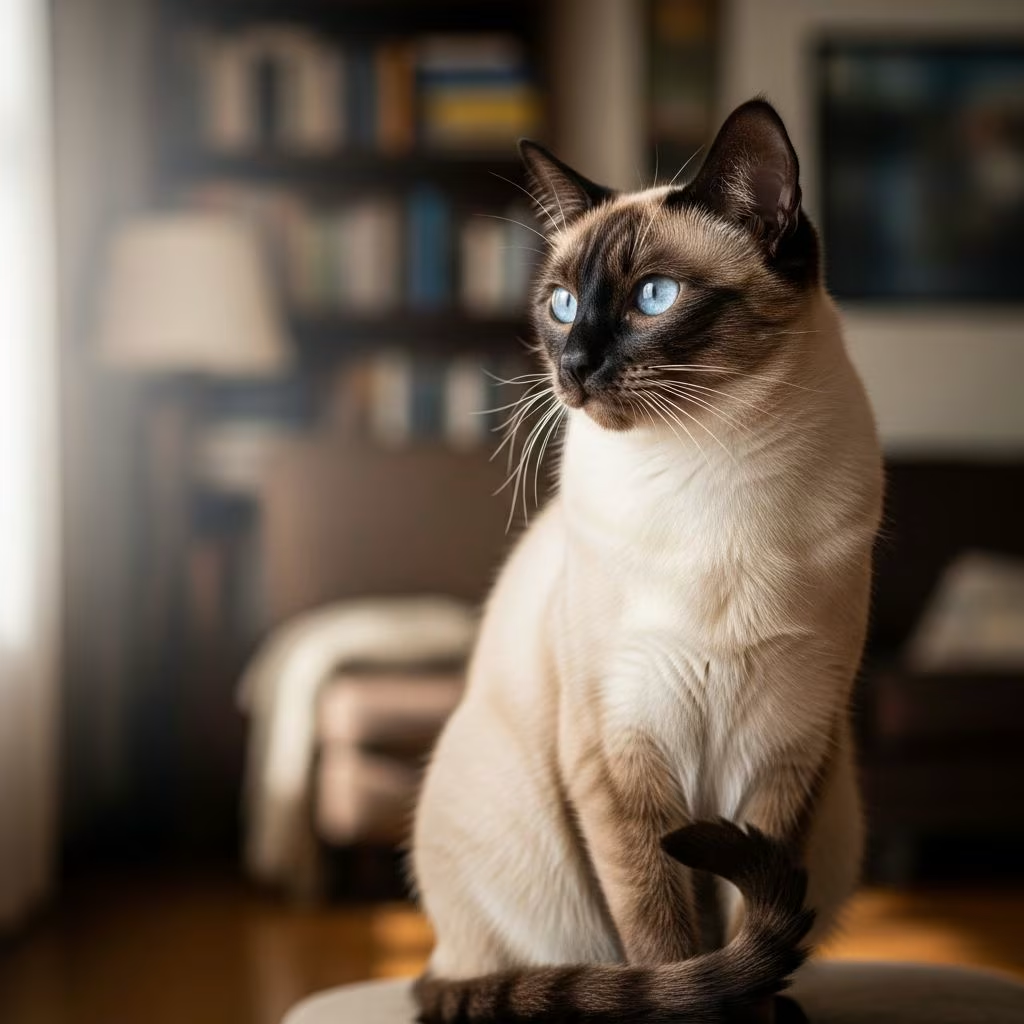
Siamese cats captivate with their striking looks and dynamic personalities, blending loyalty, intelligence, and playfulness into one elegant package. These felines thrive on interaction, often displaying dog-like devotion while retaining their independent feline spirit.
Distinctive Traits of Siamese Cats
Renowned for their sleek bodies, vivid blue eyes, and short coats, Siamese cats exhibit a muscular yet graceful build that supports their high energy levels. Their behavior stands out due to exceptional intelligence and curiosity, making them eager participants in household activities.
- Affectionate Bonds: They form deep attachments, frequently shadowing owners and seeking physical closeness, such as perching on shoulders or curling up nearby.
- Playful Energy: Active from kittenhood through adulthood, they relish games like chase, hide-and-seek, and toy pursuits.
- Social Nature: Outgoing with family and strangers alike, they adapt well to multi-pet homes if introduced properly.
The Vocal World of Siamese Cats
Siamese cats communicate prolifically, using a range of meows, trills, chirps, and even growls to express needs or emotions. Often likened to a baby’s cry, their loud, persistent voices demand attention for food, play, or affection. This vocal trait stems from their social heritage, where expression strengthens bonds.
While endearing, excessive meowing can signal boredom or unmet needs. Owners report Siamese ‘chatting’ during daily routines, from cooking to working, turning mundane moments into interactive exchanges.
Navigating Common Behavioral Challenges
Despite their charms, Siamese cats can present hurdles like neediness and stress responses due to their sensitivity to environment and routine changes.
Addressing Separation Anxiety
Strong attachments lead to distress when left alone, manifesting as destructive actions or incessant calling. Signs include pacing, vocalizing, or inappropriate elimination.
| Signs of Separation Anxiety | Solutions |
|---|---|
| Excessive meowing or howling | Provide interactive toys and puzzle feeders |
| Destructive scratching or chewing | Establish a routine with timed play sessions |
| Loss of appetite or lethargy | Use calming pheromone diffusers |
| Inappropriate urination | Consider companion pets or daycare |
Gradual desensitization, such as short absences with positive reinforcement, helps build tolerance.
Managing Aggression in Siamese Cats
Aggression often arises from overstimulation, jealousy, fear, or health issues rather than inherent meanness. Playful biting during excitement is common, but true aggression warrants investigation.
- Jealousy: New family members or pets can trigger territorial responses; slow introductions mitigate this.
- Overexcitement: Redirect energy with structured play to prevent rough play escalating.
- Pain-Related: Conditions like hyperesthesia syndrome cause sensitivity; veterinary checks are essential.
Training with positive reinforcement, avoiding punishment, curbs unwanted outbursts effectively.
Combating Depression and Lethargy
Monotonous settings or isolation breed depressive symptoms like withdrawal and appetite loss in these active cats. Enrichment through climbing structures, window perches, and novel toys revives their spirit.
| Depression Indicators | Intervention Strategies |
|---|---|
| Reduced play interest | Introduce rotating toys and laser pointers |
| Social withdrawal | Increase one-on-one time and gentle grooming |
| Over-sleeping | Schedule daily exercise routines |
| Grooming neglect | Vet visit to rule out medical causes |
Excessive Grooming and Skin Issues
Overgrooming leads to bald patches and hairballs, often linked to stress, allergies, or parasites. A balanced diet and flea prevention, alongside stress reduction, resolve most cases.
Feeding Fussy Siamese Cats
Curious palates drive Siamese to sample human foods, risking nutritional imbalances. Picky eating demands high-protein, flavorful kibble or wet food mimicking meaty tastes. Transition foods gradually and avoid free-feeding to encourage healthy habits.
Key nutritional needs include taurine for heart health and omega fatty acids for coat shine, best met through premium formulas.
Training and Enrichment for Peak Behavior
Siamese’s smarts make them responsive to training. Teach tricks like fetching or leash-walking using clicker methods and treats.
- Harness training for safe outdoor adventures.
- Interactive feeders challenge their intellect.
- Vertical spaces like cat trees satisfy climbing urges.
Daily 15-20 minute sessions prevent boredom-induced mischief.
Health Considerations Influencing Behavior
Genetic predispositions to dental issues, respiratory problems, and hyperesthesia can alter demeanor. Regular vet exams catch issues early, as pain manifests as irritability.
Amyloidosis, a breed-specific concern, requires monitoring, but proactive care extends joyful years.
Creating the Ideal Siamese Environment
Thriving Siamese need stimulation: multi-level perches, scratching posts, and puzzle toys. Multiple cats provide companionship during absences.
Maintain routines for feeding, play, and litter to reduce anxiety. Pheromone products soothe transitions.
Frequently Asked Questions
Are Siamese cats good for first-time owners?
Yes, with commitment to their social needs; they reward with loyalty but demand time.
Why is my Siamese so vocal?
Breed trait for communication; ensure needs are met to moderate it.
How do I stop my Siamese from biting during play?
Redirect to toys and end sessions if excited; consistent training works.
Can Siamese cats be left alone all day?
Not ideally; pair with another pet or enrich heavily.
Do Siamese get along with dogs?
Often yes, with proper introductions due to their sociable nature.
Long-Term Companionship Tips
Siamese live 15-20 years, offering enduring bonds. Annual check-ups, dental care, and mental stimulation ensure vibrant behavior throughout. Spay/neuter curbs territorial instincts.
Embrace their quirks: the shoulder rides, fridge raids, and endless conversations define the Siamese experience.
References
- Common Siamese cat behaviour problems and how to fix them — Untamed. 2022-06-09. https://untamed.com/blogs/cat-breeds/siamese-cat-behavior-problems
- Siamese Cat Behavior | Fun-Loving, Trainable Cats! — Life with Siamese Cats. N/A. https://www.life-with-siamese-cats.com/siamese-cat-behavior.html
- Siamese Cat Facts | ASPCA Pet Health Insurance — ASPCA Pet Insurance. N/A. https://www.aspcapetinsurance.com/resources/siamese-cat-facts/
- Siamese | Traits, Appearance, General, Character — Vet Amerikan. N/A. https://www.vetamerikan.org/our-best-friends/cat-types/siamese
- Siamese Cat 101: What to Know Before Adopting One — YouTube (Cat Journal). N/A. https://www.youtube.com/watch?v=w5dNMBlhxa0
- Siamese Cat Breed Information — Purina UK. N/A. https://www.purina.co.uk/find-a-pet/cat-breeds/siamese



