

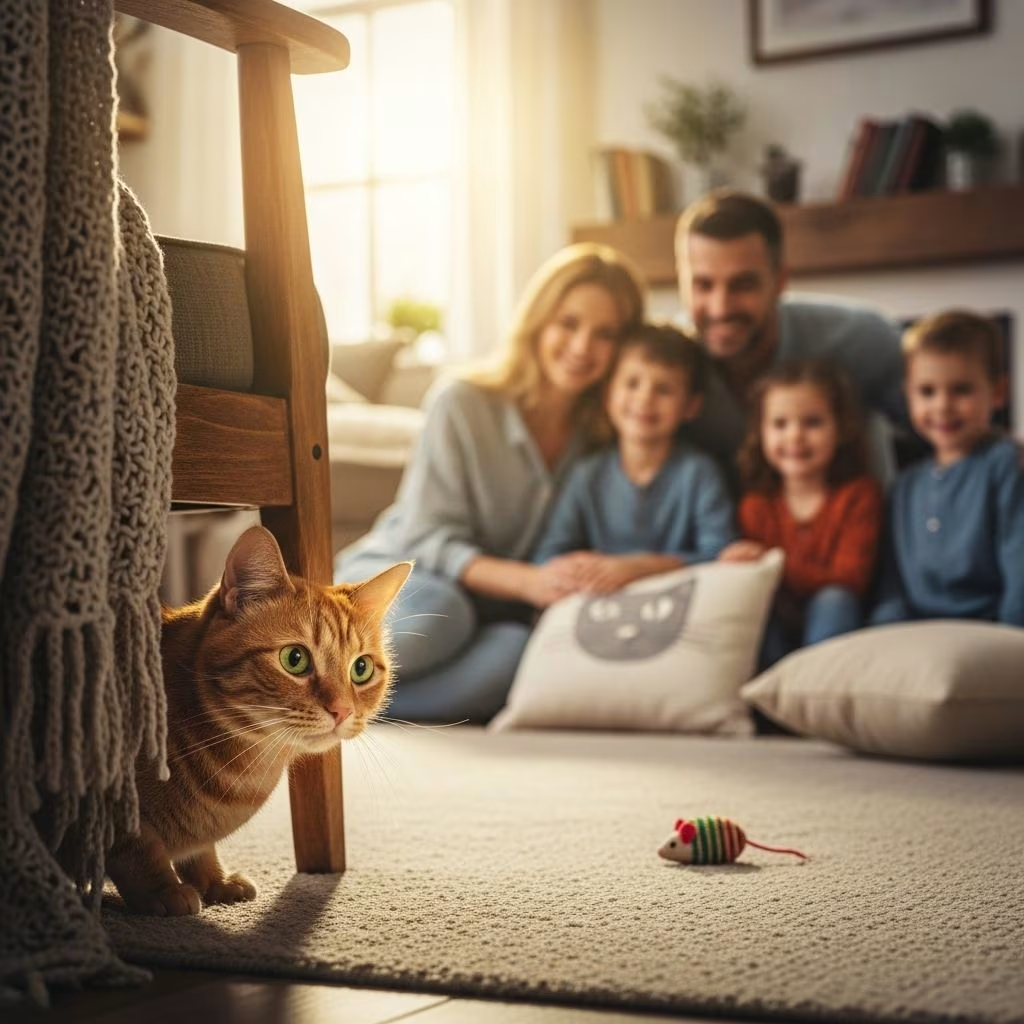
A Shy Spicy Cat Finds His Forever Home
When Phoenix arrived at Best Friends Animal Sanctuary, staff members quickly recognized that this unique feline presented both challenges and tremendous potential. Like many cats who have experienced uncertainty or trauma, Phoenix exhibited what animal behaviorists often call “spicy” behavior—a combination of shyness and defensive aggression that made initial interactions difficult. His fearful demeanor and withdrawn nature meant that potential adopters often passed him by, overlooking the sweet, loving cat hidden beneath his protective exterior. However, the dedicated team at Best Friends understood that with patience, compassion, and the right family, Phoenix could transform into the affectionate companion he was always meant to be.
Understanding Phoenix’s Initial Behavior
Phoenix’s arrival at the sanctuary marked the beginning of a challenging but ultimately rewarding journey. His shy and spicy temperament wasn’t unusual for cats in rescue situations—many have experienced abandonment, neglect, or simply haven’t been properly socialized to human interaction. Phoenix’s initial response to staff members and potential visitors was to retreat, hide, and occasionally swat or hiss when he felt threatened or overwhelmed. This defensive behavior, while perfectly understandable, created a barrier between Phoenix and those who might have otherwise fallen in love with him.
The Best Friends team recognized that Phoenix’s behavior stemmed from fear rather than aggression. His “spicy” nature was his way of communicating discomfort and establishing boundaries. Rather than viewing this as a personality flaw, the experienced staff members understood it as a communication tool that indicated Phoenix needed a special kind of home—one with understanding, patient residents who could see past his defensive walls to the loving companion beneath.
The Gradual Path to Trust
Transforming a shy, defensive cat into a confident, loving pet requires time, consistency, and genuine commitment. The Best Friends team worked systematically to help Phoenix become more comfortable with human interaction. This process involved several key strategies:
Creating Safe Spaces: Phoenix was given quiet areas where he could retreat without pressure or judgment. These safe havens allowed him to regulate his stress levels and gradually become accustomed to human presence without feeling threatened.
Consistent Positive Interactions: Staff members made regular, gentle attempts to interact with Phoenix, never forcing contact but always making it rewarding when he chose to engage. Treats, soft voices, and respect for his boundaries helped him begin to associate humans with positive experiences.
Environmental Enrichment: Toys, climbing structures, and window perches gave Phoenix healthy outlets for his energy and helped him feel more secure in his environment by allowing him to express natural feline behaviors.
Patience Over Pressure: The most crucial element was the sanctuary’s commitment to moving at Phoenix’s pace rather than rushing the process. There were no timelines, no forced interactions—just consistent, gentle presence and support.
The Merryman Family Connection
Everything changed when the Merryman family visited Best Friends Animal Sanctuary. Unlike many potential adopters who were seeking an immediately affectionate, easygoing pet, the Merrymans possessed something far more valuable: understanding and genuine compassion for cats with special needs. They had visited the sanctuary before, understood the mission of Best Friends, and were specifically looking for a cat who might benefit from a patient, loving home environment.
When the Merrymans learned about Phoenix’s story, they didn’t see his shyness and spicy behavior as deal-breakers. Instead, they recognized an opportunity to make a real difference in a cat’s life. This perspective—viewing adoption as a chance to provide a transformative experience rather than simply acquiring a pet—set them apart as potential adoptive parents.
The Best Friends team introduced Phoenix to the Merrymans with careful consideration. They explained his background, his behavioral tendencies, and what the family could expect during the adjustment period. The Merrymans asked thoughtful questions, demonstrated genuine interest in understanding Phoenix’s personality, and expressed their willingness to give him whatever time and space he needed to adjust to his new home.
Life in His Forever Home
The adoption marked not an ending, but a beginning—the start of Phoenix’s true transformation. In the safety and security of the Merryman family home, Phoenix gradually began to shed his fearful exterior. What the family discovered was remarkable: beneath the shyness and defensive behaviors was an incredibly loving, affectionate cat with a wonderful personality.
Building Confidence Daily: In the first weeks, Phoenix needed extensive space to adjust. The family set up a comfortable room where he could retreat, but they spent time near him consistently, demonstrating through their actions that the Merryman home was a safe place. Each day brought small victories—a purr here, a head bump there, increasingly longer periods of comfort and interaction.
Emerging Personality: As weeks turned to months, Phoenix’s true personality began to shine through. The family discovered he had a delightful sense of humor, enjoyed interactive play sessions, and most importantly, had an enormous capacity for love and affection. His spicy nature didn’t disappear entirely—occasional defensive responses remained, particularly when startled or during new situations—but these moments became rare and manageable as Phoenix’s confidence grew.
Becoming a Family Member: Phoenix eventually became fully integrated into the Merryman household. He developed routines with each family member, preferred sleeping spots, favorite toys, and particular times when he enjoyed playtime or cuddles. More significantly, he became a source of joy and daily companionship for the entire family.
Key Lessons from Phoenix’s Story
Phoenix’s transformation from a shy, spicy sanctuary cat to a beloved family pet offers valuable insights for anyone considering adoption:
- Cats with behavioral challenges or special needs can become wonderful pets when given the right environment and support
- Understanding that shyness and defensive behavior often stem from fear, not inherent personality problems, is crucial
- Patience and consistency are more valuable than speed in helping a cat adjust to a new home
- The right family match matters more than finding a “perfect” cat—special needs cats often thrive with adopters specifically seeking them
- Professional guidance from experienced animal behaviorists can help both families and cats succeed
Why Adoption of Special Needs Cats Matters
Phoenix’s story represents thousands of cats in rescue situations who face uncertain futures simply because they’re not immediately friendly or don’t match stereotypical expectations. Many shelters and sanctuaries report that shy, fearful, or behaviorally complex cats are significantly more likely to spend extended periods in care or face euthanasia in overcrowded facilities. By adopting cats like Phoenix, families don’t just change one cat’s life—they create space for another animal to receive care, and they demonstrate the transformative power of patience and compassion.
The Merrymans’ choice to adopt Phoenix also sent an important message to other animal lovers: rescue cats with challenges are worthy of consideration, capable of deep bonds, and deserving of forever homes. Their willingness to look beyond initial appearances and behavioral presentations helped save a life while enriching their own.
Frequently Asked Questions About Shy Cats
Q: How long does it typically take for a shy cat to adjust to a new home?
A: Timeline varies significantly based on the individual cat’s background and experiences. Some shy cats begin showing confidence within weeks, while others may need several months. Consistent, patient interaction without pressure typically accelerates the adjustment process.
Q: What should I do if my adopted shy cat continues to hide frequently?
A: Continued hiding may indicate ongoing stress or anxiety. Continue providing safe spaces, maintain consistent routines, and consider consulting with a veterinary behaviorist. Some cats benefit from calming supplements or pheromone products recommended by their veterinarian.
Q: Can a shy cat ever become fully confident and affectionate?
A: Yes, with proper support and time. While some cats may retain cautious personalities, many shy cats—like Phoenix—transform into affectionate, confident companions once they feel secure in their environment and relationships.
Q: Is it better to have a shy cat with other pets or alone?
A: This depends on the individual cat. Some shy cats benefit from the companionship and modeling of confident pets, while others need a quiet, single-cat household initially. Consultation with adoption staff familiar with the specific cat helps determine the best fit.
Q: What are signs that a shy cat is becoming more comfortable?
A: Positive signs include increased time outside hiding spaces, seeking attention from family members, playful behavior, purring, head bunting, and gradually approaching new people without fear. Progress may be slow but steady.
Q: Should I use treats or toys to help my shy cat become more confident?
A: Absolutely. High-value treats, favorite toys, and interactive play can motivate participation and build positive associations. Start with low-pressure interactions and let the cat set the pace for engagement.
Q: What should I avoid when bringing home a shy cat?
A: Avoid forcing interaction, making sudden loud noises, introducing too many people too quickly, moving or rearranging the cat’s safe space, and displaying frustration with slow progress. Patience and consistency are essential.
The Lasting Impact of Love and Patience
Phoenix’s story continues to inspire staff members and volunteers at Best Friends Animal Sanctuary. Updates from the Merryman family regularly arrive, sharing photos and stories of their thriving feline companion. Each update reinforces an important truth: every cat deserves a chance, every cat has the capacity to love when given safety and support, and patient, compassionate families can dramatically transform lives.
For those considering adoption, Phoenix’s journey offers hope and inspiration. Shy cats may take longer to warm up, may occasionally remind you of their cautious nature, and may never become the stereotypical “lap cat.” However, they often become the most grateful, deeply bonded, and ultimately most rewarding companions. The connection formed through patience, understanding, and consistent love often runs deeper than those with naturally outgoing cats.
Today, Phoenix thrives in his forever home with the Merryman family. His transformation from a scared, defensive sanctuary cat to a confident, affectionate family member stands as a testament to the power of adoption, the importance of patient animal care, and the incredible capacity cats have for growth and trust. His story reminds us that behind every shy, spicy cat lies the potential for an extraordinary family connection—if we’re willing to look past initial impressions and invest the time, care, and compassion such special animals deserve.
References
- Best Friends Animal Society: Shy cat gains confidence with a little help from a feline friend — Best Friends Animal Society. 2020. https://bestfriends.org/stories/features/shy-cat-gains-confidence-little-help-feline-friend
- Best Friends Animal Society: Tips for Anxious Cats — Best Friends Animal Society. 2024. https://bestfriends.org/pet-care-resources/tags/shy-cats
- Best Friends Animal Society: Shy cat’s leap of faith leads to love — Best Friends Animal Society. 2023. https://bestfriends.org/stories/features/shy-cats-leap-faith-leads-love



