

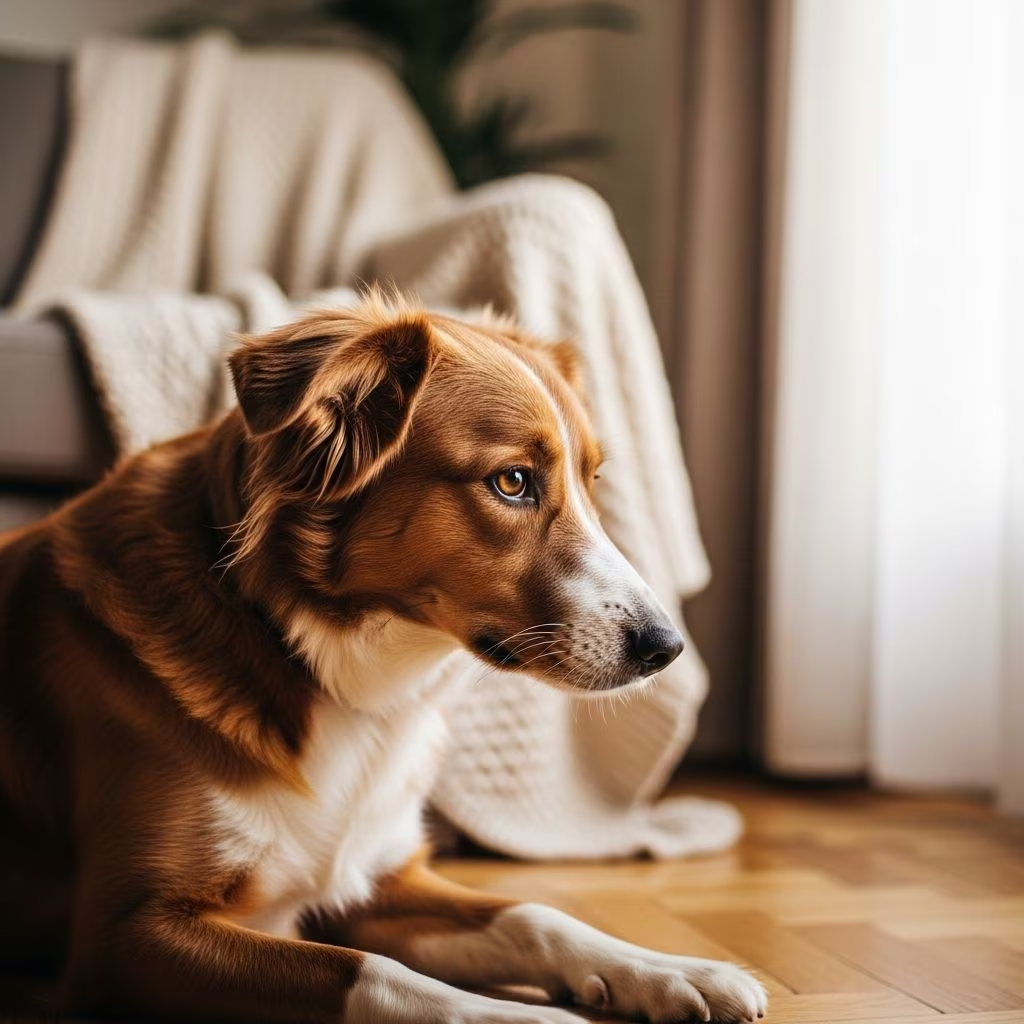
Understanding Shy Dogs: Recognition and Support
Shyness in dogs is a common behavioral concern that many pet owners encounter. Unlike the outgoing, social dogs we often see in media, shy or introverted dogs display timid or seemingly “antisocial” behaviors that fall outside typical canine reactions. These reserved dogs can experience anxiety in everyday situations and may become reactive when faced with triggers they find threatening. Understanding your shy dog’s behavior is the first step toward helping them feel more secure and confident in their environment.
What Are the Signs of a Shy Dog?
Recognizing shyness in dogs requires careful observation of body language and behavioral patterns. Shy dogs display a wide range of signals that indicate discomfort or fear. Some signs are obvious, while others are subtle and easily missed by pet owners who aren’t paying close attention.
Common Behavioral Signs
Typical shy, nervous, or frightened dog behaviors include:
- Cowering or crouching low to the ground
- Hiding behind furniture, people, or in enclosed spaces
- Avoiding direct eye contact
- Adopting a low body posture
- Tucking their tail between their legs
- Lip licking or excessive yawning
- Flattened or pinned-back ears
- Whining or other vocalizations
- Pacing nervously
- Trembling or shaking
- Barking while backing away from triggers
- Displaying low energy or appearing shut down
Subtle Stress Signals
Some shy dog behaviors are difficult to notice without proper knowledge of canine body language. Pet parents should watch for subtle signals such as avoiding eye contact, yawning when not tired, head turning away, hiding under furniture, or shaking off as if wet. It’s important to recognize that quiet, low-energy dogs may not be feeling okay—these “shutdown” behaviors might actually be masking underlying anxiety.
When observing your dog, also look for physical indicators of stress including:
- Panting or rapid breathing
- Drooling or excessive salivation
- Half-moon eyes (white showing around the iris)
- Hypervigilance or constantly checking for escape routes
- Moving slowly or stalling during walks
- Not accepting treats or refusing food
- Submissive urination or defecation
- Self-destructive behaviors or self-mutilation
Understanding the Causes of Shyness in Dogs
Shyness in dogs stems from multiple sources, and understanding the root cause is essential for addressing the behavior effectively. While many assume shy rescue dogs have been abused, the reality is more nuanced. Several factors contribute to the development of shyness in dogs.
Genetic Predisposition
Dogs inherit personality traits that influence their behavior significantly. Genetic factors include inherited hormones, brain chemistry, neurological wiring, and predisposed temperament. Shyness, fear, and aggression can be hardwired, inherited traits that some dogs are simply born with. Just as humans vary in their natural temperament, dogs have innate personality profiles that make some naturally more reserved than others.
Lack of Socialization
One of the most significant causes of shyness is inadequate socialization during critical developmental periods. Puppies experience several developmental windows during their first year of life when they learn about the world around them and how to respond to it. A lack of positive interactions with people, other dogs, new environments, noises, sights, and other experiences can lead to shyness and an inability to adapt. When puppies miss these crucial socialization windows, they may struggle to develop confidence around novel stimuli later in life.
Abuse or Trauma
Negative experiences can profoundly impact a dog’s behavior. Hitting a dog, neglecting a dog, or keeping a dog in a constant state of fear can lead to shyness. Similarly, trauma from incidents such as dog fights or injuries can create lasting behavioral changes. Trauma or abuse that occurs during key developmental periods or fear periods tends to result in more severe fearfulness toward the world around them, even more than if the experience happened later in life.
Environmental Factors
Even dogs with good genetics and early socialization may develop shyness due to lack of positive exposure to specific stimuli. For example, a dog may have missed out on becoming socialized to certain kinds of people simply by not being around them enough when they were a puppy, such as men, men with beards, or people with unusual gaits.
Different Types of Shyness in Dogs
Shyness in dogs manifests in different ways depending on what triggers the fearful response. Understanding the specific type of shyness your dog experiences helps you develop targeted strategies.
Social Shyness
Social shyness occurs when dogs are fearful of unfamiliar people or certain kinds of people. These dogs are sometimes described as “taking a while to warm up” or “one-man dogs.” They are usually fine with certain people once they get to know them. Examples include dogs that are afraid of men, dogs that are uncomfortable around children, and dogs that bark at the sight of people with unusual gaits. Dogs can also be socially shy with other dogs, showing fear or avoidance when encountering unfamiliar canines.
Environmental or Context Fears
Some dogs develop anxiety related to specific environments or situations rather than particular people. These dogs may fear going to the veterinary clinic, panic during car rides, or feel uncomfortable in new places. Environmental shyness is context-dependent, meaning the dog may behave normally in familiar settings but become fearful in unfamiliar ones.
Sound Sensitivities
Dogs with sound sensitivities experience fear of sudden loud noises. These dogs may flatten to the ground and try to escape when a car backfires, or pace and salivate during thunderstorms or fireworks. Sound-sensitive dogs may also show trembling, hypervigilance, and attempts to hide when exposed to frightening noises.
Fear-Based Aggression vs. Shyness: What’s the Difference?
It’s important to distinguish between fear-based aggression and shyness, as these conditions require different management approaches. While both stem from fear, the way dogs respond differs significantly.
| Characteristic | Fear-Based Aggression | Shyness & Anxiety |
|---|---|---|
| Primary Response | Fight | Flight |
| Common Triggers | Perceived threats, close proximity | Unfamiliar people or places, loud noises |
| Body Language | Tense body, bared teeth, direct eye contact | Lowered body, tucked tail, averted gaze |
| Behavioral Response | Growling, snapping, lunging, barking | Cowering, trembling, hiding, freezing |
Fear-based aggressive dogs display growling, snapping, lunging, or barking when approached, especially by strangers or in unfamiliar situations. A fearful-aggressive dog is essentially saying, “I’m scared—back off!” If pushed further, it may escalate to a bite to create distance.
Shy or anxious dogs, on the other hand, tend to avoid conflict. Their go-to response is usually flight, not fight. These dogs may cower, tremble, hide, or freeze when faced with stressors, communicating “I don’t feel safe, but I don’t want to fight.” They often don’t lash out unless cornered or completely overwhelmed.
Medical Considerations
Before attributing shyness to behavioral causes alone, it’s essential to rule out medical issues. A veterinarian should be consulted to eliminate medical causes, especially if you notice a sudden change in behavior or your dog doesn’t like being touched in an area they previously tolerated. A dog that is hurt or has an undiagnosed illness will be less tolerant and want others to stay away. Discomfort can be displayed as shyness or aggression, so medical evaluation is crucial. Additionally, changes in potty behavior may indicate a urinary tract infection or bladder stones rather than anxiety.
How to Help Your Shy Dog Build Confidence
While shyness in dogs can be challenging, there are evidence-based strategies to help your dog become more confident and less stressed. The approach depends on understanding your dog’s specific triggers and working gradually to change their emotional response.
Create a Safe Environment
Start by ensuring your home is a safe haven where your dog can retreat when feeling overwhelmed. Provide hiding spots, use calming music or white noise, and maintain a calm, predictable routine. Avoid forcing your dog into situations that trigger fear responses.
Gradual Desensitization and Counterconditioning
Work with a professional trainer or behaviorist to gradually expose your dog to feared stimuli at a distance or intensity they can tolerate. Pair these exposures with positive experiences such as treats or play. Over time, your dog’s emotional response to the trigger may change from fear to neutral or positive.
Positive Reinforcement
Reward confident behavior generously. When your dog approaches a feared stimulus or person, shows relaxed body language, or attempts to engage, provide high-value treats and praise. Never punish fearful behavior, as this increases anxiety.
Socialization and Exposure
Continue exposing your dog to new people, environments, and experiences in controlled, positive ways. Invite friends over for calm interactions, take short trips to pet-friendly locations, and vary your walking routes gradually. Each positive experience builds confidence.
Frequently Asked Questions
Q: Can a shy dog ever become fully confident?
A: While some dogs may always have reserved personalities, many shy dogs can become significantly more confident with proper training, socialization, and management. The degree of improvement varies based on the dog’s genetics, past experiences, and the consistency of your training efforts.
Q: How long does it take to help a shy dog?
A: There’s no fixed timeline for helping a shy dog. Some dogs show improvement in weeks, while others take months or years. Consistency and patience are essential, and working with a professional trainer can accelerate progress.
Q: Should I force my shy dog to interact with people?
A: No, forcing interactions typically increases anxiety and can lead to fear-based aggression. Allow your dog to approach people at their own pace, and reward brave behavior with treats and praise.
Q: Can medication help my shy dog?
A: In some cases, a veterinarian may prescribe anti-anxiety medication to help your dog feel calmer during training. Medication works best when combined with behavior modification techniques, not as a standalone solution.
Q: Is it normal for dogs to be shy?
A: Yes, shyness is a normal personality variation in dogs. Some dogs are naturally more reserved than others, just like people. However, if shyness severely impacts your dog’s quality of life, professional help is recommended.
Q: Can I prevent shyness in puppies?
A: Proper socialization during the critical developmental period (first 16 weeks of life) is the best prevention. Expose puppies to various people, environments, sounds, and experiences in positive, controlled ways.
References
- Have an Introverted Dog? Here’s How To Help Them Be More Confident — PetMD. https://www.petmd.com/dog/behavior/introverted-dogs
- Shy and Undersocialized Puppies — Colorado Animal Rescue. https://www.coloradoanimalrescue.org/shy-and-undersocialized-puppies/
- Fearful / Shy — Your Dog’s Friend. https://yourdogsfriend.org/help/fearful-shy/
- Fearful Behavior (Dogs) — San Francisco SPCA. https://www.sfspca.org/resource/fearful-behavior/
- Understanding Fear-Based Aggression Versus Shyness in Dogs — Gary Maria. https://garymaria.com/understanding-fear-based-aggression-versus-shyness-in-dogs/
- Anxious Behavior: How to Help Your Dog Cope with Unsettling Situations — Cornell University College of Veterinary Medicine, Riney Canine Health Center. https://www.vet.cornell.edu/departments-centers-and-institutes/riney-canine-health-center/canine-health-topics/anxious-behavior-how-help-your-dog-cope-unsettling-situations



