

Understanding Dog Shows: A Complete Guide to Competitive Canine Exhibition
Dog shows represent one of the most prestigious and organized ways for pet owners to celebrate their canine companions while showcasing the finest qualities of their breed. These competitive events bring together dog enthusiasts, professional handlers, and devoted owners who share a common passion for recognizing excellence in purebred and mixed-breed dogs. Whether you’re a seasoned competitor or a curious newcomer, understanding the structure and purpose of dog shows can help you determine if this exciting hobby is right for you and your furry friend.
What Exactly Is a Dog Show?
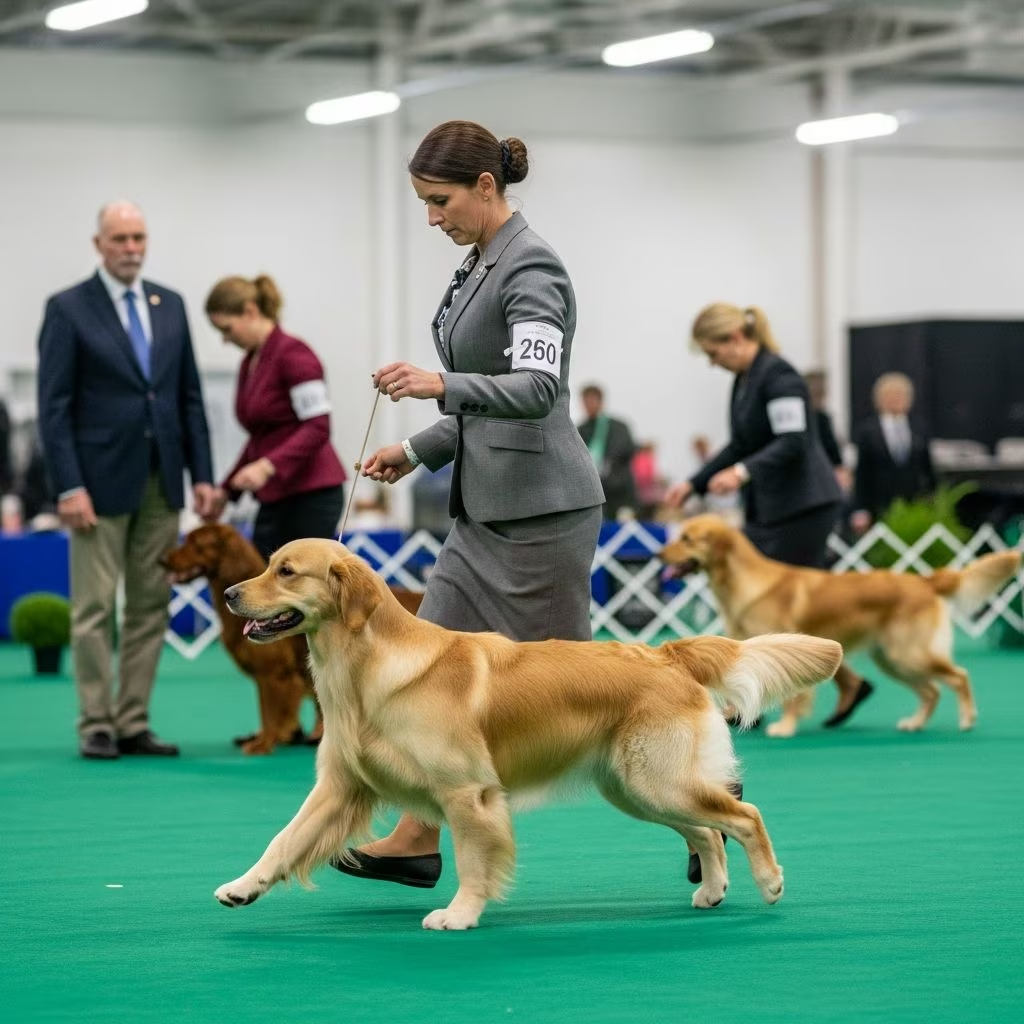
A dog show is an official, organized gathering of dogs and their owners or handlers in a competitive arena designed to evaluate canine qualities according to established standards. The most common type of dog show is called a conformation, where dogs are meticulously groomed and presented to demonstrate how well they conform to their breed’s official standard. These events serve as platforms for evaluating not just physical appearance, but also movement, health, and temperament as defined by breed-specific criteria.
The fundamental purpose of conformation shows is to bring out the best of the breed. Dogs compete based on how closely they match the ideal characteristics outlined for their specific breed, with judges awarding recognition to those that best exemplify breed perfection. This creates a competitive environment that encourages breeders to maintain and improve breed quality over generations.
Understanding Breed Standards and AKC Guidelines
At the heart of every dog show lies the concept of the breed standard, which serves as the gold standard for evaluating canine excellence. The American Kennel Club (AKC) dictates these detailed, written descriptions of what the perfect dog in a certain breed should look like. These comprehensive standards take into consideration multiple critical factors:
- Physical appearance and proportions
- Movement and gait
- Health indicators
- Temperament and behavioral traits
AKC-approved judges examine each dog competing in the show ring and “place” them according to how closely each individual dog compares to the breed’s official standard. The dog that conforms most closely to these established criteria receives awards and recognition. This standardized approach ensures consistency across all AKC-sanctioned competitions nationwide.
Dog Show Eligibility Requirements
Not every dog can compete in conformation shows, as specific eligibility criteria must be met. Understanding these requirements is essential before you consider entering your dog in competition.
For Purebred Dogs: Any intact, purebred dog that is at least 6 months old and registered with the AKC is eligible to compete in the show ring. The registration papers serve as proof that your dog meets the breed standards and has been officially recognized.
For Non-Registered Purebreds: The AKC also recognizes that deserving dogs may not have official registration papers. To address this, they offer a PAL (Purebred Alternative Listing) program that grants eligibility to dogs that appear to be purebred but lack formal registration documentation. This program has opened dog showing opportunities to more owners and their canine companions.
Mixed Breed Opportunities: While conformation shows primarily feature purebred dogs, opportunities exist for owners of mixed breeds to showcase their dogs through alternative competition formats and events.
Exploring Alternative Dog Show Competitions
Beyond traditional conformation shows, the competitive dog world offers diverse event types that appeal to different skills, interests, and dog breeds. These specialized competitions often welcome both purebred and mixed-breed dogs, making them more accessible to a broader audience of dog enthusiasts.
Agility Competitions
Agility events showcase a dog’s athleticism and responsiveness to handler direction. Dogs must quickly navigate around an obstacle course guided by their handlers while working off-lead. These fast-paced competitions test the dog’s speed, coordination, and ability to follow complex directional commands.
Obedience Events
Obedience competitions demonstrate a dog’s ability to be an excellent companion and reliable partner. Dogs are evaluated on their performance of fundamental skills including walking politely on a leash, staying in position, retrieving objects on command, and coming promptly when called. These events emphasize the practical utility of well-trained dogs.
Coursing and Fast CAT
Also known as Fast CAT (Coursing Ability Test), this event measures a dog’s natural running ability. Dogs sprint a timed 100-yard dash while chasing a lure, allowing sighthound breeds and other fast runners to demonstrate their speed and hunting instincts in a controlled environment.
Dock Diving
Dock diving competitions measure how far and high dogs can jump off a dock into the water. This thrilling sport appeals to water-loving breeds and showcases their athletic power and enthusiasm in a fun, aquatic setting.
Flyball Racing
Flyball represents a fast-paced team sport where dogs race over a series of obstacles, retrieve a tennis ball from a box, and run back over the obstacles to complete the course. Teams compete against each other in relay-style racing, combining speed, agility, and coordination.
Trick Dog Competitions
Trick dog events allow canines to demonstrate more advanced and creative abilities such as crawling, performing push-ups, jumping through their handler’s arms, or balancing a treat on their nose. These competitions celebrate the creative bond between dogs and handlers while showcasing learned skills.
Rally Events
Rally competitions combine elements of obedience with dynamic movement. Dogs and handlers move quickly through a course of obedience challenges, working together to navigate the course efficiently and accurately.
Getting Started: Your Roadmap to the Show Ring
Embarking on a dog show career requires thoughtful planning and preparation. Following these strategic steps will help you and your dog succeed in the competitive world of dog showing.
1. Attend Dog Shows and Competitions
Before entering your first competition, attend local dog shows as a spectator. Dog owners typically form friendly, welcoming communities and love sharing their experiences with newcomers. Observing shows firsthand will give you valuable insight into what to expect, how judges evaluate dogs, and what level of preparation is necessary.
2. Evaluate Your Dog Against Breed Standards
For conformation shows, carefully review the AKC breed standards specific to your dog’s breed and honestly assess how your dog measures up. The AKC maintains detailed lists of characteristics for each registered breed on their website. Consider having your dog evaluated by an experienced breeder or handler who can provide objective feedback about your dog’s conformational strengths and weaknesses.
3. Utilize AKC Resources and Local Clubs
The AKC website lists many local dog clubs that provide invaluable resources for beginning show competitors. Many clubs offer ringcraft classes that specifically focus on training for dog shows and teach you how to best present your dog in competition. These educational opportunities can dramatically improve your handling skills and increase your chances of success.
4. Participate in Practice Shows
Many local clubs organize match shows that provide a perfect stepping stone to regular AKC competitions. These informal shows offer both the dog and handler opportunities to practice and train under more relaxed circumstances without the pressure and formality of sanctioned events. While match shows don’t award points toward titles, they provide invaluable experience and confidence-building opportunities.
5. Consider Hiring a Professional Handler
If you have an exceptional dog but limited time to prepare and show, consider hiring a professional handler. These experienced individuals specialize in training and showing dogs and have extensive knowledge of breed standards and ring presentation. Before making this investment, carefully review their fee schedules and request references. Additionally, visit their facility to ensure your dog will receive excellent care and training.
Health Considerations Before Competing
Dog showing involves physical demands and environmental exposures that require your dog to be in excellent health. Before entering any competition, have your veterinarian thoroughly evaluate your dog to ensure they are healthy enough to endure the rigors of the show ring. Your veterinarian can assess overall fitness, check for any underlying health conditions, and discuss any concerns specific to your dog’s breed or age.
Frequently Asked Questions About Dog Shows
Q: What is the difference between a conformation show and other dog competitions?
A: Conformation shows specifically evaluate how well dogs match breed standards for appearance, movement, health, and temperament. Other competitions like agility, obedience, and flyball test different skills and abilities. Conformation is primarily for purebred dogs, while many alternative competitions welcome mixed breeds.
Q: Can I show my mixed-breed dog?
A: While mixed breeds typically cannot compete in AKC conformation shows, they are eligible for many alternative competitions including agility, obedience, rally, dock diving, and trick dog events. These provide excellent opportunities for mixed-breed owners to showcase their dogs’ abilities.
Q: How much does it cost to show a dog?
A: Costs vary depending on the type of competition, location, and whether you hire a professional handler. Entry fees for individual shows typically range from $25-$75, but costs increase significantly if you hire a professional handler for training and showing.
Q: What age can my dog start showing?
A: Dogs must be at least 6 months old to compete in conformation shows. Some alternative competitions may have different age requirements, so check specific event rules before entering.
Q: Do I need a handler to show my dog?
A: No, you can show your own dog if you choose. However, professional handlers have extensive experience and knowledge that can improve your chances of winning. Many successful owners show their own dogs while others prefer working with professionals.
Q: How do I find dog shows near me?
A: The AKC website maintains a comprehensive schedule of upcoming shows nationwide. You can also contact local breed clubs and kennel clubs, which often host or have information about nearby competitions.
The Joy of Showing Your Dog
Dog shows represent more than just competitions; they are celebrations of the bond between dogs and their owners, preservers of breed heritage, and communities of passionate canine enthusiasts. Whether you’re competing in conformation to maintain breed standards or participating in alternative competitions to showcase your dog’s unique abilities, the show ring offers rewarding experiences and opportunities for growth.
The journey from novice to experienced show competitor is filled with learning opportunities, new friendships, and countless memories with your beloved dog. By following these guidelines, preparing thoroughly, and maintaining a genuine love for your breed, you’ll be well-equipped to embark on an exciting show career that celebrates the very best of your canine companion.
References
- Showing Dogs — VCA Animal Hospitals. 2025. https://vcahospitals.com/know-your-pet/showing-dogs
- How Often Should My Dog Go to the Vet? A Dog Life Stage Guide — American Animal Hospital Association (AAHA). 2024. https://www.aaha.org/resources/how-often-should-my-dog-go-to-the-vet-a-dog-life-stage-guide/



