

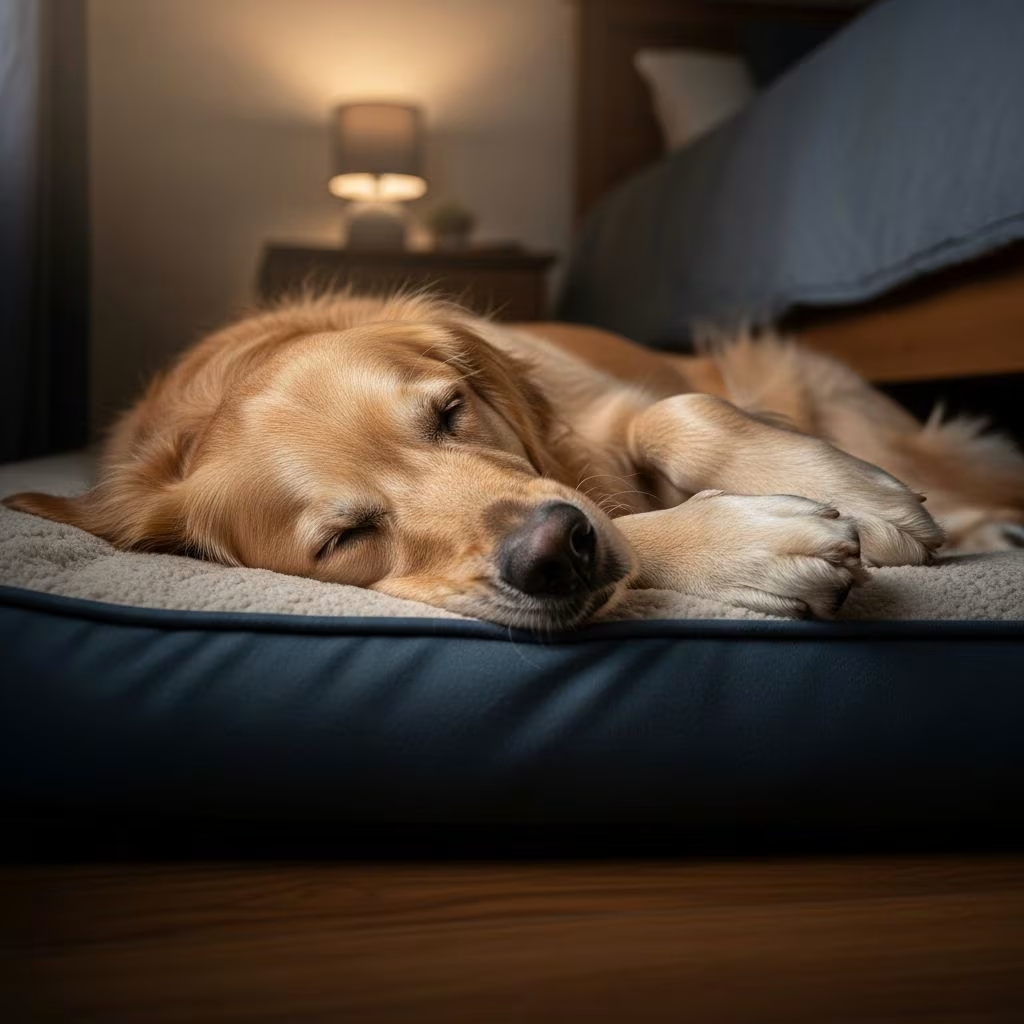
Observing your dog twitch, whimper, or paddle their paws during sleep is a common sight for pet owners. These movements often signal that your furry companion is dreaming, much like humans do during REM sleep. But the pressing question remains: should you wake your dog from a dream? The short answer is no, unless they show clear signs of distress resembling a nightmare. Waking a deeply sleeping dog can lead to confusion, disorientation, or even defensive bites, as they may react instinctively without recognizing their surroundings immediately.
Dogs enter REM (Rapid Eye Movement) sleep, the dream stage, about 20 minutes into their rest for average-sized breeds, exhibiting shallow breathing, muscle twitches, and eye movements beneath closed lids. This phase mirrors human dreaming patterns, suggesting dogs process daily experiences vividly in their sleep. Experts like Dr. Lindsey Wendt, chief veterinary officer at Antelope Pet, confirm these observable signs indicate active dreaming without needing invasive tests. Understanding this helps owners decide when intervention is necessary versus letting natural sleep cycles proceed uninterrupted.
Understanding Dog Sleep Cycles
Dogs sleep 12-14 hours daily, with puppies and seniors needing more. Unlike humans’ consolidated nighttime sleep, dogs have polyphasic patterns—multiple short naps. They cycle through non-REM (light to deep sleep) and REM stages roughly every 45 minutes, spending up to 20% of sleep in REM where dreams occur.
During non-REM, breathing slows and deepens as muscles relax. Transitioning to REM, observable changes include:
- Shallow, irregular breathing
- Twitching whiskers, paws, or legs (as if running or chasing)
- Rapid eye movements under eyelids
- Soft vocalizations like whines or yips
- Mild body thrashing
These signs peak in smaller breeds sooner (10-15 minutes) and later in larger ones (up to 45 minutes), due to varying body mass affecting sleep depth. Dr. Wendt notes that just as humans recall dreams when roused from REM, dogs likely experience similar vivid imagery.
Do Dogs Really Dream?
Yes, scientific evidence supports that dogs dream. Brain wave patterns during REM match those in humans, recorded via EEG studies on sleeping dogs. Research from MIT in the 2000s showed neuronal activity replaying daily scents, movements, and interactions, akin to memory consolidation.
Dr. Deirdre Barrett, Harvard psychologist, asserts dogs dream visually about daytime interests, without human-like logic. Since dogs bond deeply with owners, dreams often feature you—your face, scent, play sessions, or walks. Pups might ‘relive’ chasing squirrels, fetch games, or cuddles, explaining paddling paws or happy tail wags in sleep.
Signs Your Dog Is Dreaming vs. Having a Nightmare
Not all sleep movements mean pleasant dreams. Distinguishing normal dreaming from nightmares prevents unnecessary interventions. Here’s a comparison:
| Sign | Dreaming (Normal) | Nightmare (Distress) |
|---|---|---|
| Movements | Gentle twitches, rhythmic paddling | Violent thrashing, stiffening |
| Vocalizations | Soft yips, sighs | Loud whines, growls, cries |
| Breathing | Shallow, irregular but steady | Rapid panting, gasping |
| Facial | Relaxed or smiling | Cowering, ears back, tense |
| Duration | Brief episodes (seconds-minutes) | Prolonged distress (>1 min) |
Happy dreamers look content, even playful. Nightmare signs mimic fear responses: heavy breathing, tucked tail if visible, or avoidance postures. If unsure, observe without touching—most dreams pass quickly.
Should You Wake Your Dog from a Bad Dream?
Avoid waking abruptly. Startled dogs may snap reflexively, as their fight-or-flight kicks in before full awareness. A 2023 veterinary review notes up to 15% of bite incidents involve owners trying to wake sleeping pets. Instead, create gentle disturbances: clap softly, speak calmly, or turn on lights to ease them out naturally.
Only intervene if safety risks arise, like falling off furniture or self-injury from thrashing. Chronic nightmares warrant a vet check for underlying issues like pain, anxiety, or neurological conditions.
Risks of Waking a Sleeping Dog
Beyond bites, abrupt waking disrupts sleep architecture, leading to:
- Irritability: Grumpiness akin to human ‘wrong-side-of-bed’ moods, from incomplete REM cycles.
- Sleep Debt: Interfering with restorative phases increases daytime lethargy or hyperactivity.
- Stress Hormones: Cortisol spikes mimic trauma, straining heart health long-term.
- Trust Erosion: Repeated startles can heighten wariness around owners during rest.
Large breeds like Labs pose higher injury risks due to size; small ones like Chihuahuas may yelp excessively.
What Do Dogs Dream About?
Dogs likely replay daily adventures. Common themes include:
- Chasing prey (squirrels, balls)
- Play with packmates or toys
- Interactions with owners (walks, pets, meals)
- Exploring new smells/environments
Harvard’s Dr. Barrett speculates attachment drives owner-centric dreams: ‘pleasing or annoying you,’ visually intense. Guard dogs might dream patrols; lap dogs, endless cuddles. Breed influences content—herders ’round up’ in sleep.
How to Help Your Dog Have Better Dreams
Promote positive sleep for fewer nightmares:
- Exercise Daily: 30-60 minutes tires them happily, fueling good dreams.
- Consistent Routine: Fixed bedtimes signal safety.
- Comfortable Bed: Orthopedic for joints, in quiet spots.
- Reduce Stress: Calming aids like pheromone diffusers for anxious pups.
- Diet Check: Avoid heavy evening meals; omega-3s support brain health.
- Monitor Health: Rule out pain/itchiness mimicking distress.
A stress-free day translates to pleasant nights.
Frequently Asked Questions (FAQs)
Is it bad to wake a dog from a dream?
No, mild dreams are harmless to ignore. Only wake gently from severe distress to avoid risks.
How do you know if your dog is having a nightmare?
Look for intense whining, thrashing, rapid breathing, or fearful postures lasting over a minute.
Do puppies dream more than adult dogs?
Yes, puppies spend 50-70% of sleep in REM, dreaming frequently to process rapid brain development.
Can dogs dream about their owners?
Highly likely, as daily bonds feature prominently in their visual, activity-based dreams.
What if my dog cries in their sleep every night?
Consult a vet to exclude medical issues like arthritis or anxiety; consider behavioral therapy.
Conclusion: Let Them Dream in Peace
Your dog’s dreams offer a window into their rich inner world. Respect their sleep by observing rather than intervening, fostering trust and health. When in genuine distress, gentle rousing protects both of you. Prioritize daytime joy for sweeter slumber nights.
References
- Your Dog Is Probably Dreaming About You, Research Shows — Kinship. 2023. https://www.kinship.com/dog-behavior/dogs-dream-about-you
- A study revealed that dogs dream about their owners — Radio Angulo (citing Harvard Medical School research). 2025-04-04. https://www.radioangulo.cu/en/2025/04/04/a-study-revealed-that-dogs-dream-about-their-owners/
- Can Dogs Have Bad Dreams or Nightmares? — Kinship. 2023. https://www.kinship.com/dog-behavior/can-dogs-have-bad-dreams
- What Do Dogs Dream About? Unveiling the Mysteries of Canine Sleep — MyWoof. 2024. https://mywoof.com/blogs/articles/what-do-dogs-dream-about-unveiling-the-mysteries-of-canine-sleep
- Can Dogs Wake Up on the Wrong Side of the Bed? — Kinship. 2023. https://www.kinship.com/dog-behavior/can-dogs-wake-up-on-the-wrong-side-of-the-bed



