

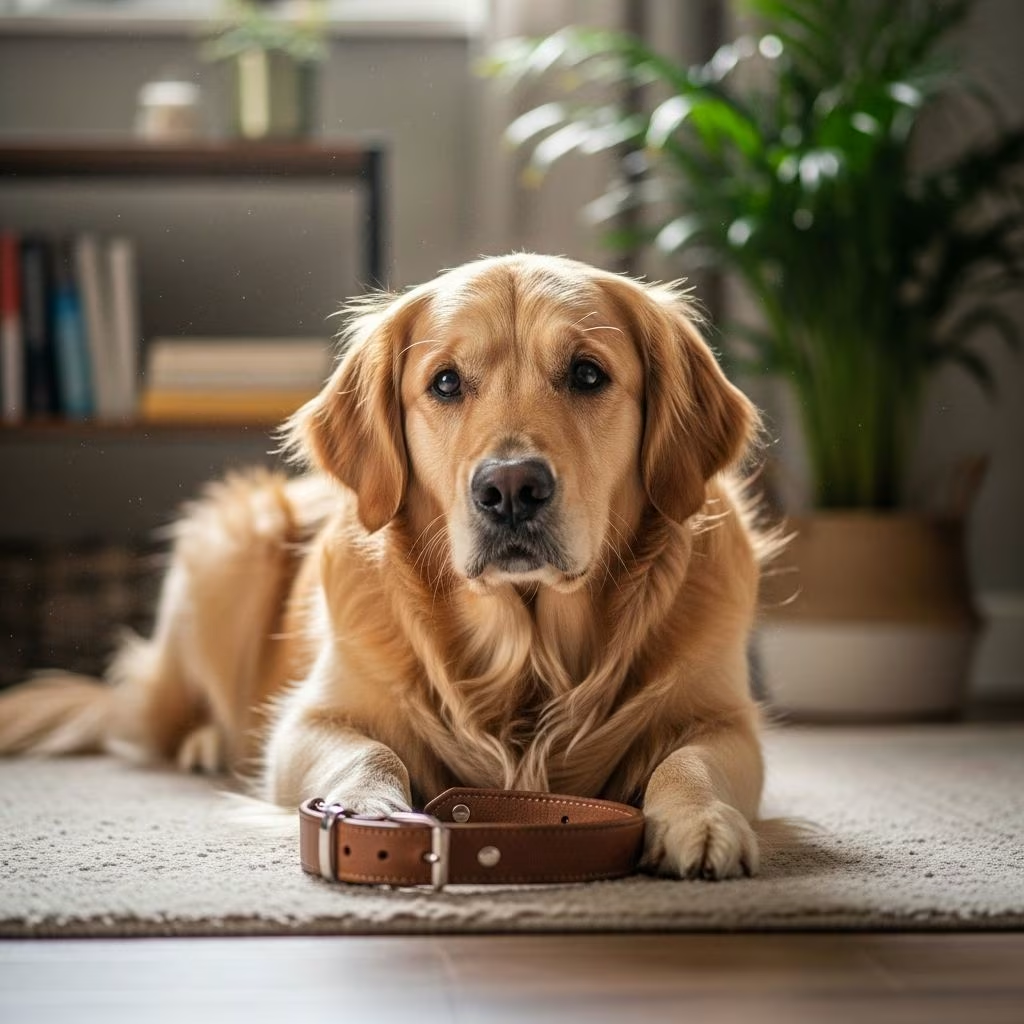
Many pet parents wonder if their dog wants the collar taken off as soon as they walk through the door. The answer depends on the type of collar, how it fits, your dog’s body and behavior, and what they are doing during the day.
This guide explains how dogs typically feel about collars, which types are safe for daily wear, how to recognize discomfort, and when it is safer to remove the collar or switch to a harness instead.
Do Dogs Mind Wearing a Collar?
Before deciding if your dog should wear a collar all day, it helps to clarify what kind of collar we are talking about. Not all collars are created equal, and some are never appropriate for routine wear.
Collars That Should Not Be Used
Some devices marketed as training tools rely on pain, fear, or startling to change your dog’s behavior. These aversive collars can be painful and risky, and are widely discouraged by modern behavior professionals.
- Prong (pinch) collars – use metal prongs that press into the neck when the leash tightens.
- Choke chains – tighten around the neck without a stopping point and can restrict breathing.
- Shock or e-collars – deliver electric stimulation or vibration, often triggered by the handler or automatically.
The American College of Veterinary Behaviorists and many welfare organizations recommend reward-based training instead of aversive collars because punishment-based tools can increase fear, anxiety, and aggression.
Humane Collar Options for Daily Wear
For identification and everyday use, most pet parents choose flat or gently adjustable collars that sit comfortably around the dog’s neck.
- Flat buckle collars – soft nylon, fabric, or leather with a fixed length and buckle or snap.
- Quick-release collars – similar to flat collars but with a fast-opening clip, which can be helpful in emergencies.
- Breakaway collars – designed to pop open if caught on something, often recommended for pets at higher risk of snagging.
With these humane collars, many dogs adapt quickly and show little or no concern once they associate the collar with walks, food, and attention rather than discomfort.
Why Fit and Material Matter
Even a well-designed collar can feel uncomfortable if it does not fit correctly or if the material is heavy or harsh on the skin.
- Fit guideline: you should be able to slide two fingers comfortably between the collar and your dog’s neck. This rule of thumb is widely recommended by veterinary and humane groups.
- Too tight: may cause rubbing, hair loss, pressure sores, or even breathing and swallowing issues over time.
- Too loose: can slip over the head, snag on objects, and rotate so hardware digs into the neck.
Materials that are light, flexible, and quick-drying are generally more comfortable for daily wear. Heavy metal or rigid collars, or those that stay damp after swimming or rain, can cause chafing and skin irritation beneath the collar line.
How Can You Tell If Your Dog Dislikes Their Collar?
Your dog’s behavior is the best clue to whether the collar feels neutral, pleasant, or uncomfortable. A dog who finds the collar irritating will often communicate that clearly through body language and actions.
Common Signs of Collar Discomfort
- Repeatedly scratching at the neck where the collar sits.
- Trying to paw, bite, or rub off the collar.
- Rubbing their neck on the floor, furniture, or walls.
- Flinching, ducking, or moving away when you reach toward the collar.
- Yelping, whining, or freezing when the collar or tags are touched.
- Changes in movement, such as reluctant walking, stiff neck posture, or avoiding turning the head.
If you see these signs, check the collar immediately for fit issues, trapped debris, or damage that might be poking or pinching your dog.
Skin and Health Clues Under the Collar
Because collars can stay on for long stretches, they may hide irritation or parasites you would not otherwise notice. Regularly remove the collar to inspect the neck area.
- Look for redness, hair loss, scabs, or moist, smelly patches that can indicate a skin infection.
- Check for ticks, fleas, or flea dirt (tiny black specks) that may be hiding under the collar.
- Run your fingers along the inside of the collar to feel for rough seams, broken edges, or sharp hardware.
If you find wounds, thickened skin, or persistent odor, contact your veterinarian; wet or tight collars can contribute to pressure sores and bacterial or yeast infections.
When a Harness May Be a Better Choice
Some dogs are more comfortable in a harness than a collar, especially for activities that involve pulling or sudden movement.
- Dogs who cough, gag, or wheeze when pressure is put on the neck.
- Small breeds and toy dogs, who are more vulnerable to tracheal (windpipe) damage.
- Dogs with a history of neck, back, or spinal problems.
- Young, strong dogs who lunge on leash and have not yet learned loose-leash walking.
The American College of Veterinary Surgeons notes that repeated pressure from collars can worsen tracheal collapse and other airway problems in susceptible dogs, making a harness a safer tool for them.
Should You Take Your Dog’s Collar Off at Home?
Once your dog is safely indoors, you have more flexibility. Whether you remove the collar at home comes down to safety, comfort, and how you handle identification.
Benefits of Removing the Collar at Home
- Comfort and relaxation: taking off the collar can feel like changing out of outdoor gear, giving many dogs a clearer signal that it is time to rest.
- Skin health: removing the collar allows air to reach the skin, helping prevent moisture build-up and chafing under the collar.
- Daily inspection: it creates a routine moment to check for sores, mats, parasites, or weight changes around the neck.
- Reduced snagging risk: there is less chance of tags or the collar itself getting caught on furniture, vents, or crates when your dog is unsupervised.
When Keeping the Collar On May Make Sense
Some households choose to keep collars on during the day for identification and convenience, especially when doors, gates, or yards are frequently in use.
- Your dog has a reliable ID tag with current contact information.
- Your dog is occasionally let into a fenced yard or onto a balcony where escape is possible.
- There are multiple people in the home taking turns with walks and potty breaks, and you want the leash to clip on quickly.
If you do leave the collar on indoors, make sure it is properly fitted, checked often, and made from soft, non-irritating material.
Identification Alternatives if You Remove the Collar
If you prefer your dog to be collar-free inside, you still need a backup plan in case of an accidental escape.
- Microchipping: a veterinarian injects a tiny chip under the skin between the shoulders; if your dog is lost and scanned, the chip number links to your contact details.
- Updated registration: keep your microchip registry, license, and adoption records current so a found dog can be traced to you.
- Grab-and-go collar: keep a fitted collar with ID by the door, ready to put on before walks or yard time.
Microchipping is strongly recommended by veterinary and welfare groups as a reliable way to reunite pets with families, whether or not they are wearing a collar when found.
Situations That Increase Collar-Related Risks
A well-fitted flat collar is generally safe for day-to-day use, but some situations call for extra caution or a different setup.
During Crate Time or Tight Spaces
Crates, baby gates, and narrow gaps in furniture all present snagging hazards. A collar caught on bars or latches can lead to panic, injury, or in rare cases strangulation if a dog struggles to free themselves.
- Remove collars when your dog is crated or confined in tight spaces, especially if left unsupervised.
- Consider breakaway collars if you must keep identification on in such areas.
- Check your crate, gates, and pens for protruding hardware or gaps that could catch tags.
Rough Play With Other Dogs
When dogs wrestle or chase each other, a jaw or paw can easily get trapped under another dog’s collar. This can cause panic and serious injury to both dogs.
- For high-energy play sessions, especially with multiple dogs, it can be safer to let them play collar-free in a secure area.
- If you leave collars on in group settings, avoid dangling tags or add a tag-silencer sleeve to reduce snagging risk.
Breed- and Body-Specific Considerations
Some breeds and body types have special needs when it comes to collars.
| Dog type | Collar considerations |
|---|---|
| Sighthounds (e.g., Greyhounds, Whippets) | Often have thick necks and narrow heads, so standard flat collars can slip off. Many guardians use martingale collars, which tighten slightly to prevent escape but are designed not to choke when fitted correctly. |
| Small and toy breeds | More prone to tracheal collapse and airway issues. A harness is often preferred for walking to avoid pressure on the neck. |
| Dogs with very loose skin or thick coats | Collars can hide moist dermatitis, matting, or skin infections. Frequent removal and inspection are essential. |
Aging, Medical Issues, and Special Cases
As dogs age or develop health conditions, their tolerance for collars may change.
- Dogs with arthritis or neck pain may find collars more uncomfortable and do better in a harness.
- Any new coughing, gagging, or change in breathing while on leash is a reason to reassess gear and speak with your veterinarian.
- Dogs recovering from surgery, wounds, or skin treatments on the neck usually need collars removed or adjusted while healing.
Choosing the Right Gear: Collar, Harness, or Both?
Most dogs benefit from having both a collar and a harness, used for different purposes.
When to Use a Collar
- Everyday identification: ID tags, license tags, and microchip tags are generally attached to the collar.
- Short, calm outings: for dogs with good leash manners and no neck or airway issues.
- Training cues: many guardians clip lightweight leashes to the collar for quick potty breaks or training in low-distraction areas.
When to Use a Harness
- Walks and runs with dogs who pull, lunge, or are still learning leash skills.
- Small, brachycephalic, or medically fragile dogs who should avoid pressure on the neck.
- Car safety when using a crash-tested harness with a seatbelt attachment.
Fitting a Harness Safely
Like collars, harnesses must fit correctly to avoid rubbing, escape, and gait changes.
- You should be able to fit two fingers under each strap.
- The harness should not cut into the armpits or rub behind the elbows.
- Watch your dog walk and run; if their movement looks restricted or awkward, adjust or choose a different style.
Frequently Asked Questions (FAQs)
Q: Is it okay for my dog to wear a collar 24/7?
A: A well-fitted, comfortable collar is generally safe for many dogs to wear most of the time, but regular breaks for skin checks and rest are important. Remove collars for crating, rough play, and any situation where snagging is likely.
Q: Should my dog sleep with their collar on?
A: Many guardians choose to remove collars at night to reduce snagging risk and give the neck a break. If your dog sleeps in a crate or tight space, it is usually safer to remove the collar while they sleep.
Q: How tight should my dog’s collar be?
A: Use the two-finger rule: you should be able to slide two fingers comfortably between the collar and your dog’s neck. If you cannot, it is too tight; if you can stack fingers or see gaps, it is likely too loose.
Q: Is a harness always better than a collar?
A: Not always. Collars are still useful for identification and short, calm outings. Harnesses are typically safer for pulling dogs, small breeds, or any dog with neck or airway issues. Many dogs benefit from using both: collar for ID, harness for walks.
Q: What if my dog hates having the collar put on?
A: Pair the collar with something positive, such as treats or play, and go slowly. Let your dog sniff the collar, reward, then briefly touch it to their neck and reward again. Build up to fastening it for short periods, always keeping the experience pleasant. If your dog still reacts strongly, check for pain or fit issues and consult a vet or behavior professional.
References
- Tracheal Collapse in Dogs — American College of Veterinary Surgeons. 2020-04-01. https://www.acvs.org/small-animal/tracheal-collapse
- Moist Dermatitis (Hot Spots) in Dogs — VCA Animal Hospitals. 2022-06-01. https://vcahospitals.com/know-your-pet/moist-dermatitis-hot-spots-in-dogs
- Microchipping of Animals — American Veterinary Medical Association. 2020-06-10. https://www.avma.org/resources-tools/avma-policies/microchipping-animals
- Fleas and Ticks — Centers for Disease Control and Prevention. 2022-05-02. https://www.cdc.gov/healthypets/pets/dogs.html
- Position Statement on the Use of Punishment for Behavior Modification in Animals — American Veterinary Society of Animal Behavior. 2021-08-01. https://avsab.org/wp-content/uploads/2021/08/AVSAB-Position-Statement-on-Punishment-in-Animal-Training.pdf
- The Welfare Consequences and Efficacy of Training Pet Dogs with Remote Electronic Collars in Comparison to Reward Based Training — Cooper et al., PLOS ONE. 2014-09-03. https://doi.org/10.1371/journal.pone.0102510



