

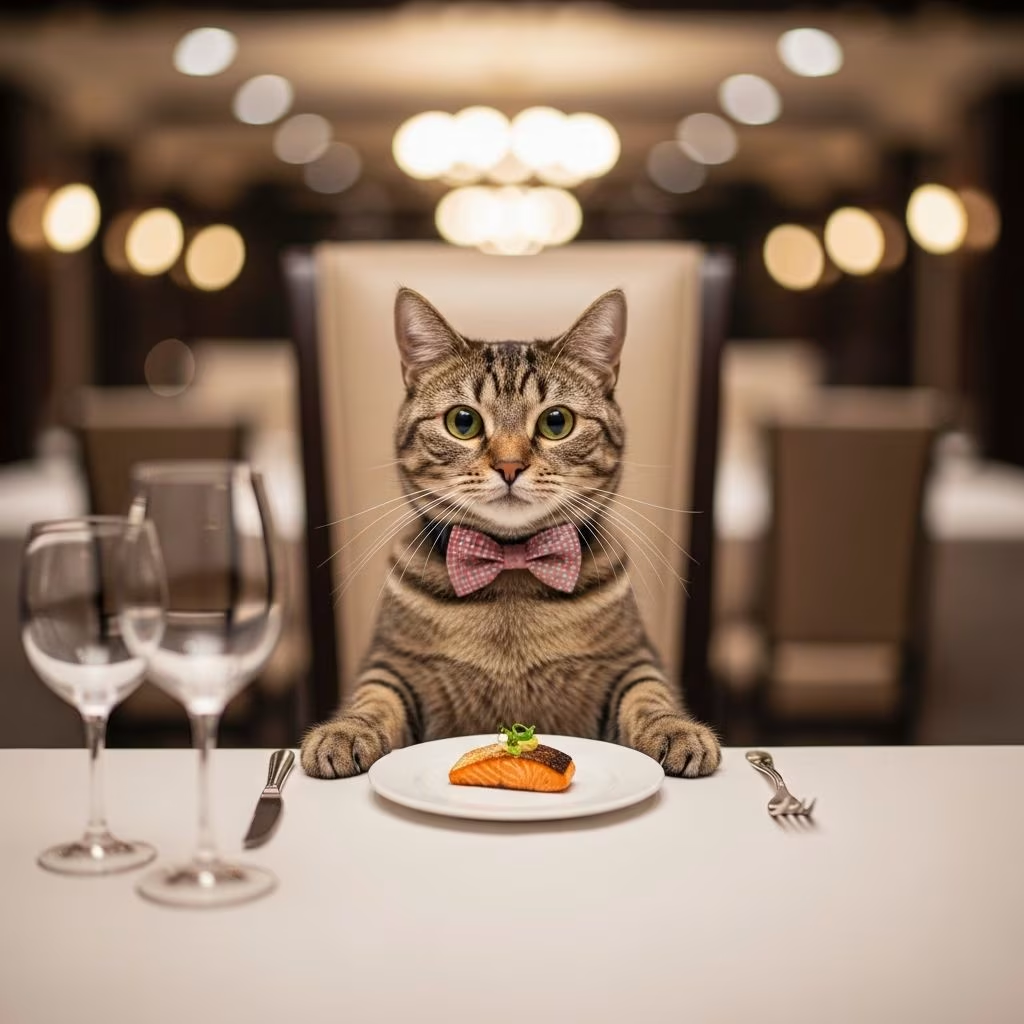
Cats often beg to join family meals at the dinner table, drawn by the smells and social vibe. However, allowing them to eat there raises significant hygiene, health, and behavioral concerns that every cat owner should consider. This article dives into the risks of table feeding, explores safer alternatives, and provides practical tips to keep your feline happy without compromising safety.
Why Do Cats Want to Eat at the Dinner Table?
Cats are naturally curious and social creatures. In the wild, they eat in elevated spots for safety, scanning for predators while dining. At home, the dinner table mimics this height, offering a vantage point to watch family activities. Your cat’s meows and pawing aren’t just hunger signals; they’re bids for attention and inclusion in the pack dynamic.
Additionally, the aromas of human food tempt their sensitive noses. Cats associate you with food provision, so the table becomes a hotspot for begging. This behavior strengthens bonds but can lead to problematic habits if indulged regularly. Understanding these instincts helps owners redirect them effectively.
The Risks of Letting Cats Eat at the Dinner Table
While it feels cute, permitting cats at the table introduces multiple hazards. Here’s a breakdown of the primary concerns:
- Hygiene Issues: Cats step in litter boxes filled with fecal matter carrying bacteria like Salmonella and Toxoplasma gondii. Even clean paws track these pathogens to surfaces where human food is prepared or served.
- Food Contamination: A cat licking rolls or standing on counters during prep can spread germs directly to meals, posing risks especially to immunocompromised individuals, children, or diabetics.
- Toxic Human Foods: Cats may snatch grapes, onions, garlic, chocolate, or dairy from the table, leading to poisoning. Onions and garlic damage red blood cells, while chocolate causes heart issues.
- Bacterial Transmission: Feeding cats on kitchen surfaces correlates with higher Salmonella outbreak risks from contaminated pet food residues.
- Behavioral Problems: Table access encourages constant jumping, counter surfing, and begging, disrupting meals and training.
These risks aren’t theoretical. Veterinary experts note that no matter how well-maintained a litter box is, microbial transfer remains a concern, making food prep areas off-limits for felines.
Health Risks for Cats and Humans
For humans, ingesting cat-tracked bacteria can cause gastroenteritis, with vulnerable groups facing severe outcomes. Cats, meanwhile, risk obesity from table scraps high in fat and carbs, unsuitable for their obligate carnivore diet needing high protein and low carbs.
| Risk Factor | Impact on Humans | Impact on Cats |
|---|---|---|
| Bacteria from Litter | Food poisoning, Salmonella | Minimal, but reinforces poor habits |
| Toxic Foods | Indirect exposure if shared | Vomiting, organ damage, death |
| Obesity from Scraps | N/A | Diabetes, joint issues |
| Begging Behavior | Disrupted meals | Nutritional imbalance |
Studies link kitchen pet feeding to infection spikes, underscoring the need for separation between pet and human dining zones.
Pros and Cons of Cats Eating at the Table
To weigh the decision objectively:
Potential Pros
- Exercise from jumping boosts muscle tone in young, healthy cats.
- Keeps food away from dogs or ground-level competitors.
- Fulfills elevated dining instinct, potentially reducing stress.
- Enhances bonding through shared mealtime presence.
Significant Cons
- Increased hygiene risks for all household members.
- Encourages access to unsafe foods and counters anytime.
- Not suitable for multi-pet homes or visitors.
- Harder to maintain portion control, risking cat weight gain.
While pros exist, cons overwhelmingly favor alternatives. Elevated feeding elsewhere provides benefits without drawbacks.
Safe Alternatives to Dinner Table Feeding
Opt for cat-specific solutions that satisfy instincts safely:
- Elevated Cat Feeders: Tables or stands at counter height allow natural posture, improving digestion and comfort without kitchen intrusion.
- Washer/Dryer Top: Stable, high spot accessible sans counters; ensure no vibrations during use.
- Cat Trees or Posts: Place near family areas for supervision without table access. Reward use with treats.
- Designated Feeding Stations: Quiet corners with raised bowls mimic wild perches.
- Scheduled Meals: Set times prevent grazing and begging; better for weight management than free-feeding.
These options promote health: elevated eating reduces whisker fatigue and neck strain, while portioned meals control calories.
Tips for Discouraging Table Begging
- Ignore Begging: No eye contact, talking, or petting reinforces extinction of behavior.
- Feed First: Cats beg from boredom; pre-meal feeding satiates them.
- Use Deterrents: Double-sided tape or citrus scents on table edges; safe and effective.
- Provide Enrichment: Puzzle feeders, toys during dinners distract and tire them out.
- Train with Commands: ‘Place’ or ‘Bed’ cues direct to approved spots, rewarded consistently.
- Clean Thoroughly: If occasional lapses, disinfect with pet-safe cleaners post-removal.
Consistency is key; most cats adapt within weeks to new routines.
Best Practices for Cat Feeding
Maintain optimal nutrition:
- Choose AAFCO-approved foods matching life stage.
- Feed 2-3 small meals daily over grazing for obesity prevention.
- Monitor weight; adjust portions as needed.
- Ensure fresh water near food, preferably flowing fountains.
- Consult vets for personalized plans, especially for seniors or health issues.
Elevated bowls aid seniors with arthritis by easing access.
Frequently Asked Questions (FAQs)
Is it okay for cats to eat on kitchen counters?
No, counters pose hygiene risks from litter bacteria and encourage access to human foods. Use alternatives like appliance tops.
Can cats eat human food at the table occasionally?
Avoid it; even small amounts risk toxicity or imbalance. Stick to vet-approved treats under 10% of calories.
How do I stop my cat from jumping on the table during meals?
Feed them first, ignore begging, and provide a nearby perch with rewards for staying put.
Are elevated feeders better for cats?
Yes, they promote natural posture, reduce strain, and satisfy height preferences safely.
What if my cat only eats from the table?
Gradually transition with favorite food in new spot, hand-feeding initially to build positive association.
Conclusion: Prioritize Safety and Health
While tempting, dinner table feeding for cats invites unnecessary risks. Safer, elevated alternatives deliver exercise, bonding, and instinct fulfillment without hygiene or health pitfalls. Implement changes patiently for a harmonious home where both you and your cat thrive.
References
- Is It Bad to Let My Cat Eat on the Counter? — Dr. Marty Becker, Vetstreet. 2014-10-01. https://www.vetstreet.com/dr-marty-becker/is-it-bad-to-let-my-cat-eat-on-the-counter
- Cats as Dinner Guests — Worms & Germs Blog. 2011-12-01. https://www.wormsandgermsblog.com/2011/12/articles/animals/cats/cats-as-dinner-guests/
- Salmonella Outbreak Associated with Pet Food — Behravesh et al., CDC Morbidity and Mortality Weekly Report. 2010-09-24. https://www.cdc.gov/mmwr/preview/mmwrhtml/mm5938a1.htm
- Pet Food Safety Guidelines — FDA Center for Veterinary Medicine. 2023-05-15. https://www.fda.gov/animal-veterinary/animal-food-feeds/pet-food
- Toxoplasmosis in Cats and Humans — CDC Parasites Division. 2024-02-10. https://www.cdc.gov/parasites/toxoplasmosis/index.html
- Feline Nutrition Standards — Association of American Feed Control Officials (AAFCO). 2025-01-01. https://www.aafco.org/



