

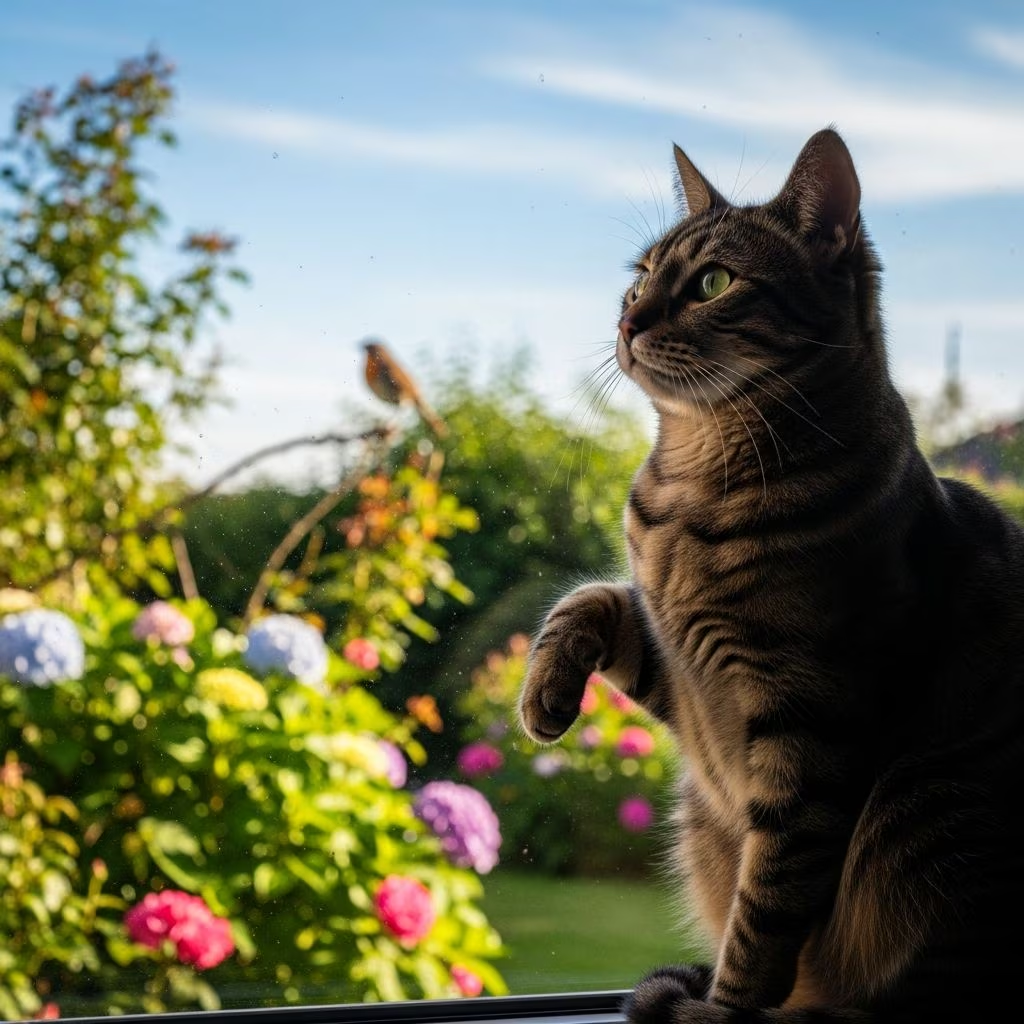
Deciding whether to let your cat roam outside is one of the most debated topics in pet ownership. Cats are natural explorers, but the great outdoors comes with significant dangers that can shorten their lives. Indoor cats typically live longer, healthier lives, but they may miss out on stimulation and exercise. This article examines the health risks, benefits, and compromises to help you make an informed choice for your feline companion.
Benefits of Keeping Cats Indoors
Indoor cats enjoy a safer, more controlled environment that protects them from many external threats. Veterinary experts emphasize that confining cats to the home drastically reduces exposure to life-threatening hazards.
- Reduced Disease Risk: Indoor cats face far lower chances of contracting feline leukemia (FeLV), feline immunodeficiency virus (FIV), upper respiratory infections, and parasites like fleas, ticks, and worms.
- Weight and Diet Control: Owners can monitor and manage their cat’s food intake precisely, preventing obesity—a common issue linked to indoor lifestyles but mitigated with proper care.
- No Risk of Accidents or Theft: Staying inside eliminates dangers from traffic, predators, or getting lost/stolen, providing owners with peace of mind.
Statistics show indoor cats outlive outdoor ones by years, with fewer chronic health issues overall.
Benefits of Outdoor Access for Cats
Despite the risks, outdoor time appeals to many owners because it aligns with cats’ innate behaviors. Allowing supervised or controlled access can enhance well-being in specific ways.
- Natural Exercise and Stimulation: Outdoor exploration involves running, climbing, and hunting, helping maintain muscle tone, ideal weight, and mental sharpness. Cats average 4.4 km of daily travel outdoors, boosting fitness.
- Instinct Fulfillment: Predatory drives are satisfied through real hunting, reducing boredom compared to indoor toys alone.
- Fewer Behavioral Problems: Pent-up energy outlets prevent scratching, vocalizing, or litter box issues indoors, especially in multi-cat homes.
- Sunlight and Fresh Air: Natural light supports circadian rhythms and immunity, while fresh air reduces indoor stress.
In multi-cat households, outdoor access eases territorial tensions by giving cats space to escape. However, these perks must be balanced against substantial downsides.
Risks of Letting Cats Outside
The dangers of unsupervised outdoor access are well-documented and often outweigh the benefits. Uncontrolled roaming leads to higher injury, disease, and mortality rates.
Traffic Accidents
Vehicles pose the top threat, with even savvy cats vulnerable in busy areas or at night. Collisions cause fatal injuries or severe trauma.
Predators and Fights
Coyotes, dogs, wildlife, or rival cats can attack, leading to wounds, abscesses, and disease transmission like FeLV or FIV.
Diseases and Parasites
Outdoor cats encounter pathogens from strays and wildlife, increasing FIV, FeLV, respiratory infections, fleas, ticks, and worms.
Toxins and Hazards
Antifreeze, pesticides, rodenticides, and toxic plants are common yard dangers that cats ingest out of curiosity.
Getting Lost or Stolen
Cats wander far, risking permanent separation, trapping, or theft. Microchipping is essential but not foolproof.
Environmental Impact
Outdoor cats prey on birds and small mammals, harming local ecosystems and sometimes protected species. They may also nuisance neighbors.
| Risk Category | Examples | Consequences |
|---|---|---|
| Physical Trauma | Car hits, fights, falls | Death, injury, abscesses |
| Disease | FeLV, FIV, parasites | Chronic illness, shortened lifespan |
| Toxicity | Antifreeze, poisons | Organ failure, death |
| Loss | Wandering, theft | Permanent separation |
These risks make free-roaming inadvisable, per humane organizations and vets.
Indoor Cat Problems and Solutions
Indoor life isn’t risk-free. Obesity affects many due to limited exercise, raising diabetes and joint disease risks. Boredom leads to stress behaviors like aggression or inappropriate elimination.
- Obesity Prevention: Provide climbing trees, puzzle feeders, and daily play sessions mimicking hunt-chase dynamics.
- Enrichment: Rotate toys, use window perches for bird-watching, and introduce scent games to combat boredom.
- Escape Risks: Indoor cats panicking outdoors lack survival skills, so secure doors and windows.
With effort, indoor cats thrive without outdoor perils.
The Best of Both Worlds: Safe Alternatives
Compromises let cats enjoy outdoors safely, combining stimulation with protection.
- Leash Training: Patient training enables supervised walks for exercise and fresh air without free roaming.
- Catios and Enclosures: These screened patios or yards offer escape-proof outdoor access. Cats experience sights, smells, and breezes while safe from predators and traffic. High-quality catios prevent wildlife entry and reduce obesity/diabetes risks through activity.
- Cat-Proof Fencing: Roller systems or overhangs keep cats in yards while blocking intruders.
- Indoor Enhancements: Vertical spaces, tunnels, and live cams simulate outdoor adventures.
Catios are vet-recommended for enrichment without risks, promoting normal behaviors and health.
Factors to Consider Before Deciding
Your choice depends on location, cat’s age, health, and temperament.
- Urban vs. Rural: High-traffic cities amplify accident risks; rural areas have more predators.
- Age and Health: Kittens, seniors, or ill cats fare worse outdoors.
- Neutering and Vaccinations: Fixed, up-to-date cats face slightly lower risks but still need supervision.
- Lifestyle: Busy owners may prefer low-maintenance indoor setups.
Consult your vet for personalized advice.
Frequently Asked Questions (FAQs)
What is the average lifespan of indoor vs. outdoor cats?
Indoor cats live 12-18 years on average, while outdoor cats average 2-5 years due to hazards.
Can indoor cats be happy without going outside?
Yes, with ample play, enrichment, and alternatives like catios, indoor cats lead fulfilling lives.
Are catios worth the investment?
Absolutely—they provide safe outdoor access, preventing boredom and health issues while eliminating major risks.
Is it cruel to keep a cat indoors?
No, when enriched properly; it’s often kinder given the welfare risks of roaming.
How do I transition a former outdoor cat to indoor life?
Gradually increase enrichment, use calming aids, and provide window views or safe enclosures.
References
- Indoor vs. Outdoor Cats: Health Risks and Benefits — Orchard Road Animal Hospital. 2023. https://www.orchardroadanimalhospital.com/services/cats/blog/indoor-vs-outdoor-cats-health-risks-and-benefits
- Uncontrolled Outdoor Access for Cats: An Assessment of Risks and Welfare Concerns — PMC (National Library of Medicine). 2020-02-25. https://pmc.ncbi.nlm.nih.gov/articles/PMC7070728/
- Are Catios Good for Cats? Vet-Reviewed Pros, Cons & Tips — Catster. 2024. https://www.catster.com/lifestyle/ask-a-vet-do-catios-eliminate-outdoor-risks-for-cats/
- Can You Keep a Cat Outdoors Safely? Vet-Reviewed Safety Tips — Catster. 2024. https://www.catster.com/lifestyle/can-you-keep-a-cat-outdoors-safely/
- Indoor vs Outdoor Cats: Which Is Better? Dr Karyn’s Opinion — Catster. 2023. https://www.catster.com/felines-weekly/indoor-vs-outdoor-cats-dr-karyns-opinion/
- Are Outdoor Cats Happier? — Animal Humane Society. 2024. https://www.animalhumanesociety.org/resource/are-outdoor-cats-happier



