

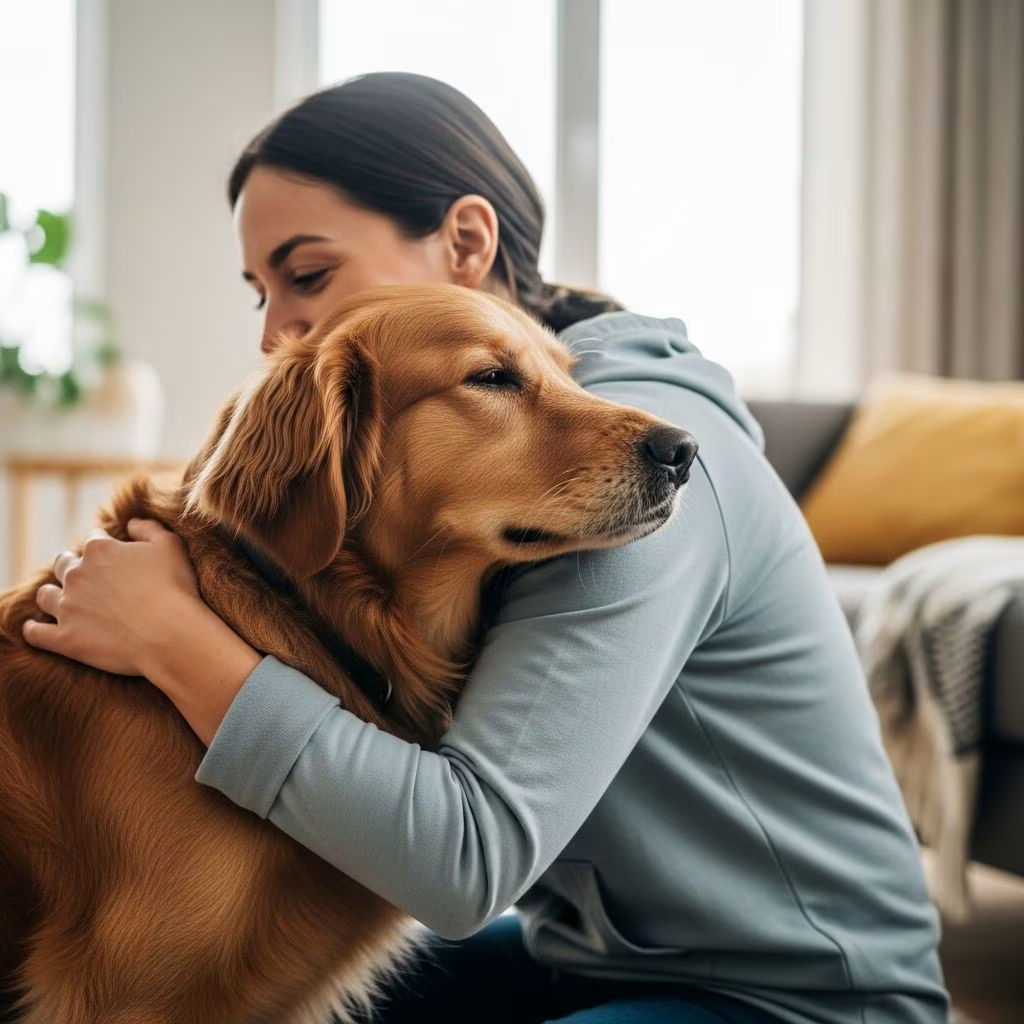
Should You Hug Your Dog? Understanding Your Pup’s Comfort Level
As a dog owner, you naturally want to shower your furry companion with affection, and hugs seem like the perfect way to express your love. However, the question of whether dogs actually enjoy hugs is more complex than it might appear. While some dogs enthusiastically welcome a warm embrace, others may find the experience confusing, uncomfortable, or even stressful. Understanding your individual dog’s preferences and comfort level is essential to building a strong, trusting relationship.
Is It OK to Hug Your Dog?
The straightforward answer is: it depends on your dog. Just like humans, dogs have varying levels of comfort with physical contact and affection. What feels like a loving gesture to you might feel restrictive or threatening to your dog. According to veterinary experts, dogs do not inherently understand hugs the way humans do. While some dogs may tolerate or even enjoy the physical closeness, others may feel uncomfortable or stressed by being held tightly.
Whether a dog enjoys hugs often depends on their individual personality, temperament, and past experiences, including how well they’ve been socialized. Some dogs are naturally more comfortable with close contact and physical restraint, while others feel trapped or anxious when held too tightly. Dogs who have been gently handled and socialized from an early age may be more receptive to hugging than those with limited positive experiences with restraint.
The key principle is that hugging should be something that happens on your dog’s terms. If your dog isn’t into hugs, it’s best to respect their personal space and boundaries. Forcing unwanted physical affection can damage trust and create negative associations with your touch.
4 Signs That Your Dog Likes to Hug
If you’re wondering whether your dog is actually enjoying those hugs you’re giving, there are several clear behavioral signals you can look for. Dogs communicate their comfort level through body language, and learning to read these signs will help you understand what your pup is truly feeling.
Relaxed Body Language
One of the clearest ways to tell that your dog is comfortable with affection is to observe their overall body language. When a dog is at ease during a hug, their muscles are loose and tension-free. Their eyes appear soft and gentle rather than wide or tense. They may wag their tail slowly and steadily, and their mouth might hang open slightly with a relaxed tongue. A truly comfortable dog during a hug will look as though they’re in a state of calm contentment.
Leaning Into You
Dogs who genuinely enjoy hugs will often push into the contact rather than pull away. This leaning behavior indicates that your dog is seeking more affection and feels safe in your embrace. If your dog leans into your body while being hugged and maintains relaxed body cues like soft eyes or a wagging tail, these are strong positive indicators that they’re enjoying the moment.
Nuzzling or Resting Their Head on You
When your dog rests their head on you or nuzzles against you during a hug, it’s a subtle but significant sign that they’re enjoying the physical contact and trust you deeply. An even stronger indication is if your dog seeks out hugs and physical affection on their own initiative, approaching you and positioning themselves in ways that encourage hugging or cuddling.
Staying Calm and Content
Beyond specific behaviors, a dog that truly enjoys hugs will simply appear calm, peaceful, and content while being held. They won’t fidget, try to escape, or show any signs of stress. Instead, they’ll remain still and relaxed, demonstrating that they feel safe and secure in your arms.
How Can You Tell If Your Dog Hates Hugging?
Recognizing when your dog is uncomfortable with hugging is just as important as identifying when they enjoy it. Dogs display clear warning signs when they’re stressed or unhappy about being restrained. Learning to recognize these signals will help you prevent stress and maintain your dog’s trust.
Some common signs that your dog dislikes hugging include turning their head away from you, flattening their ears against their head, yawning excessively (often a stress signal), or showing the whites of their eyes. Your dog might also attempt to wriggle free, pull away from the hug, or display a stiff, tense body posture. In more extreme cases, dogs may growl, snap, or bite if they feel sufficiently threatened or trapped by unwanted restraint.
Additionally, if your dog’s tail is tucked between their legs, their body is rigid, or they seem to be holding their breath, these are all indicators that they’re experiencing anxiety or discomfort. Some dogs may also lick their lips repeatedly or yawn frequently when stressed, which are calming behaviors they engage in to cope with their anxiety.
5 Reasons Your Dog Might Not Want a Hug
Understanding why your dog might not enjoy hugs can help you be more empathetic and find better ways to show affection. There are several legitimate reasons why a dog might resist or dislike being hugged.
Loss of Control and Autonomy
Dogs value their ability to move freely and maintain control over their environment. When you hug them, especially tightly, they lose this control and cannot easily escape if they become uncomfortable. This loss of autonomy can create anxiety, particularly in dogs who haven’t been accustomed to restraint or who have had negative experiences being held.
Physical Discomfort
Some dogs may have physical discomfort or pain that makes hugging unpleasant. Older dogs with arthritis, dogs with back problems, or those recovering from injury may find being held or squeezed uncomfortable. Additionally, the pressure of a hug could exacerbate existing health issues.
Lack of Socialization
Dogs that weren’t handled frequently during their puppyhood or haven’t had positive experiences with restraint may be naturally more resistant to hugs. Socialization during the critical developmental period helps puppies become comfortable with various forms of physical handling and touch.
Sensory Sensitivity
Some dogs are naturally more sensitive to tactile stimulation and find excessive physical contact overwhelming. These dogs may prefer their personal space and limited touch, finding hugs to be overstimulating rather than comforting.
Individual Personality Differences
Just as people have different personality types and preferences, so do dogs. Some dogs are simply more independent and don’t seek out close physical contact, regardless of how well-socialized they are. This doesn’t mean they don’t love you—they simply express affection differently.
Other Ways to Show Your Dog You Love Them
If your dog isn’t a fan of hugs, there are plenty of alternative ways to express your love that they’ll actually enjoy and understand. These methods of affection are often more meaningful to dogs because they align with their natural preferences and behaviors.
Gentle Petting and Stroking
Most dogs enjoy gentle petting, particularly in areas they like such as the chest, behind the ears, or along their back. Soft, gentle stroking can release oxytocin—the love hormone—in both you and your dog, creating a calming and bonding effect. This type of physical affection gives your dog the choice to move away if they become uncomfortable, making it less stressful than a hug.
Playtime and Interactive Games
Engaging in play with your dog is an excellent way to demonstrate your affection and strengthen your bond. Playing fetch, tug-of-war, or other interactive games shows your dog that you enjoy their company and want to engage with them on their terms. Dogs experience joy during play, and this is often a more natural way for them to bond with their humans.
Quality Time and Companionship
Simply spending time with your dog—whether you’re relaxing on the couch, taking a walk, or sitting in the yard together—demonstrates that you value their presence. Dogs thrive on companionship, and being near you is often enough to make them feel loved and secure.
Training and Mental Stimulation
Providing your dog with training opportunities and mental stimulation activities shows that you care about their well-being and development. Dogs enjoy learning, and the attention and positive reinforcement you provide during training sessions strengthen your relationship while keeping them mentally engaged.
Respecting Their Boundaries
Ultimately, one of the most powerful ways to show your dog you love them is by respecting their personal boundaries and preferences. Understanding what makes your individual dog comfortable and adjusting your behavior accordingly demonstrates true care and respect.
Frequently Asked Questions About Dogs and Hugs
Q: Do dogs feel affection when you hug them?
A: When you hug a dog, they may not understand the emotional meaning of a hug the way you do. However, if they’re comfortable with the physical contact, they may experience affection through the tactile sensation. The key is understanding your individual dog’s comfort level and reading their body language. Some dogs will genuinely enjoy the closeness and feel bonded to you through the hug, while others may simply tolerate it or become stressed.
Q: Do dogs like to cuddle?
A: Many dogs do enjoy cuddling, though their preferences vary widely. If your dog thrives on closeness and enjoys being near you, they may even initiate snuggle time by jumping on the couch or pressing against you. The important thing is to always be mindful of their body language to ensure they’re genuinely comfortable with the cuddle session and not just tolerating it.
Q: Do dogs like to be kissed?
A: Dogs don’t understand kisses the way humans do. Some dogs may tolerate or even enjoy kisses if they’ve learned to associate them with positive attention and reward. However, other dogs might find a kiss confusing or feel it’s an invasion of their personal space. Always observe your dog’s reaction to determine whether they’re comfortable with this form of affection.
Q: Do dogs understand what a hug means?
A: Dogs can learn to associate hugs with positive experiences, but they don’t inherently understand the emotional significance of a hug the way humans do. Rather than interpreting hugs as a gesture of love, dogs are more likely to evaluate them based on how the physical sensation feels to them—either safe and pleasant or confusing and restrictive. Building positive associations through reward-based training can help some dogs become more comfortable with hugs.
Q: Do dogs hug each other?
A: Dogs don’t hug in the same way humans do, but they do show affection to each other in other ways. You might observe dogs leaning against each other, nuzzling, or licking as forms of canine affection and bonding. Understanding these natural dog behaviors can help you appreciate how your dog might prefer to express and receive love.
Q: What’s the best way to show my dog I love them?
A: The best way to show your dog you love them is to think in terms of what is meaningful to your dog, not just what feels natural to you. This might include cooperative games, outlets for sniffing, comfortable places to rest, choice-based walks where your dog has agency, playful interaction with other dogs, training for dog sports, or mental stimulation toys. Paying attention to your dog’s individual preferences and tailoring your affection accordingly demonstrates genuine care and respect.
Building a Bond Beyond Hugs
The relationship between you and your dog is built on trust, understanding, and mutual respect. While hugs may work for some dogs, the most important thing is recognizing and honoring your individual dog’s unique personality and preferences. By learning to read your dog’s body language, respecting their boundaries, and finding alternative ways to show affection that they genuinely enjoy, you’ll create a stronger, more authentic bond. Remember that true love isn’t about forcing a particular type of physical affection—it’s about understanding your dog’s needs and meeting them where they are. Every dog is different, and accepting those differences shows the deepest respect and love you can give your furry companion.
References
- Do Dogs Like Hugs? How to Tell If Your Pup’s a Fan — Chewy. 2024. https://www.chewy.com/education/dog/general/do-dogs-like-hugs
- Does My Dog Love Me? 7 Signs That Your Pup’s a Fan — Chewy. 2024. https://www.chewy.com/education/dog/training-and-behavior/does-my-dog-love-me-2
- Why Do I Love My Dog So Much? Experts Explain — Chewy. 2024. https://www.chewy.com/education/dog/pet-parenting/i-love-my-dog-so-much
- The Benefits of Pet Ownership on Human Health and Well-Being — American Psychological Association. 2019. https://www.apa.org/science/about/psa/pets-health
- Canine Body Language and Communication — American Kennel Club. 2023. https://www.akc.org/expert-advice/body-language-signs-that-your-dog-stressed



