

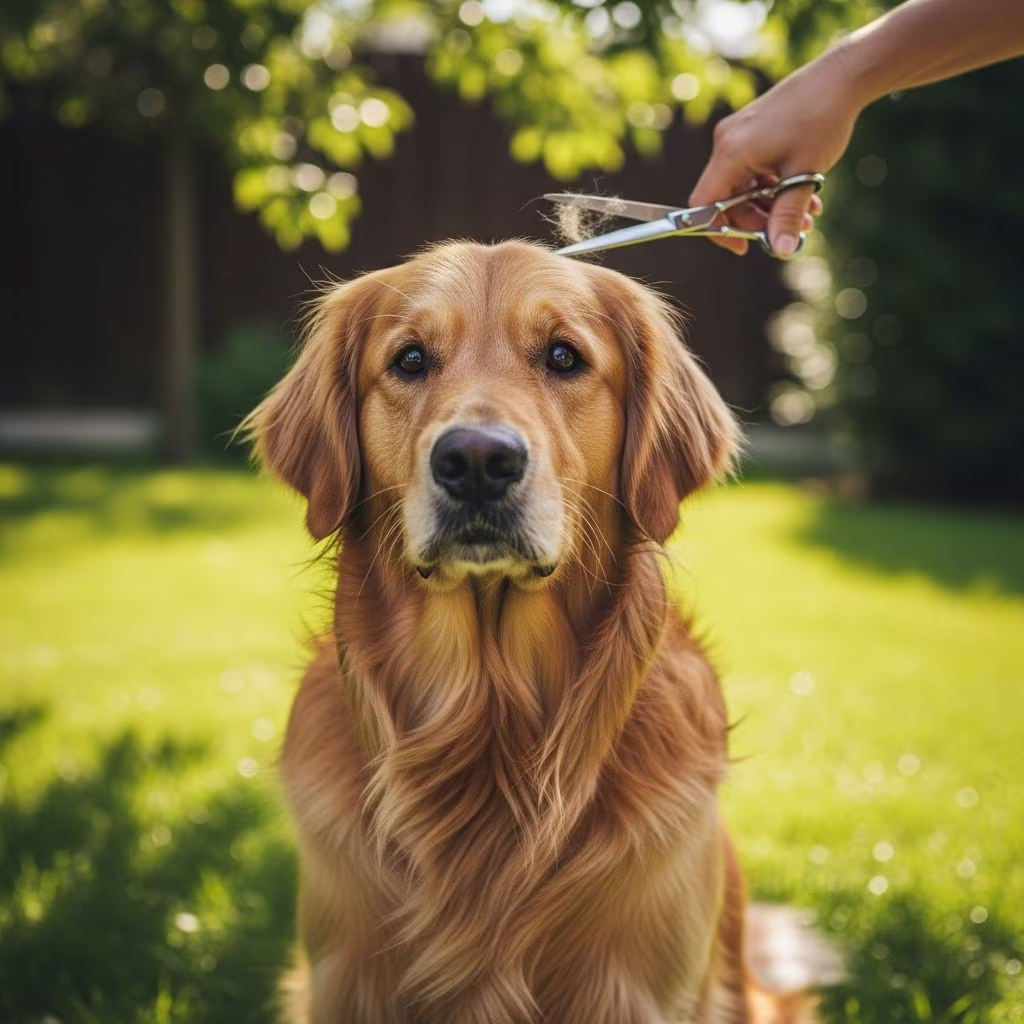
Should You Give Your Dog a Summer Haircut?
When summer heat waves arrive, it’s natural to see our dogs panting under their thick fur and consider booking a grooming appointment to help them cool down. However, giving your dog a summer haircut isn’t always the best decision, and for some breeds, it can actually do more harm than good. Understanding your dog’s coat type and breed-specific grooming needs is essential before making any decisions about trimming or shaving their fur.
Why You Shouldn’t Shave Double-Coated Dogs
Double-coated breeds have two distinct layers of fur that work together to regulate their body temperature. The outer coat consists of coarse guard hairs that provide protection from the elements, while the inner coat is soft and sits close to the skin. This undercoat traps air and creates natural insulation that helps maintain consistent body temperature.
Many people mistakenly believe that removing this double coat will help their dog stay cooler in summer. In reality, the opposite is true. When you shave a double-coated dog, you remove their natural cooling mechanism. According to veterinary experts, shaving or heavy trimming can make double-coated breeds more susceptible to overheating and sunburn, and can damage hair follicles, resulting in poor regrowth.
The regrowth problem is particularly concerning. When you shave a double-coated dog, the undercoat may grow back faster than the guard hairs, creating an uneven coat that doesn’t provide proper insulation or protection. This altered coat texture can persist for months or even longer.
Double-Coated Breeds That Should Never Be Shaved
Several popular dog breeds should never be fully shaved or heavily trimmed. These include:
- German Shepherds
- Huskies and Siberian Huskies
- Bernese Mountain Dogs
- Pomeranians
- Alaskan Malamutes
- Corgis
- Golden and Labrador Retrievers
- Australian Shepherds
Proper Maintenance for Double-Coated Breeds
While double-coated dogs should never be shaved, they still require regular grooming to maintain a healthy coat and prevent matting. Professional groomers recommend brushing your double-coated dog at least twice a week using a slicker brush with long pins that can reach down to the skin through both coat layers.
This regular brushing serves multiple purposes. It removes dead hair from the undercoat, allowing the remaining fur to efficiently perform its cooling function. It also prevents matting and impaction, which can lead to serious health issues. In extreme cases where a dog’s coat becomes so matted that it threatens to restrict blood circulation, shaving may become a necessary last resort.
Between brushing sessions, you can bathe and lightly trim your double-coated dog to maintain appearance without compromising their coat’s protective function.
Which Breeds Can Get Summer Haircuts?
Not all dogs have double coats, and some breeds actually benefit from summer grooming. Understanding your dog’s coat type is the first step in determining whether a haircut is appropriate.
Single-Coated Breeds
Single-coated dogs with continuously growing hair typically shed less and can safely benefit from trims and clips during summer months. These breeds include wiry-coated Terriers and long-haired breeds such as Afghans and Shih Tzus.
For these breeds, trimming the “furnishings”—the loose hair around the stomach and legs—can facilitate cooling. Additionally, trimming extra fur that grows between the toes and paw pads is beneficial, since dogs sweat through their paw pads. Professional grooming is recommended to avoid injury when trimming these sensitive areas.
Short-Haired Breeds
Short-haired breeds like Pit Bull-type dogs, Greyhounds, Boston Terriers, and Dalmatians don’t typically require haircuts. However, they can benefit from deshedding treatments to help remove excess fur and improve air circulation around their skin.
For short-haired dogs, brushing with a Furminator (designed for short coats) or rubber massage brushes helps manage shedding and keeps their coat healthy.
Curly-Haired Breeds
Curly-haired dogs, including Poodles and Doodles, can get summer trims with some areas lightly shaved. These breeds have hair rather than fur and typically require more frequent grooming throughout the year.
To prevent matting in curly-haired dogs, owners should comb their pets as frequently as daily, similar to how they would care for their own curly hair. During summer, especially if your dog spends time in wooded areas or parks, clipping for the summer helps manage hair and prevent ticks.
Important Guidelines for Any Dog Haircut
If your dog does get a summer haircut, following proper grooming guidelines is essential:
- Never shave too close to the skin. Leave at least one inch of hair minimum to prevent skin irritation, sunburn, and insect bites.
- Use professional groomers. Trimming should be done by professionals to avoid injury to your dog.
- Consider breed-specific needs. Different breeds have different grooming requirements based on their coat type.
- Combine with other cooling methods. Grooming alone isn’t sufficient; use other cooling techniques alongside haircuts.
Alternative Methods to Keep Dogs Cool
Rather than relying solely on haircuts, consider these evidence-based methods to help your dog stay comfortable during summer heat:
Environmental Control
Air conditioning and shade are your best friends. Whenever possible, keep pets in an air-conditioned environment. If your dog spends significant time outdoors, provide shaded areas that can feel 10-15 degrees cooler than direct sunlight.
Hydration and Cooling Products
Always ensure your dog has access to cool, clean water throughout the day. In addition to water, cooling mats and other temperature-regulating products can provide relief from heat without risking coat damage.
Exercise Timing
Walk your dog during cooler parts of the day—early morning or late evening—to avoid peak heat hours. When exercising your dog, consider multiple factors including temperature, humidity, pavement temperature, your dog’s age, breed characteristics, and overall health status. Short-faced breeds are particularly prone to heat stroke and require extra caution.
Brushing Techniques for Summer Coat Management
Regular brushing is the most effective way to manage your dog’s coat during summer without compromising their natural cooling system. Different coat types require different tools:
| Coat Type | Breed Examples | Recommended Tool | Frequency |
|---|---|---|---|
| Double-coated | German Shepherds, Huskies, Corgis | Slicker brush with long pins | Twice weekly |
| Short-haired | Boxers, Bulldogs, Pit Bulls | Furminator or rubber massage brush | Weekly |
| Curly-haired | Poodles, Doodles | Metal comb | Daily |
| Long single-coated | Afghans, Shih Tzus | Slicker brush | 3-4 times weekly |
Brushing not only removes dead hair and prevents matting but also helps activate your dog’s natural cooling mechanisms. When the undercoat is properly maintained through brushing, the remaining fur can more efficiently trap the cool air close to the skin.
Special Considerations for Active Summer Dogs
If your dog swims frequently during summer or spends extensive time outdoors, additional grooming care becomes necessary. Swimming can cause hair to tangle and mat, particularly in longer-coated breeds.
For dogs that swim regularly, more frequent brushing sessions help prevent matting before it becomes problematic. If matting does occur, professional groomers can address it without causing skin damage. In rare cases where matting is severe, partial shaving of affected areas may be necessary as a last resort.
Additionally, if your dog frequents wooded areas or parks, shorter clips can help manage hair and make tick prevention easier when combined with year-round flea and tick preventatives.
Frequently Asked Questions
Q: Can I get a “summer cut” for my German Shepherd or Husky?
A: No. Double-coated breeds like German Shepherds and Huskies should never be shaved or heavily trimmed. Their double coat actually helps keep them cool naturally. Instead, brush them regularly (at least twice weekly) to remove excess undercoat and maintain their coat’s insulating properties.
Q: What’s the difference between hair and fur?
A: Hair grows continuously as a single layer and typically doesn’t shed seasonally, while fur grows in two layers to a specific length and sheds seasonally. Dogs with hair (like Poodles) can be shaved safely, while dogs with fur (like Labs) should not be shaved.
Q: How short should I trim my dog’s hair if they do get a summer cut?
A: Never shave closer than one inch to the skin. Leaving at least one inch of hair prevents skin irritation, sunburn, and insect bites.
Q: What if my dog’s coat becomes matted during summer?
A: Regular brushing twice weekly with a slicker brush prevents matting. If matting occurs, have a professional groomer handle it carefully to avoid skin damage. Severe matting is a rare case where limited shaving might become necessary as a last resort.
Q: Are there cooling methods besides haircuts?
A: Yes. The most effective methods include keeping your dog in air-conditioned spaces, providing shade, ensuring constant access to clean water, using cooling mats, and exercising during cooler times of day (early morning or evening).
Q: Can short-haired dogs benefit from summer grooming?
A: Short-haired breeds don’t need haircuts but can benefit from deshedding treatments to remove excess fur and improve comfort.
Q: How often should I brush my curly-haired dog?
A: Curly-haired dogs like Poodles and Doodles should be combed daily to prevent matting, similar to how you would care for curly human hair.
Conclusion: Making the Right Choice for Your Dog
Summer grooming decisions should be based on your specific dog’s breed, coat type, and individual needs rather than on appearance alone. Before booking that summer haircut appointment, consider whether your dog has a double coat that provides natural cooling benefits, or a single coat that can safely be trimmed.
When in doubt, consult with a professional groomer or veterinarian who understands your dog’s specific breed characteristics. In most cases, regular brushing combined with other cooling methods like shade, hydration, and appropriate exercise timing will keep your dog more comfortable and healthier than a summer shave ever could.
References
- Kinship: Should you give your dog a summer haircut? — Cornell University College of Veterinary Medicine. 2025-06-26. https://www.vet.cornell.edu/about-us/news/20250626/kinship-should-you-give-your-dog-summer-haircut
- Should You Give Your Dog a Summer Haircut? — Kinship. https://www.kinship.com/dog-health/summer-haircut-dog
- Time For A Summer Cut? Tips For Warm Weather Dog Grooming — Texas A&M College of Veterinary Medicine & Biomedical Sciences. https://vetmed.tamu.edu/news/pet-talk/summer-dog-grooming/



