

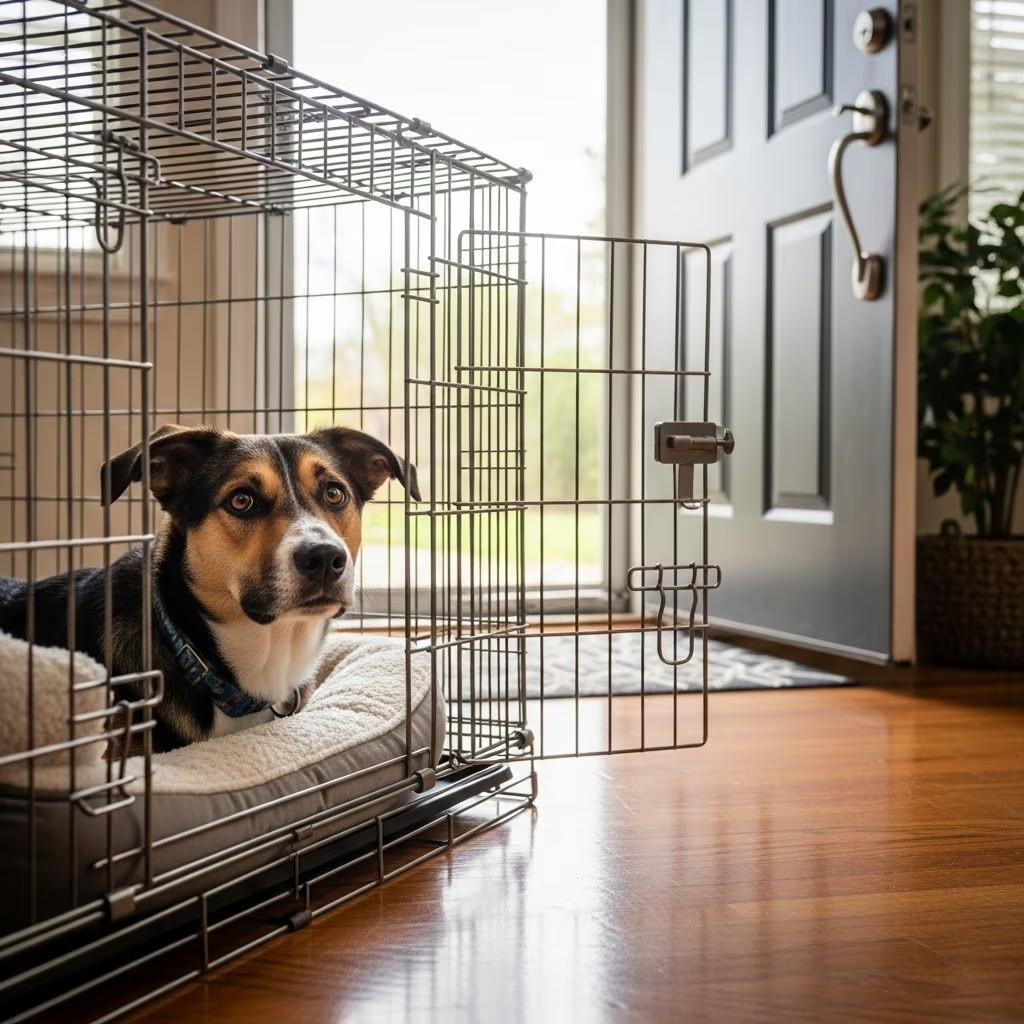
Deciding whether to crate your dog when you step out can significantly impact their safety and behavior. When done correctly, crating offers a secure environment that mimics a den, helping prevent mishaps and promoting calm.
Understanding Crate Training Basics
Crate training involves introducing your dog to a crate as a positive space, gradually building their comfort with confinement. This method leverages dogs’ natural denning instinct, where they seek enclosed areas for rest and security. Start by placing treats inside the crate to encourage voluntary entry, associating it with rewards rather than isolation.
Proper crate selection is crucial: choose one allowing your dog to stand, turn around, and lie down comfortably without excess space that might encourage soiling. For puppies, divider panels help adjust size as they grow. Ventilation, sturdy construction, and secure latches prevent accidents like collapse or overheating.
Key Advantages of Using a Crate During Absences
Crating provides multiple benefits, particularly for unsupervised time. It safeguards against household hazards and supports training goals.
- Safety First: Prevents access to toxic items like chemicals or chocolate, reducing ingestion risks.
- House Training Aid: Encourages bladder control, as dogs avoid soiling their resting area, speeding potty progress.
- Damage Prevention: Stops chewing on furniture or wires, saving repair costs and stress.
- Personal Sanctuary: Offers a quiet retreat amid household chaos, aiding relaxation.
- Travel and Vet Prep: Eases car trips, boarding, grooming, or medical visits by familiarizing dogs with confinement.
- Calm Behavior Promotion: Teaches self-settling, curbing hyperactivity when alone.
- Recovery Support: Facilitates post-surgery rest, minimizing re-injury through stress-free confinement.
These perks make crating a versatile tool for busy owners, fostering independence and peace of mind.
Potential Downsides and How to Mitigate Them
Despite benefits, crating isn’t ideal for every dog or situation. Misuse can lead to harm, emphasizing gradual introduction and monitoring.
| Drawback | Impact | Mitigation Strategy |
|---|---|---|
| Overreliance | Extended confinement causes physical discomfort, bladder issues, or boredom. | Limit to 4-6 hours max for adults; provide exercise before/after. |
| Anxiety Aggravation | Worsens separation issues, leading to self-harm or panic. | Introduce slowly with positive reinforcement; observe body language. |
| Improper Sizing | Cramping or accidents from too small/large space. | Measure dog; use dividers for growth phases. |
| Health Complications | Exacerbates bowel or mobility problems. | Consult vet; skip for dogs with conditions. |
| Poor Ventilation/Assembly | Overheating or injury risks. | Ensure airflow; place in cool, ventilated spot; check locks. |
| Punishment Use | Builds fear, stress, long-term behavioral issues. | Always pair with rewards; never force entry. |
| Accessory Hazards | Collars snag on bars, causing strangulation. | Remove collars/harnesses before crating. |
Addressing these ensures crating remains beneficial. Watch for whining, pacing, or panting as distress signs, adjusting accordingly.
Step-by-Step Guide to Effective Crate Training
Build positive associations over weeks for success.
- Select and Setup: Pick airline-approved wire crate; cover sides for den-like feel, leaving top/front open.
- Introduce Playfully: Feed meals inside, toss toys/treats; let door stay open initially.
- Short Sessions: Close door for seconds, gradually to minutes; stay nearby, praising calm.
- Extend Alone Time: Step out briefly, return with treats; build to hours with potty breaks.
- Incorporate Daily Routine: Crate post-exercise when tired; vary locations for adaptability.
- Monitor Progress: Use camera if leaving; adjust for feedback like relaxed sleeping.
Puppies under 6 months need frequent breaks; adults tolerate longer but require stimulation like Kong toys.
Alternatives to Crating for Home Alone Time
Not all dogs thrive in crates. Consider these based on temperament and home setup.
- Exercise Pens: Larger areas for play, ideal for energetic pups.
- Secure Rooms: Baby-gated kitchen or laundry with bedding, water, toys.
- Daycare or Walkers: Social outlets for high-energy breeds.
- Calming Aids: Pheromone diffusers, anxiety wraps alongside freedom.
Test options during short absences to find the best fit, prioritizing safety.
When Crating Might Not Be Right for Your Dog
Avoid crating if your dog shows extreme fear, aggression toward the crate, or medical issues like incontinence. Breeds with brachycephalic (short-nosed) features need extra ventilation monitoring. Rescues with trauma histories may require professional behaviorists.
Observe trial runs: if stress persists after proper intro, pivot to alternatives. Ethical use prioritizes welfare over convenience.
Frequently Asked Questions
How long can I crate my dog when I leave?
Puppies: 2-4 hours max. Adults: Up to 6-8 hours with prior exercise and potty access. Never overnight without breaks.
Is crating cruel?
No, when used humanely as a safe space, not punishment. Positive training prevents distress.
What if my dog cries in the crate?
Ignore brief whines if settled; intervene for true panic. Build tolerance gradually with rewards.
Can I cover the crate completely?
Partial covering aids sleep but ensure ventilation; avoid full covers in warm areas.
Does crate training stop separation anxiety?
It helps by teaching alone time but pair with desensitization for severe cases.
Expert Tips for Long-Term Success
Integrate crate into lifestyle: night sleeping builds habit. Rotate toys for mental stimulation. Track improvements in a journal. Consult vets or certified trainers for tailored advice. Consistent, patient training yields confident, secure dogs.
Ultimately, crating when leaving enhances safety and bonding if balanced with freedom and exercise. Adapt to your dog’s needs for optimal results.
References
- Is Crate Training Necessary? Is It Cruel? 17 Pros, Cons & Benefits of Crate Training — Pupford. Accessed 2026. https://pupford.com/blogs/all/is-crate-training-necessary-pros-cons
- Pros and Cons of Crate Training — Walk! ATX Pets. Accessed 2026. https://walkatxpets.com/blog-videos/pros-and-cons-of-crate-training/
- Dog Crates: the Good, the Bad, and the Ugly — 3 Lost Dogs. Accessed 2026. https://www.3lostdogs.com/dog-crates-the-good-the-bad-and-the-ugly/
- 11 Crate Training Benefits for Your Dog’s Health & Safety — Long Haul Trekkers. Accessed 2026. https://longhaultrekkers.com/crate-training-benefits/
- Crate Training Your Puppy — UC Davis School of Veterinary Medicine. Accessed 2026. https://www.vetmed.ucdavis.edu/sites/g/files/dgvnsk491/files/inline-files/Crate_Training_Your_Puppy.pdf
- To Crate or Not To Crate? — Karen Pryor Clicker Training. Accessed 2026. https://clickertraining.com/to-crate-or-not-to-crate/



