
Should Indoor Dogs Be Vaccinated? Essential Guide
Discover why indoor dogs need vaccines and which shots protect your home pet.
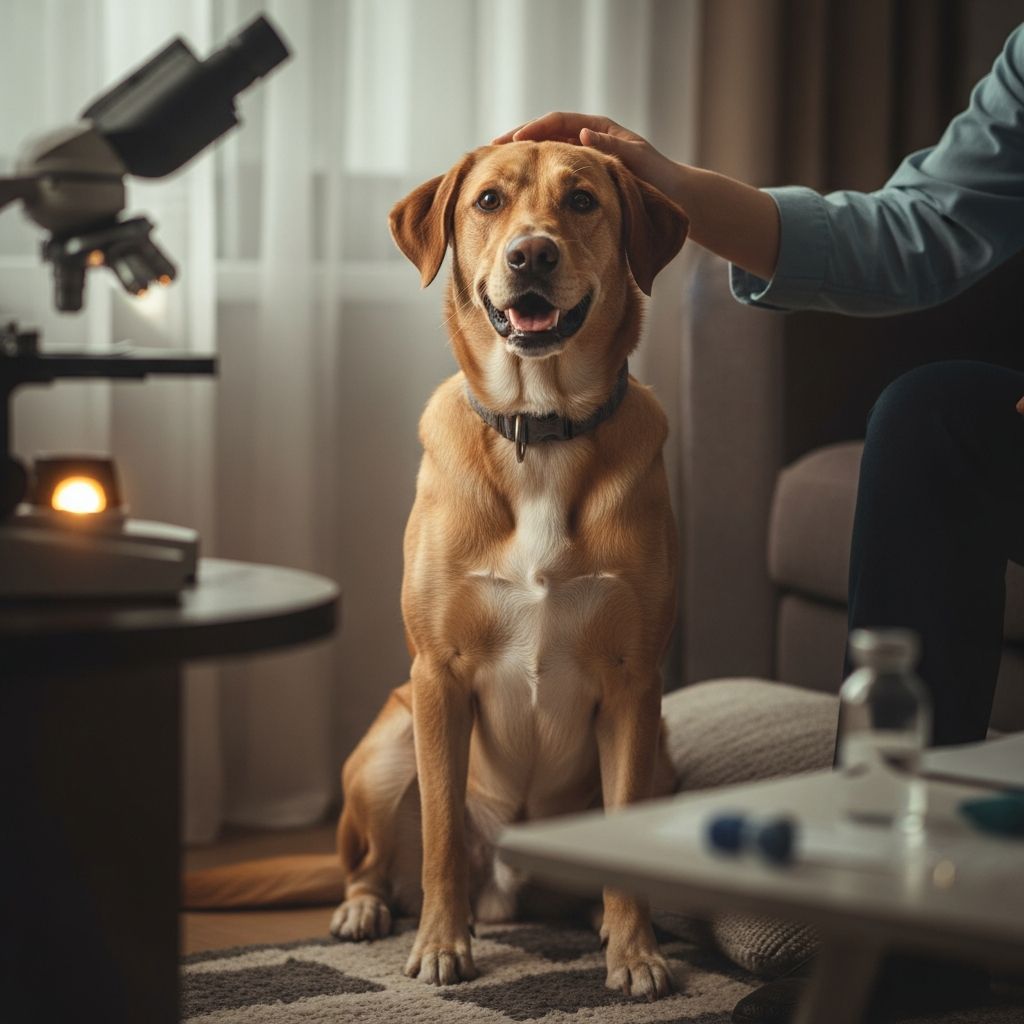
Should Indoor Dogs Be Vaccinated? A Comprehensive Guide for Pet Owners
Many dog owners assume that keeping their pets exclusively indoors eliminates the need for vaccinations. This common misconception can put your beloved companion at serious risk. The truth is that even dogs who spend virtually all their time inside your home still require essential vaccinations to protect against potentially life-threatening diseases. Understanding why indoor dogs need vaccines and which shots matter most is crucial for responsible pet ownership and your dog’s long-term health.
Why Indoor Dogs Still Need Vaccines
The idea that indoor dogs don’t need vaccines is a dangerous myth. While an indoor lifestyle certainly reduces overall disease exposure compared to outdoor dogs, it does not eliminate risk entirely. Several important factors make vaccination essential for indoor dogs:
Environmental pathogen transmission: Many serious canine diseases are caused by hardy viruses that can survive on inanimate objects such as clothing, shoes, and belongings. When family members or visitors enter your home, they can unknowingly carry disease-causing organisms on their shoes, clothing, or hands. Canine distemper and parvovirus are prime examples of pathogens that don’t require direct dog-to-dog contact to cause infection. These viruses can be transported into your home and expose your indoor dog without any obvious exposure event.
Unexpected wildlife encounters: Despite your best efforts to keep your dog indoors, unexpected exposures can happen. Bats can find their way into homes and may be approached by curious indoor dogs. Raccoons, skunks, and rats can enter basements or crawl spaces, potentially exposing your pet to diseases like leptospirosis. Even the most carefully supervised indoor dog may occasionally slip outside or encounter unexpected situations.
Legal requirements: In most jurisdictions, rabies vaccination is legally required for all dogs, regardless of lifestyle. This requirement exists because rabies poses an extreme public health threat. Failure to maintain current rabies vaccination can result in serious legal consequences if your dog bites someone, even accidentally.
Visitor and guest exposure: If other dogs visit your home or if your dog interacts with other animals through windows or doors, disease transmission becomes possible. Many pet owners occasionally have guests bring their dogs, and these brief interactions can expose your indoor dog to contagious diseases.
Core Vaccines Every Indoor Dog Needs
Veterinarians categorize vaccines into two main groups: core and non-core. Core vaccines are recommended for all dogs regardless of lifestyle, while non-core vaccines depend on individual risk factors. Indoor dogs should absolutely receive all core vaccines and may benefit from certain non-core vaccines based on their specific situations.
1. Rabies Vaccine
The rabies vaccine stands as perhaps the most critical vaccination for any dog, indoor or outdoor. Rabies is a viral disease that is virtually 100% fatal once symptoms develop, with no effective treatment available. This vaccine isn’t merely a medical recommendation—it’s a legal requirement in most places. The rabies vaccine protects both your dog and your family members from this catastrophic disease.
Even strictly indoor dogs require rabies protection because:
- Bats occasionally enter homes and can transmit rabies through a bite or scratch
- If your dog ever bites someone, proof of rabies vaccination prevents mandatory quarantine or euthanasia
- The disease poses an extreme risk to human health
- Vaccination is required by law in virtually all jurisdictions
Most areas require rabies vaccination every one to three years, depending on local regulations and the specific vaccine formulation used. This is one vaccine where there’s simply no room for compromise, regardless of your dog’s lifestyle.
2. DHPP Vaccine (Distemper, Hepatitis, Parvovirus, Parainfluenza)
The DHPP combination vaccine protects against four serious diseases. Canine distemper and parvovirus are particularly dangerous for indoor dogs because these hardy viruses can be brought into the home on shoes and clothing. Parvovirus is especially devastating, causing severe gastrointestinal illness and being potentially fatal, particularly in puppies. Distemper affects the respiratory and nervous systems and can be equally deadly. Both diseases can survive in the environment for extended periods, making indoor dogs vulnerable despite their sheltered lifestyle.
3. Bordetella Vaccine (Kennel Cough)
While kennel cough might seem like a minor concern for an indoor dog, the Bordetella vaccine protects against infectious tracheobronchitis, which can cause severe respiratory distress. Indoor dogs should consider this vaccine if they:
- Visit groomers occasionally
- Might need boarding in the future, as many facilities require this vaccine
- Interact with other dogs when visitors bring their pets
- Have any occasional social interactions with other canines
4. Leptospirosis Vaccine
Leptospirosis protection is increasingly important for indoor dogs as urban areas become more populated with wildlife. Skunks, raccoons, and rats are primary carriers of this disease, and infected animals can contaminate water sources and soil. Indoor dogs can be exposed through contaminated water that enters homes or through contact with infected wildlife that enters living spaces. Leptospirosis is highly contagious, potentially fatal, and can cause severe organ damage. The AAHA recommends vaccination for all dogs because this disease is present throughout North America.
5. Canine Influenza Vaccine
Canine influenza is another vaccine that may be recommended based on your dog’s specific risk factors and your geographic location. Dogs that have contact with other dogs, either through boarding, grooming, or visitor interactions, benefit from this protection.
Vaccination Schedules for Indoor Dogs
Proper timing of vaccinations is crucial for building and maintaining effective immunity. The schedule typically differs based on your dog’s age and previous vaccination history.
Puppy Vaccination Timeline
Puppies require a series of vaccinations to build strong immunity as maternal antibodies fade. A typical puppy vaccination schedule includes:
- 6-8 weeks: First DHPP vaccine
- 10-12 weeks: Second DHPP vaccine, first Leptospirosis (if recommended)
- 14-16 weeks: Third DHPP vaccine, second Leptospirosis, first Rabies vaccine
- Additional vaccines: Bordetella and Canine Influenza may be added based on risk factors
It’s crucial not to delay the puppy vaccination series even if your dog stays indoors. Young puppies are especially vulnerable to diseases like parvovirus, which can be fatal and easily brought into the home on shoes or clothing.
Adult Booster Requirements
After completing the initial puppy series, most vaccines require periodic boosters to maintain immunity. Current guidelines recommend individual risk assessments rather than vaccinating against every disease annually. Typical booster schedules include:
- Rabies: Every 1-3 years depending on vaccine type and local laws
- DHPP: Typically every 3 years after the first adult booster
- Leptospirosis: Annual boosters if risk factors are present
- Bordetella: Annually or semi-annually depending on exposure risk
- Canine Influenza: Annually if recommended for your area
Safety and Administration
Pet owners often wonder if it’s safe to receive multiple vaccines in a single veterinary visit. The answer is yes—most dogs can safely receive multiple vaccines simultaneously. Your veterinarian may space vaccines over multiple visits if your dog is very young, very small, or has a history of vaccine reactions, but combined vaccinations are generally safe and convenient.
Never attempt to vaccinate your dog at home without proper veterinary supervision. Improper vaccine administration can fail to provide adequate immunity and may cause serious complications.
Vaccination Recommendations for Senior Dogs
Older dogs that have been properly vaccinated throughout their lives often have long-lasting immunity to core diseases. Core vaccines typically provide protection lasting three or more years. However, senior dogs may still benefit from certain non-core vaccines with annual boosters depending on their health status and risk factors. Titer tests can measure your senior dog’s existing immunity levels, helping your veterinarian determine if booster vaccines are necessary.
Customizing Your Indoor Dog’s Vaccine Plan
While core vaccines should be administered to all indoor dogs, your veterinarian will help you determine which non-core vaccines make sense for your specific pet. Factors your vet will consider include:
- Your dog’s age and health status
- Local disease prevalence in your area
- Your dog’s likelihood of contact with other animals
- Whether your dog travels or visits boarding facilities
- Environmental factors like wildlife presence in your area
Common Misconceptions About Indoor Dog Vaccines
Misconception 1: Indoor dogs don’t need any vaccines. This is absolutely false. Core vaccines are essential for all dogs regardless of lifestyle.
Misconception 2: Dogs only need one rabies vaccine. Most jurisdictions require regular rabies booster shots every 1-3 years to maintain protection and legal compliance.
Misconception 3: Vaccines are dangerous. Serious vaccine reactions are extremely rare. The diseases prevented by vaccines are far more dangerous than the vaccines themselves.
Misconception 4: All dogs need every vaccine every year. Modern vaccination guidelines recommend individual risk assessments and rotating schedules rather than annual vaccination against all diseases.
Frequently Asked Questions
Q: Can I skip certain vaccines if my indoor dog never goes outside?
A: While some non-core vaccines may be optional based on your veterinarian’s assessment, core vaccines including rabies and DHPP are essential for all dogs regardless of lifestyle. Your veterinarian can determine which vaccines are necessary based on your dog’s specific situation and risk factors.
Q: How often does my indoor dog need vaccines after the puppy series?
A: Most core vaccines are given every 1-3 years depending on the specific vaccine and local regulations. Your veterinarian will recommend an appropriate schedule based on your dog’s age, health status, and individual risk factors.
Q: Can I delay vaccines if my puppy never goes outside?
A: No. Puppies should follow the standard vaccination schedule regardless of indoor or outdoor status. Young puppies are especially vulnerable to fatal diseases like parvovirus, which can easily be brought into the home on shoes or clothing.
Q: Is rabies vaccination really necessary for an indoor dog?
A: Yes. Rabies vaccination is both legally required in most areas and medically essential. Even strictly indoor dogs can encounter bats, and rabies is virtually 100% fatal once symptoms develop.
Q: What should I do if my indoor dog is bitten by a wild animal?
A: Contact your veterinarian immediately. If your dog is currently vaccinated against rabies, they may be given a booster and monitored. If unvaccinated, the situation is much more serious and may require quarantine or euthanasia.
Q: Are there any risks to vaccinating my dog?
A: Serious vaccine reactions are extremely rare. Minor side effects like temporary letharness or soreness at the injection site occasionally occur but are far less dangerous than the diseases vaccines prevent.
Conclusion: Protecting Your Indoor Dog
The question “Should indoor dogs be vaccinated?” has a clear answer: absolutely yes. Even if your dog rarely ventures beyond your living room, they still need core vaccines to stay protected from serious and potentially fatal diseases. The limited exposure of an indoor lifestyle doesn’t eliminate risk—it simply reduces it. Proper vaccination represents a cornerstone of responsible pet ownership and essential preventative healthcare.
Work closely with your veterinarian to develop a customized vaccination plan for your indoor dog. Your vet understands your dog’s individual risk factors and can help you make informed decisions about which vaccines are most important. By maintaining appropriate vaccinations, you’re not only protecting your own pet but also contributing to public health by preventing disease spread in your community.
References
- Do Indoor Dogs Need Vaccines? — The Pet Vet. 2024. https://thepetvet.com/do-indoor-dogs-need-vaccines/
- Indoor Dogs and Infectious Disease — VCA Animal Hospitals. https://vcahospitals.com/know-your-pet/indoor-dogs-and-infectious-disease
- Vaccinations for Dogs: What Every Dog Owner Should Know — Banfield Pet Hospital. https://www.banfield.com/Services/dog-vaccinations
- What Vaccines Are Actually Necessary for Dogs? A Pet Parent’s Guide — Riverbend Pet. 2024. https://www.riverbendpet.com/what-vaccines-are-actually-necessary-for-dogs/
- Canine Distemper/Parvo/Bordetella and Rabies Vaccine — Vetstreet. https://www.vetstreet.com/care/canine-distemper-parvo-bordetella-and-rabies-vaccine
- Does My Old Dog or Cat Still Need Vaccinations? — Vetstreet. https://www.vetstreet.com/dr-marty-becker/do-senior-dogs-and-cats-need-vaccinations
Similar Articles








Read full bio of medha deb




