
Should Indoor Cats Be Vaccinated? A Complete Guide
Learn why indoor cats need vaccinations, which vaccines are essential, and how to protect your feline companion.
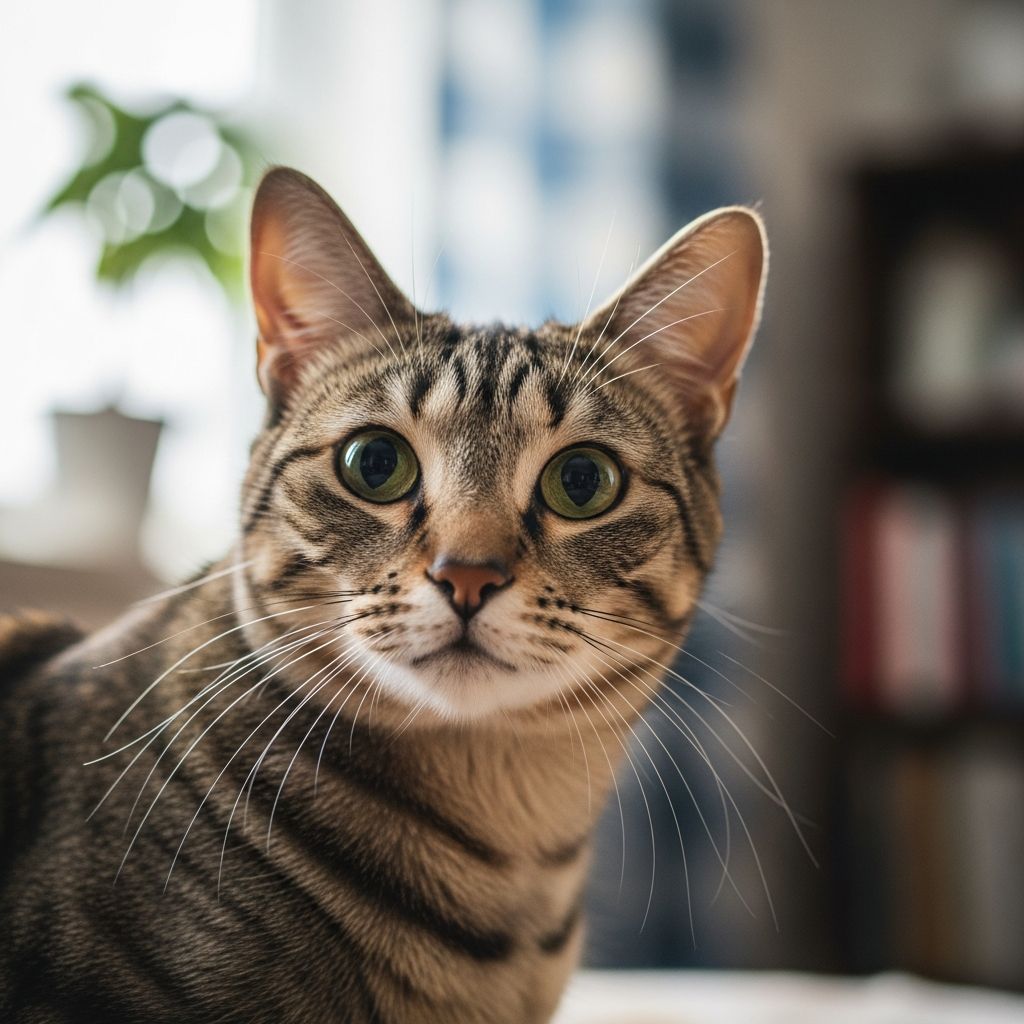
Many cat owners believe that indoor cats are protected from disease simply because they live inside and rarely venture outdoors. However, this common misconception can leave your feline companion vulnerable to serious and potentially life-threatening illnesses. The truth is that indoor cats need vaccinations just as much as their outdoor counterparts, and understanding why is essential for responsible pet ownership.
Even cats that never leave your home can be exposed to dangerous diseases through various routes. Viruses and bacteria can enter your home on your shoes, clothing, or through insects like fleas and mosquitoes. Additionally, many states legally require certain vaccinations for all cats, regardless of their living situation. This comprehensive guide will help you understand the vaccination needs of indoor cats and develop a protection strategy that keeps your beloved pet healthy and happy.
Why Do Indoor Cats Need Vaccinations?
The primary reason indoor cats need vaccinations is that they can still be exposed to serious diseases despite spending most or all of their time indoors. Understanding the various routes of disease exposure can help you appreciate why vaccinations are so important for your feline friend.
Routes of Disease Exposure
Indoor cats can contract diseases in several ways that many owners don’t immediately consider. Viruses and pathogens can be tracked into your home on your shoes and clothing after you’ve been in public areas where infected animals may have been present. Parasites and disease-carrying insects can enter through open doors and windows, potentially exposing your indoor cat to infections. If your cat accidentally escapes through an open door or window, they immediately face the same disease risks as outdoor cats. Many households with multiple pets can experience disease transmission between indoor and outdoor animals, putting even strictly indoor cats at risk.
Furthermore, if you ever need to take your indoor cat to a veterinary clinic, groomer, or boarding facility, they will be exposed to other animals and environments where diseases may be present. Emergency situations, such as evacuation during natural disasters, can also expose indoor cats to outdoor environments and other animals unexpectedly.
Legal Requirements
In many jurisdictions, rabies vaccination is legally required for all cats over six months of age, regardless of whether they live indoors or outdoors. This legal mandate exists because rabies is a fatal disease that poses a significant threat not only to cats but also to humans and other animals. Violating rabies vaccination requirements can result in fines and may complicate medical situations if your cat bites someone. Understanding your local vaccination laws ensures you remain in compliance and protect your community.
The Reality of Indoor Cat Escapes
Research suggests that approximately 1 in 4 indoor cats may escape outdoors at least once during their lifetime. This statistic underscores the importance of vaccination as a safeguard against unexpected exposure. A curious kitten, a door left ajar, or a screen that comes loose can quickly result in your “strictly indoor” cat finding themselves outside without protection. Vaccinations ensure that if this scenario occurs, your cat has the immunity needed to resist serious diseases.
Core Vaccines for Indoor Cats
Veterinarians distinguish between core vaccines, which all cats should receive, and non-core vaccines, which are recommended based on lifestyle and risk factors. Core vaccines protect against diseases that are highly contagious, widespread, severe, or potentially fatal.
The FVRCP Vaccine (Distemper Shot)
The FVRCP vaccine is a combination immunization that protects against three serious feline diseases. This core vaccine is considered essential for all cats, including strictly indoor animals.
Feline Viral Rhinotracheitis (FVR): This highly contagious virus causes upper respiratory infection in cats and can be spread through sharing litter boxes, food bowls, inhaling sneeze droplets, or direct contact with infected animals. The virus can persist in a cat throughout their life, and chronic infection can even cause vision problems.
Feline Calicivirus (FCV): Another common upper respiratory pathogen, calicivirus is highly contagious and can spread rapidly among cat populations. The virus is found worldwide and can cause severe respiratory symptoms in infected cats.
Feline Panleukopenia (FPV): This highly contagious viral disease, also known as distemper, attacks the cat’s immune system and gastrointestinal tract. Panleukopenia can be particularly devastating to young kittens and can result in severe illness or death if left untreated.
Rabies Vaccine
The rabies vaccine is considered a core vaccine for all cats and is legally required in most states. Rabies is a fatal disease that affects the nervous system and is transmissible to humans. Because the disease is almost universally fatal once symptoms appear, prevention through vaccination is critical. Even indoor cats should be vaccinated against rabies because of the legal requirements and the remote but possible risk of exposure through wildlife or other animals.
Non-Core Vaccines for Indoor Cats
Non-core vaccines are recommended for cats based on their individual risk factors and lifestyle. While indoor cats have lower exposure risks than outdoor cats, certain non-core vaccines may still be beneficial depending on your specific situation.
Feline Leukemia Virus (FeLV)
The FeLV vaccine is typically recommended as a core vaccine for kittens because they are particularly vulnerable. However, for adult indoor cats with no exposure to outdoor environments or other potentially infected cats, the need for FeLV vaccination may be lower. Your veterinarian can assess your cat’s specific risk and recommend an appropriate vaccination schedule.
Feline Immunodeficiency Virus (FIV)
FIV is transmitted through close contact, particularly bite wounds. This vaccine is generally recommended only for cats with potential outdoor exposure or those living in multi-cat households with unknown FIV status.
Bordetella Bronchiseptica
This bacterium causes highly contagious upper respiratory infections. The Bordetella vaccine is recommended for indoor cats only if they will be exposed to other cats in environments such as boarding facilities, grooming salons, or cat shows.
Chlamydophila Felis
Chlamydia is a bacterial infection that causes severe conjunctivitis and is often included in distemper combination vaccines. For indoor cats with no exposure to other infected animals, this vaccine may not be necessary, though your veterinarian can advise based on your situation.
Kitten Vaccination Schedule
Establishing the proper vaccination schedule for your kitten is essential for building immunity during their most vulnerable life stage. Kittens are born with maternal antibodies that provide temporary protection, but these antibodies wane over the first weeks of life, creating a window of vulnerability.
Initial Vaccination Series
Veterinarians typically recommend beginning the vaccination series when kittens are 6 to 8 weeks old. At this initial visit, your veterinarian will perform a physical examination, conduct a fecal exam for parasites, and may perform a blood test for feline leukemia. The first round of vaccinations usually includes protection against chlamydia, calicivirus, rhinotracheitis, and panleukopenia.
Following the first visit, kittens should return every 3 to 4 weeks for booster vaccinations. The second visit, typically at 10 to 12 weeks, includes the first feline leukemia vaccine and second vaccinations for the upper respiratory viruses and panleukopenia. The third visit, usually at 14 to 16 weeks, includes the second feline leukemia vaccine, third vaccinations for the combination vaccine, and the rabies vaccine.
Complete Protection Timeline
Kittens must receive multiple vaccination doses to ensure complete protection against covered diseases. The series is typically completed when kittens are between 12 and 16 weeks old. However, complete immunity doesn’t develop immediately after the final shot—it takes several days for the immune system to fully respond to the vaccine. During this maturation period, limit your kitten’s exposure to potentially infected animals.
Adult Cat Vaccination Schedule
Once your cat reaches adulthood, the vaccination schedule changes based on the type of vaccine and your cat’s individual risk factors.
FVRCP Booster Schedule
For indoor adult cats, the FVRCP vaccine can typically be administered every three years after the initial kitten series is complete. However, if your cat has outdoor access, is young, or is a senior cat, your veterinarian may recommend yearly FVRCP vaccines. Additionally, cats heading into stressful situations such as boarding may benefit from a core vaccine booster 7 to 10 days before the event.
Rabies Booster Schedule
The rabies booster schedule depends on the specific vaccine used and your local regulations. Some rabies vaccines are valid for one year, while others provide three-year protection. Your veterinarian will maintain records of which vaccine type your cat received and will inform you when boosters are due.
FeLV Booster Recommendations
For cats that have received the initial FeLV vaccination series, the Vaccine Advisory Panel recommends subsequent boosters based on risk assessment. High-risk cats should receive yearly FeLV vaccines, while lower-risk cats may receive vaccines every two years. Your veterinarian can assess your cat’s specific risk factors and recommend an appropriate schedule.
Personalized Vaccination Planning
Every cat is unique, and so are their individual health needs and risk factors. Rather than following a one-size-fits-all approach, your veterinarian should assess your cat’s specific situation and develop a personalized vaccination plan.
Factors to Consider
Your cat’s age, medical history, and lifestyle all play important roles in determining the appropriate vaccination protocol. If you have a strictly indoor cat with no exposure to other animals and no plans for boarding or travel, the vaccination needs may differ from a cat that occasionally escapes or lives in a multi-cat household. Your veterinarian will discuss these factors with you and make recommendations that provide appropriate protection without unnecessary vaccines.
Regular Veterinary Check-Ups
Vaccinating your indoor cat is just one component of comprehensive healthcare. Regular veterinary check-ups are crucial for maintaining your cat’s overall health and ensuring vaccination status remains current. During routine visits, your veterinarian can assess your cat’s health, update vaccines as needed, address any health concerns, and answer questions about your cat’s wellness. This proactive approach to healthcare helps your cat live a longer, healthier life.
Safety and Effectiveness of Cat Vaccines
Cat vaccines are among the safest and most effective medical interventions available in veterinary medicine. However, like all medical treatments, vaccines can occasionally cause side effects, and no vaccine is 100 percent effective in all cats.
Most cats tolerate vaccines well, with the most common side effects being mild soreness at the injection site or temporary lethargy. Serious adverse reactions are rare. Vaccination protects all cats by making disease transmission less likely, which benefits not only your individual cat but also the broader cat population by reducing disease prevalence.
Frequently Asked Questions About Indoor Cat Vaccinations
Q: Can indoor cats get rabies?
A: While the risk is low, indoor cats can potentially be exposed to rabies through wildlife or other animals. More importantly, rabies vaccination is legally required in most states for all cats, regardless of living situation. This requirement exists because rabies is almost always fatal and poses a risk to human health.
Q: How often does my indoor adult cat need FVRCP boosters?
A: For strictly indoor adult cats, FVRCP boosters are typically recommended every three years. However, your veterinarian may recommend more frequent boosters depending on your cat’s age, health status, and individual risk factors.
Q: Is the FeLV vaccine necessary for indoor cats?
A: FeLV vaccination is recommended as a core vaccine for kittens. For adult indoor cats with no exposure to outdoor environments or other cats of unknown FeLV status, the need may be lower. Your veterinarian can assess your specific situation and make a personalized recommendation.
Q: What should I do if my indoor cat accidentally escapes outside?
A: If your indoor cat escapes, try to retrieve them promptly. If your cat was not currently vaccinated, contact your veterinarian for advice about potential exposure and any necessary post-exposure care. This is another reason why maintaining current vaccinations is important—it provides protection in unexpected situations.
Q: Are there any serious side effects from cat vaccines?
A: Serious side effects from cat vaccines are rare. Most cats experience no side effects or only mild reactions such as soreness at the injection site or temporary lethargy. Your veterinarian can discuss the benefits and any potential risks specific to your cat’s health status.
Q: How do I know which vaccines my indoor cat needs?
A: Your veterinarian will assess your cat’s individual risk factors, including age, health status, lifestyle, and likelihood of exposure to other animals. Based on this assessment, they will recommend appropriate core and non-core vaccines tailored to your cat’s specific needs.
Conclusion
Indoor cats absolutely need vaccinations to protect them against serious and potentially fatal diseases. While the risk of exposure is lower for strictly indoor cats compared to outdoor cats, the danger is not eliminated. Viruses and bacteria can enter your home through multiple routes, and unexpected exposure through escape or travel is always a possibility. Core vaccines, particularly FVRCP and rabies, are essential for all cats and are often legally required.
By working with your veterinarian to develop a personalized vaccination plan, maintaining current boosters, and scheduling regular check-ups, you can ensure that your indoor cat receives the protection they need to live a long, healthy life. Vaccination is one of the most effective and cost-efficient ways to prevent serious disease and maintain your cat’s wellbeing for years to come.
References
- Vaccinations for cats: What every cat owner should know — Banfield Pet Hospital. 2024. https://www.banfield.com/Services/cat-vaccinations
- Cat Vaccinations: What Vaccines Do Cats Need? — PetMD. 2024. https://www.petmd.com/cat/general-health/cat-vaccinations-what-vaccines-do-cats-need
- Feline Vaccines: Benefits and Risks — Cornell Feline Health Center. 2024. https://www.vet.cornell.edu/departments-centers-and-institutes/cornell-feline-health-center/health-information/feline-health-topics/feline-vaccines-benefits-and-risks
- Do Inside Cats Need to Be Vaccinated? — Saratoga Veterinary Hospital. 2024. https://saratogavethosp.com/blog/vaccinating-indoor-cats/
- Why Indoor Cats Need Vaccines and Preventative Care, Too! — Kindred Animal Hospital. 2024. https://www.kindredanimalhospital.com/services/cats/blog/why-indoor-cats-need-vaccines-and-preventative-care-too
Similar Articles








Read full bio of Sneha Tete




