

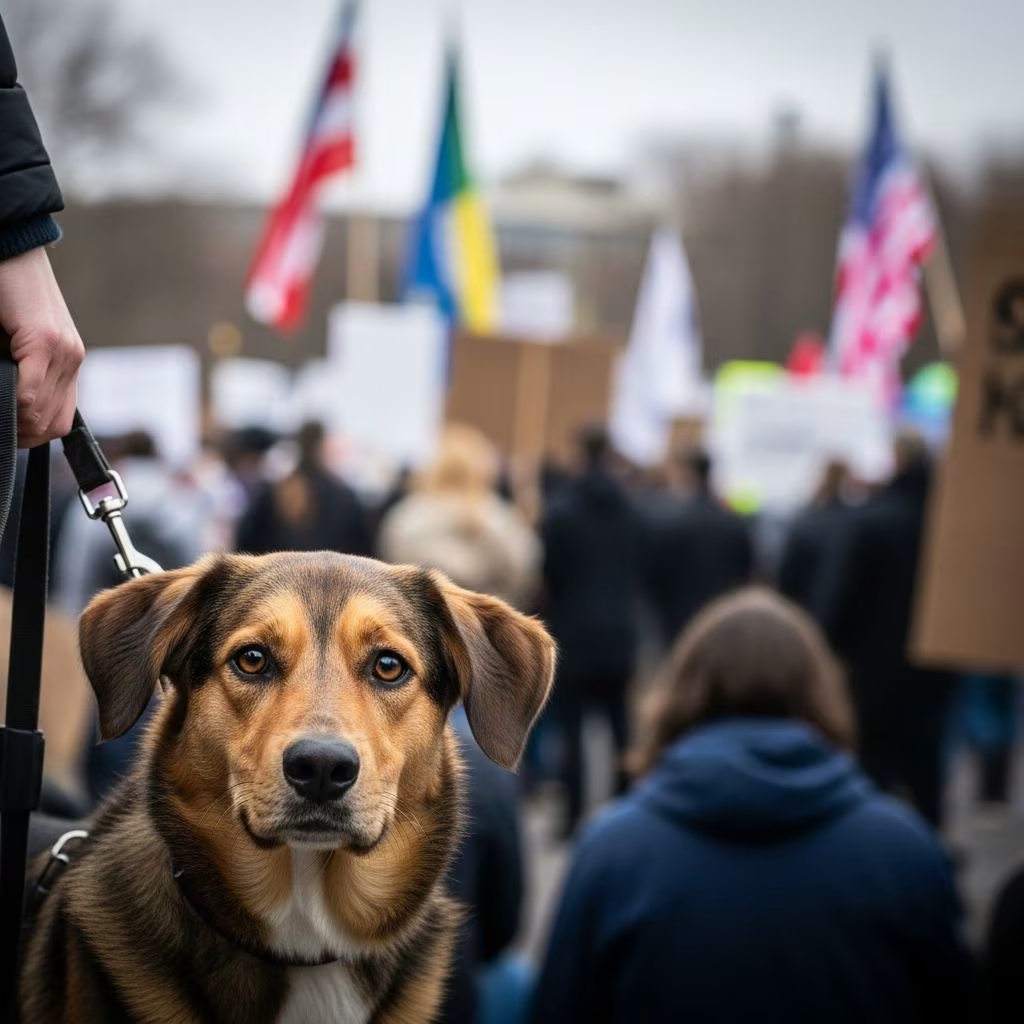
Protesting stands as a cornerstone of activism, applying direct pressure on authorities to drive social and political change. Many dog owners feel the pull to include their furry companions, imagining the emotional support, attention-drawing power, and shared purpose. Viral images of dogs at polling stations fuel this desire, and for service dog handlers, their presence is often essential. Yet, the chaotic environment of protests poses substantial risks to canine well-being that demand careful consideration.
While human participation in demonstrations is a protected right, subjecting dogs to loud noises, surging crowds, and potential violence can lead to immediate harm or lasting trauma. This article delves into the specific dangers, expert insights on dog behavior in such settings, considerations for different protest scales, and practical alternatives to ensure both activism and pet safety align.
The Risks of Bringing Dogs to Protests
Protests, particularly large urban ones with counter-demonstrators, create high-stress scenarios unfit for most animals. Dog behaviourist Lisa Sinnot from St Paws Training Academy outlines key hazards that can compromise a dog’s physical and psychological health.
Noise
Amplified chants, sirens, horns, and explosive crowd dispersal tools like flashbangs mimic fireworks, triggering intense fear responses in dogs. Sensitive breeds or those with prior noise phobias may bolt, hide, or lash out, exacerbating chaos.
Heat-Stroke
Summer protests or prolonged events without shade amplify overheating risks. Pavement radiates intense heat, and leashed dogs can’t regulate temperature as freely as in open spaces, leading to rapid dehydration and collapse.
Being Trapped
Riot police employ kettling—encircling crowds to contain them—which traps participants without access to water, shade, or exits. Confined dogs prone to claustrophobia may panic, risking self-injury or aggression toward handlers or others. According to UK police protocols, such as those from Surrey Police, trapped owners must nominate a pet collector; otherwise, dogs enter kennels, adding stress.
Dog Bites
Fear-induced reactivity in crowded, unpredictable settings heightens bite risks. A frightened dog nipping at a stranger invites legal consequences, including fines or liability claims, plus retaliation from agitated protesters.
Missiles
Flying objects—bottles, rocks, or debris hurled in anger or panic—pose direct injury threats. Dogs at ground level are especially vulnerable to impacts causing cuts, fractures, or concussions.
Crowd Surging and Crush Injuries
Stampeding crowds deliver trampling force, devastating for small or medium dogs underfoot. Even robust breeds suffer rib fractures, internal bleeding, or asphyxiation in surges.
Crowd Dispersal
Authorities deploy water cannons, rubber bullets, tear gas (CS gas), or pepper spray, irritating eyes, lungs, and skin. Dogs inhale fumes acutely, suffering respiratory distress without protective gear humans might don.
Arrests
Sudden arrests occur irrespective of demographics. If detained, nominate a dog handler immediately; unclaimed pets go to approved kennels. Service dogs may accompany to stations but not cells, per assistance dog guidelines.
Lasting Trauma
Post-event effects linger. Dog trainer Jeanette Muldoon of Easy Peasy Puppy Training notes traumatized dogs develop triggers—specific sounds, smells, or sights sparking future anxiety, aggression, or phobias in everyday scenarios.
Are There Any Types of Dogs Who Might Cope Better at a Protest?
No dog thrives universally in protests, but individual temperament matters. Muldoon advises against any attendance due to obscured body language cues amid crowds. However, bomb-proof dogs—those unflappable in novel, noisy stimuli—might tolerate small, rural marches.
- Confident, social breeds: Herding or working dogs like Border Collies or Labrador Retrievers, if extensively socialized to crowds and noises.
- Service dogs: Trained for high-distraction public access, they cope better but still face physical risks; legal accommodations exist but don’t eliminate hazards.
- Avoid: Fearful, reactive, puppies, seniors, small breeds, or noise-sensitive types like sighthounds.
Assess via mock exposures: Simulate noise (recordings), crowds (busy markets), and confinement. Persistent stress signals (panting, yawning, avoidance) indicate unsuitability.
| Dog Profile | Suitability for Small Protests | Suitability for Large Protests | Key Risks |
|---|---|---|---|
| Bomb-Proof Adult | Possible with prep | Low | Minimal trauma |
| Service Dog | High (trained) | Moderate | Legal/physical |
| Puppy/Senior | No | No | Overwhelm/injury |
| Reactive Breed | No | No | Bites/escape |
Dogs at Protests: The Bottom Line
Every dog and protest differs. Rural walks pose fewer threats than city megas. Research event size, history of violence, weather, and police presence via local news and organizers. If doubt lingers, prioritize welfare—arrange trusted care, including arrest contingencies. Activism thrives without pets; home-based efforts like petitions sustain momentum.
For service dog users, consult trainers and legal aid on rights versus risks. Virtual advocacy—sharing posts, donating—amplifies voices sans peril.
Frequently Asked Questions (FAQs)
Q: Can any dog safely attend protests?
A: Rarely. Only exceptionally stable, bomb-proof dogs might handle small, peaceful events; large ones overwhelm most.
Q: What if my dog is a trained service animal?
A: They fare better due to training but remain vulnerable to physical dangers like missiles or gas. Police may allow station access but not cells.
Q: How do I prepare my dog if I must bring them?
A: Desensitize to noises/crowds months ahead, pack water/gear, monitor body language, have exit plans. Still, high risk.
Q: What happens to my dog if I’m arrested?
A: Nominate a collector; else, kenneling. Service dogs get special handling.
Q: Are there safer activism ways involving dogs?
A: Yes—photo petitions, home signs, or dog walks for causes. Avoid frontline exposure.
Q: How to spot protest trauma in dogs?
A: Watch for new fears of noises/crowds, aggression, withdrawal. Consult behaviourists promptly.
This guide empowers informed choices, balancing passion with responsibility. Dog welfare underpins true advocacy.
References
- Should You Take Your Dog To Protests? — Kinship. 2023. https://www.kinship.com/uk/dog-lifestyle/should-i-take-my-dog-to-protests
- Assistance Dogs and Police Custody — UK Government Guidance (via Surrey Police). 2022-10-15. https://www.gov.uk/government/publications/assistance-dogs-police-custody
- Canine Stress in Crowded Environments — American Veterinary Medical Association (AVMA). 2024-05-20. https://www.avma.org/resources-tools/pet-owners/petcare/canine-stress-signs-management
- Police Use of Force and Public Demonstrations — UK College of Policing. 2023-11-01. https://www.college.police.uk/guidance/public-order/policing-protests
- Trauma in Dogs: Behavioral Impacts — Journal of Veterinary Behavior (peer-reviewed). 2022-07-15. https://doi.org/10.1016/j.jveb.2022.05.003



