

Should I Get a Kitten for My Cat? A Complete Guide
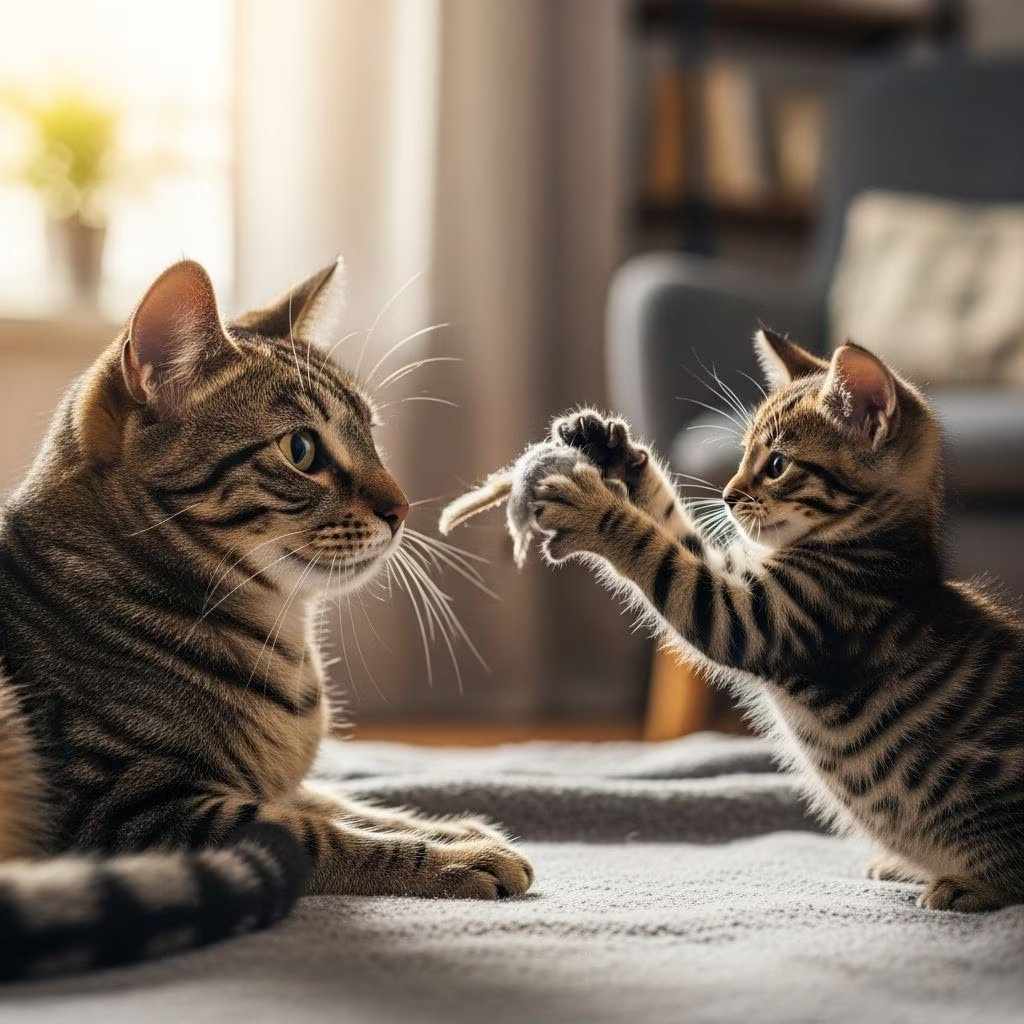
Adding a kitten to a household with an adult cat is a decision that requires careful consideration. While many cats can benefit from feline companionship, the success of introducing a kitten to your existing cat depends on several factors, including your cat’s personality, age, and temperament. Before bringing a kitten home, it’s essential to understand whether this addition will enhance your cat’s life or create stress and conflict.
Is Your Cat a Good Candidate for a Kitten?
Not all adult cats are suited for living with a kitten. Some cats thrive with companionship and enjoy the playfulness a young feline brings to the household. Others prefer a solitary lifestyle and may become stressed or aggressive when faced with an energetic newcomer. Consider your cat’s personality traits: Does your cat enjoy playing? Is your cat social with other animals? Has your cat lived with other cats before? Cats with a history of sociability and play are often more receptive to kittens than older, more reserved felines.
Age is another important consideration. Senior cats may lack the patience or energy to deal with a kitten’s constant activity. However, some older cats appreciate the mental stimulation and gentle companionship a kitten can provide, especially if they’ve been lonely. The key is understanding your individual cat’s needs and personality.
Benefits of Adding a Kitten to Your Adult Cat’s Life
There are several potential advantages to bringing a kitten into your home:
- Mental Stimulation: A kitten provides new experiences, play opportunities, and mental enrichment that can keep your adult cat engaged and active.
- Social Companionship: Cats are social animals, and some benefit greatly from having a feline companion to interact with, reducing loneliness and boredom.
- Play and Exercise: An energetic kitten can encourage your adult cat to play more, leading to increased physical activity and better health outcomes.
- Behavioral Learning: Adult cats often teach kittens appropriate social behaviors, helping young cats develop proper feline communication and manners.
- Reduced Stress: For some cats, having a companion can reduce anxiety and stress-related behaviors.
Potential Challenges and Risks
Before deciding to add a kitten, be aware of potential complications:
- Territorial Aggression: Some adult cats become defensive about their territory and may react aggressively toward a newcomer.
- Stress and Anxiety: A disruption to your cat’s routine can trigger stress-related behaviors like inappropriate elimination or hiding.
- Health Concerns: Disease transmission is a risk when introducing new animals, requiring proper health screening and quarantine periods.
- Resource Competition: Conflict can arise over food, litter boxes, water bowls, and favorite resting spots.
- Energy Mismatch: A playful kitten may overwhelm or annoy a calm, older cat who prefers a quiet lifestyle.
Preparing Your Home for a Kitten Introduction
Successful introductions begin long before the kitten arrives. Proper preparation sets the stage for a smooth transition and reduces stress for both cats.
Create a Safe Space for Your Kitten
Before bringing your kitten home, designate a quiet room as a safe haven. This space should be separate from areas your adult cat frequently visits. The room should include essential items that help your kitten feel secure:
- A comfortable cat bed for sleeping
- Food and water bowls placed away from the litter box
- A litter box that’s easily accessible
- Age-appropriate toys for play and mental stimulation
- Scratching posts or scratching pads
- Hiding spots where the kitten can retreat if scared
This confined space allows your kitten to adjust to their new home without being overwhelmed by your existing cat. It also provides a safe environment where the kitten can develop coordination and learn without risk of injury from larger, unfamiliar cats.
Arrange Escape Routes and Safe Zones
Your adult cat will need places to escape when the kitten becomes too playful or energetic. Ensure your home has vertical spaces like cat trees, shelves, or elevated perches where your cat can retreat. Multiple litter boxes, water bowls, and feeding stations in different locations prevent resource conflicts and reduce tension between cats.
Step-by-Step Introduction Process
Introducing a kitten to an adult cat is a gradual process that cannot be rushed. Taking time with each stage increases the likelihood of a successful relationship.
Step 1: The Slow Introduction Approach
Patience is the foundation of all cat introductions. Resist the urge to let your cats interact immediately. A slow, methodical approach allows both animals to adjust at their own pace. This is especially important for kittens, who are small and vulnerable and could be injured during rough play or if your adult cat reacts defensively.
Step 2: Start with Scent Familiarization
Cats communicate primarily through scent, making this the ideal starting point. Begin introducing your kitten’s scent to your adult cat before any face-to-face meetings occur. After your kitten has been home for a few days and cleared by a veterinarian, exchange bedding between the two cats. Place the kitten’s blanket or bed in your adult cat’s space and vice versa. This allows both cats to become familiar with each other’s scent in a non-threatening way.
Repeat this scent-swapping process for several days. Watch for your adult cat’s reactions when encountering the kitten’s scent. Curiosity and calm investigation are positive signs, while hissing or aggressive behavior suggests more time is needed before visual contact.
Step 3: Visual Introduction Through Barriers
Once both cats seem comfortable with each other’s scents, allow them to see each other without direct contact. You can accomplish this by installing a plastic screen door, cracking open a door slightly, or using a baby gate. The goal is to let each cat observe the other briefly while maintaining a physical barrier that prevents interaction.
Keep these visual meetings short and monitor both cats closely for signs of stress or aggression, such as hissing, growling, or flattened ears. If either cat shows signs of distress, end the session and return to scent swapping for a few more days. Some cats may be instantly curious, while others need extended time to adjust to the idea of sharing their space.
Step 4: Short Face-to-Face Meetings
After your cats have become accustomed to seeing each other through barriers, allow them to meet in person during supervised sessions. Start with very brief meetings in a neutral area of your home where neither cat feels overly territorial. Remain close by to monitor their behavior and intervene if necessary.
It’s completely normal for your adult cat to seem confused, hiss, or display cautious behavior during initial meetings. Some cats walk away from the encounter, while others investigate curiously. Let the interaction happen naturally, but watch for warning signs like stiff body posture, raised fur, or lunging. If aggression occurs, separate the cats and try again later.
Step 5: Gradually Increase Interaction Time
As your cats become more comfortable with each other, gradually extend the duration of their supervised time together. Pay attention to your kitten’s behavior—an outgoing kitten may eagerly seek more cat company and show signs of readiness for increased interaction. Watch for signs that both cats are becoming more relaxed in each other’s presence before advancing to the next stage.
Step 6: Let Adult Cats Teach Appropriate Behavior
One of the most rewarding aspects of introducing a kitten to an adult cat is watching the older cat serve as a mentor. Adult cats naturally teach kittens appropriate behavior, including how to play gently, when to stop biting, and how to respect boundaries. If your adult cat is well-behaved and secure, they’ll patiently guide your kitten through proper feline etiquette, even if the kitten is exhaustingly energetic.
Step 7: Maintain Individual Attention
Throughout the introduction process, ensure both cats receive individual attention and bonding time with you. Your adult cat may feel displaced or neglected when a new kitten arrives, potentially creating resentment toward the newcomer. Maintain the grooming sessions, play routines, and physical affection your adult cat is accustomed to. This prevents your resident cat from associating the kitten with a loss of your attention and care.
Managing Expectations During the Introduction
Every cat introduction is unique, and the timeline varies considerably. Some cats become friends within days, while others require weeks or even months to reach comfortable coexistence. Age, personality, and past experiences all influence how quickly cats adjust to each other.
Avoid making assumptions about how your cats will interact based on initial reactions. Many cat owners report being pleasantly surprised by relationships that seemed unlikely at first. A cat you thought would be territorial might become the kitten’s devoted playmate, while a naturally social cat might initially seem standoffish.
Remember that tolerance is a realistic goal when introducing cats, especially in the early stages. Friendship and genuine affection may develop over time, but peaceful coexistence is the primary objective. Over weeks and months, tolerance can evolve into genuine companionship, shared sleeping spots, and playful interaction.
Health Considerations
Before bringing a kitten home, ensure the new addition has been properly screened by a veterinarian. The kitten should receive age-appropriate vaccinations, fecal testing, and screening for common infectious diseases. Keep the kitten isolated in its designated room until veterinary clearance confirms it’s safe for contact with your adult cat. This protects your established cat from potential disease transmission.
Additionally, consult with your veterinarian about your specific situation. Cats with certain health conditions, behavioral issues, or extreme stress responses may not be suitable candidates for living with a kitten.
Signs of Successful Introduction
As your cats progress through the introduction process, watch for positive signs indicating growing comfort:
- Relaxed body language during meetings (soft eyes, forward-facing ears)
- Mutual grooming or friendly head bunting
- Playing together without aggression
- Sleeping in proximity to each other
- Sharing space without tension or excessive distance
- Reduced hissing, growling, or avoidance behaviors
When to Seek Professional Help
If your cats show signs of ongoing aggression, extreme stress, or inability to coexist peacefully after several weeks of careful introduction, consult with a veterinary behaviorist or certified animal behavior consultant. These professionals can assess the situation, identify specific issues, and develop customized strategies to help your cats coexist safely.
Frequently Asked Questions
Q: How long does it take for cats to get along after introduction?
A: The timeline varies significantly. Some cats become comfortable within days or weeks, while others may take several weeks or months to develop a peaceful relationship. Patience is essential, and there’s no universal timeline for all cat pairs.
Q: Can an older cat bond with a kitten?
A: Yes, many older cats develop meaningful relationships with kittens. Senior cats may enjoy the companionship and mental stimulation a kitten provides, though the introduction process may take longer than with younger adult cats.
Q: What if my cat hisses at the kitten?
A: Hissing is a normal response during early introductions and indicates your cat needs more time to adjust. It’s a communication tool cats use to express discomfort, not necessarily a sign the introduction will fail. Continue with slower, shorter meetings.
Q: Should I separate my cats at night?
A: During the early introduction phase, it’s wise to keep cats separated at night and when you cannot supervise. Once they’ve progressed through the introduction stages and show signs of comfort, nighttime separation becomes less necessary.
Q: How many litter boxes do I need for two cats?
A: The general rule is one litter box per cat plus one extra. For a household with an adult cat and a new kitten, provide at least three litter boxes in different locations to prevent conflicts over resources.
Q: What if my cat and kitten never become friends?
A: Peaceful coexistence is a realistic and acceptable outcome. Not all cats become friends, and that’s okay. As long as they can safely share a home without constant conflict or aggression, your multi-cat household can be successful.
References
- 5 Tips for Introducing a Kitten to Adult Cats — Fear Free Happy Homes. Reviewed by Dr. Kenneth Martin, DVM, DACVB and Debbie Martin, LVT. https://www.fearfreehappyhomes.com/5-tips-for-introducing-a-kitten-to-adult-cats/
- How to Introduce a Kitten to a Cat: 10 Vet-Approved Tips — Catster. https://www.catster.com/lifestyle/how-to-introduce-a-kitten-to-a-cat/
- The Secret to Getting Your Cat to Love Your New Kitten — Catster. https://www.catster.com/lifestyle/the-secret-to-getting-your-cat-to-love-your-new-kitten/



