

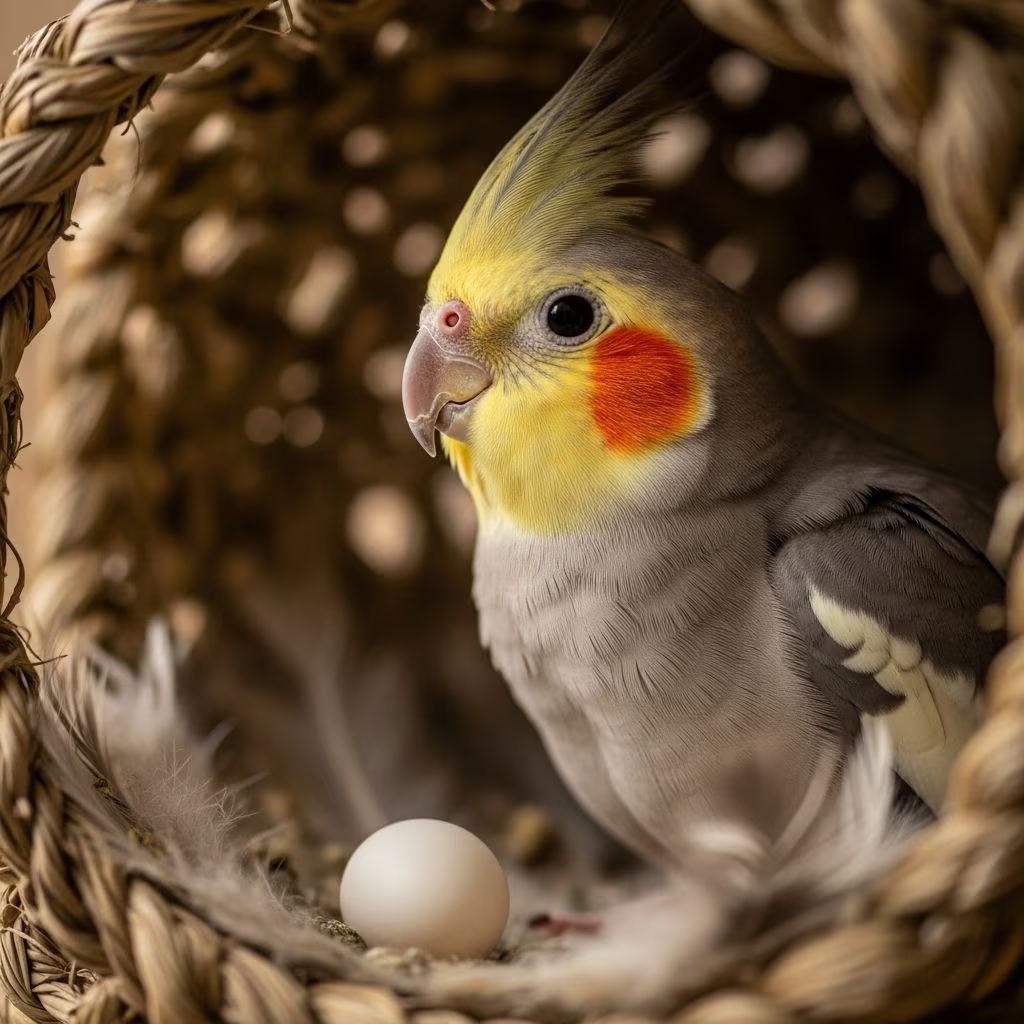
Should I Expect My Cockatiel to Lay an Egg?
If you own a female cockatiel, there’s a reasonable possibility that you may eventually encounter eggs in your bird’s cage. Understanding whether your cockatiel will lay eggs and what to expect during this process is crucial for responsible pet ownership. Egg laying in pet cockatiels is a natural biological process, but it can sometimes create challenges for both birds and their owners. This comprehensive guide will help you understand cockatiel egg production, identify the signs that your bird may lay eggs, and learn how to properly care for your cockatiel during this significant life stage.
Do Cockatiels Lay Eggs?
Yes, female cockatiels absolutely do lay eggs. In fact, egg laying is a natural and normal part of a female cockatiel’s reproductive cycle. Unlike many pet bird species that only lay eggs in specific breeding conditions, female cockatiels can lay eggs throughout their lives, even without a male present. This biological capability means that owners of female cockatiels should be prepared for the possibility of eggs at some point during their bird’s life. Understanding the conditions that trigger egg laying and recognizing the signs early can help you manage this situation more effectively.
Signs Your Cockatiel Is Ready to Lay Eggs
Recognizing the signs that your cockatiel is preparing to lay eggs is essential for providing appropriate care and support. Female cockatiels display several behavioral and physical indicators when they’re approaching the egg-laying stage.
Physical Changes
One of the most noticeable physical changes is that your cockatiel’s vent area may begin to swell. The vent is the opening through which eggs are expelled, and this swelling indicates reproductive readiness. Additionally, you may notice that your bird produces larger droppings than usual, which is another sign that egg production is imminent. Some cockatiels may also appear to gain weight or have a slightly distended abdomen during this time.
Behavioral Changes
Behavioral changes often accompany physical modifications. Your cockatiel may become more territorial, protective of certain areas of the cage, or fixated on creating a nesting area. She might shred paper, rearrange cage furniture, or attempt to burrow into dark spaces. Some females become more affectionate with their owners or more aggressive toward other birds. You may also notice your cockatiel spending more time in quiet areas, resting more frequently, or displaying reduced activity levels.
Nesting Behavior
If you provide your cockatiel with a nesting box, she may spend considerable time inside it, arranging materials and preparing a suitable environment for eggs. Even without a provided nest box, she’ll seek out dark, enclosed spaces where she feels safe laying her eggs. This instinctual behavior is a clear indicator that egg production is occurring.
What Triggers Egg Laying in Pet Cockatiels?
Several factors can trigger or encourage egg laying in female cockatiels. Understanding these triggers is important because you may be unintentionally encouraging egg production through your care practices.
Presence of a Male Cockatiel
The most obvious trigger for egg laying is the presence of a male cockatiel. When a female bonds with a male and they mate successfully, the female will typically begin laying eggs within 4 to 6 days after accepting a nesting site. The male plays an important role by inspecting nesting boxes and encouraging the female to use them. However, even without actual mating, a female may lay eggs simply from the presence and interaction with a male.
Excessive Nutrition
One of the most common triggers for egg laying in single females is overfeeding, particularly with high-calorie foods. A well-nourished, slightly overweight female cockatiel is more likely to enter a reproductive state than one on a balanced diet. This is why maintaining appropriate portion sizes and avoiding excessive treats is important, especially for single females. If your cockatiel is laying eggs without a male present, your veterinarian may recommend dietary adjustments.
Extended Daylight Hours
Cockatiels are sensitive to photoperiod—the length of daylight hours in a day. Extended daylight exposure can trigger reproductive behaviors and egg laying. If your cockatiel has access to 12 or more hours of light daily, it may stimulate egg production. Maintaining a consistent 10-hour light and 14-hour dark cycle can help regulate reproductive behaviors.
Environmental Factors
Certain environmental conditions can encourage egg laying, including warmer temperatures, increased humidity, and the availability of nesting materials or dark spaces. Providing too many toys, perches, or enclosed areas may inadvertently encourage nesting behaviors. Additionally, hormonal changes associated with spring and early summer can increase the likelihood of egg laying.
Excessive Petting and Bonding
While bonding with your cockatiel is important, excessive petting—particularly on the back and wings—can stimulate reproductive hormones and trigger egg-laying behavior. Limiting petting to the head and neck area and avoiding prolonged stroking of the back and wings can help reduce egg-laying frequency.
The Egg-Laying Process
Understanding the timeline and mechanics of egg laying helps you know what to expect and how to properly support your bird.
Timeline of Egg Production
The process of egg production, from the development of the yolk in the ovary to the formation of the shell and final laying, takes approximately 2 to 3 days. Female cockatiels typically lay one egg every 48 hours, or every other day, until they’ve completed their clutch. A typical clutch consists of 2 to 8 eggs, though 4 to 6 is most common. Once the first egg is laid, you can expect subsequent eggs to follow this regular schedule.
Incubation Period
After eggs are laid, the incubation period begins. Cockatiels typically incubate their eggs for 17 to 23 days, though some sources indicate 21 to 30 days. Both male and female cockatiels take turns sitting on the eggs to maintain proper temperature and humidity. The eggs should hatch in the same order they were laid, meaning you can expect hatchings every other day.
Fertile Versus Unfertilized Eggs
Not all eggs laid by your cockatiel will be fertile, and understanding the difference is important for appropriate care.
Unfertilized Eggs
An egg laid by a single female without a male cockatiel nearby will not be fertile and will not produce chicks. Cockatiels have strong maternal instincts and will incubate unfertilized eggs just as they would fertilized ones. If your single female is laying eggs, it’s typically a sign that she’s receiving too much nutrition, and a veterinary examination is recommended. Allowing an infertile egg to go rancid in the nest can attract bacteria and cause health problems for your bird.
Fertilized Eggs
If you have both male and female cockatiels and they’ve mated, the eggs may be fertile. The male’s sperm can remain viable inside the female’s body for up to one month, meaning an entire clutch can be fertilized from a single mating. Both parents will share incubation duties, switching off periodically to ensure eggs maintain proper temperature and humidity.
Determining Egg Viability Through Candling
Egg candling is a technique that involves shining a light through the egg to determine if it’s fertile and developing properly. Candling can be performed on eggs that have been incubated for at least 10 days. Under the candlelight, fertile eggs will show visible blood vessels and an embryo, while unfertilized eggs will appear clear or contain only a yolk. This method helps determine which eggs should be left with the parents and which can be safely removed.
What to Do When Your Cockatiel Lays Eggs
Proper management of laid eggs is crucial for your bird’s health and to prevent chronic egg-laying issues.
Do Not Remove Eggs Immediately
The most important rule: do not remove eggs from the cage. Removing eggs will only cause your hen to lay more eggs to replace them, potentially leading to chronic egg laying. Instead, allow your cockatiel to incubate and care for the eggs naturally. If eggs are unfertilized, you can leave them in the nest until your bird naturally abandons them after the incubation period ends.
Provide a Suitable Nesting Area
Your cockatiel needs a comfortable, safe place to incubate her eggs. Whether providing a proper nesting box or allowing her to use a dark corner of the cage with appropriate materials, ensure the space is secure and cannot be easily disturbed. Line the nesting area with paper towels or unscented bedding material for comfort and easy cleaning.
Minimize Disturbance
Once incubation begins, minimize disturbance to your breeding pair. Avoid frequent cage cleaning, loud noises, or handling the eggs unless absolutely necessary. The stress of constant interruption can cause the parents to abandon the eggs or become aggressive in their protection.
Provide Adequate Nutrition
During the incubation period, ensure both parents have access to nutritious food and fresh water. The energy demands of incubation are significant, and proper nutrition ensures the parents can maintain egg temperature and prepare for chick care. Offer a varied diet including pellets, vegetables, and appropriate protein sources.
Wait Before Discarding Eggs
Even if you suspect eggs are infertile, wait at least 23 days after laying before removing them. Eggs that don’t hatch after 23 days of incubation are considered infertile and can be safely disposed of. Premature egg removal will only trigger more egg laying.
Managing Chronic Egg Laying
Some female cockatiels become chronic egg layers, continuously producing eggs throughout the year rather than in a natural breeding season. This condition can lead to nutritional depletion, bone issues, and behavioral problems.
Prevention Strategies
Prevent chronic egg laying by:
- Maintaining a 10-hour light, 14-hour dark photoperiod
- Avoiding overfeeding, especially high-fat foods
- Limiting physical contact to head and neck areas
- Providing minimal nesting materials and dark spaces
- Ensuring environmental temperatures remain moderate
- Consulting with an avian veterinarian about dietary adjustments
When to Seek Veterinary Help
If your cockatiel is laying eggs excessively or showing signs of egg binding—such as a total absence of droppings or difficulty moving—seek immediate veterinary attention. Chronic egg laying can lead to serious health complications including calcium depletion, weak bones, and reproductive infections.
FAQs About Cockatiel Egg Laying
Q: Can a single female cockatiel lay eggs without a male present?
A: Yes, single females can lay unfertilized eggs. This typically occurs when the bird is overfed or receives excessive environmental stimulation. These eggs will not hatch into chicks.
Q: How long does it take for a cockatiel egg to hatch?
A: Cockatiel eggs typically take 17 to 23 days to hatch, depending on consistent incubation temperatures and humidity levels maintained by the parents.
Q: Should I provide a nesting box for my cockatiel?
A: While not required for single birds, a nesting box gives your bird a comfortable, safe place if she does lay eggs. Even unfertilized eggs require a suitable incubation environment.
Q: How many eggs does a cockatiel typically lay in one clutch?
A: A typical clutch consists of 2 to 8 eggs, with 4 to 6 being most common. The hen lays approximately one egg every 48 hours until the clutch is complete.
Q: What should I do if my cockatiel’s egg appears cracked or broken?
A: If eggs become cracked or broken, they should be replaced with dummy eggs to prevent the hen from laying additional replacement eggs, which can lead to chronic egg laying.
Q: Is egg laying dangerous for my cockatiel?
A: While normal egg laying is a natural process, chronic egg laying can deplete calcium reserves and lead to health problems. Egg binding is a serious emergency requiring immediate veterinary attention.
Conclusion
Whether you should expect your cockatiel to lay an egg depends on several factors, including whether you have a male present, your bird’s age and health, and your husbandry practices. While egg laying is a natural biological process, understanding the triggers and managing the situation appropriately is essential for your bird’s long-term health and wellbeing. By recognizing the signs, providing appropriate care during the egg-laying period, and consulting with your avian veterinarian about prevention strategies, you can successfully navigate this aspect of cockatiel ownership. Remember that the key to preventing problems like chronic egg laying is maintaining proper lighting, nutrition, and environmental conditions while limiting excessive hormonal stimulation.
References
- How Long Does It Take a Cockatiel Egg to Hatch? Vet-Approved Facts — Hepper. Retrieved November 28, 2025. https://articles.hepper.com/how-long-does-it-take-a-cockatiel-egg-to-hatch/
- Cockatiels, egg laying process, chronic egg laying in cockatiels — Cockatiel Cottage. Retrieved November 28, 2025. https://www.cockatielcottage.net/egg_laying.html
- Breeding Cockatiels — Cockatiel Advice and First Aid 101. Retrieved November 28, 2025. https://www.cockatiel-advice-101.com/breeding-cockatiels
- Help Your Cockatiels LAY & INCUBATE Eggs Successfully — YouTube. Retrieved November 28, 2025. https://www.youtube.com/watch?v=xdka1bXDEEs



