

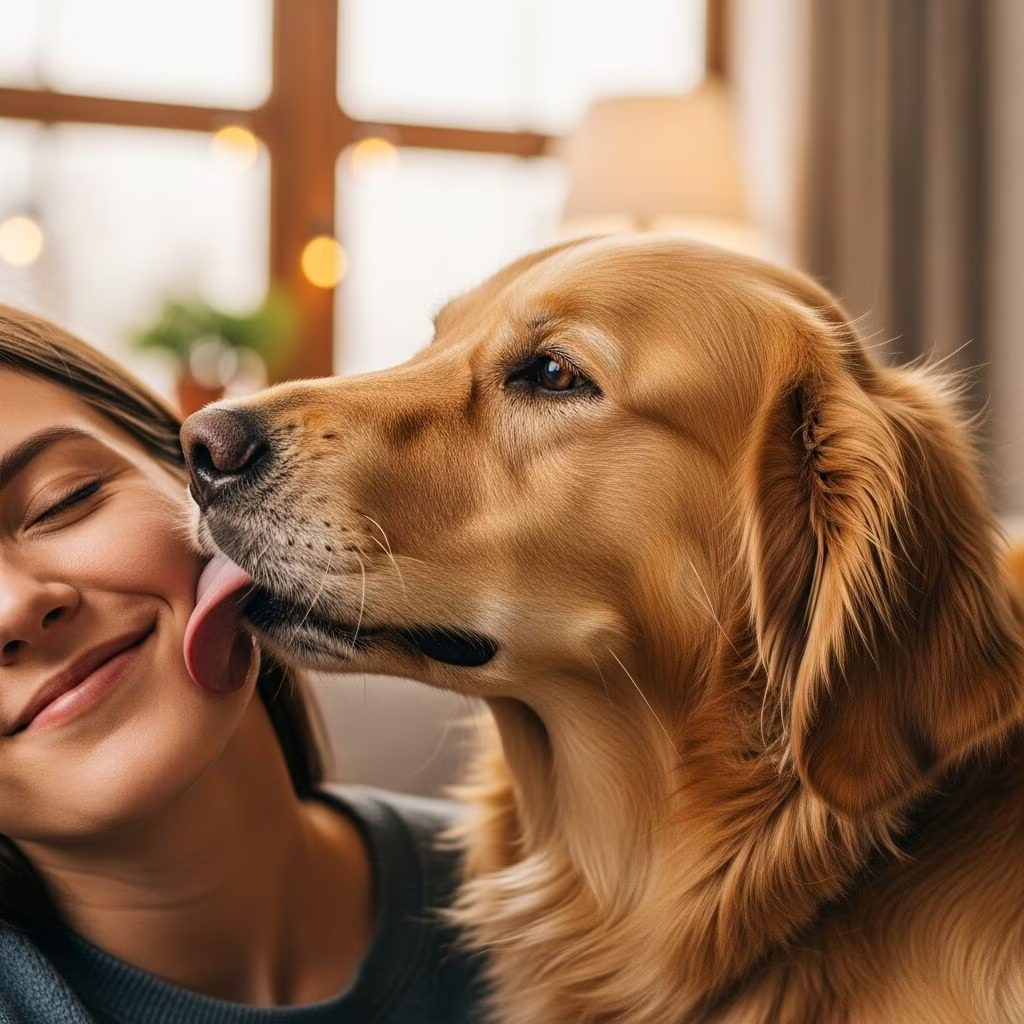
Should Dogs Lick Your Face? Understanding the Facts
Dog licking is one of the most common forms of affection between pets and their owners. Nearly half of dog owners report being licked on the face by their dogs regularly. However, many pet parents wonder whether this seemingly innocent gesture carries health risks. The answer isn’t straightforward—it depends on several factors including your immune status, presence of open wounds, and your dog’s habits. Understanding both the potential benefits and risks can help you make an informed decision about allowing your dog to lick your face.
Why Do Dogs Lick Your Face?
Dogs lick human faces for several compelling reasons rooted in their natural behavior and instincts. Understanding these motivations can help you better interpret your dog’s affectionate gestures.
- Taste and Scent Exploration: Human faces contain numerous enticing elements for dogs. Your skin may be salty from sweat, your eyes produce tears, and your mouth contains residue from food. These scents and tastes make faces particularly attractive to canines, creating a natural playground for their nose and tongue.
- Attention and Communication: Dogs use licking as a behavioral response to communicate with humans. Many dogs lick their owners’ faces to request attention or signal that it’s time for meals and snacks. This learned behavior often gets reinforced when owners respond positively to licks.
- Emotional Bonding: Licking serves as a form of affection and bonding. When dogs bond with their owners through licking, both the dog and owner experience increased levels of oxytocin—commonly referred to as the “love hormone.” This neurochemical boost strengthens the emotional connection between pets and their humans.
- Stress Response: When dogs repeatedly lick their own mouths, it can indicate subtle signs of stress or fear, particularly when combined with other body language signals like pinned-back ears or a tense expression. Dogs also use lip licking as a behavioral response to recognize and react to human emotional states, demonstrating their empathetic nature.
Health Risks: What’s Really in a Dog’s Mouth?
While most dog-human contact remains safe, dog saliva can contain various microorganisms. Understanding these potential pathogens helps you assess your personal risk level.
Common Bacteria in Dog Saliva
Dog mouths harbor numerous bacteria that are typically harmless to healthy humans. These microorganisms naturally exist in canine saliva and rarely cause problems. However, certain circumstances can increase risk levels significantly.
Serious Pathogens of Concern
While uncommon, specific bacteria warrant attention:
- Capnocytophaga canimorsus: This rare but potentially serious pathogen is found in the mouths of up to three-quarters of healthy dogs and cats. In vulnerable populations—including elderly individuals, those with compromised immune systems, or people who consume excessive alcohol—this bacterium can cause life-threatening sepsis and serious systemic infections.
- Pasteurella multocida: This bacterium can be transmitted through dog saliva and may result in serious outcomes including meningitis. While transmission is possible, it remains relatively uncommon in typical dog-human interactions.
- Zoonotic Infections: These are infectious diseases transmitted between species. While dogs can pass zoonotic organisms to humans through licks, bites, and scratches, such transmission is rare among healthy individuals with good hygiene practices.
Antibiotic Resistance Concerns
Dog saliva can carry bacteria with antibiotic-resistant genes. These microorganisms may colonize humans after exposure to dog saliva. However, recent research indicates this risk is minimal in practical settings. A 2023 German study of 2,800 hospital patients and their companion animals confirmed that while sharing of multidrug-resistant organisms between pets and owners is possible, it represents only a handful of cases. The researchers concluded that cat or dog ownership isn’t a significant risk factor for multidrug-resistant organism colonization in hospital patients.
Who Should Avoid Dog Face Licks?
Certain populations face elevated risks from dog saliva exposure and should take additional precautions:
- Immunocompromised individuals (those with weakened immune systems or without a functional spleen)
- Very young children whose immune systems are still developing
- Older adults with age-related immune decline
- Pregnant women who may have heightened susceptibility to infections
- People with open wounds, including cuts, sores, pimples, or cold sores
- Individuals whose dogs practice coprophagia (eating feces)
For these groups, enforcing a “no face licking” rule provides essential protection. Additional hygiene measures, including regular surface cleaning and minimizing contamination of household items, should be implemented consistently.
The Good News: Low-Risk for Most People
For the vast majority of healthy adults without open wounds, dog face licking presents minimal health risk. Your skin provides a strong natural barrier to bacterial entry and infection. The odds of becoming seriously ill from occasional friendly licks are very low. Most people who share their homes with dogs experience no adverse health effects from normal licking behavior.
The key to maintaining safety involves basic hygiene practices. Keeping your dog current on vaccinations significantly reduces potential pathogen transmission. Avoiding contact between your dog’s saliva and your mouth, nose, eyes, or any open wounds further minimizes risk. Washing your face and hands regularly, particularly after your dog licks you, provides additional protection.
Potential Health Benefits of Dog Licking
Beyond the emotional and psychological benefits, some research suggests dog saliva may offer limited health advantages:
Wound Healing Properties
Dog saliva contains histatins, compounds that may assist in wound healing processes. Research from the United Kingdom has identified that dog saliva can generate nitric oxide when it contacts human skin. Nitric oxide inhibits bacterial growth and helps prevent infection spread, theoretically protecting wounds from developing infections.
However, despite historical use of animal saliva for wound treatment, current medical evidence does not support allowing dogs to lick open wounds. In fact, permitting animals to lick wounds increases infection risk rather than promoting healing. Medical professionals recommend against this practice.
Immune System Enhancement
Research from the University of Arizona found that dog exposure significantly improved immune function in adults aged 50 to 60 years. Additionally, studies on babies born into families with dogs demonstrate reduced allergy development. Children living with dogs show decreased likelihood of developing food allergies and respiratory infections compared to children without canine companions.
These benefits may result from early pathogen exposure that trains immune systems effectively. However, these immune-boosting effects occur through general dog contact and companionship—licking is not necessary to achieve these benefits.
Mental Health and Emotional Benefits
The psychological benefits of dog-human interaction extend significantly beyond physical health. Bonding with dogs triggers oxytocin release in both owner and pet. This neurochemical boost occurs through petting, talking to, and cuddling with dogs—not just through licking. Dog ownership provides benefits including:
- Increased physical activity through walking and play
- Enhanced social connections with other pet owners
- Improved overall mental health and reduced anxiety
- Lower blood pressure and reduced heart rate through petting and companionship
Animal-assisted therapy demonstrates effectiveness for individuals managing anxiety, eating disorders, trauma, and other mental health conditions. These therapeutic benefits require no licking—simple companionship and interaction provide the healing effects.
Smart Safety Guidelines for Dog Face Licking
If you decide to permit your dog to lick your face, implementing safety measures minimizes potential risks:
| Safety Measure | Importance | Implementation |
|---|---|---|
| Vaccination Updates | Prevents pathogen transmission | Maintain current vaccines and preventive care for your dog |
| Avoid Mouth Contact | Prevents direct bacterial exposure to mucous membranes | Enforce “no mouth licking” rule consistently |
| Protect Open Wounds | Prevents infection at vulnerable sites | Keep wounds, pimples, and cold sores away from dog saliva |
| Regular Hygiene | Removes bacteria from skin surface | Wash face and hands after dog contact |
| Monitor Dog Behavior | Identifies concerning eating habits | Prevent coprophagia and scavenging behavior |
| Eye and Nose Protection | Avoids sensitive mucous membranes | Keep licking away from eyes and nasal passages |
Redirecting Excessive Licking Behavior
If your dog engages in excessive face licking and you prefer to minimize this contact, several strategies can redirect this natural behavior:
- Train alternative greeting behaviors, such as sitting or offering a paw instead of licking
- Reward non-licking interactions with treats and praise to reinforce desired behaviors
- Provide appropriate chewing and licking outlets, such as puzzle toys and frozen treats
- Use gentle redirection techniques when your dog attempts face licking
- Avoid rewarding licking behavior with attention or positive reinforcement
These techniques allow you to maintain your bond with your dog while establishing healthy boundaries that suit your comfort level.
Frequently Asked Questions
Q: Is dog saliva cleaner than human saliva?
A: No. While often repeated, this claim lacks scientific support. Both human and dog mouths contain bacteria and microorganisms. Dog mouths specifically harbor potentially problematic bacteria like Capnocytophaga, which humans don’t typically carry. Neither is inherently “cleaner” than the other.
Q: Can dog licking actually help wounds heal?
A: While dog saliva contains some compounds that theoretically support healing, allowing dogs to lick wounds increases infection risk significantly. Medical evidence does not support this practice. Professional wound care provides far superior results.
Q: What should I do if my dog licks an open cut?
A: Wash the area immediately with soap and water. Monitor the wound for signs of infection including increased redness, swelling, warmth, or discharge. Contact your healthcare provider if infection signs develop.
Q: Are certain dog breeds safer for face licking than others?
A: No. All dogs’ mouths contain similar bacterial populations regardless of breed. The safety of dog licking depends on individual dog hygiene habits, vaccination status, and the human’s health status—not breed.
Q: Can I boost my immune system by allowing my dog to lick me?
A: Research shows immune benefits from dog ownership and exposure, but these results from general companionship rather than licking specifically. Simply living with a dog and engaging in regular interaction provides the immune-boosting benefits without licking risks.
Q: Is it safe for babies to be licked by dogs?
A: Babies actually benefit from early dog exposure through reduced allergy and respiratory infection development. However, direct face licking should be supervised and limited to protect the baby’s developing immune system. Avoid licking near the mouth and face of infants.
Q: How can I tell if my dog’s licking indicates a health problem?
A: Excessive self-licking, particularly of specific areas, may indicate allergies, parasites, or skin conditions requiring veterinary attention. Frequent lip licking combined with stress signals (pinned ears, tension) suggests anxiety. Consult your veterinarian if licking behavior changes significantly.
Q: Should immunocompromised people avoid all dog contact?
A: No. Immunocompromised individuals can safely own and interact with dogs by following enhanced hygiene practices. These include maintaining current dog vaccinations, avoiding face licking, keeping surfaces clean, and practicing scrupulous hand hygiene. Consult with your healthcare provider about specific precautions suited to your condition.
Making Your Decision
Whether to allow your dog to lick your face ultimately depends on your personal health status, comfort level, and risk tolerance. For most healthy adults with good hygiene practices, occasional face licking presents minimal health risk. The emotional bond and affection dogs provide far outweigh the minimal infection risk for this population.
However, enforcing boundaries makes sense for certain individuals. The “no mouth licking” rule provides enhanced protection for everyone. Remember that strong bonds between dogs and humans develop through numerous forms of interaction—licking is not essential to maintaining a loving relationship with your pet.
By understanding both the risks and benefits, implementing appropriate safety measures, and recognizing your personal risk factors, you can make informed decisions about dog-human contact that work best for your household.
References
- Is it safe for your dog to lick your face? — Bicton Vet Clinic. Accessed January 2026. https://bicton.vet/BictonVetClinic/Blog/Is-it-safe-for-your-dog-to-lick-your-face
- Dogs Licking Owners’ Face Is Not Just Unhealthy, But Can Even Be Fatal — NDTV. Accessed January 2026. https://www.ndtv.com/world-news/dogs-licking-owners-face-is-not-just-unhealthy-but-can-even-be-fatal-5204800
- Why Do Dogs Lick Your Face? — PetMD. Accessed January 2026. https://www.petmd.com/dog/behavior/why-do-dogs-lick-your-face
- Should You Let Your Dog Lick Your Face? Here’s The Science — ScienceAlert. Accessed January 2026. https://www.sciencealert.com/should-you-let-your-dog-lick-your-face-heres-the-science
- Mayo Clinic Minute: Are puppy kisses good or bad? — Mayo Clinic Newsnetwork. Accessed January 2026. https://newsnetwork.mayoclinic.org/discussion/mayo-clinic-minute-are-puppy-kisses-good-or-bad/
- 4 Reasons You Shouldn’t Let Your Dog Lick Your Face and 2 Reasons You Should — Rover. Accessed January 2026. https://www.rover.com/uk/blog/4-reasons-you-shouldnt-let-your-dog-lick-your-face-and-2-reasons-you-should/



