

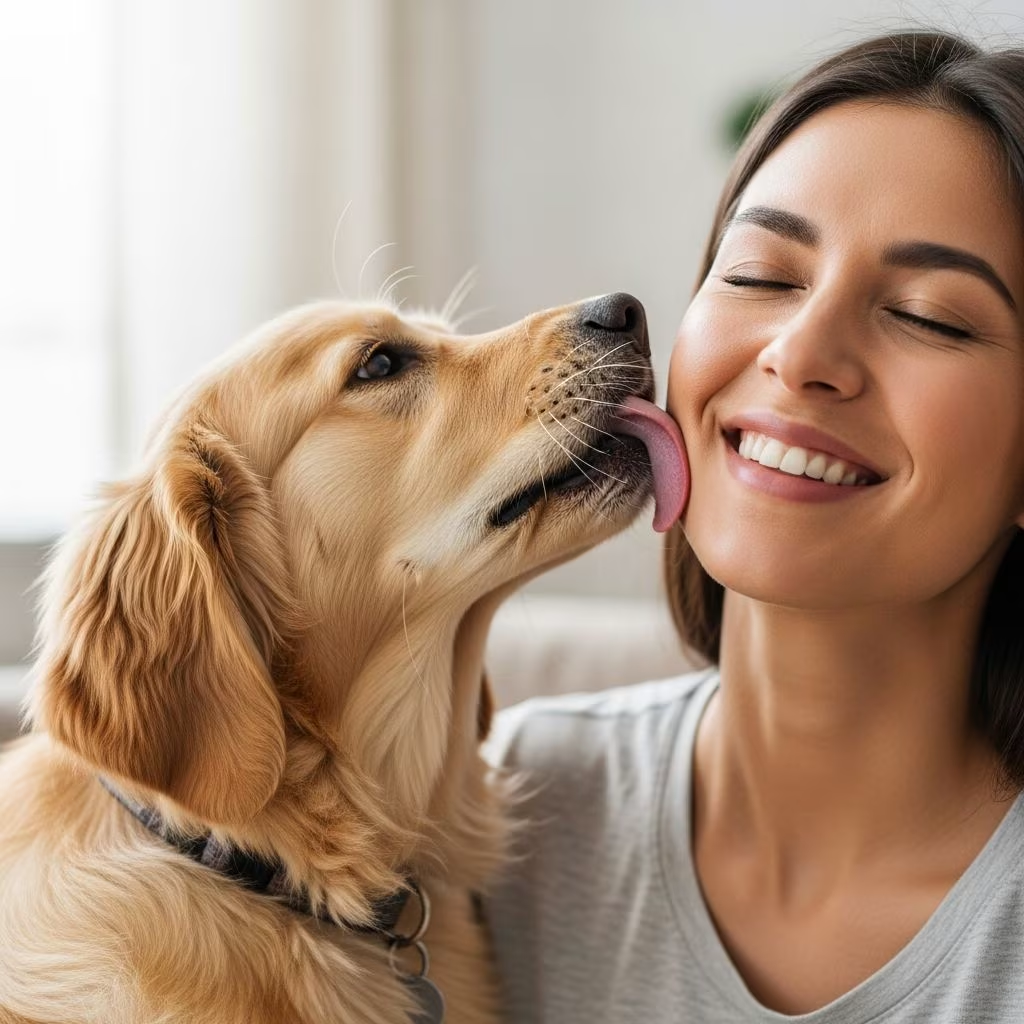
Dogs express affection through licking, but is it safe to let them target your face? This article examines the reasons behind the behavior, potential health risks from bacteria in dog saliva, surprising benefits, and practical advice for dog owners.
Why Do Dogs Lick Your Face?
Dogs lick faces as a natural instinct rooted in their wild ancestry. Puppies lick their mothers’ faces to stimulate regurgitation of food, a survival behavior that persists in domesticated dogs as a sign of trust and submission.
In modern contexts, face licking signals affection, greeting, and pack bonding. When your dog licks you, it’s saying, “You’re part of my family.” Studies show dogs lick lips more around angry human faces, indicating empathy and stress response.
- Affection and bonding: Releases oxytocin in both dog and owner, strengthening emotional ties without needing licks.
- Greeting ritual: Mimics wolf pack greetings.
- Taste appeal: Human skin’s salt from sweat attracts dogs.
- Attention-seeking: Learned behavior for interaction.
Nearly half of dog owners report face licks, making it a common but debated habit.
What’s in Dog Saliva?
Dog saliva is 99% water but teems with over 600 types of bacteria and enzymes. It’s slightly alkaline (pH 8-9), aiding cavity prevention in dogs by inhibiting acid-loving bacteria.
Key components include:
- Enzymes like lysozyme: Breaks down bacterial cell walls.
- Histatins: Promote wound healing by boosting cell growth.
- Nitric oxide precursors: UK research shows saliva generates nitric oxide on skin contact, inhibiting bacterial spread.
However, saliva harbors pathogens from dogs’ environments, including feces, dirt, and genitals they lick daily.
The Risks: Is Dog Saliva Dangerous?
For healthy adults, risks are low—skin acts as a robust barrier. But saliva can transmit zoonoses (animal-to-human diseases) via licks, especially on mucous membranes or wounds.
High-risk bacteria:
- Capnocytophaga canimorsus: In 75% of healthy dogs’ mouths; causes sepsis, fatal in immunocompromised, elderly, asplenic, or alcoholics. Rare but documented cases.
- Pasteurella multocida: Leads to infections, meningitis.
- Antibiotic-resistant strains: 2023 German study found rare sharing between pets and hospital patients, not a major risk.
Vulnerable groups: immunocompromised, infants, elderly, pregnant women, open wounds (pimples, sores). Avoid licks near eyes, nose, mouth. Infections often mimic flu and resolve, underreported.
| Risk Factor | Examples | Precautions |
|---|---|---|
| High-Risk People | Immunocompromised, elderly, infants | Avoid face licks entirely |
| Bacterial Threats | Capnocytophaga, Pasteurella | Vaccinate dog, hygiene |
| Wound Exposure | Cuts, sores | Keep dog away |
Potential Benefits of Dog Licks
Beyond bonding, licks offer science-backed perks, though not a substitute for medical care.
- Wound healing: 2018 study: Dog-licked wounds heal twice as fast due to histatins and growth factors. UK research confirms infection protection via nitric oxide.
- Immune boost: University of Arizona: 50-60-year-olds with dogs show stronger immunity. Babies in dog homes have fewer allergies, infections.
- Mental health: Oxytocin surge from interaction reduces stress, blood pressure. Animal therapy aids anxiety without licks.
Myth busted: No evidence licks heal human wounds safely; risks outweigh benefits.
Who Should Avoid Dog Face Licks?
Not everyone should embrace slobbery kisses. High-risk individuals face amplified dangers:
- Immunocompromised: Cancer patients, transplant recipients, HIV+.
- Very young/old: Babies, seniors over 65.
- Pregnant women: Potential zoonotic transfer.
- Open wounds/skin conditions: Eczema, cuts, acne.
Vets recommend: “Don’t do it” for at-risk groups. Even healthy people: Enforce “no mouth” rule.
Healthier Ways to Bond Without Licks
Bonding thrives sans saliva exchange. Alternatives boost oxytocin safely:
- Petting, cuddling, talking to your dog.
- Play fetch, walks for exercise and connection.
- Grooming sessions build trust.
- Training reinforces positive behaviors.
Dog owners gain physical activity, social ties, mental health perks regardless.
Tips for Safe Interaction
Minimize risks with proactive steps:
- Vaccinate/update: Rabies, bordetella prevent spread.
- Hygiene: Wash face/hands post-contact; clean surfaces.
- Diet monitor: Prevent coprophagia (poop-eating).
- Train boundaries: Redirect licks to hands/toys.
- Health checks: Regular vet dental cleanings reduce bacteria.
For occasional licks on intact skin: Low risk for most. But hygiene first.
Frequently Asked Questions (FAQs)
Is it hygienic for dogs to lick your face?
Not entirely—saliva carries bacteria from unclean sources, but healthy skin blocks most threats.
Can dog licks cause serious illness?
Rarely, via Capnocytophaga sepsis in vulnerable people. Most cases harmless.
Do dog licks help heal wounds?
Studies show faster healing in animals, but human wounds risk infection—avoid.
Are puppies safer to lick faces?
No—same bacteria risks; unvaccinated pups higher danger.
Should kids let dogs lick them?
Supervise; avoid for infants. Benefits immunity but prioritize safety.
Final Thoughts
Dog face licks blend affection with minor risks. Healthy owners can enjoy sparingly with hygiene; high-risk groups should abstain. Prioritize vaccines, training, clean habits for joyful, safe companionship. Consult vets for personalized advice.
References
- Is it safe for your dog to lick your face? — Bicton Vet Clinic. 2023. https://bicton.vet/BictonVetClinic/Blog/Is-it-safe-for-your-dog-to-lick-your-face
- Dogs Licking Owners Face: Unhealthy & Fatal Risks — NDTV. 2023-10-18. https://www.ndtv.com/world-news/dogs-licking-owners-face-is-not-just-unhealthy-but-can-even-be-fatal-5204800
- THE BENEFITS OF GETTING LICKED (by your dog!) — Cookas Cookies. 2023. https://www.cookascookies.com/cookas-blog/the-benefits-of-getting-licked-by-your-dog/
- 5 Facts You Need to Know About Your Dog’s Saliva — PetCareRx. 2023. https://www.petcarerx.com/article/5-facts-you-need-to-know-about-your-dogs-saliva/4150
- Should You Let Your Dog Lick Your Face? Here’s The Science — ScienceAlert. 2023. https://www.sciencealert.com/should-you-let-your-dog-lick-your-face-heres-the-science
- Mayo Clinic Minute: Are puppy kisses good or bad? — Mayo Clinic News Network. 2023. https://newsnetwork.mayoclinic.org/discussion/mayo-clinic-minute-are-puppy-kisses-good-or-bad/
- Dog Saliva: 9 Facts You Should Know — PetMD. 2023. https://www.petmd.com/dog/general-health/dog-saliva-9-fast-facts-you-should-know



