

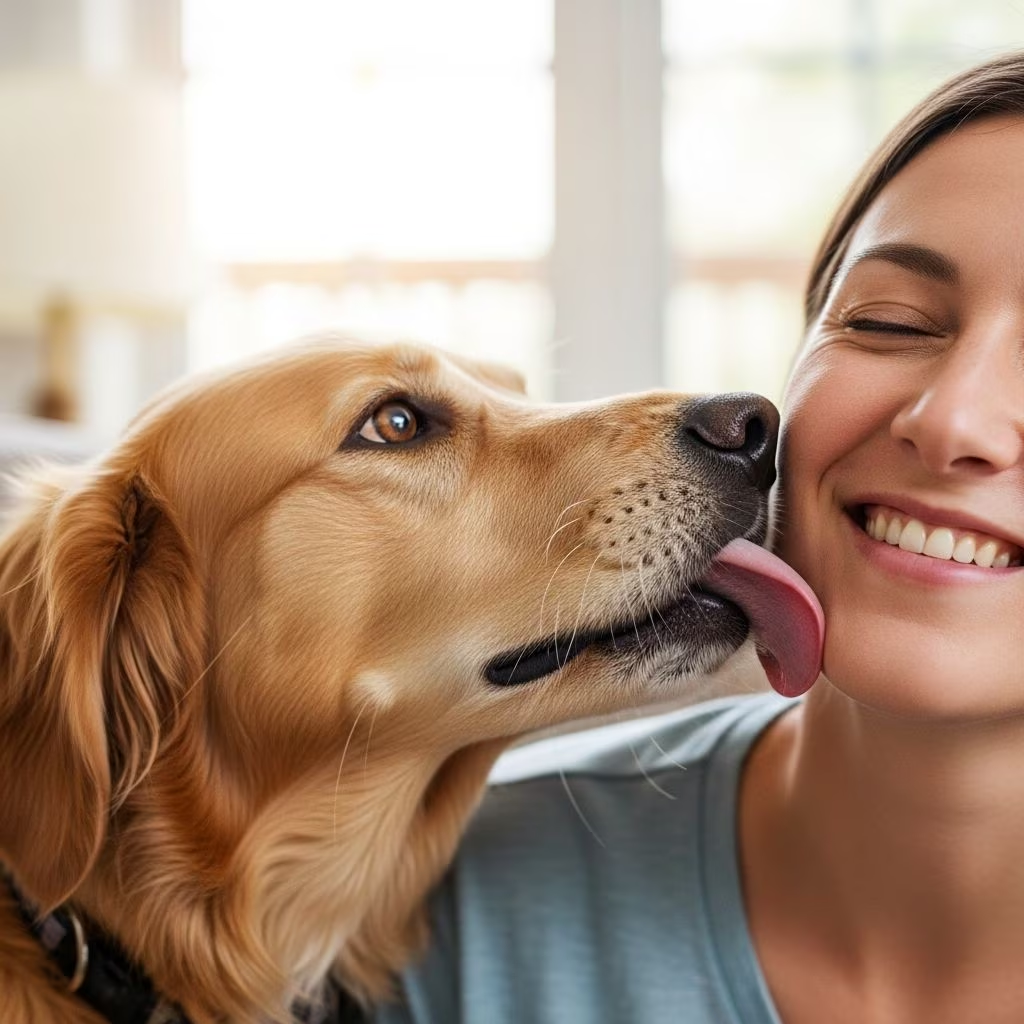
Dogs express affection through licking, but is it safe to let them target your face? This article examines the reasons behind this behavior, potential health benefits, significant risks, and practical advice for dog owners.
Why Do Dogs Lick Faces?
Dogs lick human faces as a natural instinct rooted in their wild ancestry. Puppies lick their mothers’ faces to stimulate regurgitation of food, a survival behavior that persists in domesticated dogs as a sign of submission, affection, and social bonding.
- Affection and pack bonding: Licking releases endorphins in dogs, reinforcing their emotional connection with owners.
- Taste appeal: Human skin’s saltiness from sweat attracts dogs, making faces a prime target.
- Exploration: Dogs use their mouths to investigate scents and tastes, with faces offering rich sensory information.
- Stress relief: Lip licking signals anxiety in dogs, but face licking towards humans often conveys comfort-seeking.
Understanding this helps owners interpret licks positively while weighing health implications.
What’s in Dog Saliva?
Dog saliva is a complex fluid with enzymes, proteins, and bacteria. It’s slightly alkaline, aiding oral health by inhibiting cavity-causing bacteria. Key components include:
- Histatins: Proteins with antifungal and antibacterial properties that promote wound healing.
- Nitric oxide precursors: Generated on contact with skin to suppress bacterial growth.
- Lysozyme: Enzyme breaking down bacterial cell walls.
- Microorganisms: Normal flora like Pasteurella and Capnocytophaga, usually harmless but potentially zoonotic.
While beneficial for dogs, human exposure requires caution.
Potential Benefits of Dog Licks
Historical and modern research highlights saliva’s therapeutic potential, though not a substitute for medical care.
Wound Healing Properties
Dog saliva may accelerate minor wound recovery. UK studies show saliva produces nitric oxide on skin contact, inhibiting infections. Histatins boost tissue repair, with evidence suggesting twice-as-fast healing for licked wounds.
- Antibacterial action prevents minor cut infections.
- Ancient practices used trained dogs for wound licking, though modern vets advise against it for open injuries.
Immune System Support
Exposure to dog saliva and dander may reduce allergies. University of Arizona research links dog-owning households to fewer allergies in babies and stronger immunity in adults aged 50-60. Early pet exposure builds microbial diversity, protecting against asthma and eczema.
Mental Health Gains
Beyond physical effects, licks foster bonding. Dog companionship lowers blood pressure, anxiety, and boosts activity levels, with licks symbolizing trust.
Benefits are greatest for healthy adults but don’t outweigh risks for all.
Health Risks of Dog Licks
Despite upsides, dog mouths harbor pathogens transmissible via saliva, especially to faces with mucous membranes.
Bacteria and Zoonoses
Common bacteria include:
| Bacteria | Risks | Prevalence |
|---|---|---|
| Capnocytophaga canimorsus | Sepsis, meningitis (rare, fatal in immunocompromised) | Up to 75% of healthy dogs |
| Pasteurella multocida | Infections, abscesses | Common in dog saliva |
| Salmonella, E. coli | Gastroenteritis | Via fecal contamination |
Infections are rare in healthy people but serious for at-risk groups.
Parasites
Dogs carry worms and protozoa, eggs transferable if they lick anus then faces. Risks include:
- Giardia, Cryptosporidium: Diarrhea, intestinal upset.
- Hookworms, roundworms: Skin issues, blindness, neurological problems.
- Ringworm: Fungal skin rash.
Fecal-oral transmission heightens face-lick dangers.
Vulnerable Groups
High-risk individuals:
- Infants, elderly, pregnant women.
- Immunocompromised (chemotherapy, AIDS, diabetes).
- Those with open wounds or eczema.
Coprophagia (poop-eating) amplifies contamination.
When Is It Safe?
For most healthy adults, occasional licks pose minimal risk with precautions. Companion Animal Parasite Council guidelines:
- Regular vet deworming and vaccinations.
- Prevent coprophagia.
- Avoid licks on mouth, nose, eyes, open wounds.
- Wash face/hands post-contact.
Cheek licks followed by washing are safer than mouth kisses. Maintain scrupulous hygiene, especially in multi-pet homes.
Expert Recommendations
Veterinarians like those at PetMD and AKC advise moderation. Mayo Clinic notes licks as affection but not hygiene substitutes. For wounds, use bandages over licks to avoid complications.
Antibiotic resistance spread via saliva is theoretically possible but unlikely.
Frequently Asked Questions (FAQs)
Is dog saliva antibacterial?
Yes, containing histatins and nitric oxide precursors that fight bacteria and aid healing, though not for serious wounds.
Can dog licks cause serious illness?
Rarely in healthy people, but Capnocytophaga has caused sepsis in vulnerable individuals.
Should babies be exposed to dog licks?
No, infants face higher parasite/bacteria risks; supervise closely.
Does letting dogs lick boost immunity?
Pet exposure may reduce allergies, but direct face licks aren’t recommended for this.
How to discourage face licking?
Redirect to toys, reward alternative greetings, train “no lick” commands.
Conclusion: Balance Affection and Safety
Dog licks blend affection with minor benefits but carry risks, especially for vulnerable groups. Prioritize vet care, hygiene, and boundaries for joyful, healthy bonds. Most owners enjoy licks safely with vigilance.
References
- Pet Saliva: Health Hazard or Health Benefit? — PetMD. 2016-01-22. https://www.petmd.com/blogs/thedailyvet/ktudor/2014/jan/are-dog-licks-unhealthy-for-people-31207
- The Benefits of Getting Licked (by your dog!) — Cookas Cookies. N/A. https://www.cookascookies.com/cookas-blog/the-benefits-of-getting-licked-by-your-dog/
- 5 Facts You Need to Know About Your Dog’s Saliva — PetCareRx. N/A. https://www.petcarerx.com/article/5-facts-you-need-to-know-about-your-dogs-saliva/4150
- Should You Let Your Dog Lick Your Face? Here’s The Science — ScienceAlert. N/A. https://www.sciencealert.com/should-you-let-your-dog-lick-your-face-heres-the-science
- Can a Dog’s Lick Make You Sick? — American Kennel Club. N/A. https://www.akc.org/expert-advice/health/can-a-dogs-lick-make-you-sick/
- 4 Reasons You Shouldn’t Let Your Dog Lick Your Face and 2 Reasons You Should — Rover. N/A. https://www.rover.com/uk/blog/4-reasons-you-shouldnt-let-your-dog-lick-your-face-and-2-reasons-you-should/
- Mayo Clinic Minute: Are puppy kisses good or bad? — Mayo Clinic News Network. N/A. https://newsnetwork.mayoclinic.org/discussion/mayo-clinic-minute-are-puppy-kisses-good-or-bad/



