

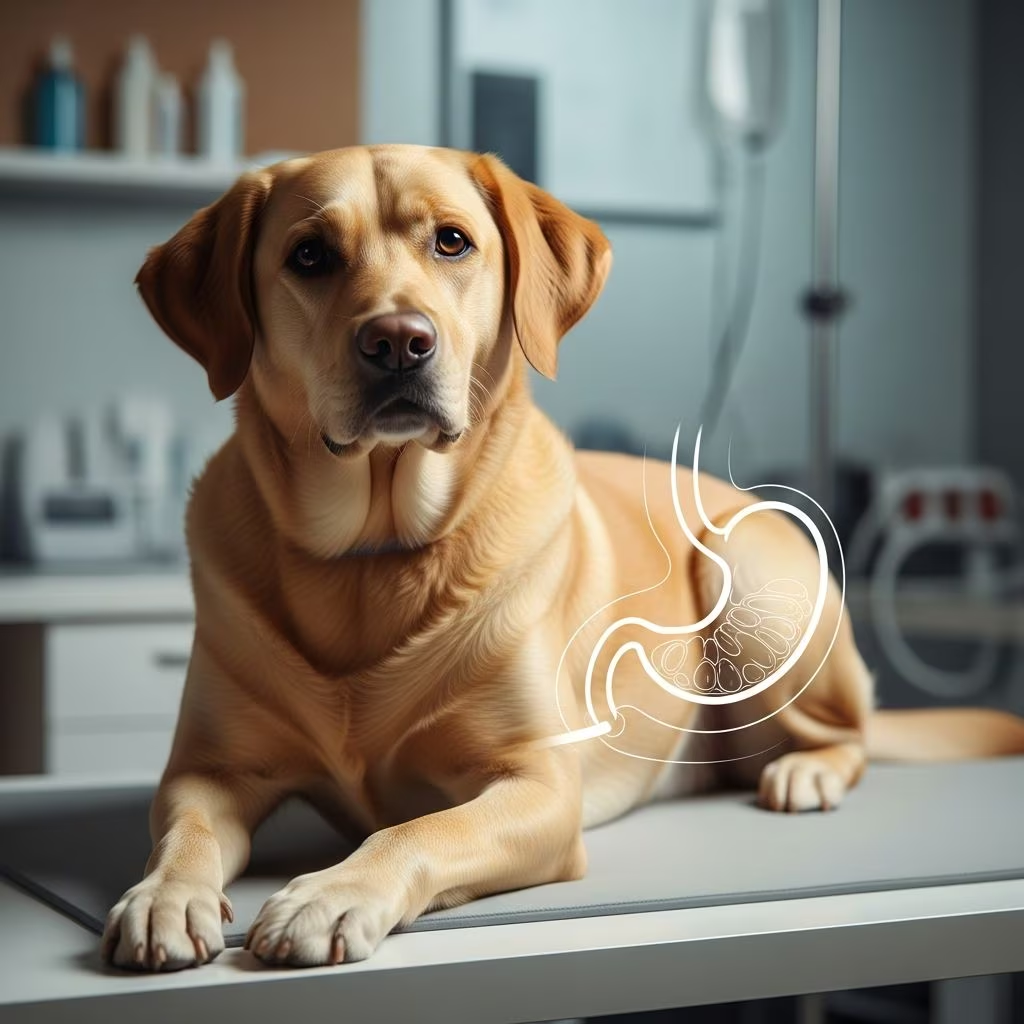
Gastropexy, often called stomach tacking, is a surgical procedure that attaches a dog’s stomach to the abdominal wall to prevent life-threatening gastric dilatation-volvulus (GDV), commonly known as bloat. This surgery is particularly recommended for large, deep-chested breeds at high risk, dramatically reducing recurrence rates from 80% to less than 5%.
What Is Bloat (GDV) in Dogs?
Gastric dilatation-volvulus (GDV) occurs when a dog’s stomach fills with gas, expands (dilatation), and twists (volvulus), cutting off blood flow and leading to shock or death within hours if untreated. While dilatation alone is serious, the twisting makes it fatal, requiring emergency surgery.
Symptoms of bloat include a visibly distended abdomen, unproductive retching, excessive drooling, restlessness, pacing, whining, rapid breathing, and collapse. Early recognition is critical, as GDV progresses rapidly.
Breeds and Dogs at Risk for Bloat
GDV primarily affects large and giant breeds with deep, narrow chests. High-risk breeds include:
- Great Danes (40% lifetime risk)
- German Shepherds
- Standard Poodles
- Bloodhounds
- Weimaraners
- Irish Setters
- Gordon Setters
- St. Bernards
- Akitas
Other risk factors include age over 7 years, first-degree relatives with GDV history, thin body condition, and history of gastric dilatation without volvulus.
What Is Gastropexy Surgery?
Gastropexy surgically attaches the stomach to the right abdominal wall, preventing twisting (volvulus) even if dilatation occurs. It does not prevent bloat entirely but allows medical management of simple dilatation without surgery.
Types of gastropexy include:
- Incisional: Stomach wall incised and sutured to abdominal wall (common in emergencies).
- Belt-loop: Stomach passed through abdominal wall slits.
- Tube: Tube inserted for decompression.
- Laparoscopic-assisted: Minimally invasive with small incisions and camera guidance for faster recovery.
Benefits of Gastropexy for Bloat Prevention
Prophylactic gastropexy offers substantial advantages:
- Drastically reduced GDV risk: Lifetime risk drops to 0.3% post-surgery; recurrence falls from 80% to <5%.
- Combined with spay/neuter: Performed under existing anesthesia, minimizing additional risk.
- Minimally invasive options: Laparoscopic methods reduce pain, incisions, and recovery time.
- Peace of mind: Bloat without twist can be treated medically.
- Low complication rate: As low as 0.4% for elective procedures.
Gastropexy Surgery Procedure and Recovery
Elective gastropexy typically occurs during spay/neuter or as a standalone procedure under general anesthesia. Laparoscopic versions use 2-3 small incisions with a camera for precision.
Post-surgery care includes:
- E-collar to prevent licking.
- Small meals initially, then slow-feeder bowls.
- No running/jumping for 10-14 days.
- Stitch removal at 10-14 days.
- Full recovery in 2-4 weeks; monitor for swelling or discharge.
Risks and Complications of Gastropexy
While safe, risks include anesthesia complications, infection, dehiscence (suture failure), gastric leakage, and short-term GDV risk during recovery. Elective procedures have lower risks than emergency GDV surgery, which may require splenectomy or stomach resection.
| Aspect | Elective Gastropexy | Emergency GDV Surgery |
|---|---|---|
| Complication Rate | 0.4-5% | Higher (shock, organ damage) |
| Anesthesia Risk | Healthy patient | Critically ill patient |
| Recovery Time | 1-2 weeks | Weeks-months |
| Additional Procedures | Often none | Splenectomy common |
Cost of Gastropexy Surgery
Costs vary by location, method, and clinic:
- Prophylactic gastropexy: $1,000-$2,500 (often $300-$800 added to spay/neuter).
- Laparoscopic: $1,500-$3,000 (higher due to equipment).
- Emergency GDV with gastropexy: $3,000-$7,500+.
Pet insurance may cover preventive gastropexy for at-risk breeds.
Is Gastropexy Worth It for Your Dog?
For high-risk breeds or dogs with bloat history/family history, gastropexy’s benefits far outweigh risks. One study showed lifetime GDV risk reduced to 0.3% post-surgery. Consult your vet to assess your dog’s specific risk profile.
Other Ways to Prevent Bloat in Dogs
While gastropexy is most effective against volvulus, reduce dilatation risk by:
- Feeding smaller meals 2-3 times daily from elevated bowls.
- Using slow-feeder bowls to prevent gulping.
- Avoiding exercise for 1-2 hours post-meal.
- Maintaining healthy weight; avoid stress.
- Probiotics may help gut health (consult vet).
Frequently Asked Questions (FAQs)
What breeds need gastropexy?
Deep-chested large/giant breeds like Great Danes, German Shepherds, and Standard Poodles. Recommended for those with family history or prior bloat.
Does gastropexy prevent all bloat?
No, it prevents twisting (volvulus), not dilatation. Simple bloat can often be managed medically.
When should I get gastropexy for my dog?
Ideally during spay/neuter (6-18 months) or prophylactically for at-risk adults. Discuss with your vet.
How successful is gastropexy?
Reduces recurrence from 80% to <5%; lifetime risk to 0.3%.
Can gastropexy be done laparoscopically?
Yes, minimally invasive with smaller incisions, less pain, faster recovery.
What are bloat symptoms?
Distended abdomen, retching without vomit, drooling, restlessness, pain.
References
- Canine Bloat (GDV): Risk, Treatment, and Prevention — AESC Parker. 2023. https://www.aescparker.com/blog/canine-bloat-gdv-risk-treatment-and-prevention
- Preventing Bloat in Dogs with Canine Gastropexy — Arvada Vet Hospital. 2023. https://arvadavethospital.com/blog/preventing-bloat-in-dogs-with-canine-gastropexy/
- Gastropexy in Dogs: Benefits, Risks, and Cost — PetMD. 2024-01-15. https://www.petmd.com/dog/procedure/gastropexy-in-dogs
- Is Gastropexy Surgery for Your Dog Worth It? — GoodRx. 2023. https://www.goodrx.com/pet-health/dog/is-gastropexy-surgery-dogs-worth-it
- Prophylactic Gastropexy — Passion Fur Paws. 2023. https://www.passionfurpaws.pet/services/prophylactic-gastropexy
- Laparoscopic-Assisted Gastropexy — Arcata Animal Hospital. 2024. https://arcatavet.com/laparoscopic-assisted-gastropexy-the-advanced-way-to-protect-dogs-from-bloat/
- Gastropexy — VCA Animal Hospitals. 2024. https://vcahospitals.com/know-your-pet/gastropexy



