

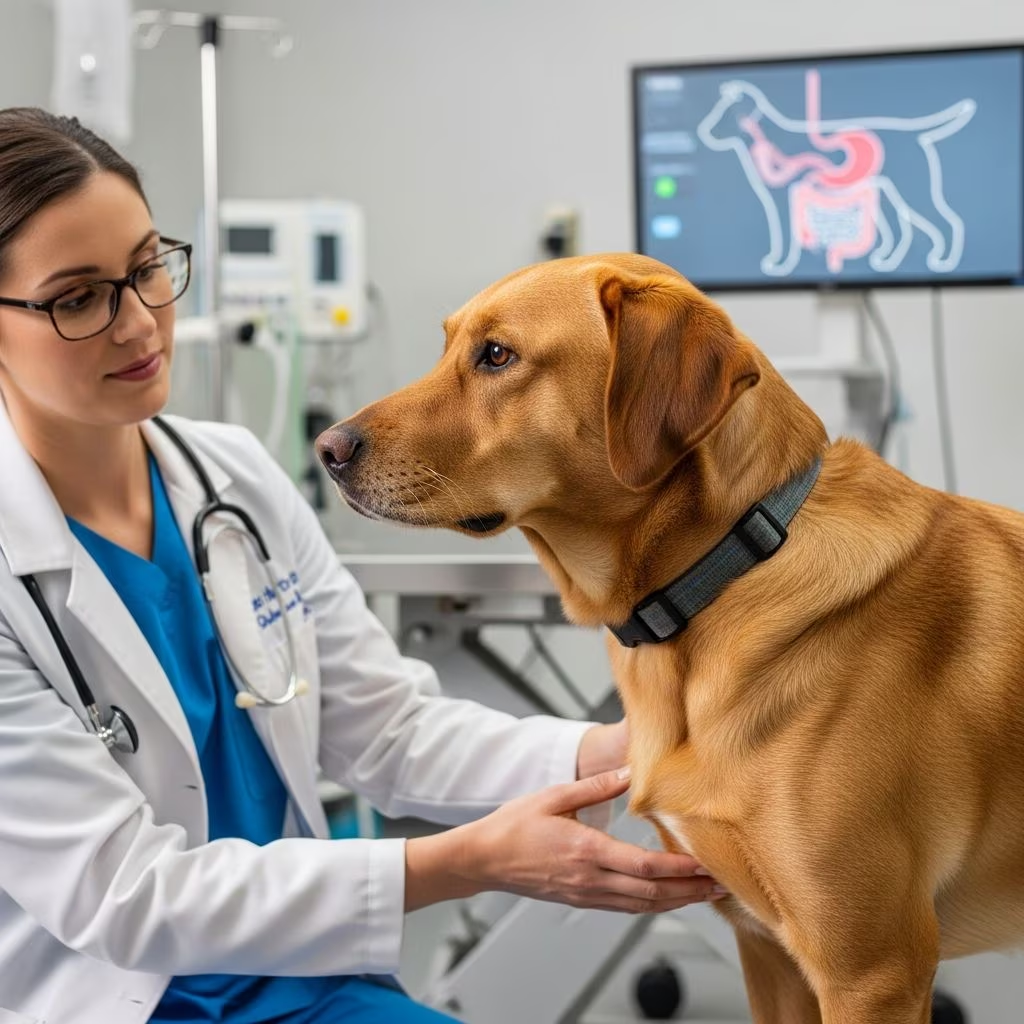
Gastropexy is a surgical procedure that permanently attaches a dog’s stomach to the abdominal wall, preventing gastric dilatation-volvulus (GDV), commonly known as bloat—a life-threatening condition where the stomach fills with gas and twists. This preventive surgery is especially recommended for large, deep-chested breeds prone to GDV, dramatically reducing recurrence risk to under 1% while not eliminating simple bloating.
What Is Bloat (GDV) in Dogs?
Gastric dilatation-volvulus (GDV) starts when a dog’s stomach dilates with gas, expanding like a balloon, then twists on itself (volvulus), blocking blood flow to organs and causing shock. Without emergency intervention, GDV has high mortality; survival rates hover around 10-30% untreated, improving with rapid surgery but still costly and intensive. Symptoms include unproductive retching, swollen abdomen, restlessness, rapid breathing, pale gums, and collapse—demanding immediate vet care.
GDV differs from simple bloat (gastric dilatation without twist), which gastropexy does not prevent but makes survivable by avoiding volvulus. Risk factors beyond breed include stress, large single meals, exercise post-eating, older age, and first-degree relatives with GDV history.
Breeds at Highest Risk for Bloat
Deep-chested, giant breeds face 20-40% lifetime GDV risk without prevention. High-risk breeds include:
- Great Danes (42.4% risk)
- Saint Bernards
- Weimaraners
- German Shepherds
- Standard Poodles
- Irish Setters
- Gordon Setters
- Bloodhounds
- Akitas
- Deep-chested mixes
Prophylactic gastropexy is often timed with spay/neuter in puppies 6-12 months old for these breeds.
What Is Gastropexy Surgery?
Gastropexy (‘gastro’ = stomach, ‘pexy’ = fixation) creates a permanent adhesion between the stomach’s outer layers (serosa/muscularis) and right abdominal wall, anchoring it to prevent twisting. Performed prophylactically in healthy at-risk dogs or during GDV emergency surgery, it reduces recurrence from 30-50% to <1-5%.
Types of gastropexy include:
- Incisional gastropexy: Most common; incisions in stomach and abdominal wall sutured together for quick adhesion. Fastest, lowest complications.
- Belt-loop gastropexy: Stomach flap threaded through abdominal wall tunnel.
- Circumcostal gastropexy: Stomach flap around last rib, sutured back.
- Laparoscopic-assisted: Minimally invasive; small incisions, camera-guided, 30-40 min alone, less pain, faster recovery.
How Is Gastropexy Performed?
Under general anesthesia, a midline abdominal incision (or laparoscopic ports) exposes the stomach. The pylorus is pulled rightward; stomach layers incised and sutured to abdominal wall, healing into scar tissue over 2-4 weeks. With GDV, the stomach is decompressed via orogastric tube, untwisted, then tacked. Laparoscopic versions use 4-5cm incisions vs. full open surgery. Procedure lasts 30-60+ min, often combined with spay/neuter.
Recovery After Gastropexy
Dogs go home 1-3 days post-op with e-collar, small frequent meals, no exercise 10-14 days. Full recovery: 2-4 weeks; monitor incision, appetite, stool. Complications rare (5%): infection, dehiscence, pancreatitis. Laparoscopic: quicker return to activity. Long-term: normal diet/exercise; GDV risk slashed but bloat possible.
| Recovery Milestone | Timeline | Care Tips |
|---|---|---|
| Hospital stay | 1-3 days | Pain meds, IV fluids |
| Stitch removal | 10-14 days | Prevent licking |
| Full activity | 4 weeks | Gradual walks |
| Adhesion forms | 2-4 weeks | Rest critical |
Cost of Gastropexy Surgery
Prophylactic gastropexy: $1,500-$3,000 USD (laparoscopic higher); GDV emergency: $5,000-$10,000+ including ICU. Factors: location, type, add-ons (spay $500+). Worth it for breeds where GDV odds exceed 20% lifetime.
Pros and Cons of Gastropexy
| Pros | Cons |
|---|---|
| Prevents deadly GDV twist (>95% effective) | Surgery risks (anesthesia, infection <5%) |
| Low recurrence (<1%) | Doesn’t stop simple bloat |
| Quick procedure, fast recovery | Cost $1,500-$3,000 upfront |
| Elective timing (puppy spay) | Not needed for low-risk breeds |
Benefits outweigh risks for high-risk dogs; GDV surgery is far riskier.
Is Gastropexy Right for My Dog?
Yes for deep-chested giants (Great Dane etc.), GDV survivors, or family history. Discuss with vet: breed, age, lifestyle. Not routine for small/ barrel-chested breeds. Alternatives: small meals, no exercise post-eating, probiotic foods reduce risk 80% but less than surgery.
Frequently Asked Questions (FAQs)
What age for prophylactic gastropexy?
6-18 months, ideally with spay/neuter; puppies tolerate well.
Does gastropexy prevent all bloat?
No, only twisting; dilatation possible but non-fatal.
Gastropexy risks/complications?
Rare: 2-5% (infection, adhesion failure); lower than GDV mortality.
Can gastropexy reverse GDV?
No, treats/prevents; GDV needs emergency detorsion first.
Laparoscopic vs. traditional?
Laparoscopic: smaller scars, less pain, same efficacy.
References
- Gastropexy in Dogs: Benefits, Risks, and Cost — PetMD. 2023. https://www.petmd.com/dog/procedure/gastropexy-in-dogs
- Elective Gastropexy — Dallas Veterinary Surgical Center. 2024. https://www.dvsc.com/gastropexy
- Incisional Gastropexy — Veterinary Surgery Online. 2023. https://www.vetsurgeryonline.com/incisional-gastropexy/
- Gastropexy Surgery in Dogs — SurgiPet. 2024. https://www.surgipet.com/article/gastropexy-surgery-in-dogs
- Gastropexy: The Simple Procedure That Could Save Your Dog’s Life — DBQ PetMed. 2023. https://dbqpetmed.com/blog/gastropexy-the-simple-procedure-that-could-save-your-dogs-life/
- How Laparoscopic Gastropexy Prevents Bloat — AHOF Statesville. 2024. https://www.ahofstatesville.com/services/dogs/blog/how-laparoscopic-gastropexy-prevents-bloat-what-every-dog-owner-should-know
- Key Gastrointestinal Surgeries: Incisional Gastropexy — dvm360. 2022-10-01. https://www.dvm360.com/view/key-gastrointestinal-surgeries-incisional-gastropexy



