

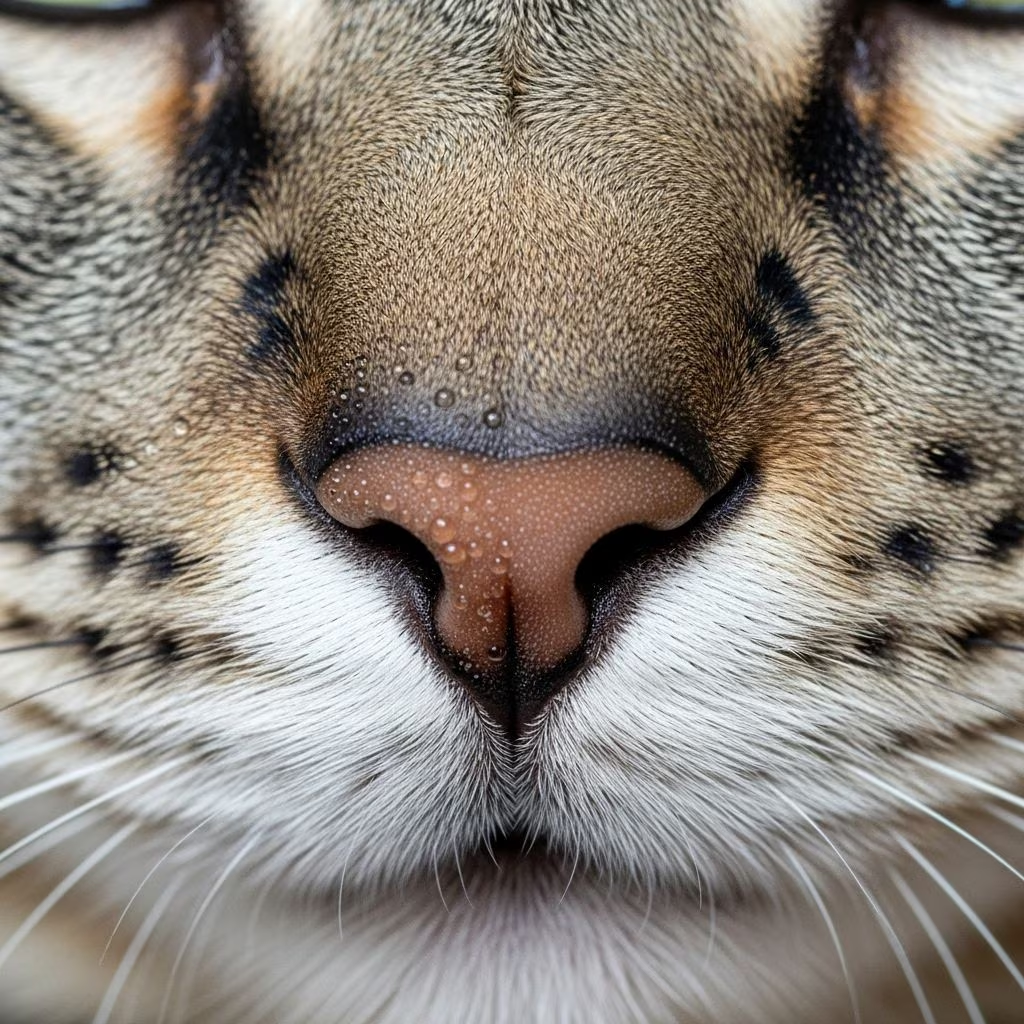
Should a Cat’s Nose Be Wet or Dry?
One of the most common questions pet owners ask is whether a cat’s nose should be wet or dry. Many people believe that a wet nose indicates good health, while a dry nose suggests illness or dehydration. However, the reality is more nuanced than this simple myth. Understanding what’s normal for your cat’s nose can help you identify genuine health concerns and avoid unnecessary worry about natural variations in nasal moisture.
The Truth About Cat Nose Moisture
Yes, the average cat has a moist nose, but this is not an important indicator of a pet’s general health by any stretch of the imagination. While many cats do have wet noses, the moistness level can vary significantly from cat to cat, and these variations are typically nothing to worry about. Some perfectly healthy cats naturally have drier noses, while others maintain consistently moist noses throughout the day.
It’s important to understand that a dry nose doesn’t automatically mean your cat is sick or dehydrated. In fact, veterinarians have treated cats with severe dehydration whose noses were as moist as can be. This demonstrates that the state of your cat’s nose is an unreliable indicator of their overall health status. Instead of fixating on whether the nose is wet or dry, focus on your cat’s overall behavior and other health indicators.
Why Are Cat Noses Typically Wet?
When a cat’s nose is wet, the moisture comes from a combination of secretions from different glands, including serous, lacrimal, and salivary glands. Additionally, nasal drainage and sneezing can contribute to nose moisture. The wetness on your cat’s nose serves several important functions for their health and sensory perception.
Enhanced Sense of Smell
One of the primary reasons cats have wet noses is to improve their already exceptional sense of smell. The moisture on a cat’s nose locks in scent particles, allowing them to smell even the faintest of scents. Scent particles stick to wet surfaces more easily than dry ones, giving wet noses a distinct advantage for smell detection. This enhanced olfactory capability is crucial for cats’ hunting abilities and their ability to navigate their environment.
Temperature Regulation
That wetness on your cat’s nose is mostly made up of sweat, which helps them stay cool. Cats don’t sweat all over their bodies like humans do, so their noses perform an important function when it comes to regulating body temperature. As moisture evaporates from the nose, it provides a cooling effect. Cats also sweat through their paw pads, which is why you might notice wet footprints on particularly hot days. Understanding this function helps explain why cats may have different nasal moisture levels depending on ambient temperature and environmental conditions.
Normal Causes of a Dry Cat Nose
Many perfectly natural circumstances can lead to a dry nose in cats. If your cat has a dry nose, it doesn’t necessarily indicate a problem. Consider these common benign reasons before becoming concerned:
Environmental Factors
Environmental conditions play a significant role in nasal moisture. Spending time near heat sources like sunny windowsills, radiators, or air vents can temporarily dry out your cat’s nose. Indoor heating during winter months and air conditioning in summer can also reduce ambient humidity, affecting your cat’s nasal moisture. If you notice your cat has a dry nose after napping in a sunny spot or near a heating vent, this is likely nothing to worry about. Simply moving your cat to a more temperate location should help restore moisture.
Natural Grooming Behaviors
Cats spend a significant portion of their day grooming themselves, and this includes licking their noses. Regular grooming habits can temporarily remove moisture from the nasal area. Additionally, cats often have drier noses while sleeping or resting, which is completely normal. When your cat wakes up, their nose may gradually return to its typical moisture level as natural secretions resume.
Age-Related Changes
Senior cats, even when perfectly healthy, tend to have drier noses than younger cats. This is a natural part of aging and doesn’t necessarily indicate an underlying health problem. If your older cat has always had a relatively dry nose and shows no other signs of illness, this variation is likely within the range of normal.
Individual Variation
It’s important to recognize that some perfectly healthy cats simply have naturally drier noses than others. Just as humans have different skin types and moisture levels, cats vary in their natural nasal moisture. If your cat has always had a drier nose and is otherwise healthy and active, this may simply be their normal baseline.
When a Dry Nose May Indicate a Problem
While many causes of dry noses are benign, persistent nasal dryness combined with other symptoms can indicate underlying health issues that warrant veterinary attention. The key is to watch for changes in your cat’s typical nasal condition and accompanying symptoms.
Dehydration
Dehydration can contribute to a dry nose, though as mentioned, it’s not a reliable indicator on its own. Cats don’t always drink as much water as their bodies need during the day. If you suspect dehydration, look for other signs. You can check for dehydration by examining your cat’s gums—dehydration often makes the gums look pale instead of pink. The scruff test offers another way to determine if dehydration is a problem. Gently pull up on the skin on the back of your cat’s neck. If your cat isn’t dehydrated, the skin will quickly snap back against the body. If it takes a few seconds for the skin to return to normal, your cat may be dehydrated.
Upper Respiratory Infections
Upper respiratory infections (URIs) are common health conditions in cats caused by a virus or bacteria. While these infections often cause runny noses rather than dry noses, they can present with dry nasal tissue as well. A URI typically accompanies other symptoms such as sneezing, coughing, fever, and lethargy. If your cat is experiencing a dry nose along with these symptoms, veterinary care is warranted. A simple URI will typically run its course on its own in about a week, but your veterinarian may prescribe medications to alleviate symptoms and make your cat more comfortable. If a bacterial infection is present, antibiotics may be necessary.
Allergies
Cats can suffer from allergies just like humans, and these can affect nasal moisture and comfort. Allergies may cause a dry nose or contribute to other nasal symptoms. If your cat has a history of allergies and develops a dry nose along with other allergy symptoms, consult your veterinarian about management options.
Autoimmune Conditions
Various autoimmune diseases can affect your cat’s nose and skin. Conditions such as the Pemphigus complex can cause crusty, dry patches of red skin on cats’ noses, ears, and faces. If you notice crusty, dry skin accompanied by redness or swelling, this warrants veterinary evaluation.
Sunburn and Light-Colored Noses
Cats with light-colored or pink noses are particularly susceptible to sunburn. Direct sun exposure can cause both sunburn and dryness, especially in these vulnerable cats. If your light-colored cat spends significant time in direct sunlight and develops a dry, red, or irritated nose, limit their sun exposure and consult your veterinarian.
Hyperkeratosis
Hyperkeratosis is a condition where excess keratin buildup occurs, potentially affecting nasal tissue. This condition can lead to crusty, dry patches and requires professional evaluation.
Warning Signs Requiring Veterinary Attention
Contact your veterinarian if your cat is experiencing any of the following symptoms in conjunction with nasal changes:
Crusty or Discolored Nasal Tissue
Crusty, dry skin on the nose, combined with redness or unusual discoloration, can indicate autoimmune disease or other serious conditions requiring professional diagnosis and treatment.
Nasal Discharge
A healthy cat’s nasal discharge is clear, which you may notice during occasional sneezing. However, constant runny nose and/or discolored mucus is cause for concern and can be an early sign of an upper respiratory infection or other conditions such as a mass, polyp, or foreign material in the nasal cavity. Excessive or colored discharge always warrants veterinary attention.
Nose Damage and Swelling
Injuries such as bumps and scratches often cause nose damage and swelling. These can result from accidents or altercations with other animals. Swelling can also result from tumors, polyps, or foreign objects, which a veterinarian can safely evaluate and remove if necessary.
Fever and Lethargy
If your cat has a dry nose and displays lethargic behavior, check their temperature. A dry nose combined with a fever often indicates an infection. Lethargy accompanied by other symptoms is a clear sign that professional medical evaluation is needed.
Changes in Nasal Appearance
If your cat’s nose has experienced a sudden change in the degree of wetness or appearance, and this change is unusual for your individual cat, this warrants attention. Pay particular attention to sudden changes rather than the absolute state of wetness or dryness.
Understanding Wet Noses and Illness
It’s important to note that a wet nose doesn’t always indicate perfect health. If your pet’s nose is suddenly very wet, an upper respiratory infection may be to blame. When cats catch a cold or other virus, they may experience runny noses just like people do. Additionally, a wet nose can coincide with or mask other health conditions, particularly respiratory infections or nasal growths.
A wet nose may be a concern if accompanied by one or more of the following symptoms: excessive nasal discharge, sneezing or coughing, weepy or tearing eyes, crusting near the nose, or an increase in licking at the nose area.
Prevention and Home Care for Nasal Health
There are several ways to help maintain your cat’s nasal health and prevent problems related to dry nasal tissue:
- Ensure constant access to fresh, clean water to support proper hydration
- Use a humidifier in dry environments, particularly during winter heating season
- Protect light-colored cats from excessive sun exposure by providing shaded resting areas
- Maintain regular veterinary check-ups to monitor overall health and catch potential issues early
- Keep your home free from irritating chemicals and excessive dust that could affect nasal health
- Maintain proper air circulation throughout your home
- Provide comfortable resting areas away from direct heat sources
When to Contact Your Veterinarian
The general rule is to consult with your veterinarian if you notice any significant change in your cat’s typical nasal condition, especially when accompanied by other symptoms. Your veterinarian can perform proper diagnostic tests and physical examinations to determine whether your cat’s nasal condition requires treatment or is simply a normal variation.
Remember that while a dry nose can be normal, it’s important to monitor your cat’s overall health and behavior. When in doubt, consulting with your veterinarian is always the safest course of action to ensure your feline friend stays healthy and comfortable.
Frequently Asked Questions
Q: Is a wet nose always a sign of a healthy cat?
A: No, a wet nose is not always indicative of perfect health. While many healthy cats have moist noses, a suddenly very wet nose can indicate an upper respiratory infection. The moisture level alone is not a reliable health indicator.
Q: My cat has a dry nose but seems perfectly healthy. Should I be concerned?
A: Not necessarily. Many healthy cats have naturally drier noses, particularly senior cats or those that have just woken up. As long as your cat shows no other signs of illness and their dry nose isn’t a sudden change from their normal condition, it’s typically nothing to worry about.
Q: How can I tell if my cat is dehydrated?
A: Check your cat’s gums—they should be pink. Pale gums may indicate dehydration. You can also perform the scruff test by gently pulling up the skin on the back of your cat’s neck. If the skin snaps back quickly, your cat is likely well-hydrated. If it takes several seconds to return to normal, dehydration may be present.
Q: What does discolored nasal discharge mean?
A: Discolored or excessive nasal discharge can indicate an upper respiratory infection, allergies, or other nasal conditions such as polyps or foreign objects. Any change from clear nasal secretions warrants veterinary evaluation.
Q: Can a cat’s nose be sunburned?
A: Yes, cats with light-colored or pink noses are particularly susceptible to sunburn from direct sun exposure. This can cause the nose to become dry, red, and irritated. Provide shaded resting areas for light-colored cats and limit their sun exposure.
Q: Should I use a humidifier if my cat has a dry nose?
A: A humidifier can help maintain proper humidity levels in your home, which may benefit your cat’s nasal health. This is particularly helpful during dry winter months when indoor heating reduces ambient humidity.
References
- Why Is My Cat’s Nose Dry? Complete Guide — PetsCare.com. 2024. https://www.petscare.com/news/post/why-is-my-cats-nose-dry
- Why is My Cat’s Nose Dry? Experts Answer — Purina US. 2024. https://www.purina.com/articles/cat/health/symptoms/cat-nose-dry
- Why Is My Cat’s Nose Dry? — ASPCA Pet Health Insurance. 2024. https://www.aspcapetinsurance.com/resources/why-is-my-cats-nose-dry/
- Reasons Why Your Cat’s Nose is Dry — Hill’s Pet Nutrition. 2024. https://www.hillspet.com/cat-care/healthcare/why-cats-nose-is-dry
- Does a Wet Nose Indicate a Healthy Pet? — Corydon Animal Hospital. 2019. https://www.corydonanimalhospital.ca/resources/blog/march-2019/does-a-wet-nose-indicate-a-healthy-pet
- What Does Your Cat’s Nose Tell You About Their Health — Eye Envy. 2024. https://www.eyeenvy.com/blog/what-does-your-cats-nose-tell-you-about-their-health/
- Why Is My Cat’s Nose Wet? — K&H Pet Products. 2024. https://khpet.com/blogs/cats/why-is-my-cats-nose-wet



