

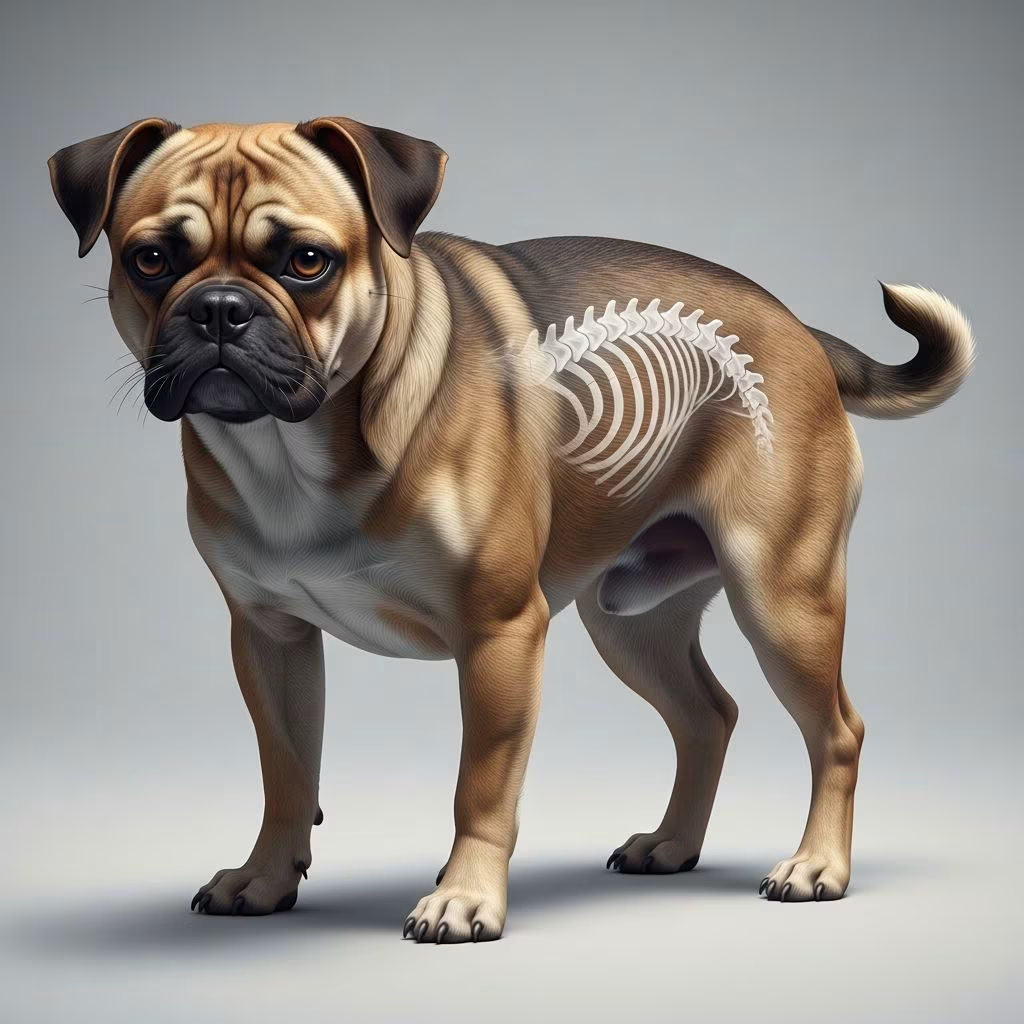
A rare congenital disorder known as **short spine syndrome** dramatically alters a dog’s skeletal structure, primarily by compressing and fusing the vertebrae along the spine. This condition results in a distinctive compact body form that sets affected dogs apart from their peers, often making them appear neckless with a pronounced hunchback.
The Anatomy Behind the Abnormality
In typical canine development, vertebrae form from cartilage that ossifies into sturdy bone, providing flexibility and support. Dogs with short spine syndrome experience a disruption in this ossification process, where cartilage persists and fails to harden properly. Consequently, vertebrae compress, fuse together, and reduce the overall spinal length significantly.
This malformation extends beyond mere shortening. The thoracic and lumbar regions often show the most dramatic changes, leading to fewer functional vertebrae and an altered rib count. The result is a barrel-shaped chest and a topline that slopes sharply downward toward the hindquarters.
Genetic Roots and Inheritance Patterns
**Short spine syndrome** stems from genetic mutations inherited in a recessive, polygenic manner. Offspring must receive mutated gene copies from both parents to express the condition, explaining its rarity—only a handful of cases documented worldwide.
Research points to potential involvement of genes like the FGF4 retrogene, previously linked to skeletal shortenings and intervertebral disc issues in certain breeds. While not conclusively proven for short spine syndrome, studies at institutions such as UC Davis Veterinary School continue to investigate these connections to enable future genetic screening for breeders.
| Genetic Factor | Description | Inheritance Type |
|---|---|---|
| Polygenic Mutations | Multiple genes interact to disrupt vertebral development | Recessive |
| FGF4 Retrogene | Suspected role in spinal compression and fusion | Recessive |
| Parental Carriers | Both parents carry one mutated copy without symptoms | Autosomal Recessive |
Historical observations suggest inbreeding may exacerbate risks, as closed breeding pools increase the likelihood of homozygous recessive traits.
Recognizing the Telltale Physical Signs
Puppies born with this syndrome display evident anomalies from an early age. Key indicators include:
- A pronounced hunchback or kyphotic curve in the spine
- Absence of a visible neck, with the head positioned close to the shoulders
- Steeply sloping backline descending toward the rear
- Barrel-chested conformation due to expanded ribcage and reduced rib numbers
- Shortened, kinked, spiraled, or absent tail
- Bowed limbs at knees and elbows, impacting gait
- Limited head rotation and occasional tilt
These features create a compact, almost spherical body profile, reducing agility compared to unaffected dogs. Owners might notice awkward movements, reluctance to turn the head fully, or challenges in reaching food bowls.
Potential Complications and Secondary Effects
While the core spinal defect does not inherently cause pain, associated issues can arise. Compressed structures may strain adjacent joints, muscles, and ligaments, potentially leading to:
- Muscle spasms or tension from compensatory postures
- Joint degeneration accelerating with age
- Altered gait increasing injury risk during activity
- Breathing difficulties if rib fusions limit chest expansion
Owners should monitor for sudden mobility loss, urinary irregularities, eating difficulties, or signs of distress, as these warrant immediate veterinary evaluation.
Diagnostic Approaches for Confirmation
Veterinarians diagnose short spine syndrome through a combination of physical exams and imaging. Initial assessments reveal the characteristic posture and skeletal proportions. Confirmatory tests include:
- X-rays to visualize vertebral fusion and compression
- CT or MRI scans for detailed 3D views of soft tissues and cartilage remnants
Early detection in puppyhood aids in tailoring management plans, ruling out similar conditions like scoliosis or dwarfism.
Daily Management and Lifestyle Adjustments
No cure exists for this genetic anomaly, so care focuses on enhancing quality of life. Essential strategies encompass:
- Supportive Bedding: Orthopedic foam beds to alleviate pressure on joints and spine during rest.
- Controlled Exercise: Low-impact activities like short leash walks to maintain muscle tone without overexertion.
- Ergonomic Feeding: Elevated bowls to minimize neck strain while eating or drinking.
- Weight Monitoring: Maintain lean body condition to reduce spinal load.
- Regular Vet Checkups: Monitor for secondary issues like arthritis or respiratory strain.
Many affected dogs lead fulfilling lives as companions, though high-energy pursuits like agility sports are inadvisable.
Breeding Implications and Ethical Considerations
Given its recessive nature, responsible breeding practices are crucial. Breeders should:
- Avoid mating known carriers once genetic tests become available.
- Prioritize health screenings over aesthetic traits in breeds prone to skeletal variations.
- Support research funding for gene identification.
Pet insurance can offset costs for diagnostics and supportive therapies, providing financial relief for lifelong care.
Ongoing Research and Future Prospects
Scientific efforts, including those at UC Davis and European veterinary clinics, aim to pinpoint exact genetic culprits. Advances in genomic sequencing promise tests to eradicate the condition from breeding lines, much like successes with other canine hereditary diseases.
Documented cases, though sparse, contribute valuable data. Global registries could accelerate progress by tracking prevalence and outcomes.
Frequently Asked Questions (FAQs)
Is short spine syndrome painful for dogs?
The primary condition itself is not painful, but secondary joint or muscle issues may cause discomfort if unmanaged.
Can short spine syndrome be prevented?
Prevention relies on genetic testing and avoiding carrier matings once markers are identified.
What breeds are most affected?
No specific breeds dominate reports, but it appears sporadically across various lines, possibly linked to inbreeding.
How long do dogs with this condition live?
With proper care, lifespan matches typical canine expectancy, often into senior years.
Is surgery an option for short spine syndrome?
Surgery is rare and reserved for severe secondary complications, not the spinal fusion itself.
Understanding **short spine syndrome** empowers owners to provide optimal support, turning potential challenges into manageable aspects of companionship.
References
- Short Spine Syndrome – Arndt Small Animal Clinic — Tierarzt Karlsruhe-Durlach. Accessed 2026. https://tierarzt-karlsruhe-durlach.de/en/short-spine-syndrome/
- Short Spine Syndrome in Dogs — Basepaws. Accessed 2026. https://basepaws.com/blog/short-spine-syndrome-in-dogs
- Short Spine Syndrome in Dogs — Great Pet Care. Accessed 2026. https://www.greatpetcare.com/dog-health/short-spine-syndrome-in-dogs/
- Dogs with Short Spine Syndrome: All You Need to Know — Petcube. Accessed 2026. https://petcube.com/blog/short-spine-syndrome-in-dogs/
- The Rare Condition That Gives Some Dogs Almost No Neck and a Shortened Spine — A-Z Animals. Accessed 2026. https://a-z-animals.com/articles/the-rare-condition-that-gives-some-dogs-almost-no-neck-and-a-shortened-spine/
- Does my dog have short spine syndrome? — Fetch Pet Insurance. Accessed 2026. https://www.fetchpet.com/the-dig/dogs-short-spine-syndrome



