

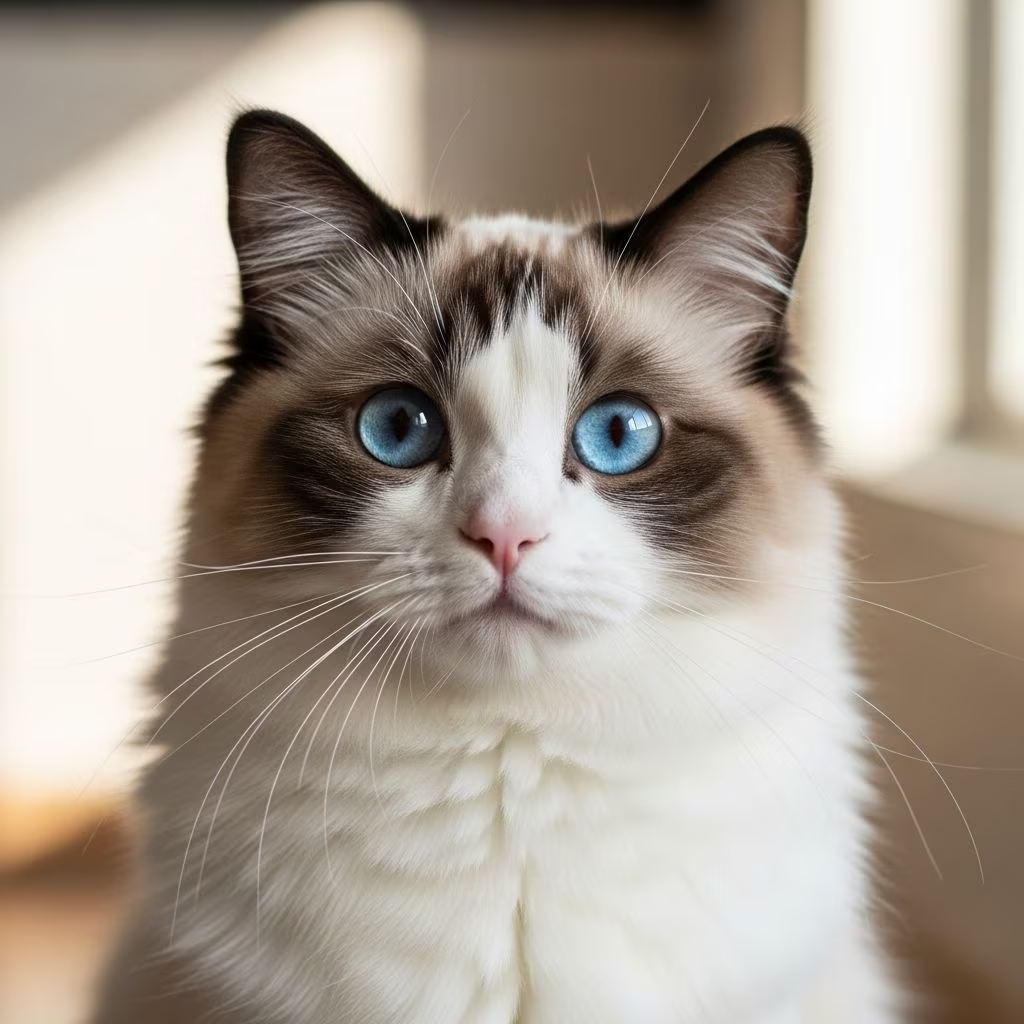
Short-haired Ragdoll cats offer the beloved personality of traditional Ragdolls in a more practical package. These felines retain the breed’s signature blue eyes and gentle demeanor while featuring a sleeker coat that demands less upkeep. Ideal for busy households or those wary of fur tumbleweeds, they combine elegance with ease.
Origins and Evolution of the Ragdoll Breed
The Ragdoll breed emerged in the 1960s in California, developed by breeder Ann Baker from a long-haired white cat named Josephine. Selective breeding emphasized docility, leading to the ‘ragdoll effect’ where cats relax completely when lifted. While standard Ragdolls boast semi-long, silky fur, variations including shorter coats have appeared through natural genetics or crosses, appealing to owners seeking low-maintenance traits without sacrificing charm.
Unlike pure long-haired lines, short-haired versions often stem from kittens born with denser, shorter guard hairs. These cats mature over 3-4 years, but their fur remains compact, resembling a plush velvet rather than flowing silk. This adaptation maintains the breed’s pointed color patterns—darker ears, face, paws, and tail against a lighter body—while reducing shedding.
Distinctive Physical Features
Short-haired Ragdolls mirror their long-haired counterparts in build: large, muscular bodies with rectangular frames, heavy boning, and substantial paws. They weigh 10-20 pounds, with males typically larger. Key traits include:
- Oval blue eyes: Vivid and expressive, a hallmark unchanged by coat length.
- Medium ears: Wide-set with rounded tips, framing a broad wedge-shaped head.
- Plumed tail: Bushy yet proportionate, adding to their graceful silhouette.
- Tufted paws: Round and sturdy, supporting their semi-long legs.
The coat varies in length from short on the face and shoulders to slightly longer on the flanks and tail, but overall minimal undercoat prevents matting. Colors follow traditional points: seal, blue, chocolate, lilac, with patterns like mitted, bicolor, or lynx.
| Feature | Short-Haired Ragdoll | Traditional Ragdoll |
|---|---|---|
| Coat Length | Short to medium, silky | Semi-long, flowing |
| Shedding | Low, seasonal | Moderate, spring peak |
| Grooming | Weekly brush | Daily to bi-weekly |
| Mat Resistance | High | Moderate |
Temperament: Dog-Like Loyalty in Feline Form
Ragdolls, regardless of coat, are renowned for affectionate, laid-back natures. They follow owners room-to-room, greet guests warmly, and flop limply when held—earning their name. Short-haired variants inherit this sociability, thriving in multi-pet homes or with children due to gentle playstyles.
These cats enjoy interactive toys like feather wands or puzzles, displaying intelligence without hyperactivity. They’re not aggressive, rarely scratching during play, and adapt to new routines effortlessly. Vocalizations are soft chirps rather than meows, suiting quiet households.
Care Essentials for Short-Haired Ragdolls
Grooming Simplified
Short-haired Ragdolls shine in maintenance. Brush weekly with a rubber mitt to distribute oils and capture loose hairs. Bathing is rare; their coat repels dirt naturally. Check ears monthly and trim nails bi-weekly. Dental care via brushing or treats prevents issues common in large breeds.
Nutrition and Health
Feed high-protein, wet food diets to support muscle mass. They mature slowly, so kitten formulas until age 3. Prone to hypertrophic cardiomyopathy (HCM), annual vet checks are vital. Obesity risks from sedentary lifestyles demand portion control and play.
- Daily calories: 250-350 for adults.
- Hydration: Encourage via fountains.
- Supplements: Omega-3s for coat health.
Environment Setup
Indoor living suits their trusting nature. Provide tall scratching posts, window perches, and climbing shelves. Interactive sessions prevent boredom. They’re clumsy jumpers, so low platforms minimize falls.
Short-Haired vs. Long-Haired: Pros and Cons
Short-haired Ragdolls appeal for practicality:
- Pros: Less shedding/allergens, easier grooming, cooler in warm climates.
- Cons: Less dramatic ruff/bib, potentially less insulation in cold.
Long-haired offer plush luxury but more commitment. Hybrids or variants bridge both, recognized variably by clubs like CFA for traditional standards.
Bringing Home Your Short-Haired Ragdoll
Adopt from reputable breeders verifying health clearances (HCM, PKD tests). Kittens start baldish, developing points by 2 years. Prepare with litter, bed, toys. Socialize early for optimal temperament.
Cost: $800-$2000, reflecting lineage. Lifespan: 12-17 years with care.
Common Myths Debunked
- Myth: They’re pain-insensitive. No, docility isn’t numbness; monitor for issues.
- Myth: All shed heavily. Short-haired minimize this.
- Myth: Not playful. They enjoy gentle games.
Frequently Asked Questions (FAQs)
Are short-haired Ragdolls purebred?
Often yes, from natural short-coat genes; confirm pedigrees.
Do they get along with dogs?
Excellent; dog-like themselves.
How often to groom?
Once weekly suffices.
Are they hypoallergenic?
Not fully, but low-shed helps.
Best for apartments?
Yes, adaptable indoors.
Why Choose a Short-Haired Ragdoll?
These cats deliver profound companionship with minimal fuss. Their serene presence calms homes, while playfulness delights all ages. For allergy concerns or time-strapped owners, they’re transformative.
References
- Ragdoll – The Cat Fanciers’ Association — CFA. 2023. https://cfa.org/breed/ragdoll/
- Decoding the Unique Personality Traits of Ragdoll Cats — Purebred Kitties. 2024-05-15. https://purebredkitties.com/blogs/ragdoll-cat/decoding-the-unique-personality-traits-of-ragdoll-cats
- The shorthair Ragdoll cat—facts and fiction separated — Untamed. 2024. https://untamed.com/blogs/cat-breeds/shorthair-ragdoll-cat
- Ragdoll Facts — Wisdom Panel. 2024. https://www.wisdompanel.com/en-us/cat-breeds/ragdoll
- Ragdoll — Wikipedia (primary sources referenced). 2024-01-20. https://en.wikipedia.org/wiki/Ragdoll



