Shope Papilloma Virus in Rabbits: Signs, Treatment & Prevention
Complete guide to understanding rabbit CRPV: causes, symptoms, treatment options, and prevention strategies.
What Is Shope Papilloma Virus?
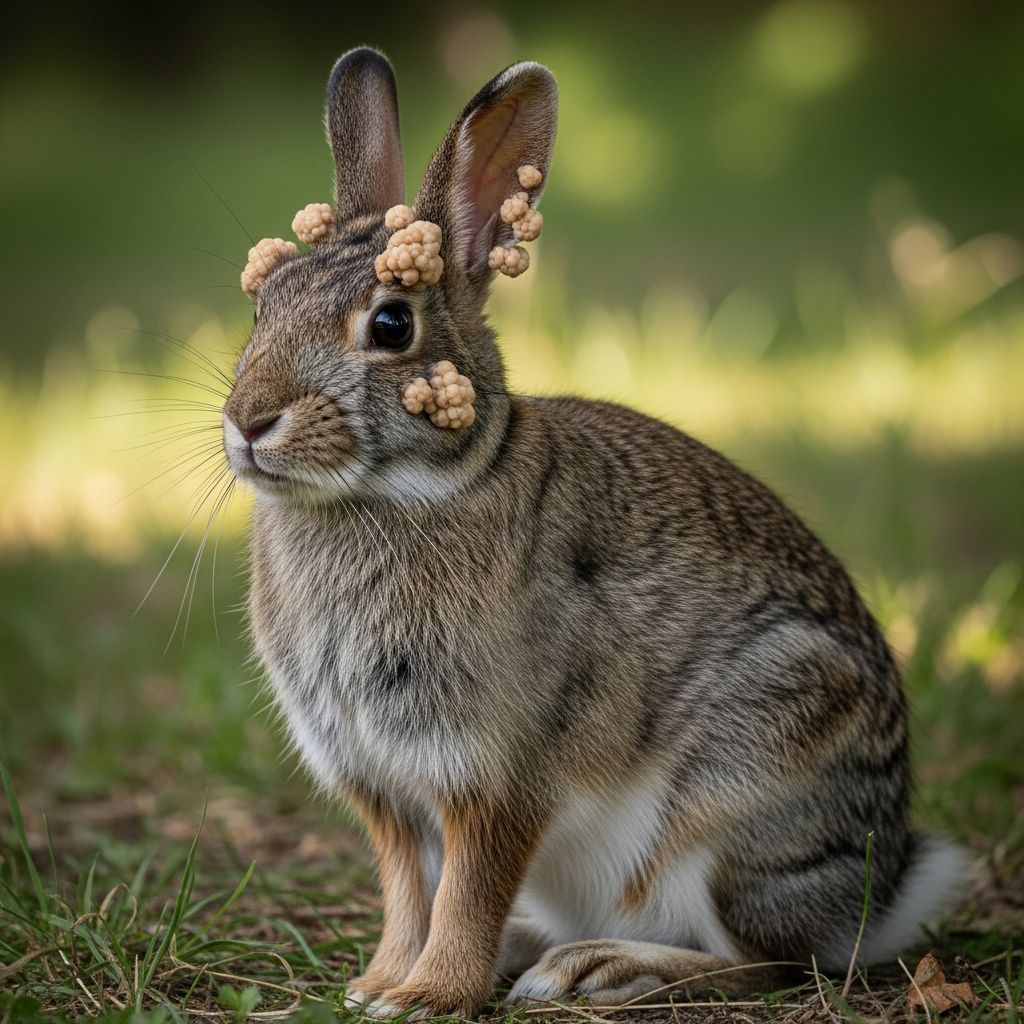
Shope papilloma virus, commonly referred to as CRPV (cottontail rabbit papilloma virus), is a rare but treatable viral condition that affects rabbits. This species-specific virus belongs to the Papillomaviridae family and causes the development of wart-like growths on a rabbit’s body. While the condition is uncommon in domestic rabbits, it is endemic in wild cottontail rabbits, where it typically remains benign. However, in pet rabbits, this virus can pose more serious health concerns and requires prompt veterinary attention.
The virus gets its name from Richard Shope, a pioneering virologist who first identified and studied this condition in the 1930s. His groundbreaking research established that the virus is species-specific to rabbits and cannot infect other animals or humans, making it safe for pet owners in terms of disease transmission. The good news for rabbit owners is that this condition is highly treatable when caught early, and veterinary intervention can prevent serious complications.
What Do Rabbit Warts Look Like?
Identifying the physical characteristics of rabbit warts is essential for early detection and treatment. CRPV lesions have distinctive features that differ from other skin conditions in rabbits.
Initial lesions appear as red, raised, and rough circular growths that are typically greater than 1 centimeter in length. These warts develop a characteristic appearance that becomes increasingly prominent over time. As the infection progresses, the lesions transform into keratinized, dark horn-like protrusions that can grow quite large and become visually striking.
The warts often have a verrucous or bumpy texture and can develop into substantial horn-shaped growths if left untreated. These horn-like projections can become large enough to impair your rabbit’s ability to eat or see properly, making early intervention particularly important.
Common Locations of CRPV Growths
While papillomas can appear on various parts of the rabbit’s body, they are most commonly found in specific locations:
– Eyelids and surrounding eye areas- Ears- Neck and shoulders- Muzzle and face- Head region- Occasionally on the feet
These growths are typically found on the upper half of the animal’s body, though they can occasionally appear on other areas. The location of the warts can significantly impact your rabbit’s quality of life, especially if growths develop around the eyes or mouth where they could interfere with vision or eating.
How Does Rabbit CRPV Spread?
Understanding transmission is crucial for preventing Shope papilloma virus in your rabbits. The virus spreads primarily through insect vectors, particularly mosquitoes and ticks.
Primary Transmission Methods
The virus is transmitted mainly through bites from infected insects, especially during warmer seasons when mosquitoes and ticks are most active. When an insect that carries the virus bites an uninfected rabbit, it can transmit the CRPV virus directly into the bloodstream through the bite wound. This is why outdoor rabbits or those with access to areas where wild rabbits roam face higher risk of infection.
Interestingly, while transmission between rabbits is considered high in terms of viral presence, the tumors themselves do not contain the infectious virus. This means that direct contact between rabbits with warts and healthy rabbits is not the primary transmission route—insect vectors remain the main concern.
Risk Factors for Infection
Certain situations increase your rabbit’s risk of exposure to CRPV:
– Outdoor housing or outdoor time without protection- Proximity to wild rabbits or their habitats- Feeding rabbits hay or vegetables from areas frequented by wild rabbits- High populations of mosquitoes and ticks in your region- Inadequate insect protection measures during warm months- Shared feeding areas or supplies with potentially infected rabbits
How Veterinarians Treat Rabbit CRPV
Proper diagnosis and treatment are essential for managing this condition and preventing progression to more serious complications.
Diagnostic Process
To accurately diagnose CRPV, your veterinarian will perform a thorough evaluation:
Your vet may recommend surgical or manual removal of the nodules, which are then sent to a pathologist for histopathological examination. During this process, sections of the tumor are evaluated under a microscope to determine whether the growths are benign or malignant, and to assess if they have transformed into squamous cell carcinomas. This diagnostic step is crucial because it determines the appropriate treatment approach and helps identify any signs of malignancy.
Treatment Options
Surgical Removal
Surgical excision is the most effective treatment for CRPV, as the nodules may become malignant and can metastasize to lymph nodes and the lungs. During surgery, your veterinarian will remove the visible warts, and histopathology will be performed to ensure complete removal and to assess for any malignant transformation. This surgical approach significantly reduces the risk of cancer development in your rabbit.
Conservative Management
While less common in domestic rabbits, some lesions may resolve spontaneously over time. However, because of the risk of malignant transformation (occurring in approximately 25-75% of cases in domestic rabbits), conservative monitoring without surgical intervention is generally not recommended for pet rabbits. Regular veterinary check-ups are essential to monitor lesion progression and detect any signs of malignant change.
Post-Surgery Recovery and Care
Proper aftercare following surgical removal is critical for your rabbit’s recovery:
Comfortable Recovery Space: Your rabbit should recover in a cozy environment with soft rabbit bedding. Avoid wood shavings, as these can irritate the surgical incision and cause infection.
Incision Monitoring: Monitor your rabbit’s incision site carefully for signs of swelling, discharge, odor, or other complications. Additionally, watch for signs of discomfort, changes in appetite, or changes in defecation patterns.
Infection Prevention: Your rabbit must not scratch the lesions, as scratching may cause bleeding and lead to infection. Your veterinarian will likely recommend a rabbit recovery cone (smaller than standard pet cones to fit properly on a rabbit’s neck) to prevent scratching.
Medication Management: Give all medications and topical products exactly as prescribed by your veterinarian, and follow all discharge instructions carefully.
Follow-Up Appointments: Routine follow-up exams are typically recommended to allow your veterinarian to monitor your rabbit’s progress and remove any recurring tumors before they become problematic.
Can I Catch Rabbit CRPV? Can Other Pets?
One of the most reassuring facts about Shope papilloma virus is its specificity. The virus is species-specific to rabbits and cannot infect humans or other pets. This means you can safely handle and care for your rabbit without concern about contracting the virus yourself. Other pets in your household, including dogs, cats, guinea pigs, and other animals, cannot catch CRPV from your infected rabbit.
However, while other species cannot contract the virus, it is important to prevent cross-contamination and isolate affected rabbits from wild animals and potential insect vectors. Additionally, practicing good hygiene when handling your rabbit is always a good practice for general health and safety.
Tips for Preventing Rabbit CRPV
Prevention is the best approach to protecting your rabbit from Shope papilloma virus. Several strategies can significantly reduce your rabbit’s risk of infection:
Insect Control and Protection
Protect from insect bites: Use mosquito screens on windows and enclosures, especially during warmer months. Consider using tick and flea prevention products recommended by your veterinarian, if appropriate for rabbits.
Environmental modifications: Keep your rabbit’s living area clean and free from standing water that attracts mosquitoes. Maintain proper ventilation and use screens to prevent insects from entering rabbit enclosures.
Wildlife Management
Limit wild rabbit access: Prevent wild rabbits from accessing areas where your domestic rabbits live or eat. Keep your rabbit’s hay and food sources secure and protected from contamination by wild animals.
Quarantine procedures: If introducing new rabbits to your household, quarantine them for an appropriate period until any potential lesions are ruled out.
General Health Practices
Regular veterinary check-ups: Schedule routine wellness exams with your veterinarian to catch any potential health issues early, including early signs of CRPV.
Dietary support: Provide a balanced diet rich in essential nutrients, as proper nutrition supports immune function and overall health.
Clean enclosures: Regularly clean and disinfect your rabbit’s living area to maintain a healthy environment.
Frequently Asked Questions About Shope Papilloma Virus in Rabbits
Q: Is Shope papilloma virus common in domestic rabbits?
A: No, CRPV is relatively rare in domestic rabbits. While it is endemic in wild cottontail rabbits, where it remains benign and self-limiting, domestic rabbits are less commonly affected. However, any rabbit can potentially contract the virus through insect bites, so awareness and prevention are important.
Q: Can rabbit warts disappear on their own?
A: Yes, some lesions may resolve spontaneously, particularly in wild rabbits. However, in domestic rabbits, the risk of malignant transformation is significant (25-75% risk), so veterinary evaluation and surgical removal are generally recommended rather than waiting for spontaneous resolution.
Q: How quickly does CRPV progress?
A: The progression rate varies between individual rabbits. Initial lesions appear as red, swollen areas and develop into visible wart-like growths over time. It is important to have any suspicious lesions evaluated by a veterinarian within six months of discovery to determine if treatment is necessary.
Q: What is the prognosis for rabbits with CRPV?
A: With prompt veterinary diagnosis and surgical treatment, the prognosis is generally good. Most rabbits recover well from surgery and can live normal, healthy lives. Regular monitoring for recurrence is important to catch any new growths early.
Q: Can CRPV recur after surgical removal?
A: Yes, tumors can occasionally recur at the surgical site or develop in new locations. This is why routine follow-up exams with your veterinarian are recommended. Early detection and removal of any recurring tumors is essential for maintaining your rabbit’s health.
Q: Are there any complications from CRPV in addition to malignant transformation?
A: Yes, depending on the location of the growths, complications can include impaired vision if warts develop on the eyelids, difficulty eating if they occur around the mouth or muzzle, and potential metastasis to lymph nodes, lungs, kidneys, and liver if the condition progresses to squamous cell carcinoma.
Q: Should I keep my rabbit with CRPV away from other rabbits?
A: While the virus is not directly transmissible through rabbit-to-rabbit contact (since the tumors themselves do not contain infectious virus), it is still wise to isolate affected rabbits to prevent potential insect-mediated transmission and to facilitate proper monitoring and care during recovery.
References
- Shope Papilloma Virus in Rabbits — PetMD. 2024. https://www.petmd.com/rabbit/conditions/viral/c_rb_shope_papilloma_virus
- Rabbit (Shope) Papilloma Virus — University of Missouri College of Veterinary Medicine. 2024. https://cvm.missouri.edu/diseases-of-research-animals-dora/rabbits/rabbit-shope-papilloma-virus/
- Viral Diseases of Rabbits — MSD Veterinary Manual. 2024. https://www.msdvetmanual.com/exotic-and-laboratory-animals/rabbits/viral-diseases-of-rabbits
- Rabbits with Horn-like Growths: What Pet Owners Should Know — Colorado State University College of Veterinary Medicine and Biomedical Sciences. 2024. https://cvmbs.source.colostate.edu/rabbits-with-horn-like-growths-what-pet-owners-should-know/
- Shope Papilloma Virus — Wikipedia. 2024. https://en.wikipedia.org/wiki/Shope_papilloma_virus
- Rabbit Shope Papilloma Virus: Vet Guide 2025 — AskAVet.com. 2025. https://askavet.com/blogs/news/rabbit-shope-papilloma-virus-vet-guide-2025-
Similar Articles








Read full bio of Sneha Tete