Mastering Shih Tzu Training: Complete Behavioral Guide
Transform your Shih Tzu into an obedient companion with proven training strategies
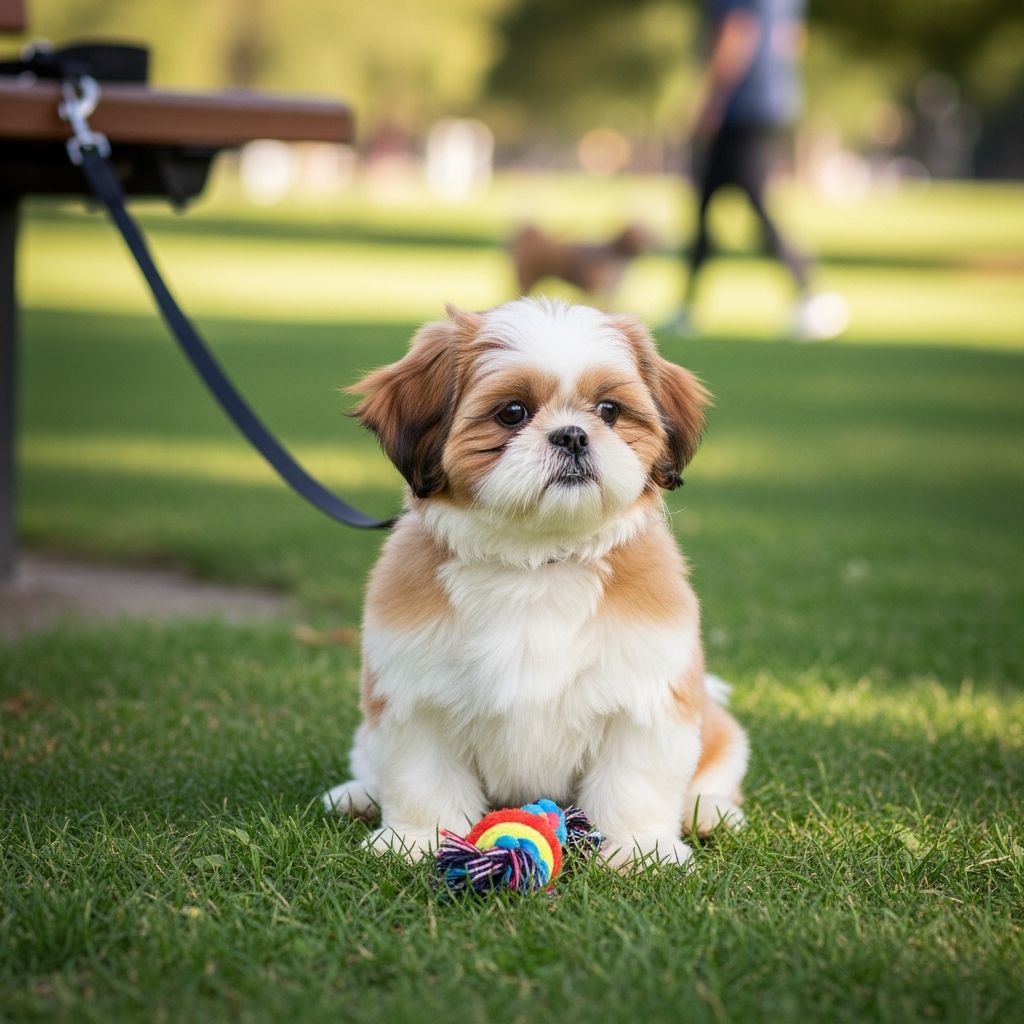
Shih Tzus are charming, affectionate companions known for their distinctive personalities and independent spirits. However, this breed’s confident nature can sometimes translate into training challenges that require patience, consistency, and the right approach. Understanding the unique temperament of Shih Tzus and employing evidence-based training methodologies will help you develop a well-behaved, confident dog that thrives in your household.
Understanding the Shih Tzu Temperament
The Shih Tzu breed, whose name translates to “Lion Dog,” possesses a personality that combines regal bearing with playful affection. These dogs are naturally sociable and tend to form strong bonds with their owners, though they may initially be reserved with strangers. Recognizing that Shih Tzus possess independent thinking and occasionally stubborn tendencies is crucial for developing an effective training strategy.
Unlike breeds bred for obedience-focused work, Shih Tzus were historically bred as companion animals for Chinese royalty. This heritage means they respond better to collaborative training approaches rather than authoritarian methods. Their intelligence is complemented by a strong desire for positive interaction with their owners, making reward-based training particularly effective.
Foundation Principles for Successful Training
Before implementing specific training techniques, establishing foundational principles creates the framework for long-term success. The most important concept is understanding that dogs operate through association and reward rather than language comprehension. Repeating commands verbally without demonstrating the desired behavior rarely produces lasting results.
The cornerstone of effective Shih Tzu training consists of several key elements:
- Positive reinforcement: Rewarding desired behaviors with treats, praise, or play encourages repetition of those behaviors
- Consistency: Applying the same rules and expectations across all family members and situations
- Short training sessions: Maintaining focus periods of 5-10 minutes prevents mental fatigue and maintains engagement
- Clear communication: Using specific commands paired with physical demonstrations rather than verbal repetition alone
- Patience: Recognizing that Shih Tzus learn on their own timeline without harsh corrections
A critical element often overlooked is the trainer’s emotional state. Maintaining a calm, positive demeanor during training sessions directly influences your dog’s willingness to participate. Research indicates that trainers who maintain a friendly tone and positive body language achieve better compliance rates than those employing dominance-based techniques.
Early Socialization and Handling
The first few months of a Shih Tzu’s life establish patterns that influence their behavior throughout adulthood. Socialization during the critical developmental period ensures your dog becomes comfortable in various environments and with different types of people and animals.
Gradual environmental exposure should begin in the home environment. Introducing puppies to various household sounds—from classical music to typical daily noises—builds confidence and reduces noise sensitivity. As puppies develop, exposing them to children, adults of various ages, and other animals creates a foundation of social confidence.
Handling is equally important to environmental exposure. Regular, gentle handling of ears, paws, mouth, and body helps Shih Tzus become comfortable with grooming, veterinary examinations, and general physical contact. Puppies that receive consistent handling develop trust and are less likely to exhibit defensive behaviors later in life.
Establishing Household Routines and Boundaries
Shih Tzus respond exceptionally well to structured routines. Unlike breeds that can adapt to varied schedules, this breed thrives when feeding, playtime, and elimination opportunities occur at predictable intervals. Creating a daily schedule that aligns with your dog’s natural rhythms accelerates the learning process.
Puppy-proofing your environment is equally essential. From a dog’s perspective, any item within reach is fair game. Examining your home from a low vantage point reveals potential hazards and inappropriate chewing targets. Removing accessible items and providing approved toys gives your Shih Tzu acceptable outlets for natural behaviors.
Early teething challenges can be managed through distraction rather than punishment. When you observe inappropriate chewing, removing the forbidden object and immediately offering an acceptable alternative teaches your dog where to direct this behavior. Providing appropriate chew toys, puzzle feeders, and rotating toys maintains engagement and prevents destructive patterns.
Housebreaking: The Foundation of Obedience
Successful housebreaking requires understanding the physiological limitations of developing puppies. Young Shih Tzus have limited bladder control and require frequent elimination opportunities throughout the day. A practical schedule involves taking your puppy outside immediately after waking, following meals, after play sessions, and before bedtime.
The foundation of housebreaking is recognizing that accidents are learning opportunities rather than failures requiring punishment. When accidents occur indoors, completely ignoring the behavior prevents creating negative associations with elimination in your presence. Conversely, when your puppy eliminates outside, immediate praise combined with a small treat creates a powerful positive association.
Establishing a specific command for elimination—such as “go potty”—creates communication clarity. Consistently using this phrase as your puppy eliminates and immediately rewarding successful outdoor elimination teaches your dog to associate the command with the desired behavior. Over time, you can direct your dog to eliminate on command.
Crate training accelerates housebreaking progress by leveraging a dog’s natural denning instinct. Dogs are reluctant to eliminate in their sleeping area, making appropriately-sized crates powerful training tools. Introducing your Shih Tzu to the crate as a positive, safe space through gradual acclimation makes this tool effective without creating anxiety.
Basic Obedience Commands
Before introducing advanced commands, solidifying foundation behaviors ensures compliance during real-world situations. Basic commands provide both practical utility and mental enrichment for your Shih Tzu.
Sit Command: This fundamental behavior forms the foundation for many advanced commands. Holding a treat at your dog’s nose and moving it upward naturally causes the hindquarters to lower into a sitting position. As your dog sits, immediately mark this behavior with a clicker sound (if using clicker training) and reward with the treat and verbal praise.
Stay Command: This command prevents impulsive behaviors and keeps your dog safe in potentially dangerous situations. Begin with short duration stays—initially just a few seconds—in a controlled environment. Gradually increase duration and introduce minor distractions as your dog demonstrates reliable performance.
Come Command: Reliable recall is essential for safety. Avoiding the repeated use of your dog’s name for calling purposes maintains this word’s power as an attention-getter. Instead, develop a specific recall command like “come” paired with positive associations. Begin in confined spaces, ensuring success through high-value rewards and enthusiasm.
Leave It Command: This command prevents your dog from consuming potentially harmful items. Starting with low-value items your dog is interested in, covering the item while saying “leave it,” and rewarding your dog’s disengagement creates the behavior pattern.
Advanced Training Techniques
Once your Shih Tzu demonstrates reliability with foundation commands, introducing additional behaviors maintains mental engagement and strengthens your relationship. Advanced techniques build on established patterns rather than introducing entirely new concepts.
Clicker training represents a scientifically-supported methodology that provides precise behavioral marking. A clicker is a mechanical device that makes a distinctive clicking sound at the exact moment your dog performs the desired behavior. This timing precision helps dogs understand exactly which action earned the reward, accelerating learning speed. The method works by establishing the clicker as a conditioned reinforcer—your dog learns that the click sound predicts an imminent reward.
Leash training should emphasize loose-leash walking rather than healing at heel. Begin leash training in familiar environments with minimal distractions. Using treats and frequent positional rewards creates positive associations with being on leash. Avoid allowing past negative experiences to color future training, as dogs carry emotional impressions through repeated associations.
Managing Challenging Behaviors
Even well-trained Shih Tzus occasionally exhibit behaviors their owners find undesirable. Addressing these behaviors early prevents them from becoming ingrained patterns that are significantly harder to modify later.
Excessive Barking: Shih Tzus bark to communicate excitement, alert others to perceived threats, or seek attention. Rather than punishing barking, redirect your dog’s attention to an alternative behavior. Rewarding quiet moments and engaging your dog in activities that redirect barking energy proves more effective than correction-based approaches.
Jumping on People: This attention-seeking behavior often becomes reinforced when people respond to jumping by giving the dog attention. Completely ignoring jumping behavior while rewarding all four feet remaining on the ground teaches your dog that standing calmly produces positive outcomes.
Resource Guarding: Some Shih Tzus exhibit possessive behaviors around food, toys, or other valued items. Addressing this behavior requires gradually teaching your dog that approaching hands near valued items predicts even better outcomes rather than loss. Professional guidance is advisable when resource guarding is severe.
Nutritional Considerations During Training
Training progression intersects significantly with nutritional management. Around seven months of age, transitioning from puppy-formulated food to adult dog nutrition supports appropriate growth. Selecting high-quality kibble over canned food prevents dental accumulation and maintains better overall health. Using training treats strategically ensures they represent small portions of daily caloric intake rather than becoming primary food sources.
Physical Exercise and Mental Enrichment
Shih Tzus require appropriate exercise levels tailored to their age and individual energy levels. Young puppies benefit from frequent short play sessions rather than extended exercise periods. As dogs mature, establishing consistent exercise routines supports physical health and reduces behavioral problems stemming from excess energy.
Mental enrichment through training, puzzle toys, and varied environments provides cognitive stimulation. Shih Tzus are intelligent dogs that thrive when their minds are engaged in learning and problem-solving activities.
Frequently Asked Questions
At what age should I begin formal training with my Shih Tzu?
Socialization and basic handling should begin immediately when puppies arrive home. Formal obedience training can commence at 8-12 weeks of age, though keeping sessions extremely short and play-focused during these early weeks maintains enthusiasm.
Why does my Shih Tzu seem stubborn during training?
Shih Tzus bred as companion animals developed independent thinking patterns. What appears as stubbornness often reflects your dog asking “what’s in it for me?” Ensuring rewards are sufficiently motivating and training remains positive typically resolves apparent stubborn behavior.
Can adult Shih Tzus be trained, or is it only for puppies?
Dogs of any age can learn new behaviors. Adult Shih Tzus may require more patience if they’ve developed established patterns, but the fundamental training principles remain unchanged.
How do I know if I should hire a professional trainer?
Professional guidance is advisable when dealing with serious behavioral issues, aggression, severe anxiety, or when your own training efforts have not produced results within reasonable timeframes.
References
- Training a Shih Tzu Puppy: Growth Timeline & Milestone — American Kennel Club. 2024. https://www.akc.org/expert-advice/training/how-to-train-a-shih-tzu-puppy-shih-tzu-puppy-training-timeline/
- Complete Shih Tzu Puppy Training Schedule (Age by Age) — YouTube. 2024. https://www.youtube.com/watch?v=x9Gy-b6Adhk
- Shih Tzu Training Tips — Oh My Shih Tzu. 2024. https://www.ohmyshihtzu.com/thursday-training-hop-3/
Similar Articles








Read full bio of Sneha Tete