

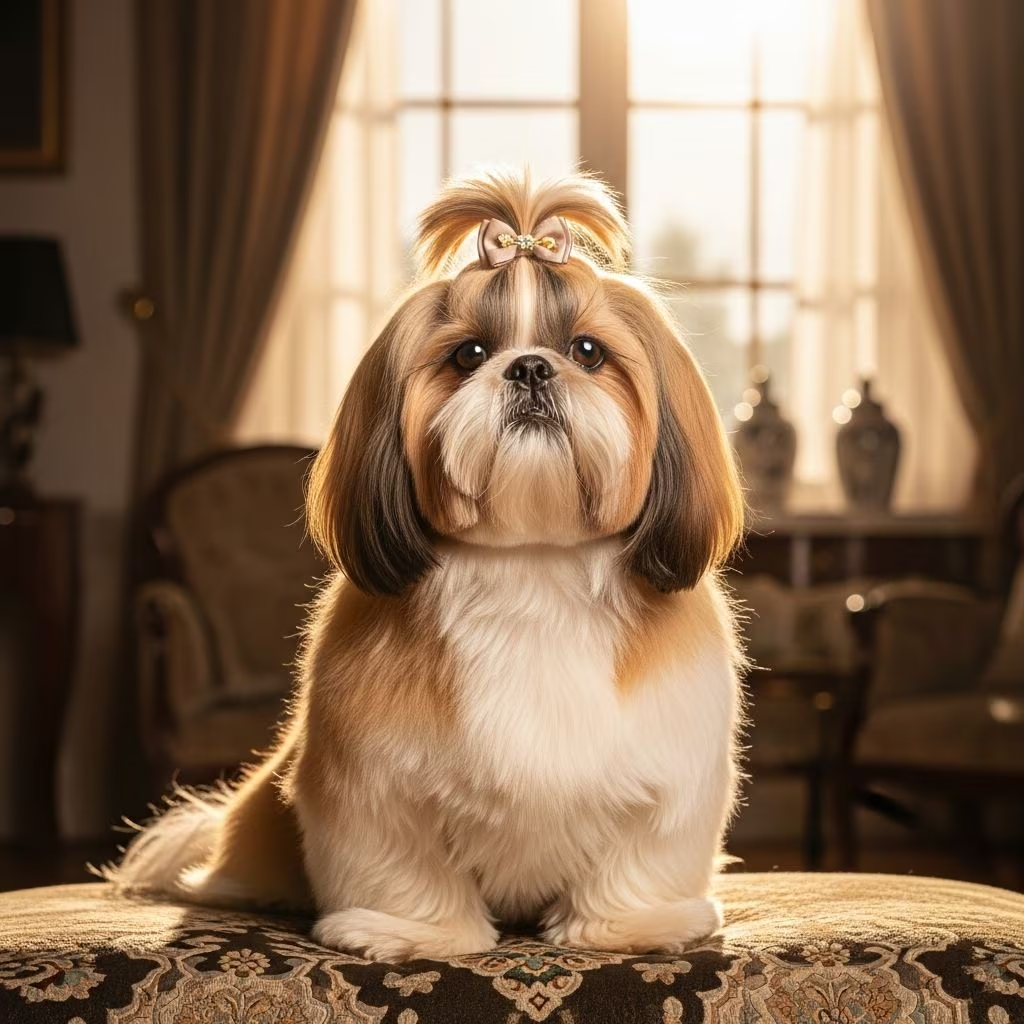
The Shih Tzu, often called the “Lion Dog,” boasts a legacy spanning over a millennium as a cherished companion to royalty and everyday pet lovers. This small, sturdy breed combines regal elegance with playful affection, making it an ideal choice for apartments and families seeking a devoted friend.
Ancient Roots and Royal Legacy
Shih Tzu origins trace back more than 1,000 years to the rugged terrains of Tibet, where they served as alert companions alongside larger guardian dogs. These small, shaggy canines warned of approaching dangers, earning them a place in domestic life before being gifted to Chinese royalty.
By the Tang Dynasty (618-907 A.D.) and Ming Dynasty (1368-1644 A.D.), Shih Tzu had become palace favorites, depicted in ancient art and documents as early as 624 A.D. Tibetan monks likely crossed them with breeds like the Lhasa Apso and Pekingese, refining their lion-like appearance symbolizing protection in Buddhist lore.
The Dowager Empress Cixi (1835-1908) elevated their status, overseeing selective breeding programs in the imperial court to preserve unique traits such as expressive eyes and flowing coats. Eunuchs competed to produce the finest specimens, rewarded handsomely for dogs that pleased the emperor.
Journey to the Western World
Shih Tzu remained exclusive to Chinese nobility until the early 20th century. In 1930, the first pairs arrived in Europe, including black-and-white dogs named Hibou and Shu-ssa brought to England by military personnel. These imports formed the foundation of Western bloodlines.
The Tibetan Lion Dog Club, later renamed the Shih Tzu Club in 1935, established the first breed standards. Despite wartime challenges, the breed thrived; by 1939, over 100 were registered in Britain, gaining a separate Kennel Club register in 1940.
Post-World War II, American soldiers introduced Shih Tzu to the U.S., leading to American Kennel Club (AKC) recognition in the Toy Group in 1969. Controversial crosses with Pekingese in the 1950s introduced shorter faces but widened gene pools, influencing modern pedigrees.
Physical Characteristics and Breed Standards
Shih Tzu stand 8-11 inches tall at the shoulder, weighing 9-16 pounds, with a compact, sturdy build. Their hallmark is a luxurious double coat: a harsh outer layer and soft undercoat in any color, often white with gray blazes.
Distinctive features include a broad head with “owl-like” or “lion-like” shapes, large dark eyes, floppy ears fringed with long hair, and a curled tail over the back. A slight underbite adds to their charming “frog mouth” expression.
| Feature | Description | AKC Standard Note |
|---|---|---|
| Height | 8-11 inches | Toy Group ideal |
| Weight | 9-16 lbs | Balanced proportions |
| Coat | Long, flowing, double | No parting down back |
| Face | Slight underbite, expressive eyes | Short muzzle preferred |
Temperament: Affectionate and Confident
Shih Tzu exude confidence and dignity, often displaying an arrogant yet elegant demeanor suited to lap luxury. As companions, they crave human interaction, forming deep bonds with families while remaining outgoing toward strangers.
- Loyal and Loving: Thrives on attention; ideal for cuddle sessions.
- Playful yet Calm: Energetic in bursts but content lounging.
- Alert Watchdog: Barks to announce visitors, true to ancestral roots.
- Family-Friendly: Good with older children; supervise around toddlers due to fragility.
Early socialization prevents excessive shyness or jealousy, especially toward new babies. Their trusting nature makes them poor guard dogs but excellent therapy pets.
Grooming Essentials for the Luxurious Coat
The Shih Tzu’s opulent coat demands daily maintenance to prevent mats. Brush with a slicker brush and comb, focusing on face furnishings and paws.
- Bath every 3-4 weeks with gentle shampoo.
- Trim feet, sanitary areas, and ears monthly.
- Many owners opt for “puppy cuts” for easier care.
- Clean facial folds daily to avoid infections.
Professional grooming every 6-8 weeks keeps them show-ready. Regular ear cleaning and nail trims are vital.
Training and Exercise Needs
Intelligent yet independent, Shih Tzu respond best to positive reinforcement like treats and praise. Short, fun sessions build house manners and basic commands.
- Housebreaking: Use crate training; they dislike soiling their space.
- Socialization: Expose to varied environments early.
- Exercise: 20-30 minutes daily walks plus indoor play suffice for their low-energy profile.
Avoid harsh corrections; their sensitive nature can lead to stubbornness. Agility or obedience classes enhance mental stimulation.
Nutrition and Daily Feeding Guide
Feed high-quality, small-breed formulas rich in protein for coat health. Puppies need 3-4 meals daily; adults twice.
| Life Stage | Daily Calories | Meal Frequency |
|---|---|---|
| Puppy (2-12 months) | 300-500 | 3-4 times |
| Adult | 250-400 | 2 times |
| Senior | 200-300 | 2 times |
Monitor weight to prevent obesity; fresh water always available.
Health Considerations and Lifespan
Shih Tzu live 10-18 years with proper care. Common issues include brachycephalic concerns like breathing difficulties, dental problems, and eye conditions.
- Patellar Luxation: Kneecap displacement; manageable with surgery if severe.
- Renal Dysplasia: Kidney malformation; genetic screening recommended.
- Allergies: Skin irritations from food or environment.
Annual vet checkups, dental cleanings, and heartworm prevention are essential. Choose breeders with health-tested parents.
Shih Tzu as Family Pets: Pros and Cons
| Pros | Cons |
|---|---|
| Affectionate and adaptable | High grooming commitment |
| Low exercise needs | Potential health issues |
| Great with seniors/singles | Can bark excessively |
| Hypoallergenic coat | Sheds moderately |
Perfect for apartments but not ideal for very active households or those unable to groom regularly.
Bringing Home Your Shih Tzu: Puppy Checklist
- Health records and pedigree papers.
- Collar, leash, ID tags.
- High-quality food bowls and bed.
- Grooming tools: brush, comb, clippers.
- Crates, toys, and treats for training.
- Vet-approved flea/tick preventives.
Frequently Asked Questions (FAQs)
Are Shih Tzu good for first-time owners?
Yes, their adaptable nature and moderate trainability suit beginners willing to commit to grooming.
Do Shih Tzu shed a lot?
They shed moderately but regular brushing minimizes loose hair around the home.
How often should I groom a Shih Tzu?
Daily brushing; baths every 3-4 weeks and professional trims every 6-8 weeks.
Are Shih Tzu hypoallergenic?
Not fully, but their low-shedding coat produces less dander than many breeds.
What’s the average lifespan of a Shih Tzu?
10-18 years with diligent care and veterinary attention.
References
- Breed History – Shih Tzu Club UK — Shih Tzu Club UK. Accessed 2026. https://www.theshihtzuclub.co.uk/shih-tzu/breed-history
- Shih Tzu History: From Royal Dogs to Beloved Companions — American Kennel Club (AKC). Accessed 2026. https://www.akc.org/expert-advice/dog-breeds/shih-tzu-history/
- Shih Tzu Breed Info | Best Food, Training, Grooming — Bil-Jac. Accessed 2026. https://www.bil-jac.com/breed-library/shih-tzu/
- Shih Tzu — Wikipedia (informed background). Accessed 2026. https://en.wikipedia.org/wiki/Shih_Tzu
- Shih Tzu Breed Guide: Characteristics, History & Care — Pawlicy Advisor. Accessed 2026. https://www.pawlicy.com/blog/shih-tzu-dog-breed/



