

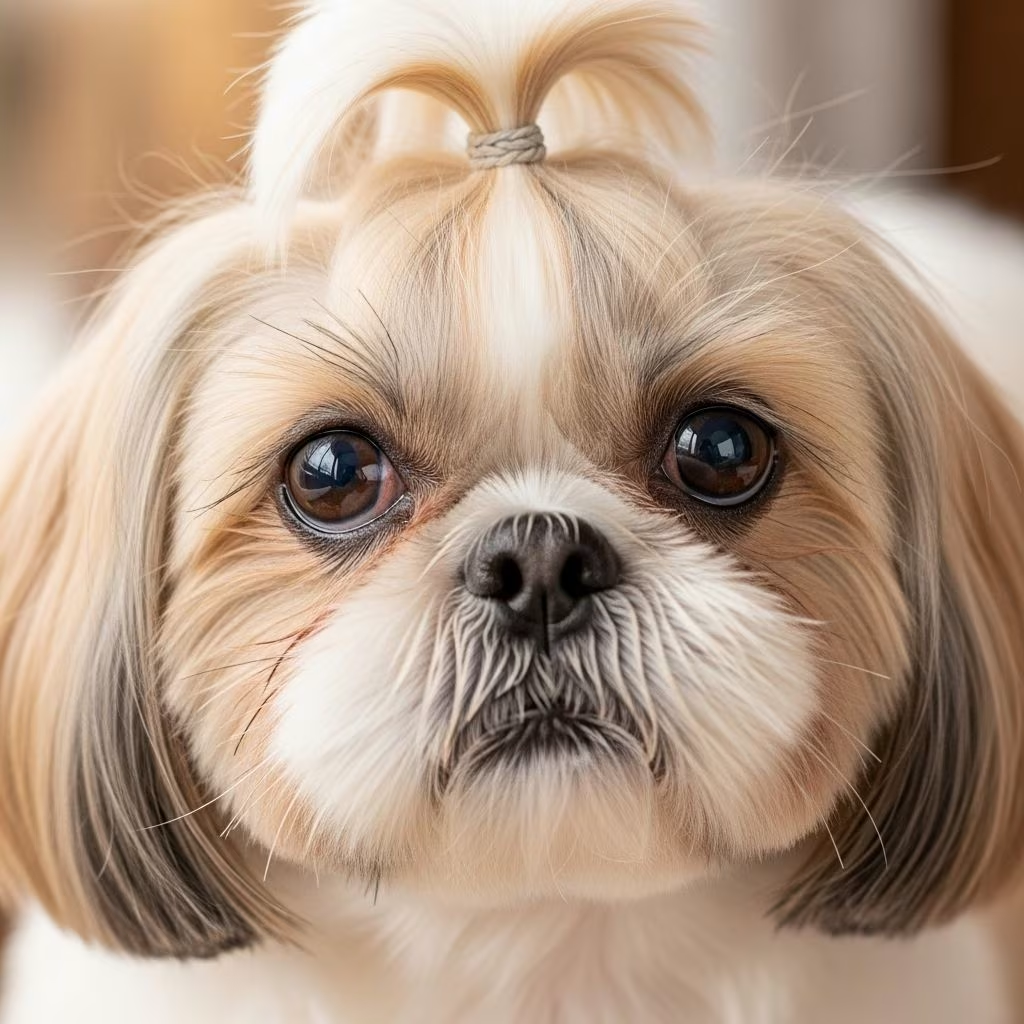
Shih Tzu dogs, beloved for their affectionate nature and distinctive flat faces, are prone to a range of eye conditions stemming from their brachycephalic structure. These issues can range from mild irritations to vision-threatening problems if not addressed promptly. Understanding the anatomy behind these vulnerabilities—such as prominent eyes, shallow sockets, and short muzzles—helps owners protect their pets effectively.
Why Shih Tzus Face Heightened Eye Risks
The breed’s facial conformation plays a central role in ocular vulnerabilities. With large, bulging eyes set in shallow orbits, Shih Tzus experience reduced natural protection from eyelids and surrounding tissues. This setup promotes exposure to environmental irritants, poor tear distribution, and mechanical trauma. Studies highlight that anatomical features like wide palpebral fissures and incomplete eyelid closure (lagophthalmos) affect over 80% of Shih Tzus, leading to chronic surface irritation. Genetic predispositions further compound these risks, making regular monitoring essential.
Prevalent Eye Conditions in Shih Tzus
Several disorders dominate in this breed, often linked to inheritance or conformational flaws. Early detection through routine checks can prevent progression.
Infections and Conjunctivitis
Bacterial, viral, or fungal agents frequently invade due to debris accumulation under prominent eyes. Symptoms include discharge (yellow, green, or red), swelling, redness, and squinting. Conjunctivitis, or pink eye, inflames the conjunctiva, often from allergens or foreign bodies. In Shih Tzus, shallow sockets trap particles, escalating risks. Veterinary intervention with antibiotic drops or ointments resolves most cases swiftly.
Corneal Ulcers and Keratitis
These painful abrasions occur from scratches by paws, wind, or hair. Shallow sockets heighten exposure, while chronic keratitis involves persistent inflammation and pigmentation. Ulcers demand immediate care to avert deepening or infection. Fluorescein staining confirms diagnosis; treatments range from ointments to surgery for non-healing cases.
Entropion and Eyelid Abnormalities
Entropion rolls eyelids inward, allowing lashes to abrade the cornea—a near-universal issue in Shih Tzus with medial lower lid involvement. Ectropion, the outward flip, exposes the eye to drying. Both cause pain, ulcers, and infections. Surgical correction, like canthoplasty, offers lasting relief.
Dry Eye and Tear Film Instability
Reduced tear production or rapid evaporation plagues brachycephalics. Tests show low Schirmer tear test values and short breakup times in Shih Tzus, correlating with age and exposure. Symptoms: dull corneas, thick discharge, and rubbing. Lifelong lubricants and cyclosporine drops manage it effectively.
Cataracts and Retinal Disorders
Lens opacity from cataracts impairs vision, progressing to blindness if bilateral. Inherited retinal issues like progressive atrophy and detachments threaten sight. Regular exams detect early changes; surgery removes cataracts in select cases.
Other Concerns: Cherry Eye and Epiphora
Prolapsed third eyelid glands (cherry eye) expose tissue, risking dryness. Excessive tearing (epiphora) stems from blocked ducts or irritations, staining fur. Tacking or replacement surgeries address prolapse.
Symptoms Requiring Urgent Attention
- Redness, swelling, or cloudiness in eyes
- Thick, colored discharge or constant tearing
- Squinting, pawing, or light sensitivity
- Visible third eyelid or color changes
- Opacities, pigmentation, or vision loss signs like bumping objects
Any of these warrant a vet visit within 24 hours to prevent complications like glaucoma or blindness.
Diagnostic Approaches for Shih Tzu Eyes
Vets employ comprehensive exams: tonometry for pressure, Schirmer tests for tears, fluorescein for ulcers, and tear breakup assessments. In Shih Tzus, studies report average intraocular pressure at 17.9 mmHg, blink rates of 2.4/min, and high lagophthalmos prevalence. These baselines guide breed-specific care.
| Test | Shih Tzu Average | Significance |
|---|---|---|
| Intraocular Pressure (IOP) | 17.9 ± 3.7 mmHg | Monitors glaucoma risk |
| Blink Rate | 2.4 ± 1.4/min | Indicates exposure issues |
| Palpebral Fissure Length | 23.8 ± 1.8 mm | Wider in males; promotes lagophthalmos |
| Tear Film Breakup Time | Decreases with age | Signals dry eye |
Treatment Strategies
Options vary by condition:
- Medications: Antibiotics, anti-inflammatories, lubricants for infections/ulcers/dry eye.
- Surgery: Eyelid tucks for entropion, gland replacement for cherry eye, ulcer debridement.
- Supportive Care: Cleaning, pain relief, cone collars to prevent rubbing.
Prognosis excels with prompt action; delays risk scarring or vision loss.
Preventive Measures for Optimal Eye Health
Daily vigilance curbs issues:
- Trim facial hair to avoid corneal contact.
- Clean eyes gently with saline or vet wipes.
- Use lubricating drops prophylactically, especially outdoors.
- Annual ophthalmic exams, more for pups/seniors.
- Protect from wind/dust with goggles during play.
- Maintain ideal weight to reduce facial folds.
Breeders should screen for heritable traits via genetic counseling.
When to Seek Veterinary Help
Never self-medicate eyes—human products can worsen damage. Board-certified veterinary ophthalmologists handle complex cases. Emergency signs: acute pain, rapid vision decline, or prolapse.
FAQs
Can Shih Tzu eye problems be cured completely?
Many, like infections and ulcers, resolve fully with treatment. Structural issues often need surgery for management, not always full cure.
Are Shih Tzu eye issues genetic?
Yes, entropion, keratitis, and retinal atrophy have genetic links; conformational breeding exacerbates them.
How often should I check my Shih Tzu’s eyes?
Daily for cleaning, monthly for abnormalities, and yearly vet exams.
What home remedies help Shih Tzu dry eye?
Only vet-approved lubricants; avoid teas or unverified drops.
Do all Shih Tzus get eye ulcers?
No, but their anatomy raises risk—prevention is key.
Long-Term Management and Breed Outlook
With proactive care, Shih Tzus thrive despite predispositions. Owners report improved quality of life post-interventions like canthoplasty. Educating on brachycephalic ocular syndrome fosters healthier breeding. By integrating routine care, diagnostics, and interventions, vision preservation becomes achievable.
References
- Common ocular problems of Shih Tzu dogs — National Center for Biotechnology Information (PMC). 1982-01-01. https://pmc.ncbi.nlm.nih.gov/articles/PMC1481255/
- A Few Shih Tzu Health Concerns — Pedigree. Accessed 2026. https://www.pedigree.com/dog-care-articles/few-shih-tzu-health-concerns
- An eye on the Shih Tzu dog: Ophthalmic examination findings — Wiley Online Library. 2022-09-03. https://onlinelibrary.wiley.com/doi/10.1111/vop.13022
- 22 Common Dog Eye Problems — PetMD. Accessed 2026. https://www.petmd.com/dog/general-health/evr_dg_eye_problems_in_dogs



