

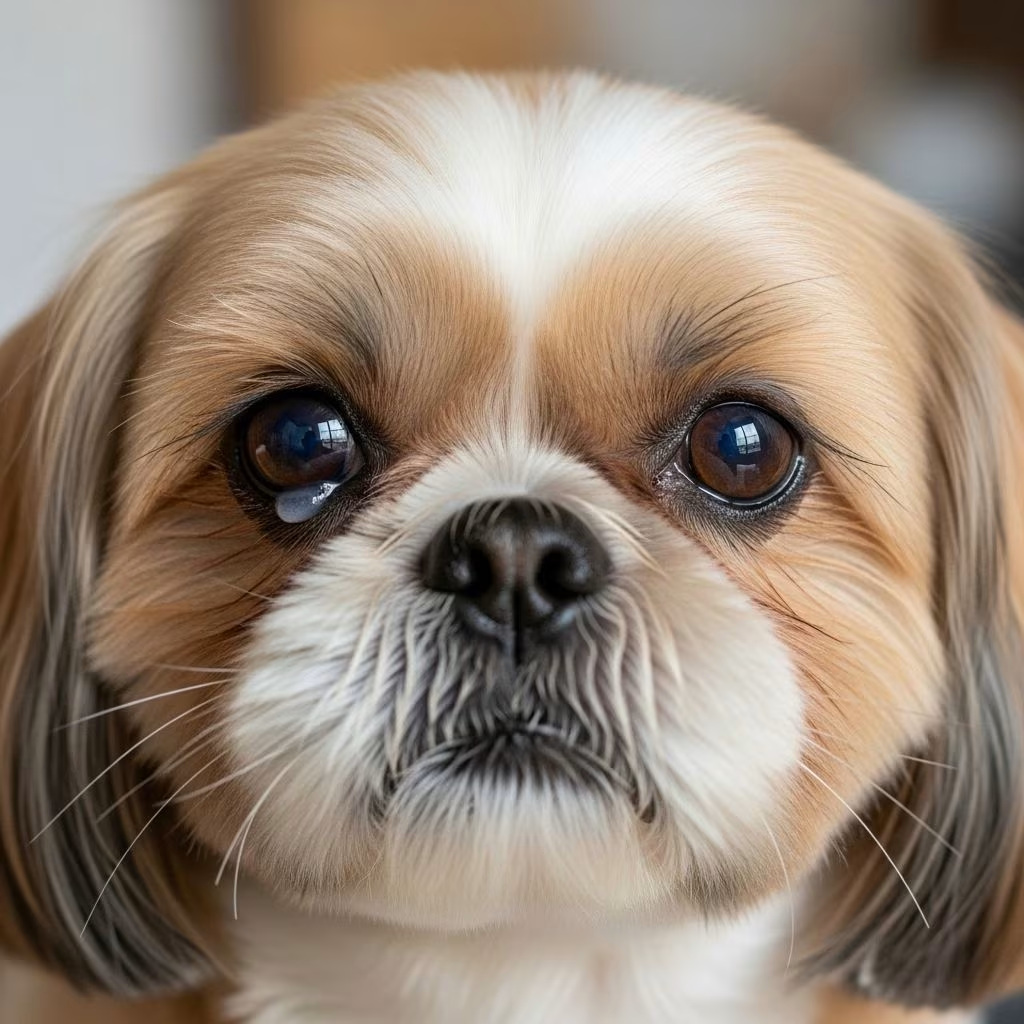
Shih Tzus, with their distinctive flat faces and prominent eyes, often deal with eye discharge as a routine issue. This condition stems from their brachycephalic structure, which makes eyes more exposed and prone to irritation. Understanding the varieties, triggers, and solutions helps owners maintain their pet’s comfort and vision.
Understanding Types of Eye Discharge in Shih Tzus
Dogs produce tears to protect and lubricate their eyes, but in Shih Tzus, excess or altered discharge signals potential problems. Normal discharge appears as mild crusting from dust or debris clearance. Excessive amounts or color changes demand attention.
- Clear or watery discharge: Often harmless, flushing irritants; excess may indicate allergies or blockages.
- White or gray mucus: Suggests dry eye (keratoconjunctivitis sicca or KCS), where tear glands fail, risking ulcers and blindness if ignored.
- Yellow or green pus: Points to bacterial infection, requiring urgent antibiotics.
- Rusty or brown staining: From porphyrins in tears oxidizing on fur, common but signals overproduction.
These distinctions guide whether home care suffices or veterinary intervention is needed.
Common Symptoms to Watch For
Spotting eye issues early prevents escalation. Shih Tzus show visible cues around their large, expressive eyes.
- Wet fur under eyes with persistent dampness.
- Tear staining, reddish-brown marks from tear overflow.
- Crusting or matting of facial hair near eyes.
- Squinting, pawing at face, or redness.
- Cloudy cornea or visible third eyelid in severe cases.
If discharge thickens, changes color, or pairs with behavioral shifts like lethargy, seek professional care promptly.
Primary Causes Behind Shih Tzu Eye Issues
Shih Tzus’ genetics and anatomy predispose them to ocular troubles. Shallow sockets and large lids expose eyes to trauma and poor drainage.
| Cause | Description | Shih Tzu Risk Factors |
|---|---|---|
| Brachycephalic Ocular Syndrome | Flat face leads to shallow orbits, lagophthalmos (incomplete lid closure). | High; breed trait. |
| Dry Eye (KCS) | Immune destruction of tear glands reduces aqueous tears. | Common before age 4, progressive. |
| Blocked Tear Ducts | Nasolacrimal ducts clog, causing overflow. | Frequent in short-nosed breeds. |
| Corneal Ulcers/Abrasions | Scratches from debris or lids expose surface. | Protruding eyes vulnerable. |
| Conjunctivitis | Inflammation from bacteria, viruses, allergies. | Contagious forms spread easily. |
| Eyelid Abnormalities | Entropion (in-rolling lids), distichia (extra lashes), cherry eye (gland prolapse). | Genetic predisposition. |
| Glaucoma/Uveitis | Increased pressure or inner eye inflammation. | Can lead to sudden blindness. |
Allergies exacerbate many cases, while infections thrive in unclean environments.
Daily Home Care Routines
Preventive grooming keeps eyes healthy. Start with gentle cleaning.
- Clean daily: Use saline solution or vet-approved wipes on a soft cloth. Wipe from inner to outer eye corner, avoiding rubbing.
- Trim facial hair: Style long fur away from eyes; avoid short stubs that poke.
- Artificial tears: Apply preservative-free drops 4-6 times daily for lubrication, especially KCS suspects.
- Diet tweaks: Omega-3 supplements reduce inflammation; hypoallergenic food curbs allergies.
- Environment control: Dust-free home, no smoke, pollen filters.
Avoid human products like baby shampoo, which irritate canine eyes.
Veterinary Diagnosis and Treatment Options
Vets use Schirmer tear tests for KCS (measures tear production), fluorescein staining for ulcers, and tonometry for glaucoma pressure. Treatments target root causes.
- For infections: Antibiotic drops/ointments clear bacterial conjunctivitis in 1-3 weeks.
- Dry eye management: Cyclosporine or tacrolimus ointments suppress immunity; lifelong use often needed.
- Surgical fixes: Tacking cherry eye, correcting entropion, or parotid duct transposition for refractory KCS.
- Pain relief: Anti-inflammatories for ulcers; strict hygiene prevents recurrence.
Follow-up exams ensure resolution; untreated issues progress to scarring or vision loss.
Preventive Measures for Long-Term Eye Health
Proactive steps minimize risks. Annual vet eye exams catch issues early. Genetic screening for breeders reduces hereditary defects.
- Breed selection: Choose lines with clean eye histories.
- Grooming schedule: Professional trims every 4-6 weeks.
- Health monitoring: Track discharge patterns in a journal.
- Vaccinations: Prevent viral triggers like distemper.
Balanced nutrition supports tear film; avoid overfeeding to prevent facial folds trapping debris.
Frequently Asked Questions (FAQs)
Is eye discharge normal in Shih Tzus?
Mild crusting yes, but colored or excessive no—investigate promptly.
How do I clean my Shih Tzu’s eye stains?
Daily damp cloth wipes with saline; enzymatic cleaners for rust. Vet advice for persistence.
Can dry eye be cured?
Managed lifelong with meds; surgery rare. Early treatment preserves sight.
When is eye discharge an emergency?
Green/yellow pus, squinting, cloudiness, or trauma—see vet same day.
Do allergies cause Shih Tzu eye problems?
Yes, environmental triggers increase tearing; antihistamines help under vet guidance.
Conclusion: Prioritizing Your Shih Tzu’s Vision
Vigilance turns common Shih Tzu eye woes into manageable care. Consistent routines and timely vet visits ensure bright, healthy eyes for years. Consult professionals for tailored plans.
References
- Shih Tzu Eye Discharge: Vet-Reviewed Causes, Signs & Care — Dogster. 2023. https://www.dogster.com/dog-health-care/shih-tzu-eye-discharge
- Shih Tzu – Keratoconjunctivitis Sicca — UFAW (Universities Federation for Animal Welfare). 2022. https://www.ufaw.org.uk/dogs/shih-tzu-keratoconjunctivitis-sicca
- Dog Eye Discharge Causes and Treatments — WebMD Pets. 2024. https://www.webmd.com/pets/dogs/dog-discharge-from-eye
- 5 Types of Dog Eye Discharge and When To Go to the Vet — PetMD. 2025. https://www.petmd.com/dog/general-health/dog-eye-discharge
- What’s Causing My Dog’s Eye ‘Goop?’ — Shih Tzu Club. 2023. https://shihtzu.org/?q=eye_goop



