

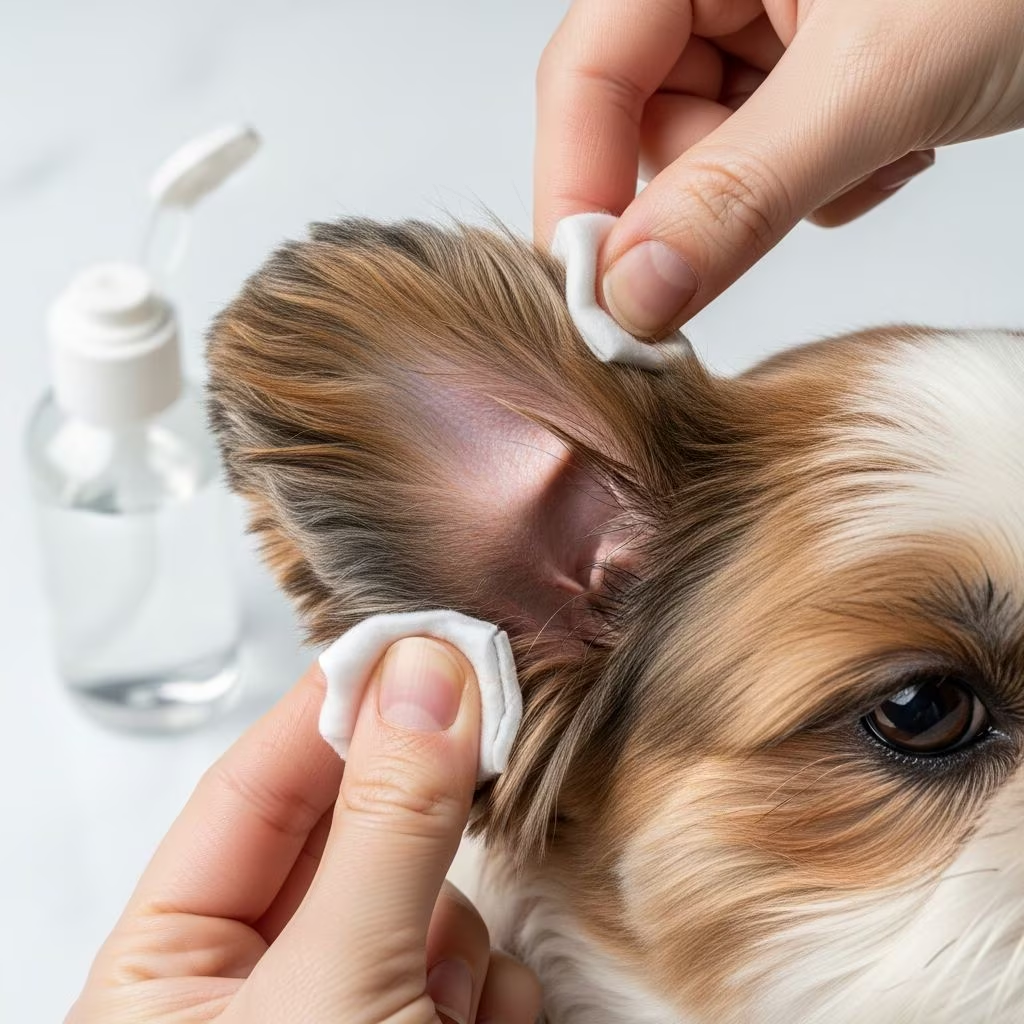
Shih Tzus, with their long, droopy ears and fluffy coats, require diligent ear maintenance to stay healthy. Proper cleaning prevents buildup of wax, debris, and hair that can lead to painful infections. This guide provides a complete roadmap for owners to handle ear care confidently at home.
Understanding Shih Tzu Ear Anatomy
Shih Tzu ears feature long flaps that trap moisture and prevent natural airflow, creating an ideal environment for bacteria and yeast growth. Unlike upright-eared breeds, their L-shaped canals accumulate hair, wax, and dirt more readily. Excessive inner ear hair, a breed trait, blocks ventilation and fosters infections if not managed.
Healthy ears appear pink, dry, with minimal odor and light wax. Any deviation signals potential issues, making routine checks vital for these companion dogs prone to allergies and sensitivities.
Why Routine Ear Maintenance Matters for Shih Tzus
Regular care reduces infection risks by up to 70% in susceptible breeds, according to veterinary studies. Neglect leads to otitis externa, causing discomfort, head tilting, and scratching. Early intervention avoids costly treatments and chronic problems.
- Prevents Moisture Trapping: Baths and humid environments exacerbate buildup.
- Controls Hair Growth: Continuous plucking maintains clear canals.
- Boosts Overall Wellness: Clean ears contribute to a happier, itch-free pet.
Recognizing Ear Health Problems Early
Monitor weekly for these red flags:
| Sign | Description | Action |
|---|---|---|
| Odor | Foul smell from yeast or bacteria | Vet visit |
| Discharge | Yellow, brown, or bloody fluid | Immediate exam |
| Redness/Swelling | Inflammation around canal | Stop cleaning, consult pro |
| Scratching/Shaking | Persistent head movements | Check for mites or allergies |
| Hair Loss | Thinning around ears | Assess for infections |
Addressing symptoms promptly prevents progression to middle ear involvement, which may require surgery.
Essential Tools for Effective Ear Cleaning
Gather these items before starting:
- Vet-recommended ear solution (alcohol-free for sensitive skin)
- Cotton balls or gauze squares
- Hemostats or tweezers for hair removal
- Ear powder for grip during plucking
- Dry towels and treats for rewards
Avoid cotton swabs, as they push debris deeper and risk eardrum damage.
Preparing Your Shih Tzu for Ear Grooming
Choose a quiet space with good lighting. Reward calm behavior with treats to build positive associations. For puppies, introduce sessions gradually over days. Secure your dog on a non-slip surface, perhaps with gentle restraint if needed.
Comprehensive Step-by-Step Ear Cleaning Process
Perform this routine every 1-2 weeks or post-bath. Total time: 10-15 minutes per dog.
- Pluck Inner Ear Hair: Sprinkle ear powder into the canal for traction. Use hemostats to grasp small hair clumps, twist, and pull quickly. Work in sections, taking breaks to soothe your pet. Clean ears look open and airy post-plucking.
- Apply Cleaning Solution: Lift the ear flap gently. Fill the canal with 5-10 drops of solution, avoiding overfilling.
- Massage Thoroughly: Rub the ear base in circles for 20-30 seconds. Listen for squishing, indicating debris loosening.
- Allow Head Shake: Step back as your Shih Tzu shakes out excess fluid and loosened gunk.
- Wipe Visible Areas: Use a fresh cotton ball dipped in solution to dab the outer canal. Repeat until clean.
- Dry Completely: Twist dry cotton halves into the canal briefly, then pat with a towel. Ensure no dampness remains to deter fungal growth.
Praise lavishly and offer a treat to end on a high note.
Advanced Tips for Hair Plucking and Maintenance
Shih Tzu ear hair regrows rapidly, necessitating monthly plucking. Start with tiny tufts to minimize discomfort—speed reduces pain. If your dog resists, professional groomers can demonstrate. Post-pluck, inspect for irritation and apply soothing balm if advised by a vet.
Choosing the Right Cleaning Products
Opt for pH-balanced, veterinary formulas like those with salicylic acid or natural antimicrobials. Homemade mixes (vinegar-alcohol) suit mild cases but test for sensitivity first. Steer clear of hydrogen peroxide, which irritates tissues.
| Product Type | Pros | Cons |
|---|---|---|
| Commercial Cleaners | Safe, effective, vet-endorsed | Costlier |
| DIY Solutions | Cheap, accessible | Risk of imbalance |
| Drying Agents | Absorb moisture | May dry skin excessively |
Frequency and Scheduling for Optimal Results
Clean bi-weekly for healthy Shih Tzus; increase to weekly if prone to issues. Track in a grooming journal alongside baths and nail trims. Adjust based on activity—swimmers need more frequent care.
Post-Cleaning Care and Monitoring
Observe for 24 hours post-session. Normal mild redness fades quickly; persistent signs warrant a vet. Maintain a clean environment to minimize recontamination.
When to Seek Professional Veterinary Help
Home care suffices for prevention, but pros handle infections, mites, or allergies. Symptoms like balance loss or pain cry for urgent care. Vets may prescribe medicated cleaners or antibiotics.
Common Mistakes to Avoid in Shih Tzu Ear Care
- Over-cleaning strips protective wax.
- Using Q-tips compacts debris.
- Ignoring plucking leads to blockages.
- Skipping drying invites yeast.
- Forcing sessions builds fear.
Integrating Ear Care into Full Grooming Routines
Combine with brushing, baths, and haircuts for efficiency. Ear work pre-bath prevents water entry; post-bath ensures dryness. Holistic grooming supports Shih Tzu vitality.
Frequently Asked Questions (FAQs)
Is ear plucking painful for Shih Tzus?
When done swiftly with powder, discomfort is minimal. Gradual introduction helps.
How often should I clean my Shih Tzu’s ears?
Every 1-2 weeks, or more if dirty.
Can I use baby wipes for ears?
No—lack proper formulation and may leave residue.
What if my dog hates ear cleaning?
Use high-value treats, short sessions, and consider sedation-free vet demos.
Are there natural alternatives to chemical cleaners?
Yes, like diluted apple cider vinegar, but consult a vet first.
Long-Term Benefits of Consistent Ear Hygiene
Dedicated owners report fewer vet visits, reduced scratching, and perkier pets. Investing time yields a comfortable, long-lived companion. Pair with diet tweaks for allergy-prone Shih Tzus.
References
- How to Clean a Dog’s Ears — American Kennel Club. 2023-05-15. https://www.akc.org/expert-advice/health/how-to-clean-dogs-ears/
- How to Clean Shih Tzu Ears – Step-by-Step Guide — Vet Organics. 2024-02-10. https://www.vet-organics.com/blogs/news/how-to-clean-shih-tzu-ears-step-by-step-guide
- Ear Care Guidelines for Toy Breeds — AVMA (American Veterinary Medical Association). 2025-01-01. https://www.avma.org/resources-tools/pet-owners/petcare/ear-care-dogs



