

Understanding Your Shih Tzu’s Unique Coat Structure
Shih Tzus possess a distinctive coat composition that sets them apart from most other dog breeds. Rather than having traditional fur like many canine companions, Shih Tzus have hair that grows continuously, similar to human hair. This fundamental difference in coat structure directly impacts their grooming requirements and bathing schedules. Because their hair lacks the natural waterproofing properties found in typical dog fur, Shih Tzus cannot maintain cleanliness as effectively as other breeds without regular intervention. Pet owners must approach grooming for these dogs with the same intentionality they would use for their own hair care routines.
Recommended Bathing Frequency for Shih Tzus
The standard bathing interval for a healthy Shih Tzu typically falls between every 2 to 3 weeks. However, this baseline should not be viewed as a rigid rule applicable to every dog. Some Shih Tzus may thrive on a schedule closer to every 4 weeks, while others with particularly active lifestyles or environmental exposures might benefit from more frequent bathing. The key principle is finding the optimal frequency that maintains coat cleanliness while avoiding excessive bathing that can compromise skin health. Bathing too frequently strips away beneficial natural oils that protect the skin and coat, leading to dryness and irritation. Conversely, infrequent bathing allows dirt, allergens, and bacteria to accumulate, which can result in skin conditions and unpleasant odors.
Critical Factors Influencing Bathing Needs
Coat Length and Styling Choices
The length of your Shih Tzu’s coat significantly impacts grooming frequency. Dogs maintaining longer, full coats require more frequent baths because there is greater surface area for dirt and debris to accumulate within the hair strands. When longer coats are not bathed regularly, tangles and mats form more readily, trapping moisture and promoting bacterial growth. Many Shih Tzu owners opt to keep their dogs’ coats trimmed to medium or short lengths, which can substantially reduce bathing requirements while also decreasing daily grooming demands. However, it is important to note that even with shorter coats, Shih Tzus still need more frequent bathing than most other dog breeds due to their hair structure.
Allergic Sensitivities
Shih Tzus frequently develop allergies to environmental allergens including dust mites, mold spores, pollen, and various weeds. When a dog is prone to allergies, more frequent bathing becomes therapeutically beneficial. Regular baths help rinse away allergen particles before they can trigger prolonged inflammatory responses in the skin. During peak allergy seasons, you may find your Shih Tzu needs bathing more often than the standard schedule to manage symptoms effectively. If your dog exhibits scratching, red skin, or other allergy symptoms, consulting with your veterinarian can help determine whether increased bathing frequency would provide relief and whether specific medicated shampoos might be appropriate.
Environmental and Climate Conditions
Your geographic location and local climate play important roles in determining bathing frequency. Dogs living in dusty environments accumulate more particles in their coats and benefit from more regular bathing. Similarly, those in humid or tropical climates face increased risks of bacterial and fungal growth due to moisture retention in the coat. The mugginess of tropical regions creates an ideal environment for microorganisms to proliferate, potentially resulting in skin odor, itching, and infections. Urban dwellers may find their pets accumulate more pollution and grime compared to those in rural settings. Seasonal variations also matter—you might bathe your Shih Tzu more frequently during spring and summer when outdoor activities increase.
Activity Level and Lifestyle
A Shih Tzu that spends significant time outdoors playing, digging, and exploring will naturally accumulate more dirt and require bathing more frequently than a dog that primarily stays indoors. Dogs with active outdoor lifestyles may need baths every 1 to 2 weeks, while indoor-focused companions might comfortably extend their bathing intervals. Your dog’s personal habits—whether they roll in dirt, splash in puddles, or shake hands with muddy surfaces—directly correlate with how quickly their coat becomes soiled. By honestly assessing your dog’s lifestyle, you can better predict realistic bathing needs rather than adhering to a predetermined schedule that might not match your specific situation.
Skin Sensitivity and Dermatological Conditions
Some Shih Tzus have particularly sensitive skin that reacts negatively to frequent bathing. Signs of over-bathing include excessive dryness, flaking, redness, and increased itching. If your dog exhibits these symptoms, you may need to reduce bathing frequency and focus instead on spot-cleaning soiled areas, increasing dry brushing sessions, or using dry shampoos between full baths. Conversely, dogs with certain skin conditions may require medicated baths using special shampoos prescribed by your veterinarian, which might necessitate more frequent bathing for therapeutic purposes. Working closely with your vet helps distinguish between bathing-induced irritation and underlying dermatological issues.
Overall Health and Age Considerations
A Shih Tzu’s general health status influences grooming requirements. Puppies and senior dogs may have different bathing needs than healthy adults. Puppies with developing immune systems sometimes benefit from less frequent bathing to avoid stress, while seniors may have more delicate skin requiring gentler handling and potentially fewer baths. Dogs recovering from illness or dealing with chronic health issues may have compromised coat and skin health that impacts bathing frequency. Regular veterinary check-ups help you understand how your individual dog’s health status should inform grooming decisions.
Selecting and Using Appropriate Shampoos
The choice of shampoo dramatically affects your Shih Tzu’s skin and coat health. Dogs have different skin pH levels compared to humans, making human shampoos inappropriate for canine use. A quality dog shampoo formulated for sensitive skin becomes especially important given how frequently Shih Tzus require bathing. Look for gentle, pH-balanced formulas that cleanse without stripping away essential oils. Natural, plant-based options can reduce the risk of irritation, particularly for dogs prone to sensitivity. If your Shih Tzu has specific skin conditions like allergies or dermatitis, your veterinarian may recommend medicated shampoos or specialized formulas targeting those issues. Using conditioner after shampooing helps restore moisture to the coat and can be particularly beneficial for longer coats that might otherwise become dry and brittle.
Maintaining Daily Facial Cleanliness
One aspect of Shih Tzu care that cannot be reduced regardless of how frequently you bathe your dog is daily facial cleaning. The Shih Tzu’s facial structure, with their characteristic flat face and long hair around the eyes, makes regular face washings essential for health and comfort. Tear staining, mucus buildup, and food debris accumulate around the eyes and muzzle area, requiring daily attention. Specialized face wipes designed for dogs offer a convenient solution, though a damp, soft washcloth works equally well. It is important never to cut the hair too short around the eyes, as it may grow back in directions that cause irritation or even scratches to the eye. Making face washing a consistent daily routine takes only a few minutes but prevents serious eye problems and keeps your dog more comfortable.
Comprehensive Grooming Schedule Beyond Bathing
Daily Care Tasks
- Perform facial cleanings around the eyes, nose, and mouth area
- Check and clean ear flaps to prevent moisture accumulation and infection
- Inspect paws for debris and matting between the toes
Every Few Days
- Thorough brushing of the entire coat to prevent tangling and matting
- Targeted dry shampoo application on areas that accumulate dirt most readily
- Gentle ear cleaning with appropriate solutions to maintain ear health
Weekly Care
- Full-body coat brushing with attention to commonly matted areas
- Nail trimming or filing to maintain appropriate length
- Anal gland assessment and expression if needed
Monthly Maintenance
- Full-body bathing following the appropriate schedule for your individual dog
- Professional grooming or home trimming to maintain desired coat length
- Detailed inspection of skin for any abnormalities or developing issues
Bathing Technique and Best Practices
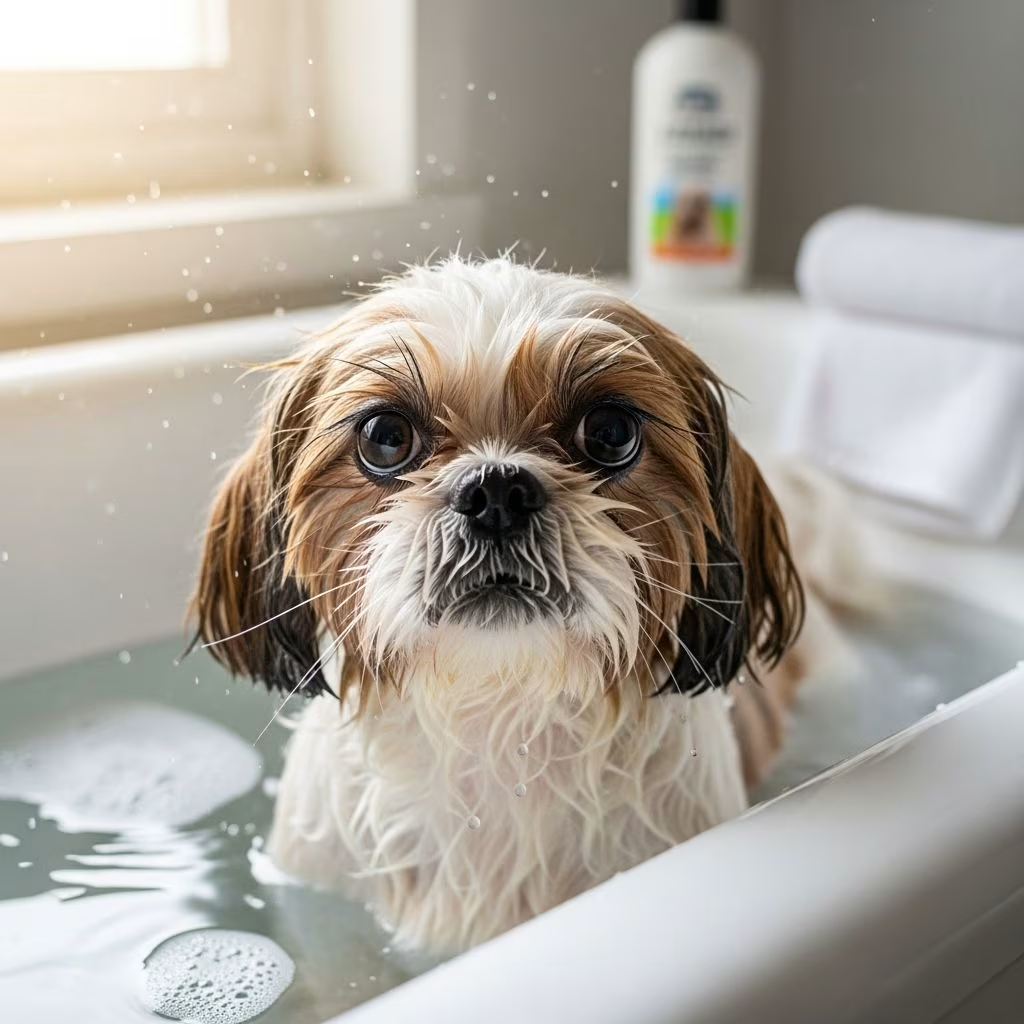
Before bathing, always thoroughly brush your Shih Tzu’s coat to remove tangles and mats. Water penetrates mats easily, locking moisture against the skin and causing matting to tighten. Use warm water at a comfortable temperature—neither too hot nor too cold. Fill the tub with just enough water to comfortably rinse your dog’s coat, and be cautious around the face and ears to prevent water entry that could cause discomfort or infections. Apply shampoo and work it gently through the coat, then rinse thoroughly to remove all soap residue. Follow with conditioner, allowing it to sit briefly before rinsing completely. After bathing, towel dry your dog gently and keep them in a warm, draft-free area. Using a human blow dryer is permissible only on low heat and low speed settings to prevent burns or excessive stress.
Recognizing When to Adjust Your Bathing Schedule
Pay close attention to your dog’s skin and coat condition to determine if your current bathing frequency is optimal. Healthy skin appears pink without redness, flaking, or excessive dryness. A well-maintained coat should be soft, shiny, and free of matting. If you notice excessive dryness, flaking, or increased scratching, your dog might be bathed too frequently. Conversely, if your dog develops odor, visible dirt accumulation, or you notice oiliness, more frequent bathing might be necessary. Each Shih Tzu is unique, and adjusting frequency based on observable results ensures you maintain the optimal balance for your individual pet.
Frequently Asked Questions
Can I bathe my Shih Tzu weekly?
While some Shih Tzus can tolerate weekly baths if their coat is in excellent condition and you use appropriate products, this frequency risks overdrying the skin for many individuals. Most dogs do better on the 2 to 3-week schedule.
What should I do if my Shih Tzu gets dirty between scheduled baths?
Spot-cleaning affected areas with a damp cloth, dry shampoo, or dog wipes allows you to address specific dirt without full baths. This approach prevents excessive bathing while maintaining cleanliness.
Does a shorter coat reduce grooming requirements significantly?
Yes, cutting your Shih Tzu’s coat to a shorter length reduces bathing frequency and daily brushing time. However, even short-coated Shih Tzus require regular grooming compared to other breeds.
How do I know if my dog has skin allergies?
Signs include excessive scratching, red or inflamed skin, ear infections, and paw licking. Consult your veterinarian to confirm allergies and determine appropriate management strategies.
Is it safe to use human shampoo on my Shih Tzu?
No. Human shampoos have different pH levels and can disrupt your dog’s skin barrier, causing irritation and dryness. Always use dog-specific shampoo formulated for your pet’s needs.
References
- How Often Should I Bathe My Shih Tzu? Vet-Approved Advice — Dogster. Accessed via dogster.com. https://www.dogster.com/dog-health-care/how-often-should-i-bathe-my-shih-tzu
- Shih Tzu Grooming Made Easy: Everything You Need to Know — Earth Rated. Accessed via earthrated.com. https://www.earthrated.com/blogs/blog/shih-tzu-grooming
- How to Bathe a Shih Tzu — PetHelpful. Accessed via pethelpful.com. https://pethelpful.com/dogs/how-to-give-a-shih-tzu-a-bath



