

Shiba Inu vs. Akita: Which Japanese Dog Is Best for You?
The Shiba Inu and Akita are two of the most recognizable members of the Nihon Ken—a group of six native Japanese dog breeds that have captivated dog lovers worldwide. These dogs share a common origin as compact but capable hunters, yet they differ significantly in size, temperament, and care requirements. Whether you’re considering adding one of these distinctive breeds to your family, understanding their differences is essential to making an informed decision.
Both breeds are known for their striking appearance, loyal nature, and independent personalities. However, what works perfectly for one household may not suit another. This comprehensive guide explores the key differences between Shiba Inu and Akita breeds to help you determine which Japanese dog is best for your lifestyle and preferences.
History
The Shiba Inu and Akita are two of the most recognizable members of the Nihon Ken—a group of six native Japanese dog breeds. These dogs share a common origin as compact but capable hunters that evolved over centuries in Japan.
Over the centuries, regional breeding produced dogs of different sizes, resulting in the six highly prized Japanese dog breeds that make up the Nihon Ken. The Akita is the largest of these breeds; the Shiba Inu is the smallest. Along with hunting, Akitas worked as guardian dogs and were highly valued by the Japanese nobility. Shibas, after nearly going extinct during World War II, were deliberately bred as companions and have since become beloved family pets worldwide.
The Akita Inu means “the dog of Akita,” with Akita being the name of a prefecture and its capital city in Japan. Shiba Inu simply means “little dog” or “brushwood dog,” reflecting its smaller stature and original purpose as a hunter of small game.
Size
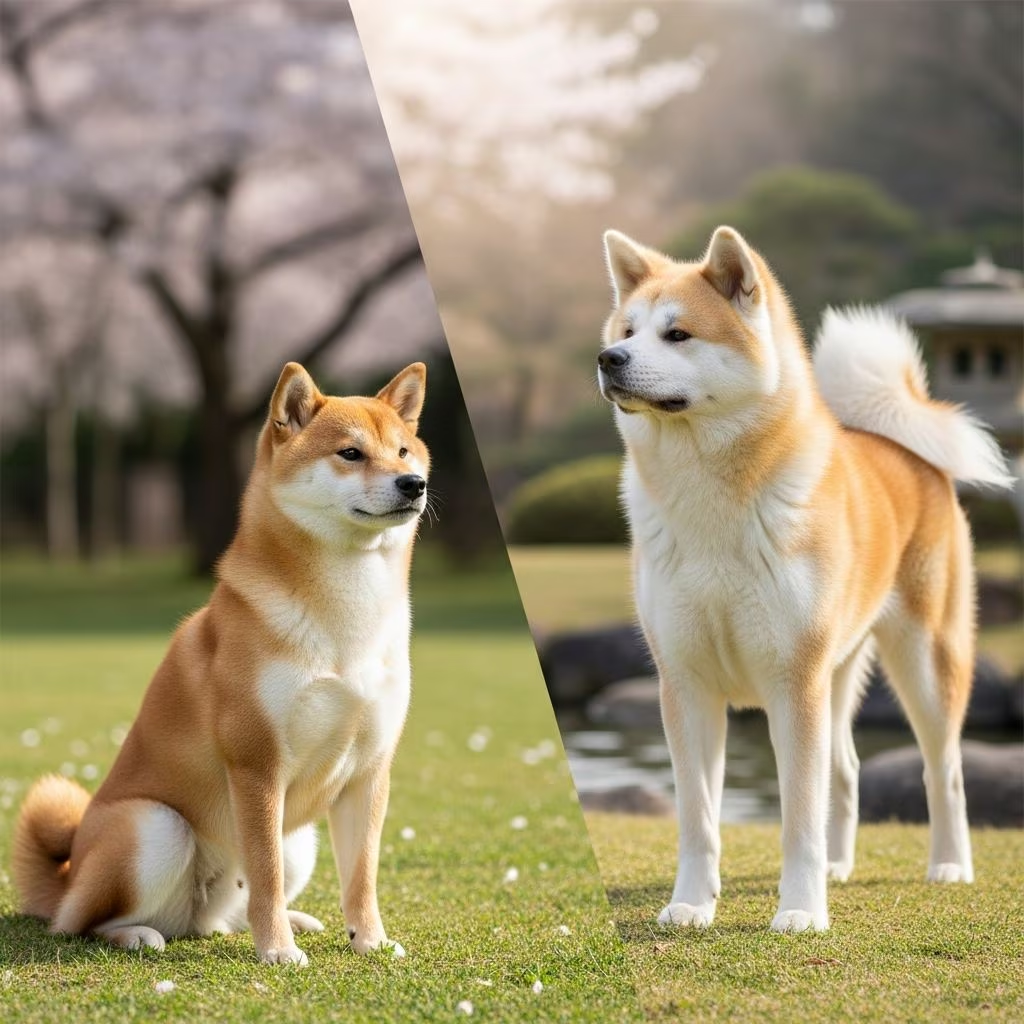
The most obvious difference between the Akita and the Shiba Inu relates to size. A full-grown Akita is 24–28 inches tall at the shoulder. Male dogs can weigh up to 130 pounds, while female dogs might reach 100 pounds. The Akita’s large proportions dwarf the much smaller Shiba Inu, which stands 13.5–16.5 inches tall and only weighs about 20 pounds fully grown.
This dramatic size difference reflects their original purposes in Japanese society. The Akita was bred to hunt large game such as brown bears and elk, requiring strength and size to tackle formidable prey. In contrast, the Shiba Inu was designed to hunt small game like rabbits and birds, making a compact frame an advantage for navigating dense brush and pursuing smaller quarry.
| Feature | Akita | Shiba Inu |
|---|---|---|
| Height | 24–28 inches | 13.5–16.5 inches |
| Weight | 70–130 pounds | 17–23 pounds |
| Size Category | Large | Small to Medium |
Physical Appearance
While Shiba Inus and Akitas share some facial characteristics, their overall appearance differs considerably. Understanding these distinctions helps in identifying and appreciating each breed’s unique beauty.
Head and Expression
The Shiba Inu has a distinctive foxy appearance with a pointed, tapered muzzle that ends in a black nose. Their small, erect triangular ears sit high on their head, and their dark triangle-shaped eyes have characteristic black rims, giving them an alert and spirited expression.
The Akita has a broader, more powerful muzzle than the Shiba Inu, though it possesses a surprisingly soft mouth that was originally bred for retrieving waterfowl. Their triangular ears are erect and positioned directly over the dog’s eyes and in line with the nape of the neck. The Akita’s overall expression is more dignified and bear-like, reflecting its heritage as a hunter of large game.
Tail
The Akita and Shiba Inu both have a curly tail, but the Akita’s tail is noticeably curlier. As the breed standard states, an Akita tail should have at least a three-quarter curl, be fully curled, or even have a double curl over the dog’s back. Shibas often have a fully curled tail, but a tail that merely arcs toward the dog’s back is also acceptable.
Coat and Colors
Both breeds flaunt a medium-length double coat with a soft and thick undercoat and a straight, coarse outer coat that stands off the body. This distinctive double coat provides excellent insulation, allowing both breeds to thrive in cooler climates. However, their coat color options differ significantly.
Though their coat characteristics are similar, there’s a limited number of coat colors that Shibas have: red, sesame, cream, or black and tan. Akitas, on the other hand, can be black, fawn, red, white, brindle, silver, or pinto (a white coat with large patches of colored fur). Both breeds can have white markings, but an Akita’s coat can also feature black markings.
Both breeds shed considerably, especially during shedding seasons. Regular grooming with a high-quality brush helps manage loose hair and keeps their coats healthy and shiny.
Personality
Independent, aloof, and confident—that’s the Shiba Inu and Akita personality. Both pups do best with a confident, committed pet parent who is prepared for their unique personality.
The Shiba Inu breed standard describes them as having spirited boldness and good nature. They are playful and active dogs that are generally good with children and larger pets in the family. However, they shouldn’t be left alone with smaller pets such as mice or rabbits due to their prey drive—a remnant of their hunting heritage.
Akitas are often described as watchful thanks to their history as guardian dogs. They are fearless and remarkably loyal companions who form strong bonds with their families. Shibas have a reputation for being catlike—if they aren’t interested in socializing, they’ll go off and do their own thing. This independent nature requires owners who understand and respect the breed’s distinct personality.
Temperament
While both breeds share independence and confidence, their temperaments manifest differently. The Akita is alert, responsive, dignified, and courageous. These dogs are naturally protective of their families and property, making them excellent watchdogs. They are dignified in bearing and require owners who appreciate their reserved nature with strangers.
Shiba Inus display spirited boldness coupled with good nature. They are alert and intelligent but can be quite stubborn. Their catlike independence means they may choose when and with whom they interact, even within their families. This trait makes early socialization particularly important for Shiba Inus to ensure they develop into well-rounded companions.
Trainability
Trainability represents one of the most significant differences between these two breeds. Shiba Inus are independent thinkers who are quite smart, yet stubborn and aren’t famous for their trainability. Training a Shiba Inu requires patience, consistency, and creative motivation. These intelligent dogs quickly learn commands but may choose not to obey if they don’t see the benefit to themselves.
Akita Inus are bright dogs who are much easier to train if you show them respect and reward them. They respond well to positive reinforcement and benefit from owners who establish clear leadership. Akitas are eager to please their respected owners and take well to structured training programs. Consistency and firm but fair handling yield the best results with this breed.
For first-time dog owners, the Akita may be the more manageable choice due to its greater trainability. However, experienced dog handlers often appreciate the challenge that Shiba Inu training presents and enjoy the mental stimulation it provides.
Exercise and Activity Needs
Both breeds require regular exercise, though their needs differ in intensity. The Shiba Inu’s smaller size means it can meet exercise requirements through daily walks and indoor play sessions. They enjoy moderate exercise and are adaptable to various living situations, from apartments to houses with yards.
The Akita requires more substantial exercise due to its larger size and working dog heritage. These dogs benefit from daily walks, running opportunities, and mental stimulation through interactive play. A securely fenced yard is ideal for Akitas to burn energy safely. Insufficient exercise can lead to behavioral problems, including destructiveness and aggression.
Health Considerations
Both breeds are generally hardy, but potential health issues vary by breed. Akitas may experience bloat, hypothyroidism, and progressive retinal atrophy (PRA). These conditions require awareness and preventive care.
Shiba Inus are relatively hardy dogs with fewer breed-specific health concerns. Their smaller size and genetic diversity contribute to their overall robust health. However, responsible breeding from health-tested parents remains important when selecting a Shiba Inu puppy.
Regular veterinary check-ups, a balanced diet, appropriate exercise, and preventive care help both breeds maintain optimal health throughout their lives. Life expectancy typically ranges from 10 to 15 years for both breeds, with Shiba Inus sometimes living toward the longer end of this range.
Living Environment Suitability
The Shiba Inu’s smaller size and moderate exercise needs make it more adaptable to apartment living, provided owners commit to daily walks and mental enrichment. These dogs do well in urban environments where socialization opportunities abound.
Akitas require more space and are better suited to homes with yards where they can move freely. Their larger size, exercise requirements, and protective nature make them less ideal for apartment living. A suburban or rural setting with secure fencing provides the best environment for an Akita.
Socialization Requirements
Both breeds benefit tremendously from early socialization. Introducing puppies to various people, animals, and environments helps them develop into well-adjusted adults. This is particularly crucial for Akitas, whose protective instincts can become problematic without proper socialization. Shiba Inus need early exposure to other animals to minimize their prey drive toward smaller pets.
Grooming and Maintenance
Both breeds have double coats that require regular grooming. Brushing several times weekly during non-shedding periods and daily during shedding season helps manage loose hair. Bathing should be done as needed, typically every 4-6 weeks. Both breeds are generally clean dogs that groom themselves, but regular professional grooming helps keep them in top condition.
Cost Considerations
Purchasing a Shiba Inu from a reputable breeder typically costs between $2,000 and $3,500, while Akitas range from $600 to $2,000. However, purchase price represents only the initial cost. Ongoing expenses include food (particularly higher for the larger Akita), veterinary care, grooming, training, and supplies. Larger dogs generally incur greater lifetime costs due to their size and food consumption.
Frequently Asked Questions
Q: Can Shiba Inus and Akitas live together?
A: They can coexist with proper introduction, training, and supervision. However, their independent personalities and prey drives mean careful management is essential. Early socialization increases the likelihood of harmony.
Q: Which breed is better with children?
A: Shiba Inus are generally playful and good with children. Akitas can be excellent with children they’re raised with but require careful supervision due to their size and strength. Both breeds benefit from training that teaches children how to interact respectfully with dogs.
Q: Do these breeds make good first dogs?
A: Akitas may be better for first-time owners due to their greater trainability and eagerness to please. Shiba Inus require experienced handlers comfortable with independent, strong-willed dogs.
Q: How much do these breeds shed?
A: Both breeds shed heavily, particularly during seasonal changes. Regular brushing minimizes shedding and keeps coats healthy. Expect significant hair loss during peak shedding seasons.
Q: Are they good apartment dogs?
A: Shiba Inus adapt better to apartment living due to their smaller size and moderate exercise needs. Akitas require more space and are better suited to homes with yards.
Q: Which breed lives longer?
A: Shiba Inus typically live 12-15 years, while Akitas average around 10 years. Individual lifespan depends on genetics, diet, exercise, and healthcare.
Which Breed Is Right for You?
Choosing between a Shiba Inu and an Akita depends on your lifestyle, experience level, living situation, and preferences. If you seek a smaller, independent dog that adapts to various living situations and enjoy the challenge of training a spirited canine, the Shiba Inu may suit you well.
If you prefer a larger, more trainable dog with a strong protective instinct and have the space and time to meet its exercise needs, the Akita could be your ideal companion. Both breeds reward committed owners with unwavering loyalty and distinctive personalities that make them cherished family members.
Whichever breed you choose, commitment to proper training, socialization, exercise, and veterinary care ensures a harmonious relationship with your Japanese dog companion.
References
- Akita Inu vs Shiba Inu: Nine Main Differences Explained — A-Z Animals. 2024. https://a-z-animals.com/pets/dogs/dog-comparison/akita-inu-vs-shiba-inu-differences/
- Shiba Inu vs. Akita: Which Japanese Dog Is Best for You? — Chewy Education. 2024. https://www.chewy.com/education/dog/general/shiba-inu-vs-akita
- Akita Versus Shiba Inu: How to Tell the Difference — American Kennel Club. 2024. https://www.akc.org/expert-advice/dog-breeds/akita-versus-shiba-inu-how-to-tell-the-difference/



