

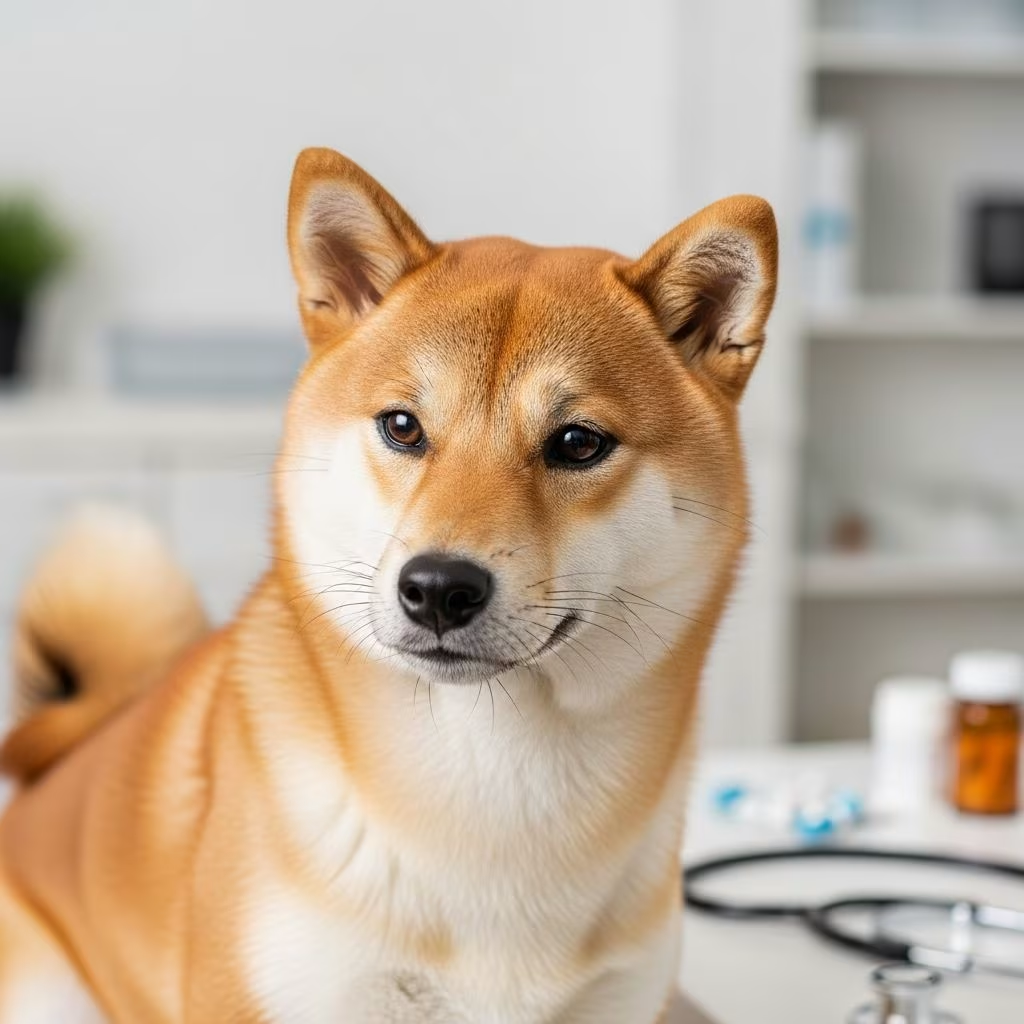
Shiba Inus, with their fox-like charm and agile build, boast a lifespan of 13-16 years when properly cared for. However, this ancient Japanese breed faces several hereditary and environmental health vulnerabilities that demand vigilant monitoring from owners. Understanding these risks empowers pet parents to intervene early, enhancing their dog’s quality of life through targeted prevention and timely treatment.
Joint and Mobility Challenges in Shiba Inus
Shiba Inus’ compact, athletic frames make them prone to orthopedic issues that impair movement and cause chronic discomfort. These conditions often stem from genetic factors exacerbated by rapid growth or excess weight.
Patellar Luxation: The Slipping Kneecap
Patellar luxation occurs when the kneecap dislocates from its groove, leading to intermittent lameness, skipping steps, or bowing of the hind legs. Mild cases may resolve with rest, while severe ones progress to osteoarthritis, necessitating surgical stabilization. Veterinary diagnosis via physical manipulation and X-rays is standard, with management including weight control, joint supplements like glucosamine, and physical therapy to strengthen surrounding muscles.
Hip Dysplasia: A Hidden Hindquarter Threat
This malformation of the hip socket affects about 7.6% of screened Shiba Inus, causing looseness that evolves into joint degeneration, pain, and reduced activity. Symptoms emerge in puppies or middle age, such as bunny-hopping gait or reluctance to climb stairs. Orthopedic Foundation for Animals (OFA) evaluations guide breeding to reduce incidence, while treatments range from conservative (anti-inflammatories, hydrotherapy) to surgical options like femoral head ostectomy.
| Condition | Symptoms | Treatment Options |
|---|---|---|
| Patellar Luxation | Limping, skipping | Supplements, surgery |
| Hip Dysplasia | Hopping gait, pain | Therapy, meds, surgery |
Skin and Allergy Predispositions
Environmental sensitivities plague many Shiba Inus, manifesting as incessant itching and recurrent infections. Atopy, an inhaled allergy to pollen, dust mites, or molds, triggers the immune system’s overreaction, resulting in red, inflamed skin and ear issues.
Diagnosis involves allergy testing or elimination trials, followed by hypoallergenic shampoos, antihistamines, or immunotherapy injections. Regular bathing removes allergens, while omega-3 supplements soothe inflammation. Owners should avoid over-vaccination and monitor for secondary yeast or bacterial infections requiring antibiotics.
Endocrine Imbalances: Hypothyroidism Explained
Hypothyroidism arises from insufficient thyroid hormone production, slowing metabolism and causing weight gain, lethargy, thinning coat, and skin infections. Shiba Inus show breed-specific susceptibility, confirmed via blood panels measuring T4 and TSH levels.
Lifelong synthetic hormone replacement (levothyroxine) restores balance, with regular monitoring to adjust dosages. Early detection prevents complications like heart disease or neurological deficits, underscoring annual bloodwork’s importance.
Dental Health: A Critical Yet Overlooked Concern
Over 80% of dogs, including Shibas, suffer periodontal disease by age three due to plaque buildup eroding gums and bone. Small breeds like Shibas accumulate tartar rapidly, leading to bad breath, loose teeth, and pain.
- Daily brushing with enzymatic dog toothpaste prevents buildup.
- Dental chews and toys promote mechanical cleaning—select soft options to avoid fractures.
- Annual professional cleanings under anesthesia remove subgingival plaque.
Neglect accelerates systemic issues like heart valve damage from bacterial spread, making oral hygiene non-negotiable.
Behavioral and Mental Health: Managing Anxiety
Shiba Inus’ independent, alert nature predisposes them to anxiety, expressed through vocalization, pacing, destructiveness, or aggression. Triggers include isolation, loud noises, or household changes.
Counter with desensitization training, puzzle toys for mental fatigue, and pheromone diffusers. Crate training fosters security, while exercise burns excess energy. Severe cases benefit from veterinary behaviorists prescribing anxiolytics.
Eye Conditions: Protecting Shiba Vision
Genetic predispositions heighten risks for cataracts (clouded lenses), glaucoma (elevated intraocular pressure), and progressive retinal atrophy (PRA), leading to partial or total blindness. Routine ophthalmic exams by boarded specialists detect changes early.
Management includes pressure-lowering drops for glaucoma or surgical lens removal for cataracts. PRA lacks cure but antioxidants may slow progression. Responsible breeders utilize CERF/OFA certifications to minimize hereditary transmission.
Preventive Strategies for Lifelong Vitality
Proactive care mitigates genetic risks. Select breeders screening for hip, patella, thyroid, and eye clearances via OFA, AKC, or CHIC programs.
- Nutrition: Feed AAFCO-approved kibble with 18-30% protein, omega fatty acids for skin/coat, avoiding obesity triggers.
- Exercise: 30-60 minutes daily of walks, fetch, or agility to maintain muscle without joint strain.
- Veterinary Schedule: Puppies need deworming/vaccines; adults require biannual exams, seniors quarterly with bloodwork, urinalysis.
Spay/neuter timing influences joint health—delay until skeletal maturity (12-18 months) to reduce dysplasia risk.
Senior Shiba Inu Care: Aging Gracefully
Post-8 years, Shibas confront arthritis, cognitive dysfunction (disorientation, sleep reversal), and organ decline. Adapt with:
- Ramps/steps for mobility.
- Senior diets lower in calories, higher in antioxidants.
- Mental games like scent work to combat dementia.
- Palliative options: acupuncture, laser therapy for pain.
FAQs on Shiba Inu Health
How often should I take my Shiba Inu to the vet?
Puppies: every 3-4 weeks until 16 weeks; adults: annually; seniors (7+): twice yearly or more.
Can diet prevent Shiba Inu allergies?
Hypoallergenic or limited-ingredient foods help, but environmental atopy requires multifaceted management.
Is hip dysplasia curable in Shiba Inus?
Not curable, but manageable with therapy and meds; surgery for advanced cases.
What causes Shiba Inu dental disease?
Bacterial plaque; prevented by brushing and chews.
How to spot anxiety in Shiba Inus?
Excessive barking, pacing, or aggression in response to changes.
Nutrition and Weight Management Essentials
Obesity amplifies joint strain and diabetes risk in Shibas. Portion control based on activity—active adults need 800-1200 kcal/day. Include lean proteins, veggies for fiber, and joint-supportive nutrients like green-lipped mussel.
Monitor body condition score (BCS) monthly; ribs palpable without protrusion signal ideal weight.
References
- 6 Common Health Problems in Shiba Inu Dogs to Be Aware Of — Dogster. 2023. https://www.dogster.com/dog-health-care/shiba-inu-health-problems
- The Shiba Inu Care Guide: Personality, History, Food, and More — The Farmer’s Dog. 2023. https://www.thefarmersdog.com/digest/the-shiba-inu-care-guide-personality-history-food-and-more/
- Understanding and Caring for Your Shiba Inu: A Comprehensive Guide — Codapet. 2024. https://www.codapet.com/senior-pet-care/understanding-and-caring-for-your-shiba-inu-a-comprehensive-guide
- Shiba Inu Dog Breed Health and Care — PetMD. 2024. https://www.petmd.com/dog/breeds/shiba-inu
- Shiba Inu Dog Breed Information — American Kennel Club (AKC). 2024. https://www.akc.org/dog-breeds/shiba-inu/



