

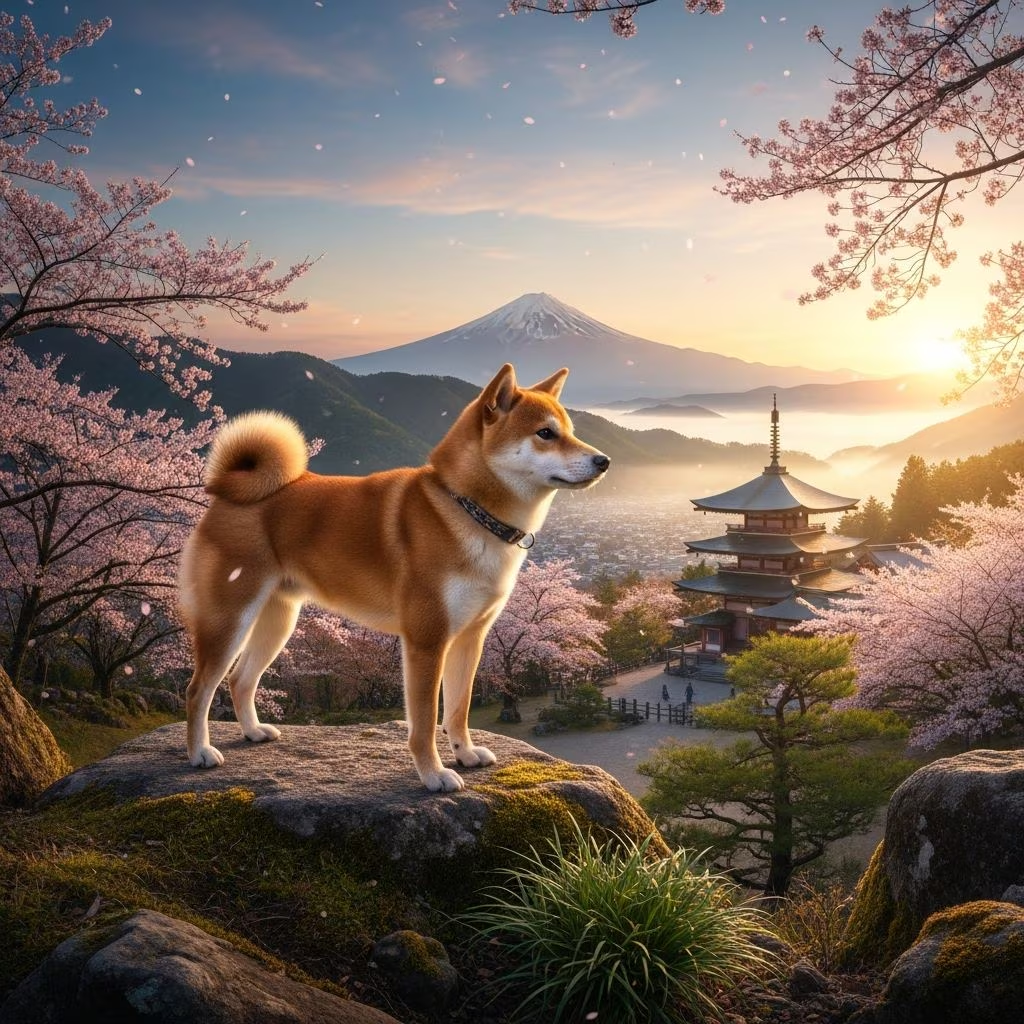
The Shiba Inu stands as one of Japan’s most recognizable and culturally significant dog breeds, representing centuries of selective breeding and cultural heritage. These compact yet spirited dogs have captured hearts worldwide, yet their complex temperament and independent nature require careful consideration from prospective owners. Understanding the breed’s rich history, distinct personality traits, and specific care requirements is essential for anyone considering welcoming a Shiba Inu into their home.
Tracing the Ancient Roots of the Breed
The Shiba Inu’s origins extend deep into Japanese history, with evidence suggesting the breed descended from dogs that arrived in Japan around 300 B.C. These early canines were selectively bred with indigenous Japanese dogs to develop a distinctive hunting companion suited to Japan’s mountainous terrain. The breed became instrumental in the lives of Japanese hunters and, during certain periods, served as companions to the Samurai class in 10th-century Japan. Their hunters’ heritage shaped not only their physical capabilities but also their bold, confident temperament that persists in modern Shibas.
The breed’s name carries historical weight in Japanese culture. “Shiba” translates to “brushwood” or “little brushwood dog,” while “Inu” simply means dog in Japanese. This nomenclature reflects both the terrain where these dogs originally hunted and the camouflaging qualities of their coat. The reddish coloring and thick texture of a Shiba’s fur resembled the autumn brushwood leaves found in mountainous areas, allowing them to blend seamlessly into their hunting environment while pursuing small game including rabbits, foxes, birds, and occasionally larger prey like wild boar.
Navigating Near-Extinction and Preservation Efforts
Despite their deep cultural roots, the Shiba Inu faced multiple existential threats throughout the 20th century. During Japan’s modernization in the late 1800s and early 1900s, Western dog breeds were imported and subsequently crossbred with native Japanese dogs. This practice nearly eliminated pure Shiba bloodlines entirely, with almost no pure Shibas remaining between 1912 and 1926. Recognizing the cultural catastrophe this represented, Japanese intellectuals and hunters mobilized to preserve the remaining dogs.
In 1928, the Nihon Ken Hozonkai, also known as the Japanese Dog Preservation Society, was officially established to protect native Japanese breeds. The recognition of the breed’s cultural significance escalated in 1936 when the Shiba Inu received designation as a National Monument of Japan through the Cultural Properties Act. This designation acknowledged not only the breed’s historical importance but also the necessity of preserving its genetic purity for future generations.
Yet preservation efforts faced catastrophic setbacks during World War II. Food shortages, wartime bombing campaigns, military requisitioning of dogs for fur, and the resulting postwar depression decimated Shiba populations. Following the war’s conclusion, the remaining population faced an additional crisis when distemper epidemics swept through populations in the 1950s and 1960s, killing many surviving dogs. Only three distinct bloodlines survived these compounded disasters: the Shinshu Shiba from Nagano Prefecture, the Mino Shiba from the former Mino Province in present-day Gifu Prefecture, and the San’in Shiba from Tottori and Shimane Prefectures. All modern Shiba Inus trace their ancestry to these three surviving strains.
Physical Characteristics and Appearance Standards
Modern Shibas present a distinctive silhouette that contributes to their foxlike appearance. As the smallest of Japan’s six original native dog breeds, they typically weigh approximately 23 pounds and display a compact, muscular build. Their most striking features include pointy ears set at an alert angle, dark expressive eyes, and a characteristic curled tail carried high on the back. The breed maintains a balanced, athletic physique despite their diminutive size, reflecting their historical role as efficient hunters in challenging mountainous terrain.
The breed’s coat represents one of its most recognizable characteristics. Shibas possess a short, thick, and plush double coat that provides excellent protection in various weather conditions. The coat comes in three primary color combinations: red, red sesame, or black and tan, typically accompanied by a cream, buff, or gray undercoat. This distinctive coloring, which resembles autumn brushwood leaves, served both aesthetic and practical purposes in the breed’s hunting heritage. The coat’s texture and structure require regular maintenance, with seasonal shedding periods demanding consistent grooming attention from owners.
Understanding the Shiba Inu Temperament
Perhaps no aspect of Shiba Inu ownership presents greater challenges than understanding and managing the breed’s complex temperament. These dogs are recognized as alert, affectionate, and highly intelligent, yet they possess a reputation for independence and stubbornness that can surprise unprepared owners. The breed’s behavior has been characterized by experts using Japanese terms that capture subtle personality dimensions: “spirited boldness,” “good nature,” and “alertness” all factor into the comprehensive temperament profile.
Research has classified Shibas as displaying “high aggression, high reactivity and medium trainability,” characteristics that some experts attribute to the breed’s closer genetic relationship to wolves compared to other domesticated dog varieties. This heritage manifests in their strong prey drive, which remains intact despite centuries of domestication. Owners frequently report that their Shibas require leashes around wildlife and will instinctively chase small animals, birds, and other canines. This hunting instinct, while manageable through proper training and socialization, represents a fundamental aspect of the breed’s nature rather than a behavioral flaw.
The breed’s independent spirit often gets mistaken for aloofness or disinterest, though Shibas are genuinely loyal and affectionate to their families. They demonstrate remarkable confidence and boldness, assessing situations carefully before responding, which reflects their hunting heritage and intelligent nature. However, this same confidence can translate into guardedness around strangers and potential aggression toward other dogs, particularly unneutered males. Early and intensive socialization during puppyhood proves critical for helping Shibas navigate social situations appropriately and develop comfort with humans and animals outside their immediate family.
Exercise and Enrichment Requirements
The Shiba Inu’s high intelligence and hunting heritage create substantial exercise and enrichment needs that many first-time owners underestimate. Insufficient physical activity and mental stimulation frequently leads to anxiety, destructive behaviors, and manifestations of the infamous “shiba scream”—a distinctive, piercing vocalization that emerges when the dog experiences frustration or distress. Providing adequate outlets for their physical energy and mental engagement directly impacts behavioral outcomes and overall well-being.
Daily exercise should include both structured activities like walks and off-leash playtime in secure areas, as well as mental enrichment through puzzle toys, training sessions, and interactive games. The breed’s combination of athleticism, intelligence, and independence means that generic exercise routines often prove insufficient; owners should incorporate activities that engage both body and mind. Training sessions that present novel challenges, scent work activities, and puzzle-based food delivery systems all provide valuable stimulation for this cognitively active breed.
Training Challenges and Strategies
Training a Shiba Inu presents distinct challenges that reflect the breed’s independent temperament and strong will. While these dogs possess exceptional intelligence, they do not automatically comply with commands simply because they understand them. A Shiba may comprehend perfectly what a handler requests yet choose not to comply, viewing themselves as a decision-making partner rather than a subordinate participant in the relationship.
Successful training requires consistency, positive reinforcement using high-value rewards, and an understanding that traditional dominance-based methods typically backfire with this breed. Shibas respond best to trainers who establish themselves as sources of valuable resources and interesting experiences rather than through force or coercion. Early socialization during the critical puppy period proves essential, as adult Shibas present with established behavioral patterns prove significantly more challenging to modify. Professional training support from handlers experienced with independent breeds often proves valuable for first-time Shiba owners.
Health Considerations and Care Requirements
Modern Shibas inherit their genetic foundation from three bloodlines that survived devastating historical crises, which has created some predispositions to specific health conditions. Responsible ownership includes regular veterinary care, appropriate vaccination protocols, and monitoring for breed-specific health concerns. Prospective owners should research health histories within their chosen breeder’s lines and understand common screening recommendations for the breed.
The breed’s thick double coat requires consistent grooming throughout the year, with increased attention during shedding seasons when undercoat removal prevents mats and maintains coat health. Dental care, nail maintenance, and regular health assessments form essential components of comprehensive Shiba Inu care. Additionally, spaying or neutering typically receives strong recommendation to minimize unwanted behavioral manifestations and health concerns, particularly for males who can display territorial aggression when intact.
Socialization as a Foundation for Success
Early socialization stands as perhaps the single most important factor in developing a well-adjusted adult Shiba Inu. Exposure to diverse people, environments, animals, and experiences during the critical socialization window—typically between three and sixteen weeks of age—significantly influences how the adult dog navigates the world. Puppies who receive comprehensive socialization demonstrate greater comfort in novel situations, better control of their prey drive around other animals, and more appropriate interactions with unfamiliar humans.
This socialization should continue throughout the dog’s life, with ongoing positive experiences that reinforce comfort and appropriate responses to environmental stimuli. Puppy kindergarten classes, controlled playdates with other vaccinated dogs, exposure to various human types including children and elderly individuals, and environmental conditioning all contribute to producing a well-socialized adult. The investment in early socialization directly correlates with long-term quality of life and harmony within the household.
The Shiba Inu as a Family Companion
Despite the breed’s challenges, many owners find immense satisfaction in Shiba Inu companionship. These dogs offer genuine loyalty to families willing to invest in understanding and meeting their specific needs. They maintain strong protective instincts regarding their human families while retaining the confidence and competence that characterized their ancestors. Families with older children who can respect the dog’s independent nature and property boundaries often experience positive relationships.
However, Shibas generally prove less suitable for families with very young children, households with other pets, or first-time dog owners lacking experience with independent breeds. The breed’s preference for respecting physical boundaries and their potential for food or toy guarding behaviors require household management that not all families can accommodate. Conversely, experienced dog owners who appreciate the breed’s distinct personality and commit to appropriate training often develop deeply rewarding long-term relationships with their Shibas.
Frequently Asked Questions About Shiba Inus
Q: Are Shiba Inus good pets for beginners?
A: Shiba Inus require experienced ownership. Their independent nature, training challenges, and specific socialization needs make them better suited for owners with prior dog experience and understanding of independent breeds.
Q: How much exercise does a Shiba Inu need?
A: Daily exercise combining physical activity and mental enrichment is essential. Insufficient exercise often leads to anxiety and behavioral problems including the characteristic “shiba scream.”
Q: Are Shiba Inus aggressive?
A: The breed displays high reactivity and can be aggressive toward other dogs and unfamiliar people without proper early socialization. Neutering or spaying typically reduces aggression, particularly in males.
Q: Do Shiba Inus get along with other pets?
A: Their strong prey drive makes cohabitation with cats and small animals challenging without early socialization. Some Shibas live peacefully with other dogs, while others display significant aggression.
Q: When was the breed recognized in America?
A: Though introduced to the US in 1954 by a military family, the first litter was not born until 1979, with American Kennel Club recognition following in 1993.
Conclusion: Understanding the Shiba Inu
The Shiba Inu represents a living connection to Japanese cultural heritage and centuries of selective breeding for specific hunting purposes. These remarkable dogs embody characteristics—independence, intelligence, loyalty, and spirited boldness—that make them simultaneously endearing and challenging companions. Success with the breed requires commitment to understanding their unique temperament, providing appropriate exercise and enrichment, investing in early socialization, and approaching training with patience and respect for their independent nature.
For owners capable of meeting these requirements, Shiba Inus offer genuine companionship and the satisfaction of maintaining a connection to ancient canine tradition. However, prospective owners must honestly assess their experience level, lifestyle, and expectations before welcoming a Shiba into their home. This honest evaluation ensures that both human and dog experience the positive relationship that responsible ownership can provide.
References
- Shiba Inu Breed History — American Kennel Club. Accessed January 2026. https://www.akc.org/expert-advice/dog-breeds/shiba-inu-breed-history/
- Shiba Inu — Wikipedia. Accessed January 2026. https://en.wikipedia.org/wiki/Shiba_Inu
- 7 Astonishing Facts About Shiba Inu Every Owner Should Know — Lehigh Valley Dog Trainers. Accessed January 2026. https://www.lehighvalleydogtrainers.com/astonishing-facts-about-shiba-inu/
- Discovering the Shiba Inu: The Heart and Soul of Japanese Dog Breeds — Bokksu. Accessed January 2026. https://bokksu.com/blogs/news/discovering-the-shiba-inu-the-heart-and-soul-of-japanese-dog-breeds
- Shiba Inu Dogs 101 History, Appearance, and Personality — YouTube. Accessed January 2026. https://www.youtube.com/watch?v=ilRP_NujltU
- Shiba Inu Breed Guide: History, Characteristics & Care Tips — Pawlicy. Accessed January 2026. https://www.pawlicy.com/blog/shiba-inu-dog-breed/



